What If App Company Denies Responsibility For Your Injury
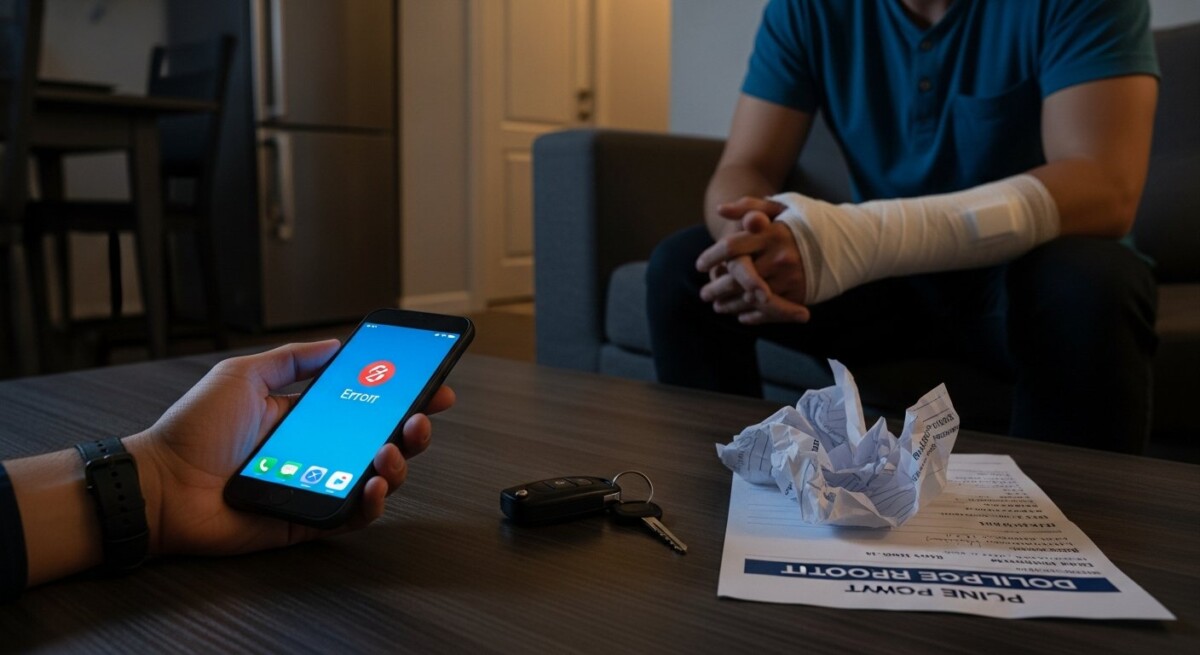
You downloaded the app, trusted its functionality, and then something went wrong. Whether it was a navigation error that caused a car accident, a faulty health tracking feature that led to an injury, or a ride-sharing mishap, the result is the same: you are hurt and the app company refuses to take blame. This scenario is more common than many realize. When a major platform denies responsibility, victims often feel powerless, unsure of their legal footing, and overwhelmed by the corporate machinery arrayed against them. Understanding what to do in this exact moment is critical, and knowing your rights can make the difference between a dismissed claim and a fair settlement.
In this article, we will walk through the practical steps you should take when an app company denies responsibility. From gathering evidence to understanding liability theories, from negotiating with insurance carriers to filing a lawsuit, we cover the essential strategies that protect your interests. We also explain how a free legal case evaluation can help you cut through the confusion and connect with an attorney who specializes in holding tech companies accountable. If you are facing a denial from a major app company, you are not alone. There are legal pathways to recovery.
Why App Companies Often Deny Responsibility
App companies, especially large platforms like Uber, Lyft, Airbnb, or fitness tracking apps, have powerful incentives to deny responsibility for user injuries. Their terms of service are drafted by teams of lawyers who design them to shift risk onto the user or third parties. Common arguments include: the user violated the terms of use, the injury was caused by a third party (such as another driver or a property owner), or the app itself was merely a platform and not an active participant in the incident.
Additionally, many app companies classify their workers as independent contractors rather than employees. This classification matters because it can limit the company’s liability for the actions of those workers. For example, a ride-sharing company might argue that the driver is an independent contractor, and therefore the company is not responsible for the driver’s negligence. In our guide on contractor denies responsibility your legal options, we explain how this distinction affects your claim and what evidence you need to overcome it.
The denial letter or communication from the company may also cite your own conduct. They might claim you ignored warnings, used the app improperly, or assumed a known risk. These defenses are often boilerplate, but they can be effective if you do not have proper documentation. That is why the first hour after an incident is critical.
Immediate Steps After an App Company Denies Responsibility
When you receive a denial, do not panic. Instead, treat it as the opening move in a negotiation. Your response will set the tone for the entire claims process. Here are the essential steps to take right away:
- Preserve all evidence. Screenshot every communication from the app company, including emails, in-app messages, and denial letters. Save metadata like timestamps and version numbers.
- Document the incident thoroughly. Write down exactly what happened, when it happened, and who was involved. Include details like weather conditions, device settings, and any error messages you saw.
- Do not sign anything. The company may offer a small settlement in exchange for a waiver of future claims. Never sign a release without consulting a lawyer.
- Notify your insurance company. Depending on the type of injury, your own insurance policy may provide coverage or legal assistance. Report the incident promptly.
- Consult a qualified attorney. App company denials are complex. A lawyer who handles personal injury and technology liability cases can evaluate your situation for free.
Each of these steps builds a foundation for your case. Evidence is the single most important factor in overcoming a denial. Without it, the company’s version of events will prevail. With it, you can demonstrate that the app’s design, instructions, or failures directly caused your injury.
Understanding the Legal Theories of Liability
To challenge an app company’s denial, you must understand the legal grounds on which they can be held responsible. Several theories apply, and your attorney will choose the strongest one based on your facts.
Product Liability
If the app itself was defective, you may have a product liability claim. This applies when the app’s code, user interface, or underlying algorithm caused the injury. For example, a navigation app that directs a driver into a dangerous area or a health app that gives incorrect dosage recommendations could be considered defective. In these cases, the company cannot simply blame a third party. They are responsible for the product they created and distributed.
Negligence
Negligence claims focus on the company’s failure to exercise reasonable care. This could include failing to warn users about known risks, failing to maintain the app’s safety features, or failing to properly vet service providers. A ride-sharing app that does not conduct adequate background checks on drivers may be negligent if a driver with a violent history injures a passenger.
Vicarious Liability
Even if the company classifies workers as independent contractors, you may still be able to argue vicarious liability under certain circumstances. Courts have sometimes found companies liable for the actions of their contractors when the company exercised significant control over the contractor’s work. This is a fact-intensive inquiry, and an attorney can help you gather evidence of control, such as rating systems, route guidance, and disciplinary policies.
Breach of Warranty
App companies often make promises about safety, accuracy, and reliability in their marketing materials. If these promises are not kept, you may have a breach of warranty claim. For example, a fitness app that claims to be medically accurate but causes injury due to incorrect data may be liable for breaching an express warranty.
Each theory has its own elements and defenses. An experienced attorney will evaluate which ones apply to your situation and build a case that maximizes your chances of recovery. For more insight into how liability is determined in similar contexts, read our article on restaurant denies responsibility for injury your next steps, which covers analogous principles of premises and corporate liability.
How to Negotiate After a Denial
Receiving a denial does not mean the case is over. In fact, many claims are resolved through negotiation after an initial rejection. The key is to approach the process strategically.
First, understand that the app company’s first denial is often a lowball tactic. They hope you will accept a small amount or give up entirely. Do not take the denial personally. Instead, respond with a well-documented demand letter that outlines the evidence, the legal basis for liability, and a specific amount of damages. Include medical records, repair estimates, lost wage documentation, and any expert reports you have obtained.
Second, leverage the company’s reputation. App companies are highly sensitive to public relations and user trust. If your case involves a systemic issue, such as a pattern of similar injuries, the company may be motivated to settle quickly to avoid negative media coverage. Your attorney can use this leverage in negotiations.
Third, consider alternative dispute resolution. Many app terms of service require arbitration. While arbitration can limit discovery and appeals, it is often faster and less expensive than litigation. An attorney can help you navigate the arbitration process and present your case effectively.
Finally, do not be afraid to walk away from a bad offer. If the company refuses to offer fair compensation, you may need to file a lawsuit. Most personal injury attorneys work on a contingency fee basis, meaning you pay nothing upfront and only pay if you win. This reduces your financial risk and aligns the attorney’s interests with yours.
When to File a Lawsuit
If negotiations fail, a lawsuit may be your only option. Filing a lawsuit against an app company can be daunting, but it is sometimes necessary to force a fair resolution. Before you file, consider the following factors.
- Statute of limitations. Every state has a time limit for filing personal injury claims. Missing this deadline can permanently bar your case. Check the deadline for your state immediately.
- Jurisdiction and venue. App companies often include forum selection clauses in their terms of service, requiring lawsuits to be filed in a specific location. Your attorney will determine where you can legally sue.
- Class action potential. If many users were injured by the same app flaw, a class action lawsuit may be more effective than an individual claim. Class actions aggregate resources and can apply pressure on the company.
- Cost of litigation. Lawsuits are expensive, but contingency fee arrangements can make them accessible. Your attorney will advance the costs and recover them from the settlement or verdict.
Filing a lawsuit also sends a strong message to the app company that you are serious. In many cases, the mere act of filing prompts a more reasonable settlement offer. Your attorney can advise you on the best strategy based on the strength of your evidence and the company’s history of defending claims.
If you are considering legal action, you may find it helpful to read our article on what happens if company denies liability for your injury, which provides a step-by-step overview of the litigation process and what to expect at each stage.
Frequently Asked Questions
Can I sue an app company if their terms of service say I cannot?
Terms of service are contracts, but they are not absolute. Courts have thrown out clauses that are unconscionable, violate public policy, or waive liability for gross negligence or intentional harm. An attorney can review the terms and determine if they are enforceable in your case.
What if the app company is based in another country?
International app companies can still be sued in U.S. courts if they do business here. However, the process is more complex and may involve additional jurisdictional hurdles. An experienced lawyer can assess whether the company has sufficient contacts with the United States to be sued here.
How long do I have to file a claim?
The statute of limitations varies by state and by the type of claim. For personal injury, it is typically one to three years from the date of the injury. For product liability, it may be longer. Check with an attorney immediately to avoid missing the deadline.
Do I need to hire a lawyer if the app company denies responsibility?
While you can attempt to handle the claim yourself, app companies have teams of lawyers who specialize in denying claims. Hiring an attorney levels the playing field and significantly increases your chances of recovery. Most offer free consultations, so there is no financial risk in seeking advice.
What if the app company offers me a small settlement?
Do not accept a settlement without understanding the full value of your claim. A small settlement may not cover your medical bills, lost wages, and pain and suffering. Consult an attorney before signing any agreement.
Taking the Next Step
Being told that an app company denies responsibility can feel like a dead end, but it is often just the beginning of a legal process that can lead to fair compensation. The key is to act quickly, gather strong evidence, and work with a lawyer who understands the unique challenges of technology-related injury claims. You do not have to fight this battle alone. Platforms like FreeLegalCaseReview.com exist to connect you with qualified attorneys who can evaluate your case for free and guide you through the next steps.
Remember that app companies are not above the law. When their products or services cause harm, they can be held accountable. By understanding your rights and taking decisive action, you can turn a denial into a stepping stone toward recovery. For additional guidance on similar situations, see our article on dog owner denies responsibility your legal options, which illustrates how liability can be established even when the responsible party initially refuses to accept fault.