Dog Owner Denies Responsibility: Your Legal Options
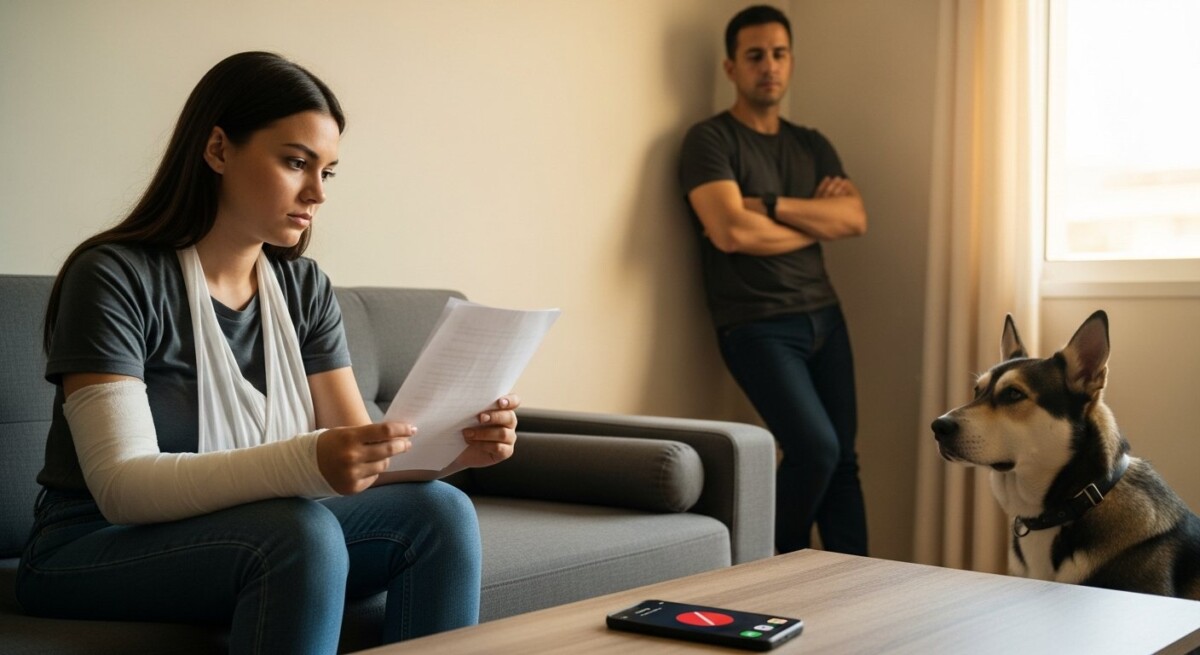
When a dog bites or attacks, victims often assume the owner will take responsibility and cover medical bills. But what happens if dog owner denies responsibility? This situation is more common than many realize. Owners may claim their dog has never bitten before, argue the victim provoked the animal, or simply refuse to answer calls from the insurance company. Understanding your legal rights and the steps to take when an owner denies fault is critical to recovering compensation for your injuries.
The legal framework for dog bite cases varies by state, but most jurisdictions impose strict liability or a negligence standard on dog owners. When an owner denies responsibility, the burden shifts to the victim to prove the owner knew or should have known about the dog’s dangerous tendencies. This article explains the legal strategies, evidence collection methods, and insurance tactics you can use when faced with a denying dog owner. If you are dealing with this situation, you do not have to navigate it alone. Legal professionals can help you build a strong case.
Why Dog Owners Deny Responsibility
Dog owners deny responsibility for several reasons. Some genuinely believe their pet is harmless and that the victim caused the incident. Others fear the financial consequences of a claim, including increased insurance premiums or a lawsuit. A common denial tactic is claiming the victim trespassed or provoked the dog. In some states, these defenses can reduce or eliminate the owner’s liability entirely.
Another frequent reason for denial is the owner’s lack of insurance or assets. If the owner has no homeowners or renters insurance covering dog bites, they may deny responsibility to avoid personal financial ruin. In these cases, the victim must pursue the owner directly, which can be challenging. However, an attorney can help identify alternative sources of compensation, such as the property owner’s liability if the attack occurred on leased premises.
In our guide on what happens when a store denies responsibility for your injury, we explain how property owners often use similar denial tactics. Understanding these patterns can help you anticipate the owner’s arguments and prepare counter-evidence.
Legal Standards for Dog Bite Liability
To understand what happens if dog owner denies responsibility, you must first know the legal standards that apply. States follow one of three approaches: strict liability, the one-bite rule, or negligence. Under strict liability, the owner is automatically responsible for damages caused by their dog, regardless of the dog’s history. This rule applies in about half of U.S. states.
The one-bite rule, used in some states, allows the owner one free bite before they are held liable. Under this rule, the owner must have known the dog was dangerous. If the owner denies responsibility, they will argue they had no prior knowledge of the dog’s aggressive behavior. The victim must then prove the owner knew or should have known about the dog’s dangerous propensities. This can be done by showing prior complaints, past aggressive behavior, or the dog’s breed-specific tendencies.
Negligence-based states require the victim to prove the owner failed to exercise reasonable care in controlling the dog. For example, if the owner allowed the dog to roam off-leash in a public area where dogs are required to be leashed, that may constitute negligence. When the owner denies responsibility, the victim must present evidence of the owner’s failure to follow local animal control laws or safety regulations.
Steps to Take Immediately After a Dog Bite
If you are bitten and the owner denies responsibility, your actions in the first few hours and days can make or break your case. Follow these steps to preserve evidence and protect your legal rights:
- Seek medical attention immediately. Document all injuries with photographs and medical records. Even minor bites can become infected or cause nerve damage.
- Report the incident to animal control or local law enforcement. This creates an official record that can serve as evidence. Animal control officers may also investigate the dog’s vaccination status and history.
- Collect witness information. If anyone saw the attack, get their names and contact numbers. Witnesses can provide crucial testimony if the owner denies the incident occurred or claims you provoked the dog.
- Preserve evidence. Take photos of the location, the dog (if safe), your injuries, and any torn clothing. Save all medical bills and receipts for medication.
- Do not sign anything from the owner or their insurance company. Owners may try to get you to sign a waiver or release in exchange for a small payment. Consult an attorney before signing any document.
After taking these steps, contact a personal injury attorney who handles dog bite cases. Many offer free consultations and can advise you on the strength of your claim. If the owner denies responsibility, your attorney will help gather additional evidence, such as the dog’s vaccination records, prior bite reports, and the owner’s social media posts that may reference the dog’s behavior.
Insurance Coverage and Denials
Homeowners and renters insurance policies often cover dog bite liability. When an owner denies responsibility, they may be trying to avoid involving their insurance company. However, if the owner has insurance, the victim can file a claim directly with the insurer. The insurance company will investigate the incident and may accept or deny the claim based on policy terms and state law.
Insurance companies have their own reasons for denying claims. They may argue the dog is an excluded breed (such as pit bulls, Rottweilers, or Dobermans) under the policy. They may also claim the incident was not covered because the attack occurred off the insured property. If the insurer denies the claim, the victim can appeal the decision or file a lawsuit against the owner. In some cases, the insurance company may settle to avoid litigation costs, even if they initially denied responsibility.
If the owner has no insurance, the victim’s options are more limited. The victim can sue the owner personally, but collecting a judgment may be difficult if the owner has few assets. In these situations, the victim’s own health insurance or underinsured motorist coverage (if applicable) may provide some compensation. An attorney can help explore all possible avenues for recovery.
Proving Liability When the Owner Denies Fault
When the owner denies responsibility, the victim must prove the owner’s liability by a preponderance of the evidence. This means showing it is more likely than not that the owner was at fault. Key evidence includes:
- Medical records documenting the nature and extent of injuries.
- Photographs and videos of the scene, injuries, and the dog.
- Witness statements corroborating the victim’s account.
- Animal control reports showing the dog’s history or dangerous propensities.
- Local ordinances regarding leash laws or dangerous dogs that the owner violated.
In states with the one-bite rule, the victim must also prove the owner knew the dog was dangerous. This can be established by showing prior incidents, complaints from neighbors, or the dog’s breed-specific reputation. For example, if the owner’s dog previously growled or snapped at someone, that may be enough to demonstrate knowledge. If the owner denied knowing about any prior aggression, the victim can subpoena animal control records or interview neighbors to uncover the truth.
Expert testimony may also be useful. A veterinarian or animal behaviorist can testify about the dog’s breed, temperament, and whether the owner should have anticipated the attack. In severe cases, a medical expert can testify about the long-term consequences of the injuries, such as scarring, nerve damage, or psychological trauma.
Legal Remedies and Compensation
Victims of dog bites can seek compensation for economic and non-economic damages. Economic damages include medical expenses, lost wages, and future medical care. Non-economic damages cover pain and suffering, emotional distress, and loss of enjoyment of life. In some states, punitive damages may be available if the owner acted with gross negligence or intentional misconduct.
If the owner denies responsibility and refuses to settle, the victim may need to file a lawsuit. The lawsuit will name the owner as the defendant and, if applicable, the property owner or landlord. In many cases, the threat of a lawsuit is enough to encourage the owner or their insurance company to negotiate a settlement. If the case goes to trial, a jury will decide liability and damages based on the evidence presented.
Victims should be aware of the statute of limitations for dog bite claims, which varies by state. In most states, the deadline is one to three years from the date of the attack. Missing this deadline can bar the victim from recovering any compensation. An attorney can ensure all paperwork is filed on time.
Frequently Asked Questions
What happens if the dog owner denies responsibility and has no insurance?
If the owner has no insurance and denies responsibility, you may need to sue them personally. Collecting a judgment can be difficult if the owner lacks assets. However, an attorney can help identify other sources of compensation, such as the property owner’s liability or your own health insurance.
Can I still recover damages if the owner claims I provoked the dog?
Yes, but the amount of compensation may be reduced if you are found partially at fault. In states with comparative negligence, your damages are reduced by your percentage of fault. If you provoked the dog intentionally, some states may bar recovery entirely.
How do I prove the owner knew the dog was dangerous?
You can use animal control records, witness testimony, prior complaints, or social media posts where the owner acknowledged the dog’s aggression. An attorney can help gather this evidence through discovery and subpoenas.
Should I contact the owner’s insurance company directly?
It is generally not advisable to speak with the owner’s insurance company without legal representation. Insurance adjusters may try to get you to make statements that weaken your claim. Let your attorney handle all communications.
For more information on how denial tactics work in other injury contexts, read our article on what happens when a store denies responsibility for your injury. Understanding these patterns can help you build a stronger case.
If you are dealing with a dog bite and the owner denies responsibility, you do not have to face this alone. Legal professionals can evaluate your case, gather evidence, and negotiate with insurance companies on your behalf. Many offer free consultations and work on a contingency fee basis, meaning you pay nothing unless they recover compensation for you. Contact a qualified personal injury attorney today to discuss your options and protect your rights.