Dog Bite Injury Claim With No Witnesses: Legal Guide
If you were bitten by a dog and no one saw the attack, you might wonder if you can still pursue a claim. The short answer is yes, you can claim for a dog bite injury without witnesses. Insurance companies and courts understand that dog attacks often happen in private settings, quiet streets, or moments when only the victim and the dog are present. A lack of eyewitnesses does not automatically destroy your case. Instead, you must rely on other forms of evidence to build a compelling claim. This article explains how to gather that evidence, what legal standards apply, and how to maximize your compensation even when no third party observed the incident.
Dog bite laws vary by state, but most jurisdictions hold dog owners strictly liable for injuries their animals cause. Strict liability means you do not need to prove the owner was negligent or that the dog had a history of aggression. You simply need to prove that the dog bit you and that you were lawfully present at the time. Without witnesses, proving the bite occurred can be harder, but it is far from impossible. Medical records, photographs, police reports, and your own testimony can all fill the gap left by missing eyewitnesses. In our guide on suing without witnesses and your legal options, we explain how courts evaluate uncorroborated testimony and the types of supporting evidence that can tip the scales in your favor.
Why Witnesses Matter in Dog Bite Claims
Eyewitnesses provide an independent account of what happened. They can confirm that the dog lunged, that the owner lost control, or that you did nothing to provoke the animal. When witnesses are absent, the defendant’s insurance company may argue that the bite never happened, that you provoked the dog, or that you were trespassing. These defenses can reduce or eliminate your compensation. However, the burden of proof in a civil claim is lower than in a criminal case. You only need to show that it is more likely than not that the dog caused your injury. This is called a preponderance of the evidence standard.
Without witnesses, your credibility becomes central. If you have a consistent story, prompt medical treatment, and objective evidence such as wound photographs or torn clothing, a jury or adjuster can still find in your favor. The key is to document everything immediately after the bite. Delays in reporting or seeking care can create doubt. If you waited days to see a doctor or never reported the bite to animal control, the defense will use that gap to argue your injury was minor or unrelated. Acting quickly preserves your options.
Types of Evidence That Substitute for Witnesses
When no one saw the attack, you must lean heavily on physical and documentary evidence. The stronger your supporting proof, the less you need a witness. Below are the most effective types of evidence for a no-witness dog bite claim.
Medical Records and Photographs
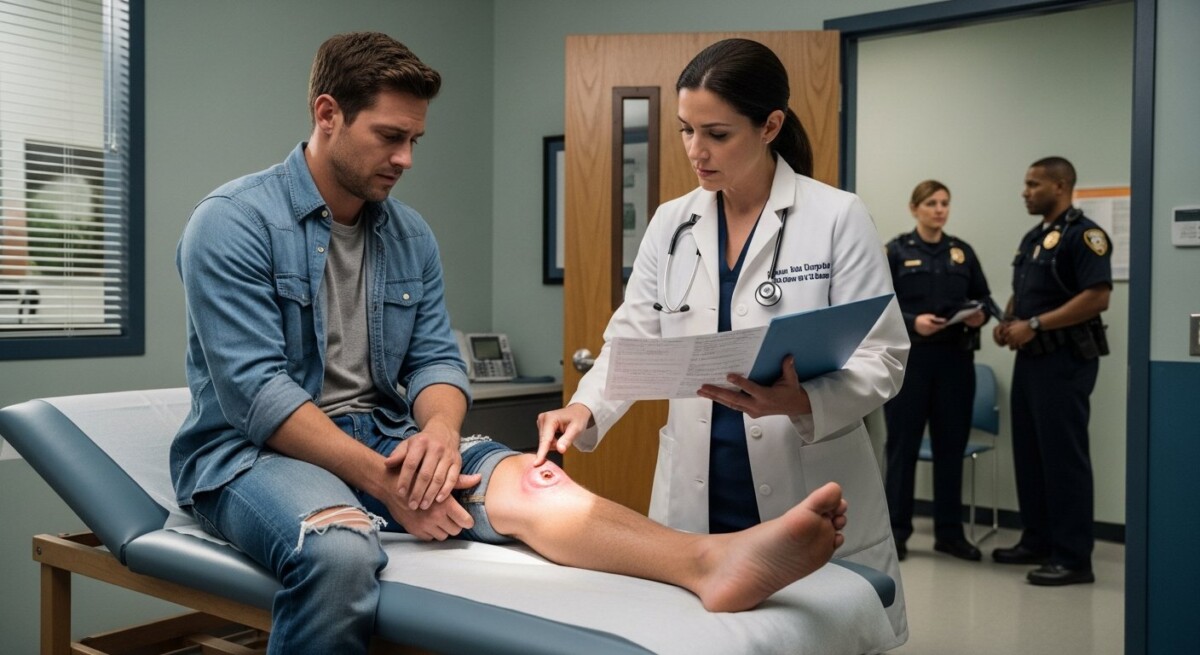
Your medical records are the single most powerful piece of evidence. They create an official timeline linking your injury to the dog bite. Emergency room notes, wound descriptions, and treatment codes all document the nature and severity of the bite. Photographs of the injury taken immediately after the bite and during the healing process show the progression of your wounds. Take photos at different angles and include a ruler or coin for scale. If the wound became infected or required stitches, those details strengthen your claim.
Animal Control and Police Reports
Reporting the bite to animal control or local law enforcement creates an official record. Officers will interview you, and sometimes the dog owner, and write a report. That report becomes admissible evidence even if the officer did not see the bite. It also triggers a rabies quarantine or dangerous dog investigation, which can corroborate your story. Request a copy of the report and provide it to your attorney. If the owner admitted ownership or liability during the officer’s interview, that statement can be used against them.
Your Own Testimony and Diary
Your sworn statement is evidence, even without corroboration. Write down everything you remember about the incident as soon as possible: the date, time, location, the dog’s appearance, the owner’s actions or words, and the events leading up to the bite. Keep a daily diary of your pain, emotional distress, medical appointments, and how the injury affects your daily life. This diary serves as a contemporaneous record that counters defense claims that your symptoms are exaggerated or delayed.
Legal Standards When No Witnesses Exist
Dog bite laws fall into three main categories: strict liability, the one-bite rule, and negligence. Strict liability states (like California, Florida, and New York) make the owner automatically responsible for medical damages, regardless of the dog’s history. In those states, the lack of witnesses is less damaging because you do not need to prove the owner knew the dog was dangerous. You only need to prove the bite occurred and you were lawfully present.
In one-bite rule states (like Texas and Virginia), the owner is only liable if they knew or should have known the dog was dangerous. Without witnesses, proving prior knowledge becomes harder. However, you can still use evidence such as the dog’s breed, size, or prior complaints to animal control to establish foreseeability. In negligence states, you must show the owner failed to exercise reasonable care. Here, witnesses help prove the owner’s actions, but circumstantial evidence like a broken leash or an open gate can also establish negligence.
No matter which legal standard applies, your case is stronger when you consult an attorney early. An experienced lawyer knows how to subpoena records, interview neighbors, and find indirect witnesses such as a mail carrier or delivery driver who may have seen the dog acting aggressively before. For a deeper look at how courts handle these situations, see our post on can you sue without witnesses and how to build a case.
Steps to Take Immediately After a Dog Bite With No Witnesses
Your actions in the first hours after a bite can determine whether your claim succeeds or fails. Follow these steps to preserve evidence and protect your rights:
First, seek medical attention. Even if the wound seems minor, see a doctor or visit an emergency room. Medical records create an official link between the bite and your injury. Second, report the bite to animal control or the local police. Provide the owner’s name and address if you know them. Third, take photographs of the wound, the location, and the dog if it is safe to do so. Fourth, identify any indirect evidence such as security cameras from nearby homes, businesses, or traffic cameras. Ask neighbors if they have doorbell cameras that might have captured the incident. Fifth, write down everything you remember while it is fresh. Include details like the dog’s bark, the owner’s voice, and any statements the owner made after the bite.
Finally, do not discuss the incident on social media. Insurance adjusters monitor public posts for inconsistencies. Avoid posting about the bite, your injuries, or your activities until your case is resolved. Anything you say online can be used to undermine your credibility.
How Insurance Companies Handle No-Witness Claims
Insurance adjusters are trained to minimize payouts. When there are no witnesses, they may deny liability or offer a low settlement hoping you will accept out of frustration. They might argue that your injury was pre-existing, that you provoked the dog, or that the bite never happened. Do not accept an initial offer without consulting a lawyer. Adjusters often start low, expecting negotiation.
To counter these tactics, present a complete evidence package. Include your medical records, photographs, animal control report, and a written account. If the adjuster disputes your version, your attorney can demand that the owner submit to a recorded statement. If the owner refuses or gives inconsistent answers, that helps your case. In some situations, you can request that the dog be tested for rabies or observed for aggressive behavior, which adds further documentation.
If the insurance company continues to deny your claim, you may need to file a lawsuit. Most dog bite cases settle before trial, but the threat of litigation often pushes adjusters to offer fair compensation. Your attorney can estimate the full value of your claim, including medical bills, lost wages, pain and suffering, and future scarring or disfigurement.
Frequently Asked Questions
Can I claim for dog bite injury without witnesses if the owner denies it happened?
Yes, you can still claim. Your medical records, photographs, and animal control report can contradict the owner’s denial. If you have strong physical evidence and a consistent story, a jury or adjuster can find in your favor even without independent witnesses.
What if the dog bite happened on the owner’s property and no one else was there?
Private property bites are common, and courts expect that witnesses may not be present. Your testimony, combined with medical evidence and any surveillance footage, can establish liability. If you were lawfully on the property (as a guest, invitee, or worker), strict liability laws still apply in many states.
How long do I have to file a dog bite claim without witnesses?
Statutes of limitations vary by state, typically ranging from one to six years. In most states, the deadline is two to three years from the date of the bite. Missing the deadline bars your claim entirely. Contact an attorney as soon as possible to ensure you file within the required time.
Can I use my phone’s location data or timestamps as evidence?
Yes, phone location data, call logs, and timestamps on photos can help establish that you were at the location at the time of the bite. Share this information with your attorney, who can use it to corroborate your timeline.
For more detailed answers about the legal process, read our article on can you sue without witnesses and the evidence you need.
Building a Strong Case Without Witnesses
Successfully claiming for a dog bite injury without witnesses requires diligence, quick action, and the right legal partner. Start by documenting everything immediately. Keep a binder with your medical records, photographs, correspondence with the owner or their insurance, and a personal journal. Do not sign any release forms or accept settlement money without legal advice. Once you settle, you cannot reopen the claim later if complications arise.
Consultation with a personal injury attorney is almost always free. Most dog bite lawyers work on a contingency fee basis, meaning they only get paid if you win. During the consultation, the lawyer will evaluate your evidence, explain the applicable law, and estimate your case’s value. If your case is strong, they will handle negotiations and, if necessary, litigation. This removes the burden from you and levels the playing field against experienced insurance adjusters.
Remember that your health comes first. Even if the bite seems minor, infections, nerve damage, and scarring can develop over time. Follow your doctor’s treatment plan and attend all follow-up appointments. Medical compliance shows that you take your recovery seriously, which strengthens your claim for pain and suffering damages.
If you are ready to move forward, contact a qualified dog bite attorney who understands the challenges of no-witness claims. They can help you gather evidence, interview potential indirect witnesses, and build a case that maximizes your recovery. For a comprehensive overview of the entire process, refer to our guide on suing without witnesses and why it is still possible.
You do not need a crowd of onlookers to win a dog bite case. You need a clear story, solid proof, and a lawyer who knows how to present that evidence persuasively. Take the steps outlined here, and you can hold the dog owner accountable even when no one else saw what happened.