What If Landlord Ignores Safety Complaints? Know Your Rights
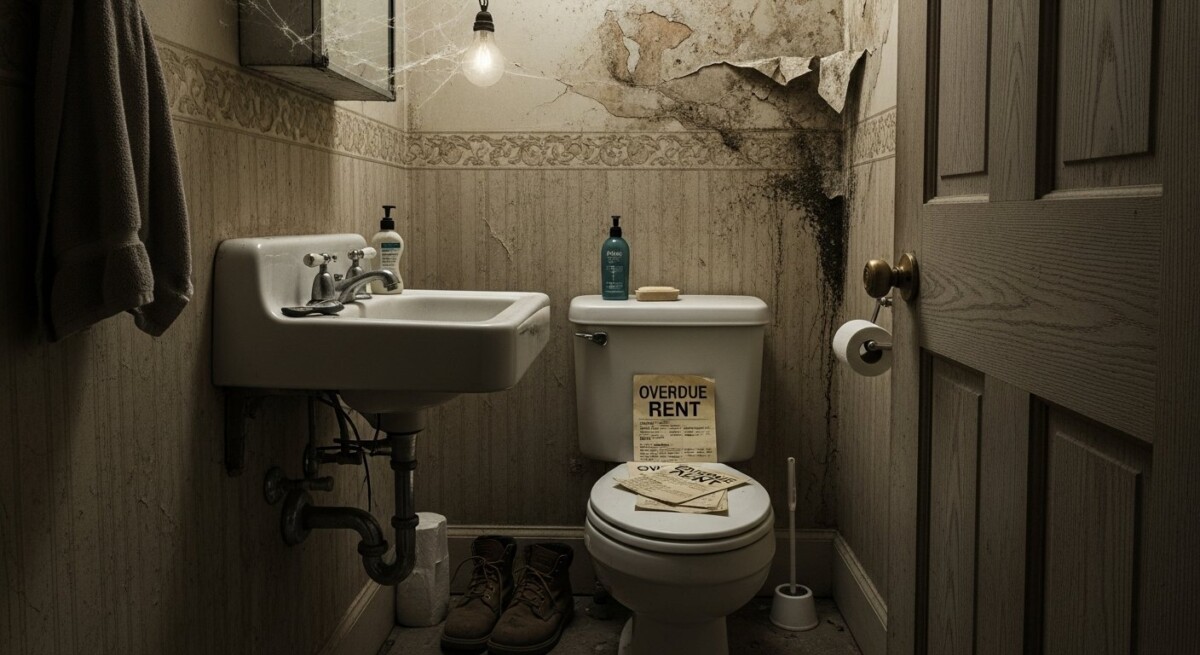
You report a broken lock, a leaking gas pipe, or mold spreading across the bathroom ceiling. Days pass, then weeks. Your landlord does nothing. This scenario is more common than many tenants realize, and it raises a critical question: what if landlord ignores safety complaints? The answer involves specific legal protections, practical steps, and potential compensation for harm caused by negligence. Understanding your rights is the first step toward holding a property owner accountable and protecting yourself and your family from preventable hazards.
Landlords have a legal duty to maintain rental properties in a habitable condition. When they fail to act on safety complaints, they may be violating state and local housing codes, warranty of habitability laws, and even terms of your lease. But knowing the law is only part of the equation. You also need a clear plan to document the problem, notify the landlord properly, and escalate the issue if necessary. This article walks through every stage of that process, from initial complaint to legal action.
The Legal Duty to Repair Safety Hazards
Every state imposes an implied warranty of habitability on residential leases. This legal doctrine means your landlord must keep the property safe, sanitary, and fit for human habitation. Common safety hazards that trigger this duty include faulty electrical wiring, broken stairs or railings, lack of heat or hot water, pest infestations, lead paint exposure, and structural defects such as a collapsing ceiling. When you raise these issues, the landlord cannot simply ignore them.
The warranty of habitability is not optional. Even if your lease says you must make all repairs yourself, most courts will override such clauses because they violate public policy. A landlord who ignores safety complaints breaches this warranty, which gives you several potential remedies. You may be entitled to withhold rent, repair and deduct the cost from future rent, terminate the lease without penalty, or sue for damages. However, the exact options depend on your state laws and the severity of the hazard.
Beyond habitability, many cities and counties have specific housing codes that require landlords to address safety issues within a certain timeframe. For example, a code might mandate that a broken window be fixed within 24 hours during winter. Ignoring these codes can result in fines, citations, or even criminal charges if the hazard leads to injury or death. Knowing the local code for your property is essential when you document your complaint.
Document Everything Before You Complain
Before you send a single message to your landlord, start building a paper trail. Documentation is the foundation of any successful claim against a negligent landlord. Without it, you have little more than your word against theirs. Here is what you should collect and preserve:
- Photographs and video: Capture the hazard from multiple angles, including wide shots that show the room context and close-ups that show the defect clearly. Include a date and time stamp if possible.
- Written records: Keep a log of every interaction with the landlord or property manager. Note the date, time, who you spoke with, and what they said. Save emails, text messages, and voicemails.
- Witness statements: If other tenants have the same issue, ask them to provide a brief written account. Neighbors can also confirm that the hazard existed and that you reported it.
- Medical records: If the safety issue caused an injury (like a fall from a broken stair), get copies of medical bills, doctor notes, and diagnosis reports. These link the hazard directly to your harm.
- Lease and correspondence: Keep a copy of your lease agreement and any written communication from the landlord that acknowledges or denies the complaint.
This documentation serves multiple purposes. It proves that you notified the landlord, shows the condition of the property, and establishes a timeline. If you eventually need to take legal action, your attorney will rely heavily on this evidence. Even if you are just trying to get the problem fixed, presenting a well-organized file to the landlord can pressure them to act quickly.
How to File a Formal Safety Complaint
A verbal request is rarely enough. To protect your legal rights, you must submit a formal written complaint. This does not need to be a complex legal document, but it should include specific details. Write a letter or email addressed to the landlord or property manager. Clearly describe the safety hazard, its location, and how long it has existed. State that you are requesting repair and that the issue poses a risk to your health or safety.
Include a reasonable deadline for the landlord to respond. For urgent hazards like a gas leak or exposed wiring, 24 to 48 hours is appropriate. For less critical issues like a cracked window, 7 to 14 days may be acceptable. Check your state law for specific timeframes, as some jurisdictions define what constitutes a reasonable response. Send the complaint via certified mail with return receipt requested, or use an email with a read receipt function. This gives you proof that the landlord received your notice.
If the landlord does not respond within the deadline, send a second notice. This follow-up should reference the first complaint and indicate that you are considering exercising your legal remedies. Many landlords will act only when they realize you are serious and informed. If they still ignore you, you have established a clear pattern of neglect that supports further action.
What If Landlord Ignores Safety Complaints? Your Legal Options
When a landlord refuses to address a safety hazard, you have several legal tools at your disposal. The right choice depends on the severity of the hazard, your state laws, and your personal circumstances. Below are the most common remedies available to tenants.
Rent Withholding
Many states allow tenants to withhold rent when the landlord fails to maintain habitable conditions. This is not a free pass to stop paying. You must follow strict procedures. Typically, you must place the withheld rent into a separate escrow account and notify the landlord in writing that you are doing so. Some states require you to deposit the money with the court. If you simply stop paying without following the rules, the landlord can evict you for nonpayment. Always consult an attorney or tenant advocacy group before withholding rent.
Repair and Deduct
In some jurisdictions, you can hire a licensed contractor to fix the safety hazard and deduct the cost from your rent. This remedy usually requires that the hazard affects your health or safety, that you gave the landlord reasonable notice and opportunity to repair, and that the cost does not exceed a certain amount (often one month’s rent). Keep all receipts and invoices, and provide a copy to the landlord along with an explanation of the deduction. This approach works best for straightforward repairs like fixing a broken lock or unclogging a sewer line.
Lease Termination
If the safety hazard is severe and the landlord refuses to fix it, you may have the right to terminate your lease without penalty. This is often called a constructive eviction. To succeed, you must prove that the condition makes the unit uninhabitable and that you moved out within a reasonable time after the landlord ignored your complaint. Courts look at factors like the nature of the defect, the landlord’s response (or lack thereof), and whether you stayed after the problem became known. Terminating the lease lets you move to a safer property, but you may lose your security deposit unless you take legal action.
Legal Action for Damages
If the safety hazard caused you physical injury, property damage, or other losses, you can sue the landlord for negligence. To win a negligence claim, you must show that the landlord owed you a duty of care, breached that duty by ignoring the hazard, and that the breach directly caused your injuries. The damages you can recover include medical expenses, lost wages, pain and suffering, and sometimes punitive damages if the landlord’s conduct was reckless or intentional. This is where the documentation you gathered becomes critical. An experienced personal injury attorney can evaluate your case and help you pursue compensation.
When to Contact a Personal Injury Lawyer
You do not need a lawyer for every landlord issue. Minor problems can often be resolved through tenant-landlord mediation or by contacting the local housing authority. But when a safety complaint leads to injury or significant property damage, legal representation becomes essential. A personal injury attorney understands the nuances of premises liability law and can navigate the evidence gathering, negotiation, and litigation process on your behalf.
Consider contacting a lawyer if you have suffered an injury such as a fall, burn, respiratory illness from mold, or electric shock. Also seek legal help if the landlord’s neglect has caused damage to your personal belongings, such as furniture ruined by a leaky roof. An attorney can also advise you if the landlord retaliates against you for filing a complaint, which is illegal in most states. Retaliation might include raising your rent, reducing services, or filing an eviction notice. A lawyer can document the retaliation and seek damages or injunctive relief.
The attorneys connected through FreeLegalCaseReview.com have experience handling premises liability cases, including those stemming from landlord negligence. They can provide a free case evaluation to determine whether you have a viable claim. This initial consultation carries no obligation and helps you understand your options before deciding how to proceed.
Frequently Asked Questions
How long do I have to wait before taking action after a safety complaint?
The waiting period depends on the urgency of the hazard. For immediate threats like a gas leak or exposed electrical wires, you should take action within 24 to 48 hours. For less critical issues, most states require you to give the landlord a reasonable time, often 7 to 30 days, to make the repair. Check your lease and local housing code for specific deadlines.
Can I be evicted for reporting a safety hazard?
It is illegal for a landlord to evict you in retaliation for reporting a safety violation or exercising your legal rights. If you receive an eviction notice shortly after filing a complaint, you may have a retaliation claim. Document the timing and consult an attorney immediately. Retaliatory eviction can result in damages and the landlord being ordered to reinstate your tenancy.
What if the safety hazard was caused by another tenant or by me?
If you caused the hazard, you are generally responsible for the repair. If another tenant caused it, the landlord must still act to prevent harm to you. For example, if a neighbor’s unit has a sewage leak that seeps into your apartment, the landlord must fix it regardless of who caused the initial problem. Document the issue and notify the landlord promptly.
Do I need to move out before suing my landlord?
Not necessarily. You can sue for damages while continuing to live in the unit, especially if the hazard is not life-threatening. However, if the condition is dangerous and the landlord refuses to fix it, moving out may strengthen your constructive eviction claim. An attorney can advise you on the best strategy for your specific situation.
Can I receive compensation for emotional distress?
Yes, emotional distress damages are available in some landlord negligence cases. To recover them, you must show that the landlord’s conduct was extreme or reckless, such as ignoring a known mold problem that caused chronic respiratory issues. These claims are harder to prove, so having strong medical evidence and testimony from mental health professionals is important.
If you are wondering what if landlord ignores safety complaints and you have suffered harm as a result, do not wait. The longer a hazard persists, the greater the risk to your health and the stronger your case may become. But you also need to act within the statute of limitations, which varies by state. Taking prompt action preserves your right to compensation and sends a clear message that tenant safety cannot be ignored.
Your home should be a safe place. When a landlord fails to uphold that basic promise, the law provides remedies. By documenting the problem, following proper notification procedures, and seeking legal guidance when needed, you can protect yourself and hold negligent property owners accountable. The first step is understanding your rights. The next step is taking action.