Contractor Denies Responsibility: Your Legal Options
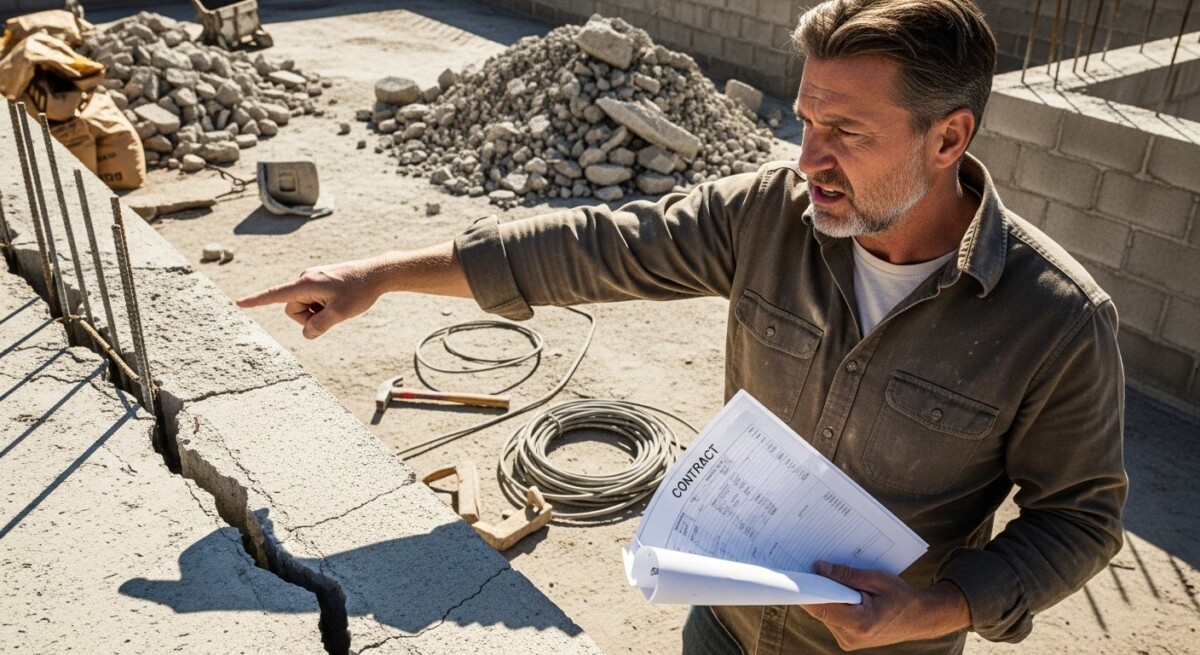
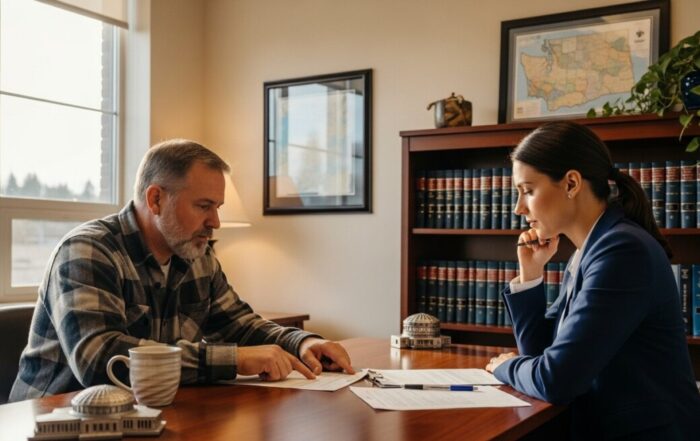
When a contractor walks off the job, leaves shoddy work, or causes damage to your property and then flatly refuses to take responsibility, you can feel both frustrated and powerless. Construction projects involve significant time, money, and trust. A denial of responsibility can derail your budget, delay your project, and leave you wondering what legal recourse you actually have. Understanding your rights and the specific steps to take when a contractor denies responsibility is essential for protecting your investment and getting the resolution you deserve.
The legal principle known as breach of contract often applies in these situations. A contractor who fails to perform the work as agreed, uses substandard materials, or abandons the project has likely violated the terms of your agreement. But proving that breach and compelling the contractor to make things right requires a strategic approach. This article walks through the immediate actions you should take, the legal theories that may support your claim, and the practical steps to enforce your rights when faced with a contractor who says “it’s not my problem.”
Immediate Steps After a Contractor Denies Responsibility
The first moments after a contractor denies responsibility are critical. Your emotional response might be anger or anxiety, but the most productive reaction is methodical and evidence-focused. Before you confront the contractor again or begin legal proceedings, take these foundational steps to strengthen your position.
First, document everything. Take clear photographs and videos of the incomplete or defective work, any damage to your property, and the overall condition of the job site. Collect all written communications between you and the contractor, including emails, text messages, and letters. If you have a written contract, locate it immediately. If the agreement was verbal, write down everything you remember about the scope of work, timeline, and payment terms while the details are still fresh. This documentation will form the backbone of any legal claim you pursue.
Second, put your concerns in writing. Send a formal demand letter to the contractor via certified mail with return receipt requested. In this letter, clearly describe the problem, reference the specific contract terms that have been violated, and state what you want the contractor to do to make things right (for example, complete the work, repair defects, or refund payments). Give a reasonable deadline for a response, typically 10 to 14 days. This letter serves two purposes: it may prompt the contractor to reconsider, and if they do not, it creates a clear record of your attempt to resolve the issue informally.
Third, stop all payments immediately. If you have been making progress payments, halt them until the dispute is resolved. Paying a contractor who has denied responsibility can weaken your legal position, as it may be interpreted as acceptance of the work as is. Instead, preserve your remaining funds to cover the cost of hiring a new contractor or pursuing legal action.
Legal Theories for Holding a Contractor Accountable
When a contractor denies responsibility, you need to identify the specific legal grounds for your claim. Several legal theories may apply, depending on the facts of your case. Understanding these can help you and your attorney decide the best path forward.
Breach of Contract
Breach of contract is the most common claim against a contractor. A breach occurs when the contractor fails to perform any term of the agreement without a legal excuse. This can include failing to complete the work on time, using materials different from what was specified, or performing work that does not meet industry standards. To prove breach of contract, you must show that a valid contract existed, that you performed your obligations (such as making payments as agreed), that the contractor failed to perform, and that you suffered damages as a result. If you win, you may be entitled to the cost of completing or repairing the work, plus any additional expenses caused by the delay.
Negligence
If the contractor’s substandard work caused damage to your property or injury to someone, you might have a negligence claim. Negligence requires proving that the contractor owed you a duty of care (which they do as a professional), that they breached that duty by acting unreasonably, that their breach directly caused your harm, and that you suffered actual damages. For example, if a contractor improperly installs wiring and it starts a fire, you could sue for negligence. This claim often runs alongside a breach of contract claim, and you can pursue both simultaneously.
Fraud or Misrepresentation
If the contractor lied to you about their qualifications, licensing, insurance, or the scope of work to get you to sign the contract, you may have a claim for fraud or misrepresentation. This requires showing that the contractor made a false statement of fact, knew it was false, intended for you to rely on it, and that you did rely on it to your detriment. Fraud claims can be harder to prove because they require clear and convincing evidence of intentional deception, but they can also open the door to punitive damages in some states.
In our guide on dog owner denies responsibility, we discuss similar principles of liability that apply when a responsible party refuses to acknowledge fault. The same concepts of duty, breach, and damages are central to construction disputes as well.
Gathering Evidence to Counter the Denial
Contractors often deny responsibility by shifting blame to you, to subcontractors, or to circumstances beyond their control. To counter these defenses, you need compelling evidence that points directly to the contractor’s fault. The quality and completeness of your evidence can make or break your case.
Start with expert opinions. A licensed architect, structural engineer, or another qualified contractor can inspect the work and provide a written report identifying the defects and their likely causes. This expert opinion carries significant weight in negotiations and in court. It can also help you estimate the cost of repairs, which is essential for calculating your damages.
Next, gather all permits, inspection reports, and building department records. If the contractor pulled permits for the project, those records will show what work was approved and whether it passed inspection. Failed inspections are powerful evidence that the work was substandard. If the contractor failed to pull required permits, that fact alone may constitute a violation of state law and strengthen your claim.
Finally, collect witness statements. Neighbors, family members, or other tradespeople who saw the contractor’s work or heard the contractor make promises can provide valuable testimony. Even if they are not experts, their observations can corroborate your account of events. For example, a neighbor who witnessed the contractor leaving the job site early every day can help prove abandonment or lack of diligence.
Filing a Lawsuit Against the Contractor
If informal attempts to resolve the dispute fail, filing a lawsuit may be necessary. Before you sue, consider the amount at stake and the likely cost of litigation. Small claims court can handle disputes up to a certain dollar amount (typically $5,000 to $10,000 depending on your state) without the need for a lawyer. For larger claims, you will want to hire an attorney who specializes in construction law or contract disputes.
Your lawsuit should name the contractor as the defendant, but also consider including any bonded or insured parties. In many states, contractors are required to carry surety bonds. If the contractor is bonded, you may be able to make a claim against the bond to recover your losses without having to collect directly from the contractor. Similarly, if the contractor has liability insurance, you may be able to file a claim directly with the insurer. However, be aware that insurance policies often exclude coverage for faulty workmanship, so this may not always be an option.
The legal process involves filing a complaint, serving the contractor with notice, engaging in discovery (where both sides exchange evidence), and ultimately going to trial or reaching a settlement. Most construction disputes settle before trial, but you should be prepared for the possibility of a full trial if the contractor remains obstinate. Throughout this process, your attorney can advise you on the strengths and weaknesses of your case and help you decide when to accept a settlement offer.
When a different party denies liability, as discussed in our article on restaurant denies responsibility for injury, the same strategic principles apply: document everything, preserve evidence, and seek legal counsel early.
Alternative Dispute Resolution Options
Litigation is not always the best or only option. Alternative dispute resolution (ADR) methods like mediation and arbitration can resolve contractor disputes more quickly and less expensively than a trial. Many construction contracts actually require ADR before either party can file a lawsuit.
Mediation involves a neutral third party who helps facilitate a negotiation between you and the contractor. The mediator does not make a decision but instead helps both sides find common ground. Mediation is confidential, which can be appealing if you want to avoid public litigation. It also gives you more control over the outcome, as any settlement must be mutually agreed upon.
Arbitration is more formal. An arbitrator hears evidence from both sides and issues a binding decision, similar to a judge. Arbitration is usually faster than court and less formal, but your ability to appeal the decision is limited. Before agreeing to arbitration, check whether your contract requires it and understand the rules of the arbitration organization (such as the American Arbitration Association).
Both mediation and arbitration can be effective when a contractor denies responsibility because they force the contractor to engage in the process and hear your evidence. Even a contractor who refuses to accept fault in private conversations may be more willing to negotiate once faced with the prospect of a binding decision.
Protecting Yourself From Unlicensed or Uninsured Contractors
One of the most common reasons contractors deny responsibility is that they are unlicensed or uninsured. Without a license, the contractor may have no legal right to perform construction work in your state, and without insurance, there may be no source of compensation for your losses. Unfortunately, many homeowners discover this only after the damage is done.
If you are dealing with an unlicensed contractor, your legal options may be limited but not nonexistent. Many states have laws that allow you to sue an unlicensed contractor for a refund of all money paid, even if the work was partially performed. These laws are designed to discourage unlicensed contracting and protect consumers. You may also be able to report the contractor to your state’s licensing board, which can impose fines or even pursue criminal charges in egregious cases.
For uninsured contractors, your own homeowner’s insurance policy may provide some coverage for property damage caused by the contractor’s work. Review your policy carefully and file a claim if appropriate. Your insurance company may then pursue the contractor directly through a process called subrogation, which can relieve you of the burden of litigation.
To avoid these problems in the future, always verify a contractor’s license and insurance before hiring them. Check with your state’s licensing board to confirm the license is active and in good standing. Request a certificate of insurance directly from the contractor’s insurance agent, not from the contractor. And never pay more than a small deposit upfront, as many states limit initial payments to 10% or $1,000, whichever is less.
For more on how different types of property owners and businesses handle denials of responsibility, see our article on what happens when a store denies responsibility for your injury, which explores similar dynamics in a retail context.
Frequently Asked Questions
How long do I have to sue a contractor after they deny responsibility?
The statute of limitations for breach of contract claims against contractors varies by state, typically ranging from three to six years from the date of the breach. For negligence claims, the period is often shorter, sometimes two to three years. It is critical to consult an attorney promptly to avoid missing the deadline.
Can I sue a contractor if there was no written contract?
Yes, you can still sue. Oral contracts are generally enforceable for construction work, though proving the terms can be more difficult. Courts will look at evidence such as text messages, emails, bank records, and witness testimony to determine what was agreed upon.
What if the contractor claims the problem was caused by my actions or other subcontractors?
The contractor may try to shift blame, but you can counter this with expert testimony and documentation. If the contractor supervised the project, they are typically responsible for the work of subcontractors they hired. Your evidence of the contractor’s direct involvement or oversight can help establish liability.
Can I recover attorney’s fees if I win my case against the contractor?
This depends on your contract and state law. Many construction contracts include a clause that allows the prevailing party to recover attorney’s fees. In some states, consumer protection laws also allow fee recovery. Check your contract and ask your attorney about fee shifting possibilities.
What should I do if the contractor has filed for bankruptcy?
If the contractor declares bankruptcy, your ability to collect may be affected. You can file a claim in the bankruptcy court, but payment is not guaranteed. In some cases, you may still be able to pursue a claim against the contractor’s bond or insurance, which may not be discharged in bankruptcy.
If you are dealing with a larger institution that denies fault, the principles are similar but the stakes can be higher. Our guide on what if an institution denies responsibility for your injury provides additional context on how to approach claims against organizations with substantial resources.
When a contractor denies responsibility, you do not have to accept their word as final. Your contract, the law, and the evidence on your side give you powerful tools to hold them accountable. Start by documenting everything and sending a formal demand letter. Consult with an experienced construction attorney to understand your specific legal options. And remember that you have the right to pursue compensation for defective work, delays, and damages caused by a contractor who refuses to own their mistakes. With persistence and the right legal strategy, you can protect your home, your finances, and your peace of mind.