What If an Institution Denies Responsibility for Your Injury
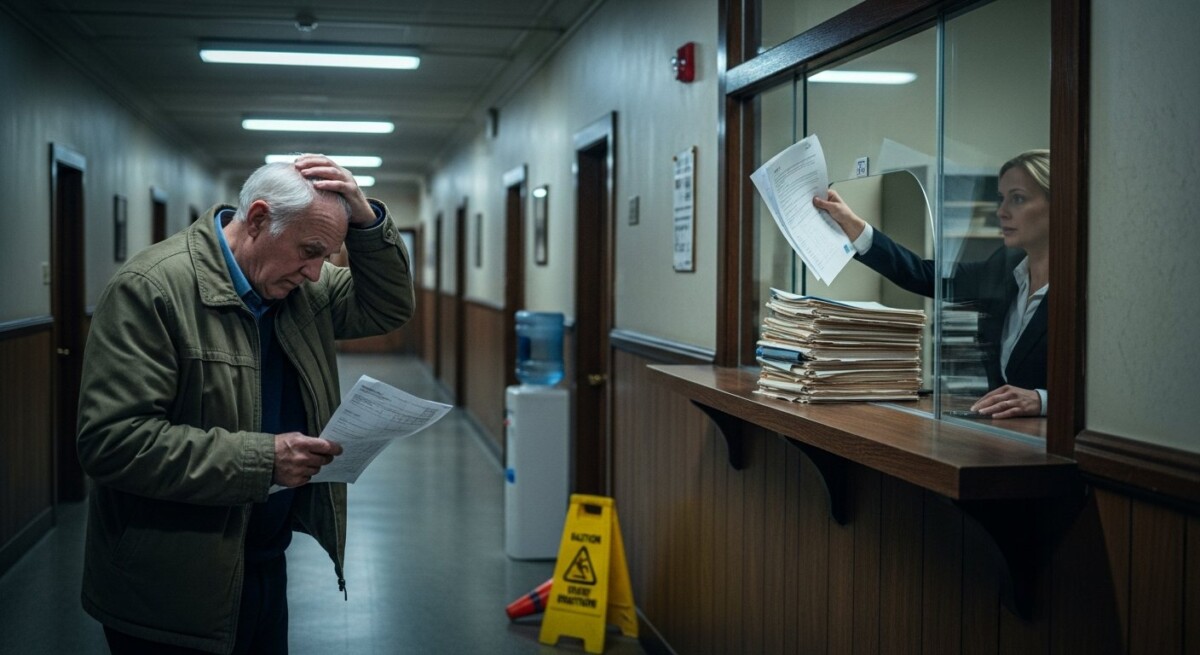
You walk into a restaurant, a store, or a government building expecting a safe environment. Then a slip, a fall, or a sudden accident changes everything. You file a claim, and the response comes back cold and final: the institution denies responsibility. This moment can feel like a dead end, but it is actually the beginning of a critical legal process. Understanding what happens next and how to push back can mean the difference between walking away with nothing and securing fair compensation for your medical bills, lost wages, and pain.
Why Institutions Deny Responsibility
Institutions ranging from private businesses to public entities have powerful incentives to deny liability. Their first move is almost always to protect their bottom line. Admitting fault opens the door to settlements, legal fees, and reputational damage. As a result, denial is a standard tactic, not a final verdict on the strength of your claim.
Common reasons for denial include arguing that the hazard was open and obvious, claiming you contributed to the accident through your own negligence, or asserting that the institution had no prior notice of the dangerous condition. For example, a grocery store might say the wet floor was clearly marked with warning signs, or a city might argue it had no record of a broken sidewalk before you fell. These defenses are often standard boilerplate language, and they do not automatically defeat your case.
In some situations, an institution may deny responsibility outright without any investigation. This is especially common when the accident involves a government agency, which enjoys special legal protections and shorter filing deadlines. Understanding the specific reason for denial helps you and your attorney craft a targeted response. For more context on how this plays out in specific scenarios, see our guide on restaurant denies responsibility for injury your next steps.
Your Immediate Steps After a Denial
Receiving a denial letter can be disheartening, but do not let it stop you from taking action. The first step is to review the denial carefully. Look for the exact language the institution used and note any deadlines for appeal or further action. Many institutions set strict time limits for responding to a denial, and missing them can forfeit your rights forever.
Next, gather all evidence from the accident scene. This includes photographs, witness statements, incident reports, and medical records. Strong documentation can directly contradict the institution’s version of events. For instance, if the store claims the floor was dry but your photo shows a puddle, that evidence undermines their denial.
Finally, contact a qualified personal injury attorney. Do not try to navigate this process alone. An attorney understands how to spot bad faith tactics, negotiate with insurance adjusters, and prepare a formal demand letter that counters each point in the denial. Many attorneys offer free consultations, and platforms like FreeLegalCaseReview.com can connect you with lawyers who specialize in these cases. If you are dealing with a dog bite incident, you may find our article on dog owner denies responsibility your legal options helpful.
Legal Theories That Overcome a Denial
When an institution denies responsibility, your attorney will typically rely on one of several legal theories to hold them accountable. The most common is premises liability, which holds property owners and occupiers responsible for maintaining safe conditions for visitors. To win under this theory, you must prove that the institution knew or should have known about the hazard and failed to fix it or warn you.
Another powerful theory is negligence per se. This applies when the institution violated a specific law or regulation, such as a building code or safety ordinance. For example, if a store lacked proper lighting in a stairwell as required by local code, and you fell as a result, the violation itself can establish negligence. This shifts the burden of proof and makes it much harder for the institution to deny responsibility.
In cases involving government entities, you may need to file a notice of claim within a short window, sometimes as little as 30 days. Failure to do so can bar your lawsuit entirely. An experienced attorney can identify which legal theory best fits your situation and ensure all procedural requirements are met. For a deeper look at how stores handle these situations, read our piece on what happens when a store denies responsibility for your injury.
Gathering Strong Evidence to Counter the Denial
Evidence is your most powerful tool against a denial. Without it, the institution’s version of events may prevail. Start by collecting everything you can from the day of the accident:
- Photographs or video of the hazard that caused your injury, taken from multiple angles
- Names and contact information of any witnesses who saw the accident or the condition beforehand
- A copy of any incident report filed by the institution at the time of the accident
- Medical records and bills documenting the extent and cause of your injuries
- Receipts, credit card statements, or appointment logs proving you were at the location
Once you have this evidence, organize it chronologically. Your attorney will use it to build a timeline that shows exactly what happened and why the institution’s denial is inconsistent with the facts. In some cases, expert testimony from engineers, safety inspectors, or medical professionals can further strengthen your position. For example, a biomechanical expert can explain how a particular floor surface caused your fall, even if the institution claims it was safe.
When to File a Lawsuit Against the Institution
If negotiations with the institution or its insurance company fail, filing a lawsuit may be your only recourse. This step should not be taken lightly, but it is often necessary when the institution refuses to offer a fair settlement. The lawsuit process begins with a complaint filed in civil court, which outlines your allegations and the damages you seek.
Your attorney will handle the filing and service of the complaint. After that, the institution will have a chance to respond, typically by filing an answer or a motion to dismiss. The discovery phase follows, during which both sides exchange evidence, take depositions, and request documents. This is where your earlier evidence gathering pays off, as you can request surveillance footage, maintenance logs, and internal communications that may reveal the institution’s knowledge of the hazard.
Most personal injury cases settle before trial, but a lawsuit gives you leverage. The prospect of a jury trial often pushes institutions to negotiate more seriously. If your case does go to trial, a jury will decide whether the institution is liable and how much compensation you deserve. Be prepared for a lengthy process, but remember that many institutions settle once they see strong evidence and a determined plaintiff.
The Role of Comparative Negligence in Your Claim
One of the most common defenses institutions use is comparative negligence. They argue that you were partially or fully responsible for the accident. For example, they might claim you were texting while walking and failed to see a clearly marked hazard. If the court finds you even 1 percent at fault, your compensation may be reduced by that percentage.
This is why it is crucial to document everything and avoid making statements that could be twisted to suggest you were careless. Do not apologize at the scene or admit fault, even casually. Let the evidence speak for itself. Your attorney will work to show that the institution’s negligence was the primary cause of your injuries, minimizing any share of fault attributed to you.
In some states, if you are found to be more than 50 percent at fault, you may be barred from recovering any compensation. This makes it even more important to fight a denial aggressively and with professional legal help. An attorney can depose witnesses, review surveillance footage, and challenge the institution’s version of events.
Dealing With Insurance Companies After a Denial
Insurance companies often stand behind the institution when it denies responsibility. Their goal is to minimize payouts, and they have teams of adjusters and lawyers working to achieve that. Do not expect them to act in good faith. Instead, treat every communication as potentially adversarial.
Never give a recorded statement to the insurance adjuster without your attorney present. Adjusters are trained to ask leading questions that can be used to undermine your claim. For instance, they might ask, “You didn’t see the warning cone, did you?” A simple “no” could be used to argue that you were not paying attention.
Your attorney will handle all communication with the insurance company. They will prepare a demand letter that outlines your damages and the evidence supporting your claim. If the insurer refuses to settle fairly, your attorney may file a bad faith claim, which can result in additional damages beyond the original claim. This puts pressure on the insurer to take your case seriously.
Frequently Asked Questions
What if an institution denies responsibility and I have no witnesses?
Lack of witnesses does not automatically kill your case. Physical evidence such as photographs, video footage, and expert testimony can still establish liability. Your attorney can also subpoena records from the institution, including maintenance logs and surveillance footage, to build your case.
How long do I have to file a lawsuit after an institution denies responsibility?
The statute of limitations varies by state and by the type of institution. For private businesses, you typically have one to three years. For government entities, the deadline may be as short as 30 to 90 days. Contact an attorney immediately to avoid missing these critical deadlines.
Can I sue if the institution claims I signed a waiver?
Waivers are not always enforceable, especially if they are poorly written or if the institution was grossly negligent. An attorney can review the waiver and determine whether it applies to your situation. In many cases, courts find waivers invalid when the injury resulted from a serious safety violation.
What compensation can I recover after a denial?
You may recover medical expenses, lost wages, pain and suffering, and in some cases punitive damages. The exact amount depends on the severity of your injuries, the strength of your evidence, and whether the institution acted with gross negligence or bad faith.
Do I need a lawyer if the institution offers a small settlement after denying?
Yes. A small settlement after an initial denial often signals that the institution recognizes some liability but hopes you will accept less than your case is worth. An attorney can evaluate the offer and negotiate for a fair amount that covers your full damages.
If you are facing a denial from any institution, do not wait. The sooner you act, the stronger your position. Call (833) 227-7919 to speak with a legal professional who can evaluate your case and guide you through the next steps. Your rights matter, and a denial is not the end of the road.