
Essential Free Truck Injury Claim Advice for Accident Victims
Get essential free truck injury claim advice to protect your rights after a crash. Call (833) 227-7919 for a confidential case evaluation.

By Ione Calderwood
Being involved in a collision with a commercial truck is a terrifying, life-altering event. In the immediate aftermath, you are likely facing severe injuries, mounting medical bills, and the daunting uncertainty of how to secure fair compensation from a powerful trucking company and its insurer. The path forward is complex, but you do not have to navigate it alone or uninformed. This guide provides critical, free truck injury claim advice to help you understand your rights, avoid common pitfalls, and build the strongest possible case for your recovery. The decisions you make in the days and weeks following the crash can profoundly impact the outcome of your claim, making this knowledge not just helpful, but essential.
Understanding the Unique Complexity of Truck Accident Claims
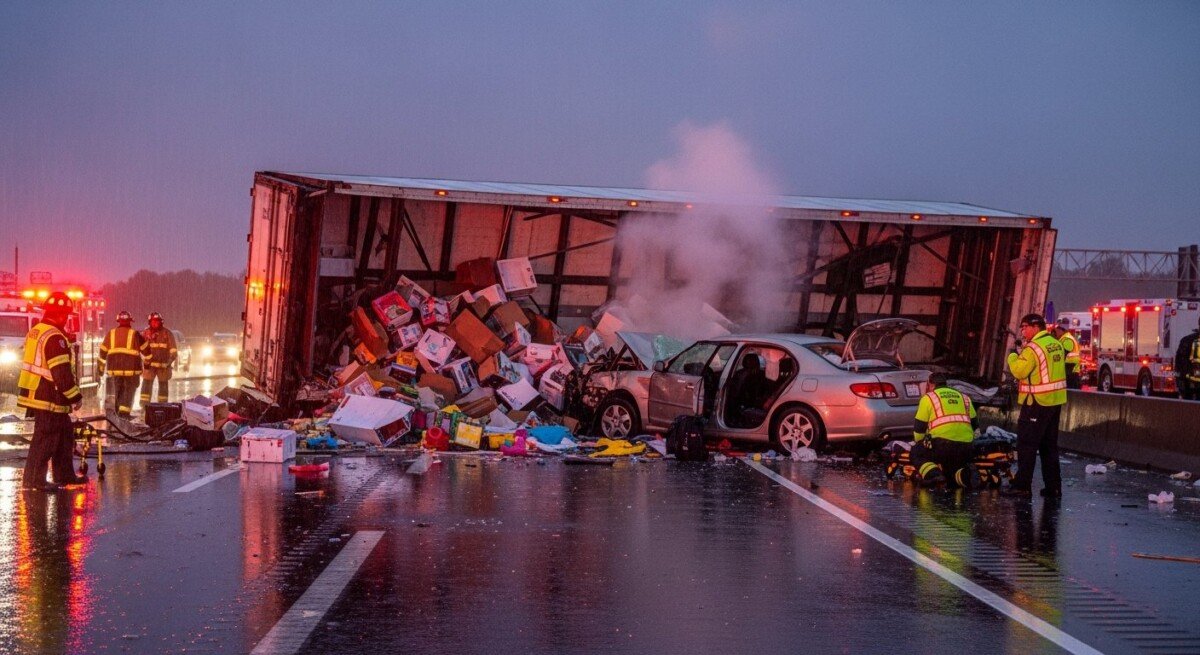
Truck accident claims are fundamentally different from standard car accident cases. The potential for catastrophic injury is higher, the web of liable parties is broader, and the laws governing the trucking industry are extensive. A commercial truck is not just a large vehicle, it is a piece of federally regulated industrial equipment operated by a driver and company that must adhere to strict rules on hours of service, maintenance, cargo loading, and training. When a crash occurs, investigators must look beyond simple driver error to factors like logbook violations, defective parts, improper maintenance, or negligent hiring practices. This complexity means evidence is both more critical and more perishable than in a typical wreck. The trucking company’s legal and insurance teams will begin building a defense immediately, often within hours of the crash. Your ability to secure a full and fair settlement hinges on understanding this landscape and responding with a strategic, informed approach from the very beginning.
Immediate Steps to Protect Your Claim After a Truck Crash
The actions you take in the first 24 to 72 hours can make or break your claim. Your priority is your health, but parallel steps must be taken to preserve evidence. First, always seek immediate medical attention, even if you feel “okay.” Adrenaline can mask serious injuries like internal bleeding or soft tissue damage, and a delay in treatment gives insurers an excuse to argue your injuries were not serious or were caused by something else. Second, if you are physically able, document the scene thoroughly. Use your phone to take photographs and videos from multiple angles, capturing vehicle positions, skid marks, road conditions, visible injuries, and all damage. Get contact information from any witnesses, as their independent accounts are invaluable. Third, be extremely cautious in your communications. Do not discuss fault or your injuries with anyone at the scene besides the police. Do not give a recorded statement to the trucking company’s insurance adjuster, who may call you surprisingly quickly. Their goal is to obtain information they can use to minimize or deny your claim. Politely decline and state you will be represented. For a broader understanding of the initial process, our resource on the personal injury claim process explained step by step offers a detailed roadmap.
Key Sources of Evidence in Truck Injury Cases
Building a strong truck injury claim is an exercise in evidence collection. Unlike a car accident, a commercial truck is a treasure trove of data and documentation regulated by federal law. An experienced attorney will know how to immediately subpoena and secure this evidence before it is lost, altered, or destroyed. Critical pieces of evidence include the Electronic Control Module (ECM), or “black box,” which records speed, braking, engine RPM, and seatbelt use in the moments before the crash. The driver’s logs, both paper and electronic, are crucial to prove violations of Hours of Service rules that lead to driver fatigue. Maintenance records can reveal a pattern of neglected repairs, and the driver’s personnel file can show a history of violations or inadequate training. Furthermore, the cargo loading manifest and bills of lading can indicate if overweight or improperly secured cargo contributed to the crash. Securing this evidence requires immediate legal action through a process called spoliation letters, which put the trucking company on formal notice to preserve all data. Without this, critical evidence can legally be erased in routine data cycles.
Why Free Initial Consultations Are a Vital Resource
One of the most important pieces of free truck injury claim advice is to take advantage of the free case evaluations offered by reputable personal injury law firms. This consultation is a no-risk opportunity to understand the true strength and potential value of your claim from a professional. During this meeting, an attorney will review the known facts of your case, explain the applicable laws, identify all potential defendants (which may include the driver, the trucking company, the cargo loader, the parts manufacturer, or others), and outline a strategic approach. They should also explain their fee structure, which in personal injury cases is almost always contingency-based, meaning you pay no attorney fees unless they win compensation for you. This meeting allows you to assess the attorney’s experience with truck cases specifically, ask critical questions, and decide if formal representation is right for you without any financial pressure. It is a crucial step in moving from confusion to a clear plan of action.
Common Pitfalls That Can Derail Your Recovery
Without proper guidance, injured victims often make well-intentioned mistakes that significantly reduce their compensation or even cause their claim to be denied entirely. Awareness of these pitfalls is a core component of effective free truck injury claim advice.
- Signing a Quick Settlement Offer: The insurer’s first offer is almost always a lowball attempt to close the case cheaply before the full extent of your injuries and future costs are known. Once you sign a release, you can never ask for more money, even if you need a second surgery.
- Posting on Social Media: Insurance investigators routinely scour claimants’ social media profiles for photos, comments, or check-ins they can misrepresent to argue your injuries are not as severe as claimed. The safest course is to set all profiles to private and refrain from posting anything about the accident or your recovery.
- Missing Medical Appointments: Gaps in treatment are cited by insurers as evidence that you have recovered. Attend all prescribed therapy sessions and follow your doctor’s orders meticulously to create a consistent medical record.
- Failing to Calculate Future Damages: A fair settlement must account for future medical care, lost earning capacity, and long-term pain and suffering. An attorney works with medical and economic experts to project these costs accurately, which individuals often underestimate.
Understanding the full timeline of a claim can help manage expectations about this process. For insight into what to expect, you can review information on how long personal injury claims take to settle.
How an Attorney Adds Value to Your Truck Injury Claim
While it is possible to handle a minor fender-bender on your own, the stakes in a truck injury case are too high to go without skilled representation. A lawyer specializing in this field does more than just fill out paperwork. They conduct a thorough, independent investigation, often hiring accident reconstruction experts to counter the trucking company’s version of events. They handle all communication with aggressive insurance adjusters and defense attorneys, shielding you from stress and tactical pressure. They identify all available insurance policies, including potentially large umbrella policies, to ensure maximum coverage. Perhaps most importantly, they know how to properly value your claim, factoring in not just current bills, but also intangible losses like physical pain, mental anguish, and loss of enjoyment of life. They build a compelling demand package and have the litigation experience and reputation to negotiate from a position of strength. If a fair settlement cannot be reached, they are prepared to take your case to trial. To understand the foundational steps they will take, our guide on how to file a personal injury claim details the procedural roadmap.
Frequently Asked Questions About Truck Injury Claims
How long do I have to file a truck injury lawsuit?
This is governed by the statute of limitations, which varies by state but is typically between one and three years from the date of the accident. It is imperative to consult an attorney immediately, as missing this deadline forever bars your right to sue.
What if I was partially at fault for the accident?
Many states use comparative negligence rules. This means your compensation may be reduced by your percentage of fault. In some states, you cannot recover if you are more than 50% or 51% at fault. An attorney can argue to minimize your assigned fault.
What types of damages can I recover?
You may be entitled to economic damages (medical expenses, lost wages, property damage) and non-economic damages (pain and suffering, emotional distress, loss of consortium). In rare cases involving egregious misconduct, punitive damages may be available to punish the wrongdoer.
What injuries typically result from truck accidents?
Given the force involved, injuries are often severe. Common ones include traumatic brain injury (TBI), spinal cord damage and paralysis, multiple fractures, internal organ damage, and severe disfigurement. For a detailed look, our article on what injuries qualify for a personal injury claim provides more context.
Who can be held liable in a truck accident case?
Liability can extend beyond the driver to the trucking company (under vicarious liability), the company that loaded the cargo, the manufacturer of a defective truck part, or even a government entity responsible for unsafe road design.
The aftermath of a truck accident is overwhelming, but informed action is your greatest tool. By seeking medical care, preserving evidence, avoiding common mistakes, and consulting with a qualified attorney, you shift from being a victim to being an advocate for your own recovery. The goal is not just a settlement, but the resources necessary to rebuild your life with security and dignity.