Building Owner Denies Fault: Your Legal Options
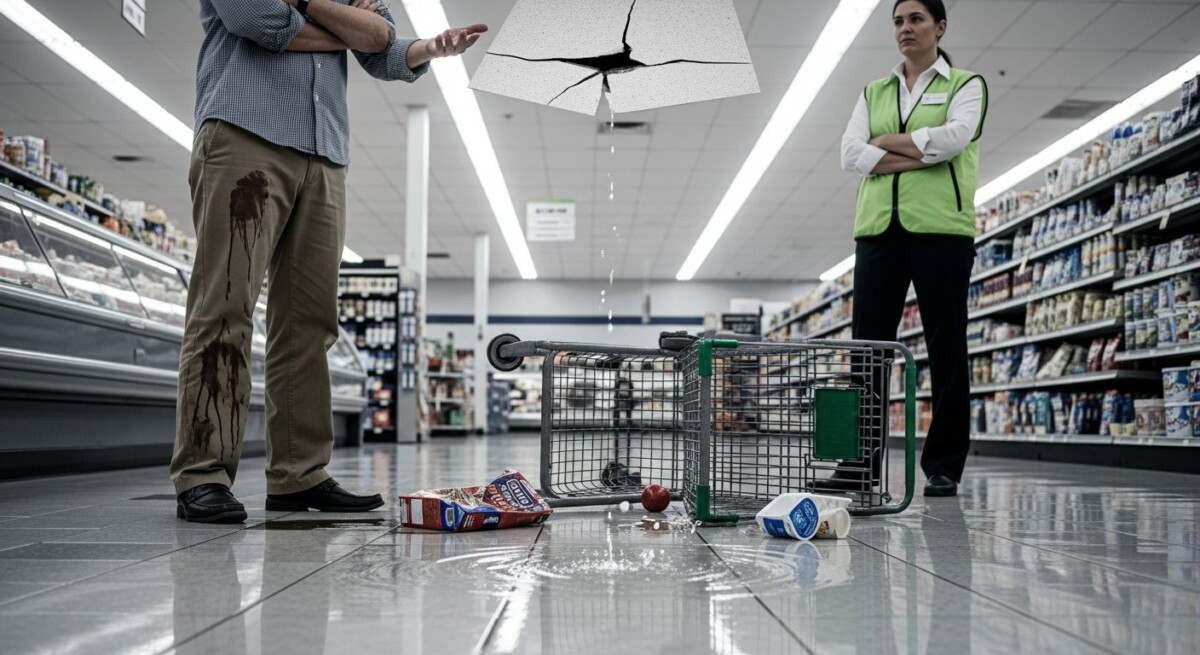
You slip on a wet floor in a grocery store, trip over broken pavement in a parking garage, or suffer an injury from a falling ceiling tile in an office building. You expect the building owner to take responsibility, but instead they deny any fault. This situation can feel frustrating and overwhelming, especially when medical bills start piling up. Understanding what happens if a building owner denies fault is the first step toward protecting your rights and securing the compensation you deserve.
Building owners and property managers have a legal duty to maintain safe premises for visitors, tenants, and customers. When they deny fault, they are essentially arguing that they did not breach that duty or that something else caused your injury. This denial does not end your case. It simply shifts the burden of proof onto you. With the right strategy and legal support, you can overcome this denial and hold the owner accountable. This article walks through the immediate steps to take, the legal framework that applies, common defenses owners use, and how to strengthen your claim when the other side refuses to accept responsibility.
Immediate Steps After a Building Owner Denies Fault
When a building owner or their insurance representative tells you they are not at fault, do not take that as a final answer. Their denial is often a standard initial response designed to limit their financial exposure. Your actions in the hours and days following the accident can make or break your ability to prove liability later.
First, document everything about the accident scene. Return to the location as soon as possible if it is safe to do so. Take clear photographs and videos of the hazardous condition that caused your injury. Capture wide shots that show the area in context, close-ups of the defect or spill, and any missing warning signs. If the hazard has been repaired or removed since your accident, look for evidence of the prior condition such as discoloration, cracks, or wear patterns. Also photograph your injuries, the surrounding environment, and any weather conditions that may have contributed to the incident.
Second, identify and interview witnesses. People who saw your accident can provide independent accounts of what happened. Collect their names, phone numbers, and email addresses. Ask them to describe what they observed in their own words. Witnesses who are not friends or family members carry more weight with insurance adjusters and juries. If the building owner denies fault, witness testimony can directly contradict their version of events.
Third, preserve all physical evidence. Do not throw away the shoes you were wearing, the clothing you had on, or any personal items damaged in the fall. Keep receipts for medical treatment, prescription medications, and any assistive devices like crutches or braces. If you were treated at an emergency room, request copies of your medical records and billing statements. This paper trail establishes the link between the accident and your injuries, which is critical when the owner disputes causation.
Fourth, report the incident to the building owner or manager in writing. Send a certified letter or email that describes the accident date, time, location, and the hazardous condition you encountered. Request that they preserve any surveillance footage, maintenance logs, or incident reports related to the area. Many building owners deny fault because they believe you have no evidence. A formal preservation request forces them to keep relevant records or risk sanctions in court later.
Legal Framework for Premises Liability Claims
To understand what happens if a building owner denies fault, you must first grasp the legal concept of premises liability. This area of law holds property owners responsible for injuries that occur on their land due to unsafe conditions. The specific rules vary by state, but the core principles remain consistent across the United States.
A building owner owes a duty of care to anyone lawfully on the property. The level of that duty depends on your legal status as a visitor. Invitees, such as customers in a store or guests at a hotel, receive the highest level of protection. The owner must regularly inspect the premises, discover dangerous conditions, and either fix them or warn visitors. Licensees, such as social guests or people on the property for their own purposes, are entitled to warnings about known hazards that are not obvious. Trespassers generally receive minimal protection unless the owner knows trespassers frequently enter the property and creates a hidden danger.
To succeed in a claim when the owner denies fault, you must prove four elements: duty, breach, causation, and damages. Duty means the owner had a legal obligation to keep the property safe. Breach means they failed to meet that obligation by allowing a dangerous condition to exist or failing to warn about it. Causation requires a direct link between the breach and your injury. Damages refer to the actual harm you suffered, including medical expenses, lost wages, pain and suffering, and other losses.
Building owners often deny fault by attacking one or more of these elements. They may argue that the hazard was open and obvious, that you were trespassing, that they had no prior notice of the condition, or that your own actions caused the accident. Each defense requires a different counter-strategy, which we explore in the next section.
Common Defenses Building Owners Use and How to Counter Them
When a building owner denies fault, they typically rely on a handful of standard defenses. Understanding these arguments helps you prepare evidence that neutralizes them before your case reaches a critical stage.
Defense 1: No Notice of the Hazard. Owners often claim they did not know about the dangerous condition and had no reasonable opportunity to fix it. This defense is common in slip-and-fall cases involving spills or debris. To counter this, look for evidence that the condition existed for a long time. Ask maintenance staff when they last inspected the area. Check for dust, dirt, or wear patterns that suggest the hazard was present for hours or days. Surveillance footage can show whether employees walked past the spill without cleaning it. If you can prove the owner knew or should have known about the hazard, their denial of fault weakens significantly.
Defense 2: Open and Obvious Condition. Some owners argue that the hazard was so visible that you should have seen and avoided it. This defense works best when the danger is truly obvious, such as a large puddle in the middle of a hallway on a sunny day. However, many hazards are not as obvious as owners claim. A patch of black ice on a dark parking lot, a loose handrail on a dim stairway, or a nearly invisible crack in a floor tile can all be hidden dangers. Photographs taken at the same time of day with similar lighting conditions can demonstrate how difficult the hazard was to see. Expert testimony from a safety engineer can also establish that the condition violated building codes or industry standards.
Defense 3: Comparative or Contributory Negligence. Owners frequently deny fault by arguing that you were partially or fully responsible for your own injury. They might claim you were distracted by your phone, walking too fast, or wearing inappropriate footwear. In states with comparative negligence rules, your compensation is reduced by your percentage of fault. In pure contributory negligence states, any fault on your part can bar recovery entirely. To counter this defense, gather evidence that shows you were acting reasonably. Witness statements, your own testimony, and any records of your behavior at the time can help. If the owner’s negligence was the primary cause of the accident, your own minor distraction should not eliminate your right to compensation.
Defense 4: Independent Contractor or Third-Party Responsibility. Building owners sometimes shift blame to a maintenance company, cleaning crew, or contractor who worked on the property. They argue that the third party created the hazard or failed to maintain the area. While this defense can complicate your case, it does not necessarily let the owner off the hook. Owners have a non-delegable duty to ensure the premises are safe. They cannot escape liability simply by hiring someone else. In many states, you can name both the owner and the contractor as defendants, forcing them to sort out responsibility between themselves. This strategy often pressures the owner to settle rather than face a lengthy dispute with another party.
For a deeper look at how fault denial plays out in related scenarios, see our guide on Dog Owner Denies Responsibility: Your Legal Options, which covers similar defense patterns and counter-strategies.
How to Build a Strong Case When Fault Is Disputed
When a building owner denies fault, the quality of your evidence determines whether your claim succeeds or stalls. A strong case requires more than just your word against theirs. You need a systematic approach to gathering proof that leaves no room for doubt.
Start by collecting all incident reports filed with the building management, security office, or property manager. These reports often contain early statements from employees that can contradict later denials. If the owner claims they had no notice of the hazard, but a security guard wrote in a log that they saw the spill an hour before your accident, that report becomes powerful evidence. Request these documents in writing as soon as possible, before they disappear or get altered.
Medical documentation is equally critical. Visit a doctor immediately after your injury, even if you feel fine. Some injuries, such as concussions, herniated discs, or internal bleeding, take hours or days to produce symptoms. A prompt medical exam creates a baseline record that ties your injuries to the accident. Follow your doctor’s treatment plan without gaps. If the building owner’s insurance company sees that you missed appointments or stopped physical therapy, they will argue that your injuries are not serious or that you failed to mitigate damages. Consistent treatment shows that you are taking your recovery seriously and strengthens your claim for ongoing medical costs.
Expert witnesses can provide testimony that directly challenges the owner’s denial of fault. A safety engineer can inspect the property and testify that the condition violated building codes or industry standards. A medical expert can explain how the accident caused your specific injuries and why they require long-term care. An economist can calculate your lost earning capacity and future medical expenses. While hiring experts costs money upfront, their testimony often forces insurance companies to offer higher settlements.
Do not underestimate the power of a thorough timeline. Create a written account of everything you remember about the accident, starting from the moment you entered the building. Note the time, weather, lighting, your activities, and any conversations you had before and after the fall. Include details about the hazard itself, such as its size, color, location, and any warnings that were missing. A detailed timeline helps your attorney identify inconsistencies in the owner’s story and strengthens your credibility during settlement negotiations or trial.
Working With an Attorney After a Fault Denial
Facing a building owner who denies fault without legal representation is a serious mistake. Insurance companies have teams of adjusters, lawyers, and investigators whose job is to minimize payouts. They will use your lack of experience against you, pressuring you to accept lowball offers or tricking you into making statements that undermine your case. An experienced premises liability attorney levels the playing field.
Your attorney will handle all communication with the building owner’s insurance company. This prevents you from accidentally saying something that can be used against you later. They will also conduct their own investigation, subpoenaing surveillance footage, maintenance records, and employee training manuals. Many building owners deny fault only to discover that their own documents prove negligence. An attorney knows exactly what records to request and how to interpret them.
When the owner continues to deny fault, your attorney can file a lawsuit. The threat of litigation often motivates insurance companies to negotiate seriously. In our article on Dog Owner Denies Responsibility: Your Legal Options, we explain how similar denial patterns play out in other liability contexts. The same principles apply to building owner disputes: persistence, evidence, and legal leverage are your greatest assets.
Most premises liability attorneys work on a contingency fee basis, meaning you pay nothing unless they win your case. This arrangement allows you to pursue justice without worrying about hourly legal fees. Your attorney will advance the costs of investigation, expert witnesses, and court filings, deducting those expenses from your final settlement or verdict. This fee structure aligns your lawyer’s interests with yours, ensuring they fight aggressively for the maximum compensation.
Frequently Asked Questions
What should I do if the building owner denies fault immediately after my accident?
Stay calm and do not argue with the owner or their staff. Focus on documenting the scene, gathering witness information, and seeking medical treatment. Report the denial to your attorney and let them handle all further communication. Your priority is preserving evidence, not convincing the owner to change their mind.
Can I still win my case if there are no witnesses?
Yes. Many successful premises liability cases rely on physical evidence, surveillance footage, maintenance records, and expert testimony. Witnesses are helpful but not required. A skilled attorney can build a compelling case using circumstantial evidence and the owner’s own documents.
How long do I have to file a lawsuit after a building owner denies fault?
Each state sets a statute of limitations for premises liability claims, typically between one and four years from the date of injury. Missing this deadline bars you from ever filing a lawsuit. Contact an attorney immediately to determine the deadline in your state and ensure your claim is preserved.
Will the building owner’s insurance company offer a fair settlement after denying fault?
Rarely. Insurance companies deny fault to avoid paying anything. If they eventually offer a settlement, it is often far below the true value of your claim. Do not accept any offer without consulting an attorney. A lawyer can evaluate the offer, calculate your full damages, and negotiate for a fair amount.
What happens if the building owner blames a maintenance company instead of accepting fault?
This is a common tactic that does not necessarily hurt your case. Your attorney can name both the owner and the maintenance company as defendants. The two parties may then point fingers at each other, which can actually strengthen your position. In many cases, the threat of a joint defense or cross-claims prompts one or both defendants to settle.
Final Thoughts on Building Owner Fault Denials
When a building owner denies fault, it feels like a dead end. In reality, it is just the beginning of a legal process that requires patience, evidence, and skilled representation. The owner’s denial is not a verdict on your case. It is a tactic designed to discourage you from pursuing your rights. By documenting the scene, preserving evidence, and working with an experienced attorney, you can overcome that denial and hold the owner accountable for the harm they caused. Do not let a denial stop you from seeking the compensation you need to recover and move forward.
If you are dealing with a building owner who denies fault and you need guidance on your next steps, reach out to a qualified premises liability attorney. They can evaluate your case, explain your options, and fight for the justice you deserve. Your health and financial stability are too important to leave in the hands of an insurance company that puts profits before people.