Can I Claim Injury From Elevator Malfunction? Legal Guide
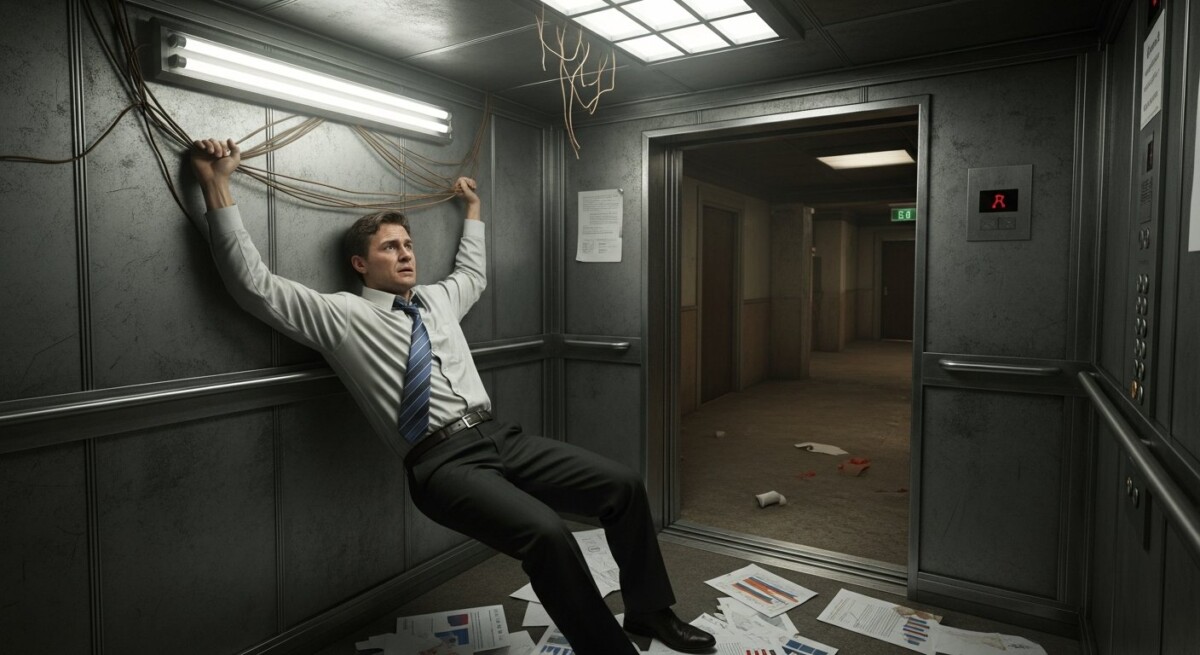
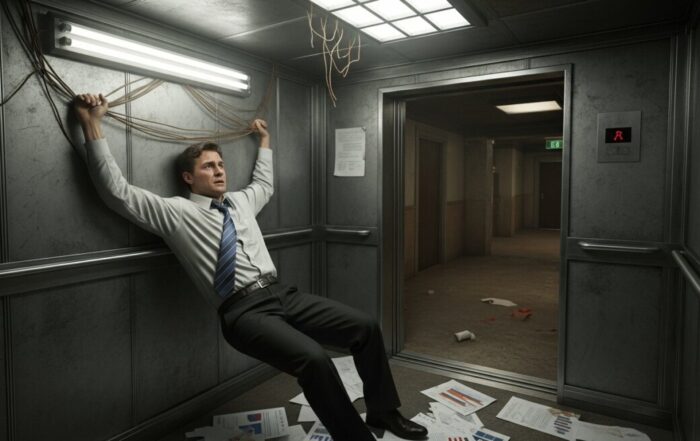
Elevator malfunctions can cause serious injuries, from sudden drops and entrapment to door malfunctions and crushing incidents. If you have been hurt in an elevator accident, you may be wondering: can I claim injury from elevator malfunction? The short answer is yes, but the path to compensation depends on who owned or maintained the elevator, how the accident happened, and what legal theories apply. This guide explains your rights, the types of claims available, the evidence you need, and how to protect your case from the start.
Understanding Elevator Malfunction Injuries
Elevators are complex machines with cables, brakes, sensors, doors, and control systems. When any component fails, the results can be catastrophic. Common injuries include spinal cord damage, fractures, head trauma, soft tissue injuries, and crush injuries. Falls caused by misleveling or sudden stops often lead to broken bones and back injuries. Door malfunctions can trap limbs or crush fingers. In severe cases, a free fall or uncontrolled descent can cause fatal injuries.
The question of whether you can claim injury from elevator malfunction hinges on proving that someone else’s negligence or a defective product caused the accident. Elevator owners, building managers, maintenance companies, and manufacturers each have a duty to ensure the elevator operates safely. When they breach that duty and you are harmed, you have a legal right to seek compensation.
Who Is Liable for an Elevator Accident?
Liability in elevator malfunction cases is not always straightforward. Multiple parties may share responsibility. Identifying the correct defendant or defendants is critical to a successful claim. Here are the most common potentially liable parties:
- Building Owner or Property Manager: They have a duty to keep common areas, including elevators, reasonably safe. This includes regular inspections, prompt repairs, and posting warning signs if an elevator is out of service.
- Elevator Maintenance Company: Under a service contract, maintenance companies must perform routine checks and repairs according to industry standards. If they skip inspections, ignore known problems, or use improper parts, they may be liable.
- Elevator Manufacturer: If a design defect or manufacturing flaw caused the malfunction (for example, faulty brake cables or defective sensors), the manufacturer can be held strictly liable under product liability law.
- Installation Company: Improper installation can lead to misalignment, loose cables, or faulty wiring. The installer may be responsible for resulting injuries.
- Government Entity: If the elevator is in a public building, like a courthouse or transit station, a government entity may own it. Special rules and shorter filing deadlines apply to claims against government defendants.
In many cases, more than one party shares fault. For example, a building owner might fail to report recurring problems, and the maintenance company might ignore scheduled inspections. Your attorney will investigate all potential defendants to maximize your recovery.
Legal Theories for Elevator Malfunction Claims
When asking can I claim injury from elevator malfunction, you must understand the legal basis for your case. Most claims fall under one or more of these theories:
Negligence
Negligence is the most common theory. To succeed, you must prove four elements: (1) the defendant owed you a duty of care, (2) the defendant breached that duty, (3) the breach caused the accident, and (4) you suffered damages. For example, if a building manager knew the elevator doors were sticking but did not call for repairs, and the doors slammed shut on your arm, the manager likely breached their duty.
Premises Liability
Premises liability holds property owners and occupiers responsible for dangerous conditions on their property. Elevators are considered part of the premises. If the building owner failed to maintain the elevator or warn you of a known hazard, they may be liable for your injuries. This theory overlaps with negligence but focuses specifically on the property condition.
Product Liability
If the elevator malfunction was caused by a defective design, manufacturing error, or failure to warn (for example, no instructions about weight limits), you may have a product liability claim against the manufacturer. These claims do not require proof of negligence; you only need to show that the product was defective and the defect caused your injury.
Res Ipsa Loquitur
In some rare but compelling cases, the accident speaks for itself. If an elevator suddenly drops without any explanation, and the elevator was under the exclusive control of the building or maintenance company, the doctrine of res ipsa loquitur may apply. This shifts the burden to the defendant to explain what happened, making it easier for you to prove negligence.
Evidence Needed to Prove Your Claim
To successfully answer can I claim injury from elevator malfunction, you must gather strong evidence. The more evidence you have, the stronger your case. Key evidence includes:
- Incident Report: If the building has a security log or incident report, request a copy immediately. Do not rely on them to provide it later; ask for it in writing.
- Photographs and Video: Take photos of the elevator interior, the floor where it stopped, any warning signs (or lack thereof), and your visible injuries. If security cameras captured the incident, ask that the footage be preserved.
- Maintenance Records: These documents show whether the elevator was inspected regularly, what repairs were performed, and whether any prior problems were reported. Missing or incomplete records can be a red flag of negligence.
- Witness Statements: Get names and contact information of anyone who saw the accident or heard unusual noises from the elevator before the malfunction. Their testimony can corroborate your account.
- Medical Records: Document every injury and treatment. This includes emergency room visits, follow-up appointments, imaging scans, physical therapy, and prescriptions. Medical records link your injuries to the accident and quantify your damages.
- Expert Reports: An elevator engineer or safety expert can inspect the elevator, analyze the cause of the malfunction, and provide a professional opinion about what went wrong. This is often the most persuasive evidence at trial.
Preserve all evidence as soon as possible. Elevator malfunctions are often repaired quickly, and maintenance records may be altered or lost. Acting promptly protects your case.
Damages You Can Recover
If you prevail in your claim, you can recover both economic and non-economic damages. Economic damages cover tangible losses like medical bills (past and future), lost wages, reduced earning capacity, and out-of-pocket expenses. Non-economic damages compensate for pain and suffering, emotional distress, loss of enjoyment of life, and permanent disability. In rare cases involving gross negligence or reckless disregard for safety, punitive damages may also be awarded to punish the defendant and deter similar conduct.
The amount of compensation depends on the severity of your injuries, the strength of the evidence, the insurance policy limits, and the jurisdiction where you file. An experienced attorney can help you calculate a fair settlement demand or trial verdict range.
Statute of Limitations and Filing Deadlines
Every state imposes a time limit, called the statute of limitations, for filing personal injury lawsuits. For elevator accidents, this is typically between one and three years from the date of the injury. If the defendant is a government entity, the deadline may be much shorter, sometimes as little as 90 days. Missing the deadline means you lose your right to sue forever, regardless of how strong your case is.
Because deadlines vary by state and depend on who the defendant is, you should consult with an attorney as soon as possible after the accident. Do not wait to see if your injuries heal. Your attorney will ensure all paperwork is filed on time.
How an Attorney Can Help
Navigating an elevator malfunction claim on your own is risky. Insurance companies have teams of lawyers and adjusters working to minimize payouts. An experienced personal injury attorney can level the playing field by investigating the accident, preserving evidence, dealing with insurance companies, and negotiating a fair settlement. If a settlement cannot be reached, your attorney can file a lawsuit and represent you at trial.
Most personal injury attorneys work on a contingency fee basis, meaning you pay nothing upfront and the attorney only gets paid if you recover compensation. This arrangement makes legal representation accessible even if you are facing medical bills and lost income.
Frequently Asked Questions
Can I claim injury from elevator malfunction if I was partially at fault?
Yes, in most states you can still recover compensation even if you were partly at fault. Under comparative negligence rules, your recovery is reduced by your percentage of fault. For example, if you are found 20% at fault and your damages are $100,000, you would receive $80,000. A few states with pure contributory negligence may bar recovery if you are even 1% at fault, so consult an attorney to understand your state’s rule.
Do I need to prove the elevator was defective?
Not necessarily. You can also prove that the building owner or maintenance company was negligent in maintaining the elevator. Product liability is just one path to recovery. An attorney will evaluate all possible theories based on the facts of your case.
How long does an elevator malfunction claim take to resolve?
It depends on the complexity of the case, the severity of injuries, and whether the case settles or goes to trial. Simple cases may settle in a few months, while complex litigation can take a year or more. Your attorney can give you a realistic timeline based on your specific circumstances.
What if the elevator was in a residential building?
The same legal principles apply. The building owner or property manager owes a duty to residents and guests to keep the elevator safe. You can still file a claim if you were injured in a residential elevator.
Can I sue if the elevator malfunction was caused by a power outage?
If the power outage was foreseeable and the building failed to have backup systems or emergency protocols, you may have a claim. However, if the power outage was an unforeseeable act of nature, liability may be limited. An attorney can help determine whether negligence played a role.
For more detailed guidance on similar injury claims, see our articles on falling ceiling collapse claims, pedestrian accident claims, falling object injury claims, and defective product injury claims.
Final Thoughts
If you have been injured in an elevator malfunction, you have the right to seek compensation. The question can I claim injury from elevator malfunction depends on the facts of your case, but with proper evidence and legal representation, many victims successfully recover damages for medical expenses, lost income, and pain and suffering. Do not delay. Contact a qualified personal injury attorney to evaluate your case and protect your rights. The sooner you act, the better your chances of a full recovery.