What If Maintenance Was Ignored: Hidden Dangers
Every day, millions of drivers get behind the wheel without a second thought about their vehicle’s condition. Oil changes are postponed. Warning lights are ignored. Strange noises are turned up on the radio. This casual neglect might seem harmless in the moment, but the reality is far more dangerous. When routine upkeep is overlooked, the consequences cascade from minor inconvenience to catastrophic failure. Understanding what if maintenance was ignored can save not just money, but lives.
The Domino Effect of Deferred Vehicle Care
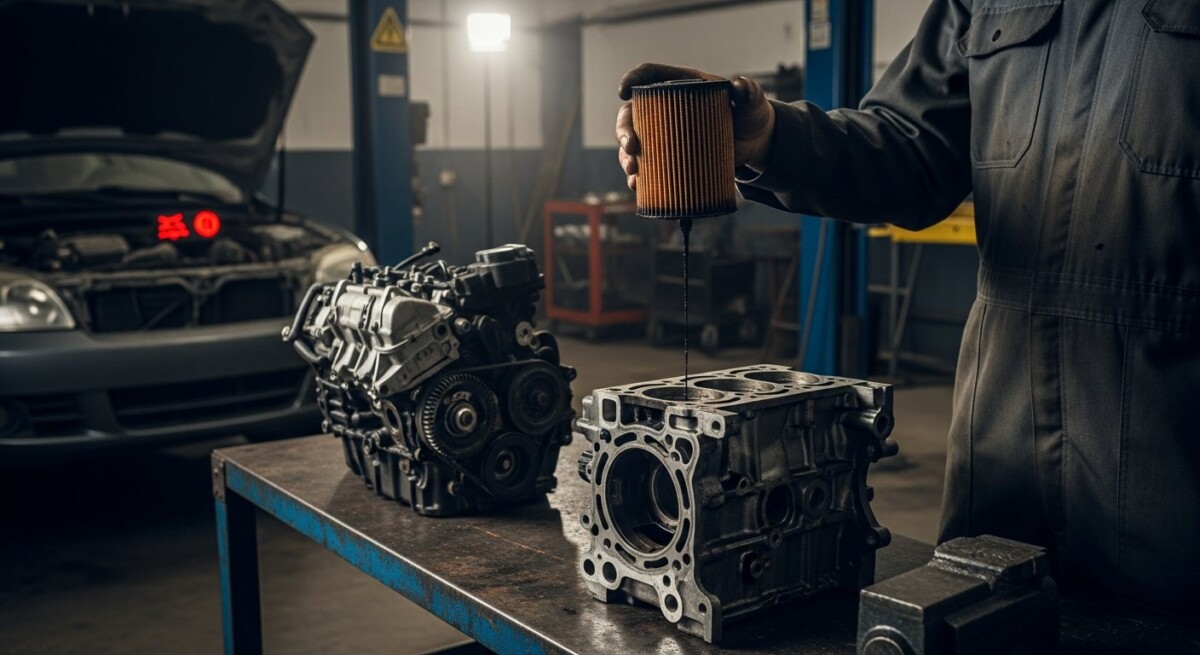
Neglecting maintenance does not create a single point of failure. Instead, it sets off a chain reaction where one small problem accelerates the deterioration of surrounding components. For example, skipping an oil change allows sludge to build up, which starves the engine of lubrication. That leads to overheating, warped cylinders, and eventually a seized engine. A repair that cost $50 for an oil change becomes a $5,000 engine replacement.
The same principle applies to transmission fluid, coolant, and brake fluid. Each fluid has a specific service interval for a reason. When those intervals pass without attention, the fluid breaks down, loses its protective properties, and allows metal-on-metal contact. This is not a hypothetical risk. Mechanic shops routinely see vehicles with over 100,000 miles that have never had a transmission fluid change. The result is slipping gears, hard shifting, and eventual transmission failure. In our guide on when safety rules are ignored, we explain how deferring maintenance mirrors the same pattern of escalating consequences.
Brake System Failure: A Life-or-Death Gamble
Brakes are the single most critical safety system on any vehicle. Yet brake pads, rotors, and fluid are frequently ignored until the driver hears grinding or feels a pulsating pedal. By that point, significant damage has already occurred. Worn brake pads score the rotors, requiring replacement instead of resurfacing. Low brake fluid can allow air into the lines, causing a spongy pedal and reduced stopping power.
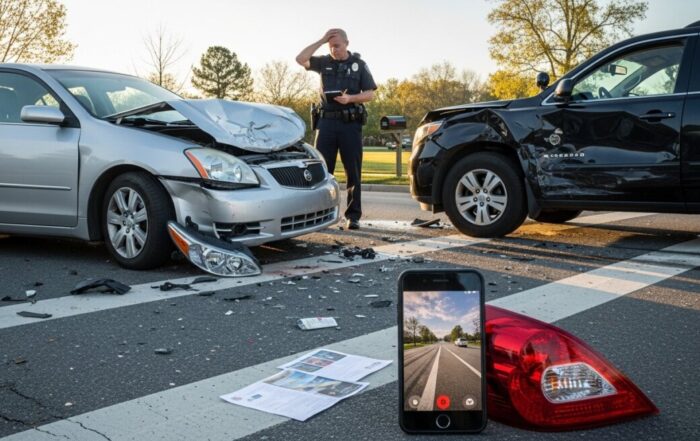
Real-world examples show the stakes. A driver who ignored a brake warning light for two months found themselves unable to stop at a busy intersection. The resulting collision caused multiple injuries and a lawsuit that exceeded $250,000 in damages. Had the driver replaced the $100 brake pads on time, the accident never happens. This is not an isolated incident. The National Highway Traffic Safety Administration (NHTSA) estimates that brake-related failures contribute to approximately 300,000 crashes annually in the United States.
Key Brake Maintenance Intervals
To keep brakes functioning properly, follow these general guidelines based on typical driving conditions:
- Brake pad inspection every 10,000 miles or annually
- Brake fluid replacement every 30,000 miles or two years
- Rotor resurfacing or replacement at every second brake pad change
- Full brake system flush at 60,000 miles
These intervals may vary based on driving habits and vehicle type. Towing, stop-and-go traffic, and mountainous terrain all accelerate wear. Ignoring these markers puts the driver, passengers, and everyone on the road at risk. When brake failure leads to an accident, the legal and financial fallout can be devastating. Many victims of such crashes seek help through platforms like FreeLegalCaseReview.com to understand their rights and connect with experienced attorneys.
Tire Neglect: More Than a Flat
Tires are the only contact point between a vehicle and the road. Yet tire maintenance is one of the most overlooked aspects of vehicle care. Low tire pressure increases rolling resistance, reduces fuel economy, and causes premature wear on the outer edges. Overinflated tires wear out the center tread and reduce traction. Both conditions increase the risk of a blowout, especially at highway speeds.
A blowout at 70 mph is terrifying and often leads to loss of control. The vehicle can swerve into other lanes, roll over, or strike a barrier. Statistics from the NHTSA show that tire-related crashes cause over 700 fatalities each year. Many of these crashes could be prevented with simple monthly pressure checks and regular rotation every 6,000 miles. Tread depth is equally important. Bald tires cannot channel water away, leading to hydroplaning in wet conditions. Drivers who ignore these signs are gambling with their safety and the safety of others.
Engine and Transmission: The Costly Consequences
The engine and transmission are the two most expensive components in any vehicle. Together, they can cost $10,000 or more to replace. Yet many drivers neglect the basic maintenance that keeps these systems running. The timing belt is a prime example. Most manufacturers recommend replacing the timing belt between 60,000 and 100,000 miles. If it breaks, the engine can suffer catastrophic internal damage. Pistons collide with valves, bending them and destroying the cylinder head. A $500 timing belt job becomes a $4,000 engine rebuild.
Transmission neglect follows a similar pattern. Automatic transmissions rely on pressurized fluid to shift gears. When the fluid is old or low, the transmission slips, overheats, and eventually fails. A rebuilt transmission costs between $1,500 and $4,000 depending on the vehicle. Routine fluid changes cost around $150. The math is simple, yet many drivers choose to ignore the maintenance until it is too late. This pattern of neglect is explored further in our analysis of the real cost of recklessness, where we break down how small savings lead to massive expenses.
Cooling System Failure: Overheating and Beyond
The cooling system regulates engine temperature. When it fails, the engine overheats quickly. A blown head gasket, warped cylinder head, or cracked engine block can result. Coolant leaks from hoses, radiators, or water pumps are common but often ignored. Drivers top off the coolant instead of fixing the leak. This temporary fix masks a growing problem. Eventually, the leak worsens, the system loses pressure, and the engine temperature spikes.
Overheating can happen in minutes. Once the engine reaches critical temperature, metal components expand and seize. The repair bill for an overheated engine often exceeds the vehicle’s value. Routine cooling system maintenance includes flushing the coolant every 30,000 miles, inspecting hoses for cracks, and checking the radiator cap. These simple steps take less than an hour but can prevent thousands of dollars in damage.
Legal and Financial Implications of Ignored Maintenance
When a neglected vehicle causes an accident, the legal consequences extend beyond the driver. If the accident injures others, the driver can be held liable for medical expenses, lost wages, pain and suffering, and property damage. Insurance companies investigate maintenance records. If they find evidence of neglect, they may deny coverage or limit payouts. In some states, failure to maintain a vehicle properly can be considered negligence per se, making it easier for injured parties to win a lawsuit.
Victims of accidents caused by poorly maintained vehicles have legal options. They can file a personal injury claim against the at-fault driver. They may also be eligible for compensation through their own insurance if the other driver is uninsured or underinsured. Understanding these options is critical. Many people are unaware that ignored maintenance can shift liability in unexpected ways. For example, if a rental car company fails to maintain its fleet, it can be held responsible for accidents caused by mechanical failure. The same applies to commercial trucks and fleet vehicles.
Beyond Vehicles: Home and Appliance Maintenance
The consequences of ignored maintenance are not limited to cars. Homes and appliances suffer the same fate. A small roof leak ignored for months can lead to mold, structural rot, and electrical damage. The repair cost multiplies tenfold. A water heater that is never flushed builds up sediment, reduces efficiency, and eventually bursts, flooding the basement. The average water heater replacement costs $1,000. Flood damage from a burst heater can exceed $10,000.
HVAC systems also require regular maintenance. Dirty filters reduce airflow, causing the system to work harder and wear out faster. Refrigerant leaks go unnoticed until the system stops cooling entirely. A $200 maintenance visit can prevent a $5,000 replacement. The principle is universal: small, consistent investment in upkeep prevents large, sudden expenses. This is why home inspectors and insurance agents emphasize routine maintenance. They have seen the aftermath of neglect firsthand.
Frequently Asked Questions
What happens if I skip an oil change for 10,000 miles?
Old oil becomes thick and sludgy, reducing lubrication. Engine components wear faster, and the engine may overheat. In severe cases, the engine seizes and requires replacement.
Can ignoring a check engine light cause permanent damage?
Yes. The check engine light can indicate anything from a loose gas cap to a failing catalytic converter. Ignoring it allows minor issues to become major repairs. A misfire, for example, can damage the catalytic converter, costing over $1,000 to replace.
How often should I replace my tires?
Tires should be replaced when tread depth reaches 2/32 of an inch. Most tires last between 40,000 and 60,000 miles. Regular rotation and alignment extend tire life.
Is it worth fixing a transmission fluid leak?
Absolutely. A small leak can be repaired for under $200. Ignoring it leads to low fluid levels, overheating, and transmission failure. Replacement costs thousands.
What legal recourse do I have if a neglected vehicle hits me?
You can file a personal injury claim against the driver. You may also claim against their insurance. If the vehicle was a commercial truck, the company may be liable. Contacting a legal referral service like FreeLegalCaseReview.com can help you find an attorney who handles these cases.
Understanding what if maintenance was ignored helps drivers, homeowners, and businesses make smarter decisions. The cost of neglect is not just monetary. It includes time, safety, and peace of mind. Routine maintenance is an investment in reliability and protection. Whether it is an oil change, a brake inspection, or a roof repair, addressing small issues early prevents large disasters. For those who have already suffered the consequences of someone else’s neglect, legal help is available. The path to recovery starts with a single call.