When Safety Rules Are Ignored: The Real Cost of Recklessness

Imagine stepping onto a construction site where no one wears a hard hat. Picture a factory floor with no guardrails, no emergency shutoffs, and no training on hazardous materials. Now consider a hospital where staff skip handwashing and ignore patient identification protocols. These scenarios are not just unsettling. They are catastrophic. Safety rules exist to protect us from harm, and when they are deliberately or carelessly ignored, the consequences ripple far beyond the immediate victim. The question of what if safety rules were ignored is not a hypothetical exercise. It is a daily reality in workplaces, roadways, and public spaces where corners are cut, budgets are squeezed, and human life is undervalued. Ignoring safety rules does not just increase risk. It guarantees harm, erodes trust, and invites legal and financial devastation.
Safety regulations in the United States are enforced by agencies like OSHA (Occupational Safety and Health Administration), the NHTSA (National Highway Traffic Safety Administration), and the FDA (Food and Drug Administration). These rules are written in blood. Each regulation is a response to a preventable tragedy. When we ask what if safety rules were ignored, we are really asking how many lives and livelihoods we are willing to sacrifice for convenience or profit. The answer is clear. No amount of time saved or money earned is worth a single injury or death. This article explores the real-world consequences of ignoring safety rules across different settings, the legal ramifications, the role of negligence in personal injury and mass tort cases, and what victims can do when safety failures leave them harmed.
The Domino Effect of Ignoring Workplace Safety Rules
Workplace accidents are a leading cause of injury and death in the United States. According to the Bureau of Labor Statistics, over 5,000 workers die on the job each year, and millions more suffer non-fatal injuries. Many of these incidents share a common root. Safety rules were ignored. When an employer fails to provide fall protection, a worker plummets from a scaffolding. When a chemical plant bypasses ventilation standards, employees inhale toxic fumes. When a warehouse skips fire drill training, a small spark becomes an inferno.
The consequences are not limited to the injured worker. Families lose breadwinners. Companies face fines, lawsuits, and reputational damage. The broader community may suffer environmental contamination or loss of essential services. For example, the 2013 West Fertilizer Company explosion in Texas killed 15 people and destroyed a neighborhood. Investigators found that the company had ignored safety rules regarding the storage of ammonium nitrate. The result was a disaster that could have been prevented.
When safety rules are ignored in the workplace, the legal system often steps in to hold negligent parties accountable. Victims and their families may pursue workers’ compensation claims, personal injury lawsuits, or wrongful death actions. In cases involving gross negligence, punitive damages may be awarded to punish the wrongdoer and deter future violations. This is where platforms like FreeLegalCaseReview.com become essential. They connect injured workers with experienced attorneys who understand the complexities of workplace safety law and can help victims seek the compensation they deserve.
Road Safety: When Traffic Rules Are Abandoned
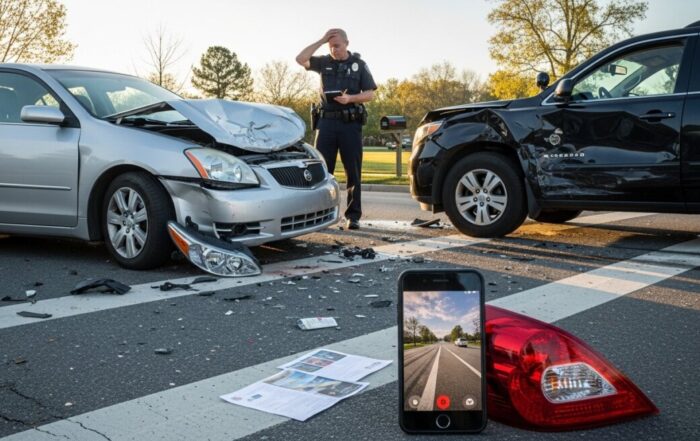
Every day, millions of Americans get behind the wheel. Most follow traffic laws without thinking. But what if safety rules were ignored on the road? The answer is visible in the statistics. Speeding, distracted driving, drunk driving, and failure to use seatbelts are among the leading causes of traffic fatalities. The National Highway Traffic Safety Administration reports that over 42,000 people died in motor vehicle crashes in 2022 alone. A significant portion of these deaths could have been prevented if safety rules had been followed.
Consider the simple act of wearing a seatbelt. It is a rule backed by decades of research. Seatbelts reduce the risk of fatal injury by 45% for front-seat passengers. Yet some drivers and passengers still ignore this rule. The result is ejections, traumatic brain injuries, and deaths that should not have happened. Similarly, speed limits are not arbitrary numbers. They are calculated based on road design, traffic patterns, and pedestrian activity. Exceeding them reduces reaction time and increases stopping distance, turning a manageable hazard into a deadly collision.
When a driver ignores safety rules and causes an accident, the legal consequences can be severe. Victims of negligent driving may file auto accident claims to recover medical expenses, lost wages, pain and suffering, and other damages. In cases involving commercial trucking, the stakes are even higher. Trucking companies that violate hours-of-service regulations or skip vehicle inspections can be held liable for catastrophic crashes. FreeLegalCaseReview.com provides a free case evaluation service for accident victims, helping them understand their legal options and connect with attorneys who specialize in auto accident claims.
Product Safety: The Hidden Dangers of Ignored Regulations
Consumers trust that the products they buy are safe. This trust is built on a foundation of safety rules enforced by agencies like the Consumer Product Safety Commission (CPSC) and the FDA. But when manufacturers ignore these rules, the results can be devastating. Defective airbags, contaminated medications, faulty medical devices, and toxic children’s toys are just a few examples of product safety failures that have caused widespread harm.
One of the most notorious examples is the Takata airbag recall. Takata Corporation ignored safety rules related to the chemical propellant in its airbag inflators. Over time, the propellant degraded and caused the inflators to explode with excessive force, sending shrapnel into vehicle cabins. The defect was linked to at least 27 deaths and hundreds of injuries worldwide. The recall affected over 67 million airbags in the United States alone. Takata filed for bankruptcy, and victims received compensation through a class action settlement. But the human cost cannot be measured in dollars.
What if safety rules were ignored in the pharmaceutical industry? The opioid crisis offers a grim answer. For years, drug manufacturers downplayed the addictive risks of prescription painkillers, ignoring safety regulations and marketing guidelines. The result was a public health emergency that has claimed hundreds of thousands of lives. Victims and their families have pursued mass tort litigation against companies like Purdue Pharma, Johnson & Johnson, and others. These cases highlight the importance of holding corporations accountable when they prioritize profit over safety.
If you or a loved one has been harmed by a defective product or a dangerous drug, you may be entitled to compensation. FreeLegalCaseReview.com offers a confidential, no-obligation case evaluation to help you understand your rights and find a qualified mass tort attorney who can represent your interests.
The Legal Framework for Safety Rule Violations
When safety rules are ignored, the legal system provides several avenues for recourse. The specific remedy depends on the nature of the violation, the relationship between the parties, and the extent of the harm. Understanding these options is critical for anyone who has been injured due to another’s negligence.
Negligence Claims
Negligence is the most common legal theory in personal injury cases. To prove negligence, a plaintiff must show that the defendant owed a duty of care, breached that duty by ignoring safety rules, and caused the plaintiff’s injuries as a direct result. For example, a property owner who fails to fix a broken staircase has breached the duty of care owed to visitors. If a guest falls and breaks a leg, the owner may be liable for medical bills and other damages.
Products Liability
When a product is defectively designed, manufactured, or marketed, the manufacturer, distributor, or retailer may be held liable under products liability law. This area of law does not always require proof of negligence. In some cases, strict liability applies, meaning the plaintiff only needs to show that the product was defective and caused harm. This is particularly relevant in mass tort cases involving dangerous drugs or medical devices.
Wrongful Death
If a safety rule violation results in a death, the victim’s family may file a wrongful death lawsuit. These claims seek compensation for funeral expenses, lost income, loss of companionship, and emotional suffering. Each state has its own rules about who can file and what damages are available.
Workers’ Compensation
For workplace injuries, workers’ compensation laws provide a no-fault system. Injured employees receive medical benefits and partial wage replacement regardless of who caused the accident. However, workers’ compensation generally bars employees from suing their employers for negligence. There are exceptions for intentional harm or gross negligence.
Navigating these legal complexities can be overwhelming, especially while recovering from an injury. That is why FreeLegalCaseReview.com exists. The platform’s patented attorney selection process identifies top legal professionals who specialize in the type of case you have, ensuring that you get the best possible representation.
Why People Ignore Safety Rules and How to Change That
Understanding why people ignore safety rules is the first step toward preventing violations. Common reasons include:
- Complacency: When nothing bad has happened before, people assume it never will. This false sense of security leads to shortcuts and risk-taking.
- Time pressure: Deadlines and production quotas often incentivize workers and managers to skip safety steps. The immediate reward of finishing faster outweighs the abstract risk of an accident.
- Lack of training: Without proper education on safety procedures and their importance, employees may not understand the risks or know the correct protocols.
- Inadequate enforcement: If safety rules are not consistently enforced, they become optional. Workers notice when violations go unpunished and adjust their behavior accordingly.
- Cost concerns: Implementing safety measures can be expensive. Some businesses choose to cut corners rather than invest in protective equipment, training, or maintenance.
Changing this culture requires a multi-pronged approach. Employers must prioritize safety from the top down, modeling good behavior and rewarding compliance. Regular training and drills keep safety top of mind. Transparent reporting systems encourage workers to report hazards without fear of retaliation. And when violations do occur, consistent enforcement sends a clear message that safety is non-negotiable.
On an individual level, everyone has a role to play. Drivers can put down their phones and buckle up. Homeowners can check smoke detectors and secure loose railings. Patients can ask questions about their medications and verify that providers follow hygiene protocols. When we collectively refuse to accept safety rule violations, we create a safer world for everyone.
Frequently Asked Questions
What are the most common safety rules that are ignored in workplaces?
The most frequently ignored workplace safety rules include failure to use fall protection, lack of machine guarding, improper lockout/tagout procedures, inadequate personal protective equipment (PPE), and poor housekeeping. These violations account for a significant percentage of workplace injuries and fatalities each year.
Can I sue if I am injured because safety rules were ignored?
Yes, in most cases you can pursue a personal injury lawsuit if you are harmed because someone else ignored safety rules. The specific legal claim depends on the circumstances. You may have a negligence claim, a products liability claim, or a wrongful death claim. It is advisable to consult with an attorney to evaluate your case.
What is the difference between a personal injury claim and a mass tort claim?
A personal injury claim involves an individual who is harmed by another party’s negligence or intentional act. A mass tort claim involves many individuals who are harmed by the same product, drug, or event. Mass torts are often consolidated to streamline litigation, but each plaintiff retains their own claim and receives individual compensation.
How does FreeLegalCaseReview.com help victims of safety rule violations?
FreeLegalCaseReview.com connects individuals who have been injured due to safety rule violations with experienced attorneys who specialize in personal injury and mass tort law. The platform offers a free, confidential case evaluation with no obligation. Its patented attorney selection process identifies top legal professionals who are best suited to handle your specific case.
What should I do immediately after an injury caused by a safety rule violation?
First, seek medical attention for your injuries. Document everything. Take photographs of the scene, gather witness contact information, and keep records of all medical treatment. Report the incident to the appropriate authority (such as OSHA or local law enforcement). Do not discuss the case with insurance adjusters or sign any documents without legal advice. Contact an attorney as soon as possible to protect your rights.
Safety rules are not suggestions. They are life-saving protocols built on lessons learned from tragedy. When they are ignored, the consequences can be severe. But victims do not have to face those consequences alone. Legal options exist to hold negligent parties accountable and secure the compensation needed for recovery. If you or a loved one has been harmed because someone ignored safety rules, take action today. Your health, your finances, and your future may depend on it.