Can I Claim Injury From Defective Product Use? Your Legal Rights
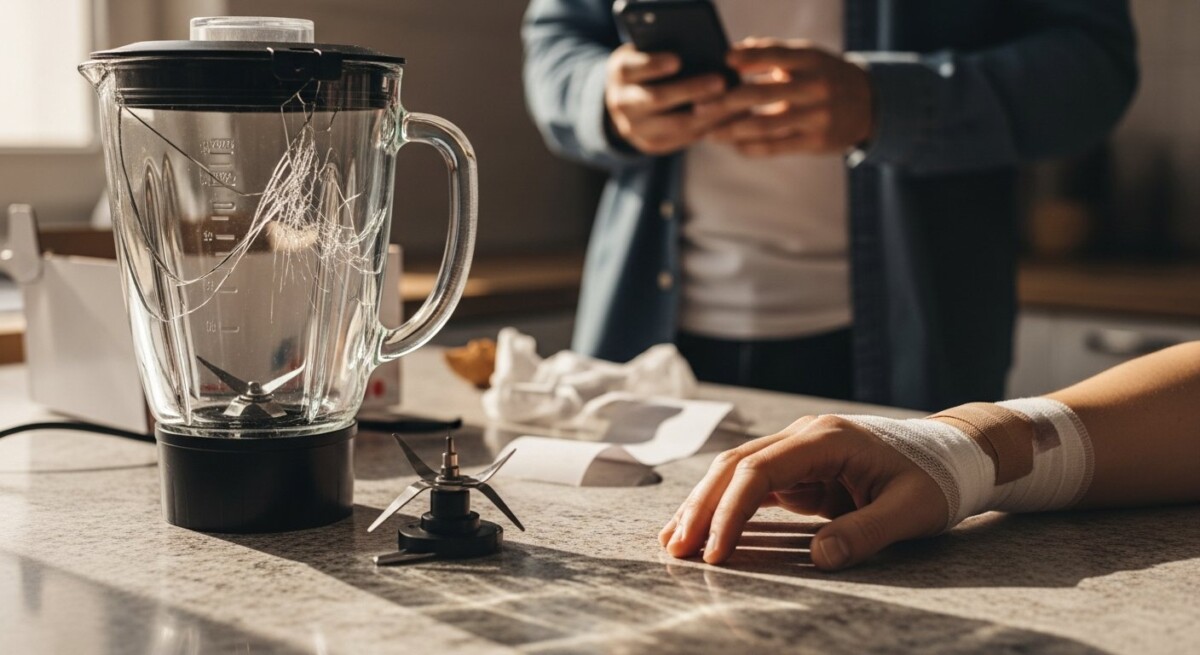
When a product you trusted fails and causes harm, the physical pain is often compounded by confusion about your legal options. You may wonder whether you have a right to compensation, especially if the injury occurred during normal use. The short answer is yes: you can claim injury from defective product use in most cases, but the process involves specific legal standards that determine whether your claim will succeed. Understanding these standards is essential before you take any steps toward seeking damages.
Product liability law exists to protect consumers from unsafe goods. Manufacturers, distributors, and retailers all have a responsibility to ensure that the products they sell are reasonably safe. When that responsibility is breached and someone is hurt, the injured party may file a claim to recover medical expenses, lost wages, and other losses. However, the outcome depends on proving that the product was defective and that the defect directly caused your injury. This article breaks down the key elements of a product liability claim, the types of defects you can pursue, and the practical steps you should take if you have been injured.
What Qualifies as a Defective Product?
A product is considered defective when it fails to meet the safety expectations of an ordinary consumer. Defects can arise at any stage of the product’s life cycle, from design to manufacturing to marketing. The law recognizes three primary categories of defects, each with its own legal implications. Understanding which category applies to your situation can help you build a stronger case.
Design Defects
A design defect exists when the product’s blueprint or formula is inherently unsafe, even if it is manufactured perfectly. For example, a car model with a fuel tank placed too close to the rear bumper may explode on impact during a rear-end collision. Because the flaw is in the design itself, every unit of that product is dangerous. In these cases, the plaintiff must show that a safer alternative design existed and that the manufacturer chose a riskier design without adequate justification.
Manufacturing Defects
Manufacturing defects occur when a product deviates from its intended design during production. A batch of medication contaminated during packaging or a child’s toy with sharp edges due to a mold error are common examples. Unlike design defects, manufacturing defects affect only a portion of the product line. To succeed in a manufacturing defect claim, you need evidence that your specific product was different from others of the same type and that the difference caused your injury.
Marketing Defects (Failure to Warn)
Even a well-designed and perfectly manufactured product can be defective if it lacks adequate warnings or instructions. Prescription drugs, power tools, and household chemicals often require detailed labels about proper use and potential risks. If a manufacturer fails to warn about a known danger or provides insufficient instructions, and you are injured as a result, you may have a claim based on a marketing defect. This category also covers misleading advertising that downplays risks.
Proving Your Product Liability Claim
To successfully claim injury from defective product use, you must prove four key elements: duty, breach, causation, and damages. Each element requires specific evidence, and the burden of proof rests on you, the plaintiff. An experienced attorney can help you gather the necessary documentation and expert testimony to meet this burden.
Duty: The manufacturer or seller had a legal duty to provide a safe product. This duty is generally assumed in product liability law, so it is rarely contested. Breach: The defendant failed to meet that duty by placing a defective product on the market. You must show that the defect existed when the product left the defendant’s control. Causation: The defect directly caused your injury. This is often the most challenging element to prove, as you must rule out other possible causes such as misuse or alteration of the product. Damages: You suffered actual harm, such as medical bills, lost income, or pain and suffering.
In many states, you do not need to prove that the manufacturer was negligent. Instead, you can rely on the legal doctrine of strict liability, which holds manufacturers responsible for defective products regardless of whether they acted carelessly. Strict liability simplifies the process because you only need to show that the product was defective and that the defect caused your injury. However, some states still require proof of negligence, especially for claims against retailers or distributors.
Types of Injuries You Can Claim
Product defects can cause a wide range of injuries, from minor cuts and bruises to catastrophic harm requiring lifelong medical care. The compensation you can seek depends on the severity and impact of your injury. Common categories of damages in product liability cases include medical expenses (both current and future), lost wages or reduced earning capacity, pain and suffering, and property damage. In rare cases involving egregious misconduct, courts may also award punitive damages to punish the defendant and deter similar behavior.
In our guide on can I claim injury in an amusement park accident, we explain how similar legal principles apply to injuries from rides and equipment. The same concepts of duty and causation often arise in those cases as well.
Statute of Limitations: Time Is Critical
Every state imposes a strict deadline, known as the statute of limitations, for filing a product liability lawsuit. The deadline typically ranges from one to four years from the date of injury or from the date you discovered (or should have discovered) the defect and resulting harm. Missing this deadline almost always bars you from recovering any compensation, regardless of how strong your case is.
It is important to note that the statute of limitations can vary depending on the type of defect and the state where the injury occurred. Some states have specific rules for claims against multiple defendants or for injuries that manifest slowly, such as those caused by medical implants or toxic substances. Consulting an attorney promptly after your injury ensures that you do not lose your right to sue.
Common Defenses Against Product Liability Claims
Defendants in product liability cases often raise defenses to reduce or eliminate their liability. Being aware of these defenses can help you anticipate challenges and strengthen your case. The most common defenses include:
- Product misuse: The defendant argues that you used the product in a way that was not intended or reasonably foreseeable. For example, using a kitchen knife to pry open a paint can could be considered misuse.
- Assumption of risk: The defendant claims that you knew about the product’s danger and voluntarily used it anyway. This defense often arises in cases involving recreational equipment or products with clear warnings.
- Comparative fault: The defendant argues that your own negligence contributed to your injury. If you failed to follow instructions or ignored safety warnings, your compensation may be reduced proportionally.
- Alteration or modification: The product was altered after it left the manufacturer’s control, and the alteration caused the injury. For instance, if you removed a safety guard from a power tool and then suffered a cut, the manufacturer may not be liable.
To counter these defenses, you need strong evidence, including the product itself (if possible), photographs of the injury and the product, witness statements, and expert testimony. An attorney can help you prepare for these arguments and present your case in the most favorable light.
Steps to Take After a Product-Related Injury
If you have been injured by a defective product, your actions in the immediate aftermath can significantly affect your ability to recover compensation. Follow these steps to protect your rights and build a solid foundation for your claim.
Seek medical attention first. Your health is the top priority. Even if your injury seems minor, see a doctor to document the harm and establish a link between the product and your condition. Medical records are crucial evidence. Preserve the product. Do not repair, discard, or alter the product. Keep it in the same condition as it was at the time of injury. If possible, store it in its original packaging along with any receipts, manuals, or warranty information. Document everything. Take photographs of the product, your injury, and the scene where the incident occurred. Write down the date, time, and circumstances of the accident. Collect contact information from any witnesses.
Report the incident. Notify the manufacturer, retailer, and relevant regulatory agencies such as the Consumer Product Safety Commission (CPSC) or the Food and Drug Administration (FDA). Reporting can help prevent others from being harmed and may create a paper trail that supports your claim. Do not give recorded statements. Insurance adjusters and company representatives may contact you soon after the incident. Do not agree to a recorded statement or sign any documents without first consulting an attorney. Anything you say can be used against you later.
For a similar situation involving property owners’ responsibility, our article on can I file a claim for injury in a hotel? your legal rights provides guidance on how liability is determined when an injury occurs on someone else’s premises.
When You Need an Attorney
Product liability cases are among the most complex areas of personal injury law. They often involve multiple defendants, technical evidence, and expert witnesses. While it is possible to handle a simple claim on your own, most cases benefit from professional legal representation. An attorney can investigate the defect, negotiate with insurance companies, and file a lawsuit if a fair settlement cannot be reached.
The cost of hiring an attorney should not deter you. Most personal injury lawyers work on a contingency fee basis, meaning they only get paid if you win your case. Initial consultations are typically free, and you can discuss your claim without any upfront financial commitment. During the consultation, the attorney will evaluate the strength of your case and advise you on the best course of action.
FreeLegalCaseReview.com connects injured individuals with qualified attorneys who specialize in product liability and mass tort litigation. Our platform offers a free, confidential case evaluation to help you understand your options. If you have been injured by a defective product, you do not have to face the legal system alone.
Injuries from public transportation can also raise similar liability questions. Our resource on can I claim injury after a public transport accident explores how claims involving defective vehicles or equipment are handled.
Frequently Asked Questions
Can I claim injury from defective product use if I modified the product?
It depends on the modification. If the modification was minor and did not contribute to the injury, you may still have a claim. However, if the modification was a direct cause of the injury, the manufacturer may argue that it absolves them of liability. Courts examine whether the modification was reasonably foreseeable by the manufacturer.
What if the product has a warning label?
A warning label does not automatically bar your claim. The label must be adequate and specific enough to alert you to the actual danger. If the warning was too vague, hidden, or failed to describe the severity of the risk, the product may still be considered defective.
How much compensation can I expect?
Compensation varies widely based on the severity of your injury, the strength of the evidence, and the defendant’s conduct. Minor injuries may result in settlements of a few thousand dollars, while catastrophic injuries can lead to awards in the millions. An attorney can give you a realistic estimate based on your specific circumstances.
Do I need to sue the manufacturer directly?
Not necessarily. You can sue any party in the chain of distribution, including the manufacturer, distributor, and retailer. Each party may share responsibility for the defect. Your attorney will help identify all potentially liable parties to maximize your recovery.
If you have been injured by a dangerous condition on someone’s property, such as broken stairs, our guide on can I claim injury from a broken stairs accident? explains how premises liability law applies.
Can I still claim if I bought the product used?
Yes, but the claim may be more difficult. Some states extend product liability protection to used products, while others limit it to new products sold directly by the manufacturer. You may need to prove that the defect existed before the product was sold to the first user and that it was not caused by the previous owner.
Take Action to Protect Your Rights
If you have suffered an injury from a defective product, time is not on your side. Evidence can be lost, witnesses can forget details, and the statute of limitations can expire. Taking prompt action is the best way to preserve your legal options and maximize your chances of receiving fair compensation. Contact FreeLegalCaseReview.com today for a free, no-obligation case evaluation. Our network of experienced attorneys is ready to review your situation and help you pursue the compensation you deserve.