What If Gym Equipment Was Faulty: Your Legal Rights
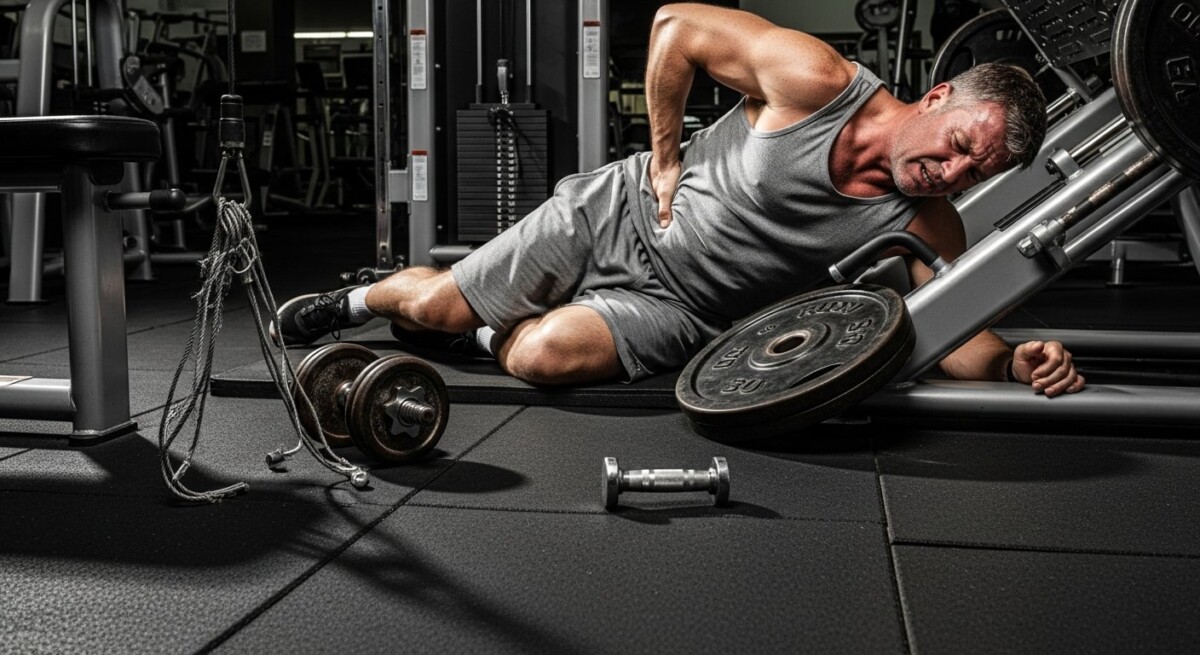
Imagine stepping onto a treadmill at your local gym, expecting a solid workout, only to have the belt lurch and throw you off balance. Or picture a cable machine snapping mid-rep, sending a heavy weight stack crashing toward your foot. These scenarios are not just nightmares. They are real possibilities when gym equipment is faulty. For millions of Americans who rely on fitness facilities for their health, the question of what happens when machines fail is both urgent and unsettling. Understanding your legal options after a faulty equipment injury can mean the difference between overwhelming medical debt and fair compensation. This article explores the hidden dangers of defective gym gear, the legal pathways available to victims, and how platforms like FreeLegalCaseReview.com connect you with attorneys who can fight for your rights.
The Hidden Dangers of Faulty Gym Equipment
Gym equipment malfunctions can range from minor annoyances to catastrophic failures. A loose bolt on a leg press might cause a sudden shift in weight, straining your lower back. A frayed cable on a lat pulldown could snap without warning, whipping across your face or neck. These incidents are not rare. Consumer reports and injury databases show that thousands of people visit emergency rooms each year due to gym equipment accidents. The injuries vary widely, but they often involve fractures, lacerations, head trauma, and spinal damage.
The root causes of these failures are equally diverse. Poor maintenance is a leading factor. Gyms that cut corners on inspection schedules or ignore warning signs like squeaking pulleys or wobbly benches put members at risk. Manufacturing defects also play a role. A poorly welded joint or substandard material can hide beneath a sleek exterior, waiting to fail under normal use. Finally, design flaws can make equipment inherently unsafe, such as machines that lack proper safety guards or have unstable bases. When any of these factors combine with a user’s trust in the equipment, the result can be life-altering.
Who Is Liable When Gym Equipment Fails?
Determining liability after a faulty gym equipment injury is rarely straightforward. Multiple parties may share responsibility, and identifying the correct defendant is critical for a successful claim. The three primary targets are the gym facility itself, the equipment manufacturer, and sometimes a third-party maintenance contractor.
The gym owner or operator has a legal duty to provide a safe environment for patrons. This duty includes regular inspections, prompt repairs, and proper placement of equipment. If a gym fails to tighten bolts on a squat rack or ignores a recall notice for a specific treadmill model, it may be liable for negligence. Premises liability law holds property owners accountable for hazards they knew about or should have known about.
The equipment manufacturer can be held liable under product liability law. If a design defect, manufacturing error, or inadequate warning label caused the injury, the company that produced the machine may be responsible. Product liability cases often involve strict liability, meaning you do not have to prove the manufacturer was negligent. You only need to show that the product was defective and that the defect caused your injury.
Maintenance contractors hired by the gym may also bear responsibility. If a third-party service company inspected the equipment and missed a dangerous flaw, or if it performed repairs improperly, that company could be joined in the lawsuit. In some cases, all three parties may share liability, and an experienced attorney can help untangle these overlapping obligations.
Common Injuries From Faulty Gym Equipment
The injuries resulting from faulty gym equipment can be severe and long-lasting. Understanding the types of harm can help you document your case and communicate with your attorney more effectively. Here are some of the most common injury categories:
- Musculoskeletal injuries: Strains, sprains, tears, and fractures occur when equipment unexpectedly shifts or collapses. A sudden drop of weight on a leg press can hyperextend your knee, while a broken bench can cause a heavy barbell to land on your chest.
- Head and neck trauma: Falling from a treadmill or being struck by a falling weight can cause concussions, whiplash, or even traumatic brain injuries. These injuries may have delayed symptoms, making immediate medical evaluation essential.
- Lacerations and crush injuries: Snapped cables can cut deep into skin, while collapsing weight stacks can crush fingers, toes, or hands. Crush injuries often involve nerve damage and may require multiple surgeries.
Each of these injury types comes with its own set of medical, financial, and emotional challenges. Recovery can take months or years, and some victims never fully regain their pre-injury function. That is why pursuing compensation is not about greed. It is about securing the resources you need for rehabilitation, lost wages, and ongoing care.
Steps to Take Immediately After a Gym Equipment Injury
If you are injured by faulty gym equipment, your actions in the first few hours and days can significantly impact your legal case. Follow these steps to protect your health and your rights:
- Seek medical attention immediately. Even if you feel fine, some injuries like internal bleeding or concussions can worsen without immediate treatment. Medical records also create a direct link between the incident and your injuries, which is vital for your claim.
- Report the incident to gym management. Ask for a written incident report and request a copy. Do not sign any waivers or settlement offers on the spot. Gyms may try to get you to release liability quickly, but you should never do so without consulting an attorney.
- Document everything. Take photos of the equipment, your injuries, and the surrounding area. Write down the names and contact information of any witnesses. Keep a journal detailing your pain, limitations, and how the injury affects your daily life.
- Preserve the evidence. Do not allow the gym to repair or remove the faulty equipment. If possible, ask them to secure the machine until an investigation can occur. If they refuse, notify your attorney immediately.
- Contact a personal injury attorney. The legal system is complex, and gym injury cases involve multiple potential defendants. An experienced lawyer can gather evidence, negotiate with insurance companies, and file a lawsuit if necessary. FreeLegalCaseReview.com can connect you with qualified attorneys who specialize in these types of claims.
Taking these steps promptly can prevent the gym from destroying evidence or blaming you for the accident. It also positions you to receive fair compensation rather than a lowball settlement offer.
Proving Negligence or Product Defect in Your Case
To win a gym equipment injury case, you must prove either negligence on the part of the gym or a defect in the product. Both paths require strong evidence. For negligence, you need to show that the gym knew or should have known about the dangerous condition and failed to fix it. This can be demonstrated through maintenance logs, inspection records, witness testimony, and expert opinions. For example, if a treadmill had a cracked frame for weeks and the gym did nothing, that is clear negligence.
For product liability, you must prove that the equipment was defective when it left the manufacturer’s control. This can be done through expert engineers who analyze the design, materials, and manufacturing process. Recall notices from the Consumer Product Safety Commission (CPSC) can also bolster your case. If the same model has been recalled for the exact issue that injured you, that is powerful evidence.
In both types of cases, your attorney will likely hire experts to reconstruct the accident and testify about industry standards. The cost of these experts is usually covered by the contingency fee arrangement, meaning you pay nothing upfront. This makes it possible for injury victims to pursue justice even without significant financial resources.
Compensation Available for Gym Equipment Injuries
Victims of faulty gym equipment may be entitled to several types of compensation. The goal of personal injury law is to make you whole again, or as close as money can achieve. Here are the main categories of damages:
- Medical expenses: This includes emergency room visits, surgeries, hospital stays, physical therapy, medications, and future medical care related to the injury.
- Lost wages: If your injury prevents you from working, you can recover the income you lost during recovery. If you are permanently disabled, you may also receive compensation for reduced earning capacity.
- Pain and suffering: This non-economic damage accounts for the physical pain and emotional distress caused by the injury. It is harder to quantify but can be substantial, especially for severe or permanent injuries.
- Property damage: If your clothing, phone, or other personal items were damaged in the accident, you can claim reimbursement.
- Punitive damages: In rare cases where the gym or manufacturer acted with extreme recklessness or malice, the court may award punitive damages to punish the wrongdoer and deter similar behavior.
An experienced attorney can calculate the full value of your claim, including future losses, and negotiate aggressively with insurance companies. Do not accept the first offer without legal guidance. Insurance adjusters often try to settle quickly for far less than your case is worth.
Frequently Asked Questions
What should I do if the gym asks me to sign a waiver after an injury?
Do not sign anything without consulting a lawyer. Waivers are often designed to release the gym from liability for future claims. While some waivers are enforceable, they may not cover gross negligence or equipment defects. An attorney can advise you on whether the waiver is valid in your situation.
Can I sue the manufacturer if the gym failed to maintain the equipment?
Yes, you may have a claim against both the manufacturer and the gym. If the equipment was defectively designed or made, the manufacturer is responsible regardless of maintenance. However, if the gym’s poor maintenance caused the defect, the gym may be primarily liable. Your attorney will investigate all possible defendants.
How long do I have to file a lawsuit for a gym equipment injury?
Each state has a statute of limitations for personal injury claims, typically ranging from one to four years. In some states, claims against government-owned gyms have shorter deadlines. It is crucial to contact an attorney as soon as possible to avoid missing the filing window.
What if I was partially at fault for the accident?
Even if you were partly responsible, you may still recover compensation under comparative negligence laws. Your award will be reduced by your percentage of fault. For example, if you were 20 percent at fault, you would receive 80 percent of the total damages. An attorney can help minimize your assigned fault.
How much does it cost to hire a personal injury lawyer for this type of case?
Most personal injury attorneys work on a contingency fee basis. You pay nothing upfront, and the lawyer only gets paid if you win your case. The fee is typically a percentage of your settlement or verdict, usually between 30 and 40 percent. This arrangement allows anyone to access legal representation regardless of financial situation.
Can I still file a claim if the gym equipment was old or used?
Yes. Age does not automatically excuse the gym or manufacturer from liability. Old equipment must still be maintained properly. If a defect existed from the start, the manufacturer may still be liable even years later. However, the burden of proof may be higher for older equipment due to wear and tear. An attorney can evaluate whether the age of the equipment affects your case.
Your Next Steps After a Faulty Gym Equipment Injury
Being injured by faulty gym equipment is a traumatic experience that can leave you physically, emotionally, and financially strained. The legal process may seem intimidating, but you do not have to navigate it alone. Platforms like FreeLegalCaseReview.com exist to help injury victims find the right attorney for their specific situation. With a free, confidential case evaluation, you can understand your options without any obligation. Remember, gyms and manufacturers have insurance companies and legal teams working to protect their interests. You deserve an advocate who works solely for you. Whether your injury happened yesterday or a few months ago, take the first step today by seeking professional legal guidance. Your recovery and your future depend on it.