What Happens If the Other Driver Is Uninsured
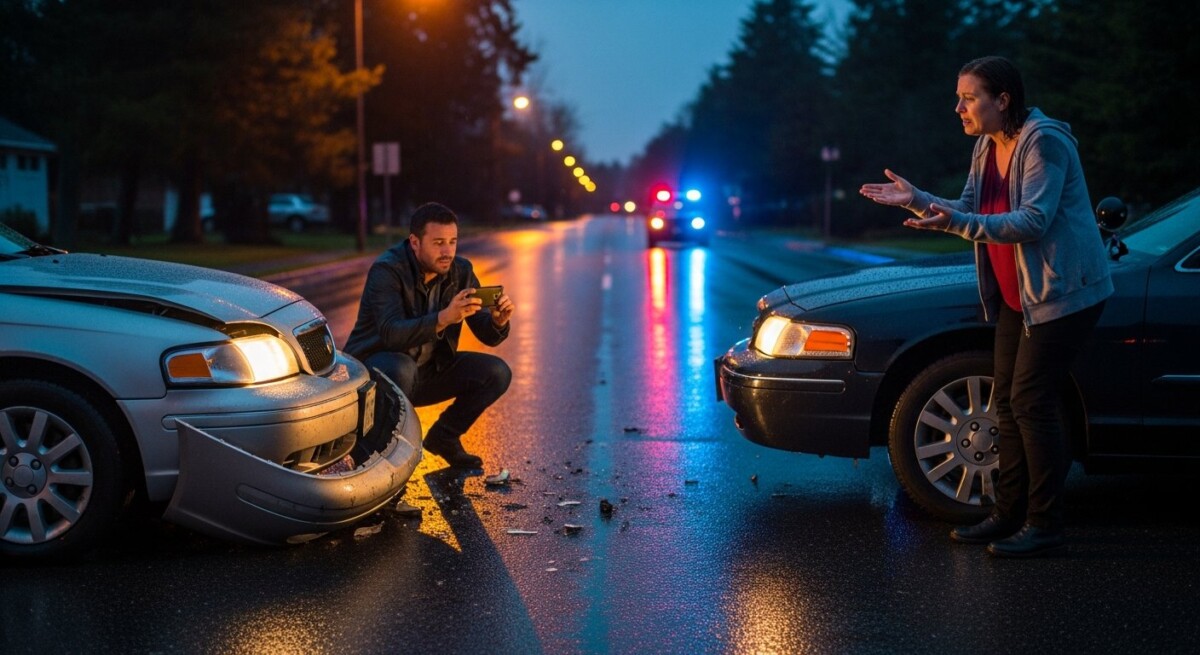
You’ve just been in a car accident. The initial shock subsides, and you exchange information with the other driver, only to hear the words no one wants to hear: “I don’t have insurance.” A wave of anxiety and confusion can follow. Who will pay for your car repairs? What about your medical bills? The situation is stressful, but it is not hopeless. Knowing the immediate steps to take and understanding your legal and insurance options can protect your rights and your finances. While the at-fault driver may lack coverage, you are not necessarily left without recourse. This guide will walk you through the critical actions to take after a crash with an uninsured motorist and explain the pathways to recovery.
Immediate Steps After an Accident with an Uninsured Driver
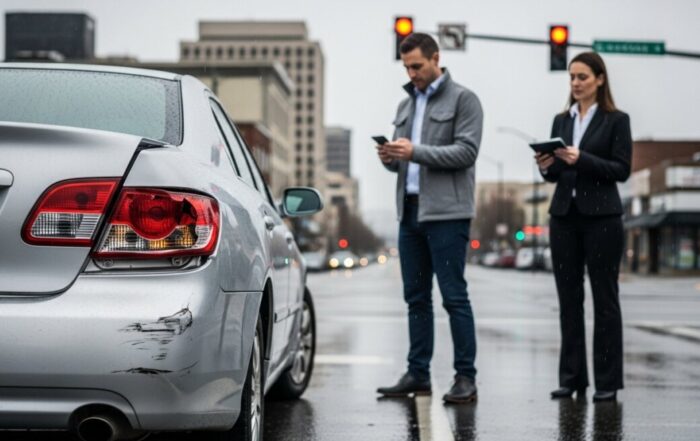
The moments following a collision are crucial, especially when you suspect the other driver may be uninsured. Your actions here set the foundation for any future claim. First, ensure everyone’s safety. Move vehicles out of traffic if possible and check for injuries, calling 911 immediately if anyone is hurt. Even if the damage seems minor, a police report is an invaluable document. It creates an official, neutral record of the event, which is critical when the other party lacks insurance. The officer will typically record the driver’s admission of having no insurance, which strengthens your position.
Gather as much evidence as you can at the scene. Use your smartphone to take comprehensive photos and videos: damage to all vehicles, license plates, the overall scene, skid marks, traffic signs, and any visible injuries. Get the other driver’s name, address, phone number, and driver’s license number. If there are witnesses, collect their contact information as well. Their independent accounts can be pivotal. Do not, under any circumstances, agree to “handle it privately” or accept cash on the spot. The true cost of repairs and injuries is often far greater than it initially appears, and you would be forfeiting your right to a proper claim.
Understanding Your Insurance Coverage: UM and UIM
Your primary avenue for compensation will likely be through your own auto insurance policy, specifically under Uninsured Motorist (UM) and Underinsured Motorist (UIM) coverage. These are optional coverages in many states, but they are designed for this exact scenario. UM coverage applies when the at-fault driver has no insurance whatsoever. UIM coverage kicks in when the at-fault driver’s insurance limits are too low to cover your total damages. For a deeper dive into the claims process, our resource on what happens if the other driver is uninsured after a crash outlines the procedural details.
It is essential to check your policy declarations page to see if you carry these coverages and what your limits are. They typically include two components: Bodily Injury (UMBI/UIMBI) and Property Damage (UMPD). UMBI helps pay for medical expenses, lost wages, and pain and suffering for you and your passengers. UMPD covers repairs to your vehicle, though it may come with a deductible. The process for filing a UM claim is similar to filing a third-party claim, but you are dealing with your own insurer. This can be smoother, but it also requires you to formally establish the other driver’s fault and the extent of your damages.
Navigating the Claim with Your Own Insurance Company
Filing a claim under your own uninsured motorist coverage is a contractual process. You must notify your insurer promptly after the accident. They will open an investigation, which will involve reviewing the police report, your evidence, and possibly an independent appraisal of your vehicle. You will need to provide documentation of all your losses, including medical records and bills, repair estimates, and proof of lost income. Be thorough and organized.
While you are their policyholder, remember that the insurance company’s goal is to settle claims for as little as possible. They may dispute the severity of your injuries, the necessity of certain treatments, or the value of your vehicle. Do not feel pressured to accept the first settlement offer, especially for bodily injury. It is often advisable to consult with a personal injury attorney before providing any recorded statements or signing any releases. An attorney can handle negotiations to ensure you receive a settlement that fully covers both your current and future expenses related to the accident.
When to Consider Legal Action Against the Driver
If your damages exceed your UM/UIM policy limits, or if you do not have this coverage, you may need to consider filing a lawsuit against the uninsured driver personally. This is a civil action to obtain a judgment for your losses. However, it’s important to approach this option with realistic expectations. Most drivers who cannot afford car insurance also lack significant assets or income that can be easily collected, a concept known as being “judgment-proof.”
Pursuing a lawsuit involves time, court costs, and legal fees. An attorney can conduct an asset investigation to determine if the individual has any property, a steady job, or other resources that could satisfy a judgment. If no collectible assets exist, a lawsuit may not be a practical solution. Nevertheless, in some cases, it may be the only path to recovery, and a judgment can be collected over time through wage garnishment or liens on future assets. The decision to sue should be made after a careful cost-benefit analysis with a qualified attorney.
State Laws and Financial Responsibility Requirements
The legal landscape for uninsured drivers varies significantly by state. All states have financial responsibility laws, but the type and minimum requirements differ. Some are “no-pay, no-play” states that limit the damages an uninsured driver can recover, even if they are not at fault. Most states require drivers to carry liability insurance, but the penalties for being caught uninsured range from fines and license suspension to vehicle impoundment.
Several states operate as “no-fault” insurance states. In these jurisdictions, your own Personal Injury Protection (PIP) coverage pays for your medical bills and lost wages regardless of who caused the accident, up to your policy limits. However, you can only step outside the no-fault system and file a claim against the other driver (or your own UM coverage) if your injuries meet a certain statutory threshold of seriousness, such as significant disfigurement or permanent injury. Understanding your state’s specific framework is critical to knowing your rights and the sequence of your claims.
The Role of Collision Coverage
For vehicle repairs, your Collision coverage is another vital tool. This optional coverage pays to repair or replace your vehicle after an accident, regardless of fault, after you pay your deductible. If you use collision coverage after a crash with an uninsured driver, your insurance company may attempt to subrogate, or legally recover, the amount they paid you (including your deductible) from the at-fault driver. While successful recovery is not guaranteed, it shifts the burden of collection to your insurer. If they recover the funds, they will typically reimburse your deductible to you.
Protecting Yourself: Proactive Insurance Advice
The best defense against an uninsured driver is to proactively structure your own insurance policy to include robust protections. Review your policy today with your agent. Key coverages to consider include:
- Uninsured/Underinsured Motorist Coverage: Purchase limits equal to your liability limits. This is your most important shield.
- Collision Coverage: Essential for repairing your vehicle when the at-fault party has no assets.
- Medical Payments (MedPay) or PIP: Provides immediate funds for medical expenses for you and your passengers, which can be crucial while a UM claim is pending.
- Rental Reimbursement: Covers the cost of a rental car while your vehicle is being repaired after a covered loss.
Increasing these coverages often costs less than you might think, especially when weighed against the potential financial devastation of a serious accident with an uninsured motorist. It is an investment in your own financial security. For guidance on building a strong case to support your claim, our article on case preparation offers strategic insights.
Frequently Asked Questions
Will my rates go up if I file an uninsured motorist claim?
In most states, by law, your insurance premiums cannot be increased solely because you filed a not-at-fault UM claim. However, this varies by state and insurer, so it’s best to ask your agent about your specific policy and jurisdiction.
What if I’m hit by an uninsured driver while I’m a pedestrian or on a bicycle?
Your own auto insurance policy’s UM/UIM coverage typically extends to you and household family members if you are injured by an uninsured motorist while walking, biking, or even as a passenger in someone else’s car. If you do not own a car, you may be able to file a claim under a resident relative’s policy or pursue a personal lawsuit against the driver.
The other driver gave me fake insurance information. What now?
This is why a police report is so critical. The officer will verify insurance at the scene. If you discover the information is fake later, report it to the police to amend the report and immediately contact your insurer to file a UM claim. This is treated the same as if the driver had no insurance.
How long do I have to file a claim or lawsuit?
Every state has a statute of limitations, a strict deadline to file a lawsuit. For personal injury, this is often two to three years from the accident date. The deadline for filing a claim with your insurance company is much shorter, sometimes just days or weeks. Notify your insurer immediately to protect your rights. Understanding the full case timeline from accident to resolution can help you manage these critical deadlines.
Being involved in an accident with an uninsured driver is a challenging situation that requires navigating complex insurance and legal channels. The path to recovery hinges on the protections you have chosen for yourself and the decisive actions you take after the crash. By staying calm, documenting everything, and leveraging your own insurance coverages, you can mitigate the financial impact. For severe injuries or complex cases, seeking professional legal counsel is a prudent step to ensure you are fully compensated for your losses and to navigate the intricacies of uninsured motorist claims effectively.