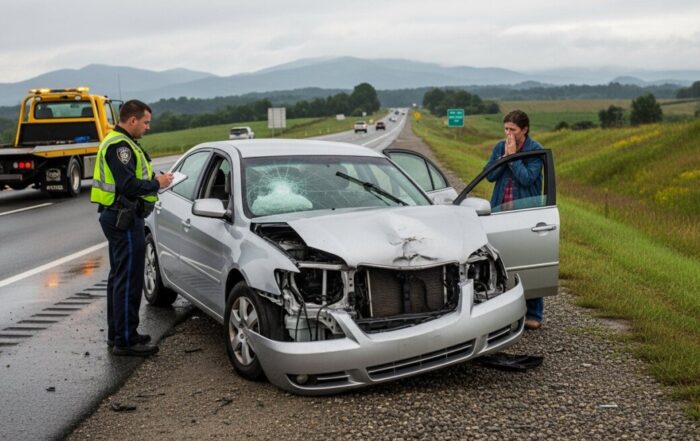
What If a Manufacturer Defect Caused Your Crash
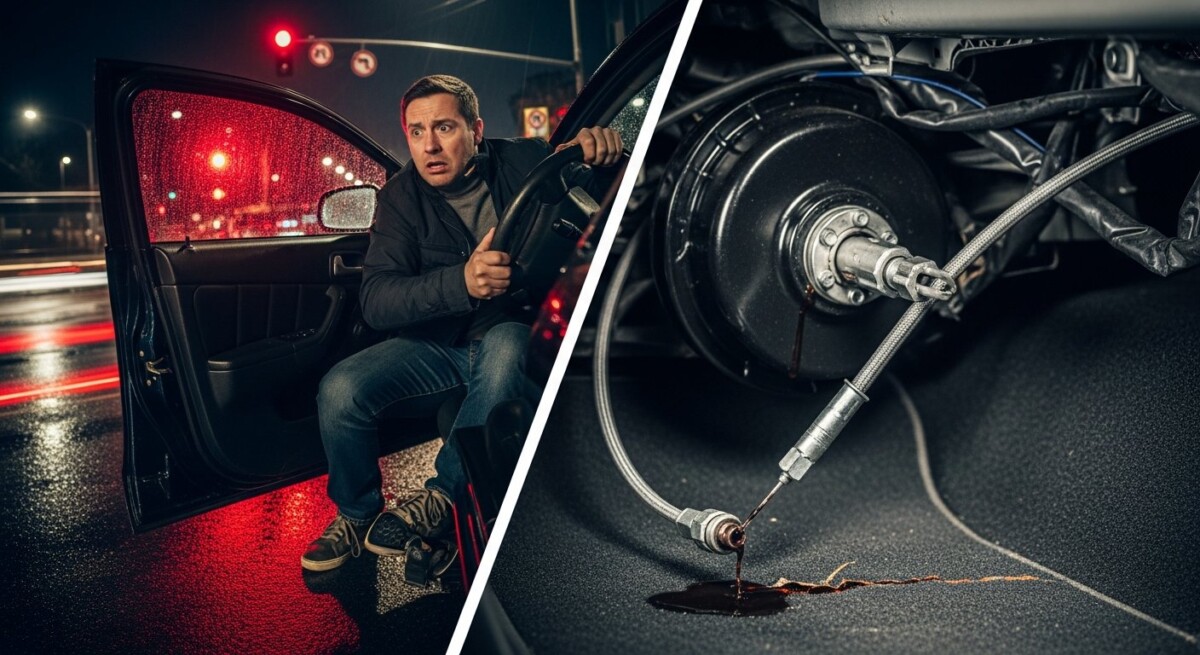
You are driving home when your brakes suddenly fail at a red light. You press the pedal, but it sinks to the floor. Your car does not stop. In that terrifying moment, you realize the accident is not your fault. A manufacturing flaw in a critical component may have caused the crash. If this scenario sounds familiar, you need to understand your legal rights and the steps to take immediately. A vehicle part that was poorly designed, improperly assembled, or made from substandard materials can turn a routine drive into a catastrophic event. When a manufacturer defect causes a crash, the responsible party is not the driver but the company that produced the faulty part. This article explains what to do after such an incident, how to prove the defect, and how to recover compensation for your injuries and losses.
Understanding Product Liability in Vehicle Crashes
Product liability law holds manufacturers, distributors, and retailers accountable when a defective product causes harm. In the context of a car crash, a manufacturer defect can involve any component of the vehicle: the steering system, airbags, tires, seatbelts, fuel tank, or electronic controls. The legal theory behind these claims is that the manufacturer had a duty to produce a safe product. When they fail to meet that duty, and that failure directly causes a crash, they can be held financially responsible for the resulting damages.
There are three main types of defects that can lead to a product liability claim. First, a design defect means the product was inherently unsafe from the drawing board. For example, a vehicle with a center of gravity that makes it prone to rollovers during normal turns has a design flaw. Second, a manufacturing defect occurs when a product is correctly designed but an error during production makes it dangerous. A batch of tires with thin sidewalls due to a machine calibration mistake is a manufacturing defect. Third, a marketing defect involves inadequate warnings or instructions. If a tire manufacturer fails to warn consumers about a maximum safe speed for the tire and a blowout causes a crash, that is a marketing defect. Understanding which category your case falls into helps your attorney build a stronger argument.
Proving a Manufacturer Defect Caused the Crash
To win a product liability case, you must prove that the defect existed at the time the product left the manufacturer’s control and that the defect directly caused the crash. This is not always straightforward. Manufacturers often argue that the product was modified after purchase, that the owner failed to maintain it properly, or that the driver’s actions caused the accident. You need solid evidence to counter these defenses.
Key evidence includes a thorough inspection of the vehicle by an expert. An automotive engineer can examine the failed part to determine if it has a manufacturing flaw such as a crack, improper weld, or material weakness. The expert will also look for signs of wear and tear or improper installation, which could shift blame to you or a repair shop. Photographs of the damaged part, maintenance records, and the vehicle’s event data recorder (black box) are also critical. The black box can show your speed, brake application, steering angle, and other data milliseconds before the crash. This data can corroborate your account of sudden brake failure or steering loss.
Another essential step is preserving the defective part. If you or your insurance company discards or repairs the part, you lose the best evidence of the defect. Immediately after a crash, secure the vehicle and prevent anyone from altering it. Your attorney will arrange for expert inspection and storage. In some cases, similar incidents involving the same vehicle model or part can strengthen your case. If other drivers have experienced the same failure and filed complaints with the National Highway Traffic Safety Administration (NHTSA), this pattern of defects can support your claim.
Common Types of Manufacturer Defects That Cause Crashes
Certain vehicle components are more prone to manufacturing defects than others. Recognizing these common problem areas can help you identify whether your crash may have been caused by a defect. Here are the most frequent culprits:
- Brake system defects: Faulty brake lines, master cylinders, or brake pads can fail without warning, leading to rear-end collisions or intersection crashes.
- Tire defects: Separating treads, weak sidewalls, or improper bead seating can cause blowouts at highway speeds, resulting in rollovers or loss of control.
- Steering system defects: A broken tie rod, steering rack flaw, or power steering failure can make it impossible to steer the vehicle, especially during turns.
- Airbag defects: Airbags that deploy too late, too early, or with excessive force can cause injury or fail to protect occupants during a crash.
- Fuel system defects: Leaking fuel lines or faulty fuel tank designs can lead to post-crash fires, causing severe burn injuries.
Each of these defects requires specific technical expertise to prove. For example, a tire blowout case often involves analyzing the tire’s manufacturing date, batch number, and any prior recall notices. An airbag defect case may require examining the vehicle’s crash sensor data and the airbag control module. Your attorney will coordinate with experts who specialize in the relevant component.
Steps to Take Immediately After a Suspected Defect Crash
Your actions in the moments and days following a crash can make or break your product liability case. The first priority is always your health and safety. Call 911, seek medical attention for any injuries, and cooperate with law enforcement at the scene. Once you are safe, take these steps to preserve your claim:
- Document the scene thoroughly. Take photos and videos of the vehicle, the defective part, the crash scene, and any visible damage. Capture the vehicle identification number (VIN) and the part numbers of any broken components.
- Do not allow repairs. Tell the towing company and your insurance company that the vehicle may have a manufacturer defect and must not be repaired or altered until an expert inspects it. If possible, store the vehicle in a secure location.
- Report the defect to NHTSA. File a complaint with the National Highway Traffic Safety Administration. This creates a public record and may alert the agency to a broader safety issue that could lead to a recall.
- Preserve all records. Keep copies of the police report, medical records, repair estimates, and any communication with insurance companies or the manufacturer. These documents help establish the timeline and damages.
- Contact a product liability attorney. Do not speak to the manufacturer’s representatives or sign any settlement offers until you have legal representation. An attorney experienced in defect cases can guide you through the process and protect your rights.
Following these steps increases the likelihood that your claim will succeed. The sooner you act, the better your chances of preserving critical evidence and building a strong case. In our guide on what if a manufacturer defect caused your injury, we explain how to navigate the legal system and hold the responsible company accountable.
Who Can Be Held Liable for a Defect Crash
In a product liability case, multiple parties may share responsibility. The manufacturer of the defective component is often the primary target. If the part was made by a supplier and then installed by the vehicle manufacturer, both companies may be liable. For example, if a tire manufacturer produces a defective tire and an automaker installs it on a new car, both the tire company and the car company could be sued. The dealership that sold the vehicle may also be liable if they knew about the defect or failed to perform a required recall repair before the sale.
Additionally, if the defect was caused by a part that was not original to the vehicle, such as a replacement brake pad or aftermarket wheel, the manufacturer of that aftermarket part could be responsible. In some cases, the repair shop that installed the part may be liable if they installed it incorrectly or used a defective part. An experienced attorney will investigate the supply chain and identify all potentially responsible parties. This increases the pool of available compensation and ensures that the true cause of the crash is addressed.
The legal basis for holding these parties liable often involves strict liability, negligence, or breach of warranty. Strict liability means you do not have to prove the manufacturer was careless; you only need to show that the product was defective and that the defect caused your injury. This makes it easier for consumers to win cases against large corporations. However, the manufacturer can still raise defenses such as misuse of the product or assumption of risk. Your attorney will prepare counterarguments to these defenses based on the facts of your case.
Compensation Available for Defect Crash Victims
Victims of crashes caused by manufacturer defects can recover a wide range of damages. These include economic damages such as medical expenses, lost wages, property damage, and future medical care. Non-economic damages cover pain and suffering, emotional distress, loss of enjoyment of life, and loss of consortium. In some cases, if the manufacturer acted with gross negligence or intentional disregard for safety, the court may award punitive damages. Punitive damages are designed to punish the company and deter similar behavior in the future.
The amount of compensation depends on the severity of your injuries, the strength of the evidence, and the policies of the defendant’s insurance coverage. Serious injuries such as traumatic brain injury, spinal cord damage, or burns often result in higher settlements because they require lifelong medical care and cause significant loss of quality of life. An attorney can help you calculate the full value of your claim, including future medical costs and lost earning capacity. They can also negotiate with insurance companies on your behalf to ensure you are not pressured into accepting a lowball offer.
It is important to note that product liability claims have statutes of limitations that vary by state. In some states, you have as little as two years from the date of the crash to file a lawsuit. If the defect caused a death, the time limit may be even shorter. Do not wait to seek legal advice. Prompt action preserves your right to compensation and gives your attorney time to gather evidence before it is lost or destroyed. For a free case evaluation, contact our team at (833) 227-7919 to discuss your situation with a qualified product liability attorney.
Frequently Asked Questions
What if the manufacturer defect caused a crash but the other driver was also at fault?
In many states, you can still recover compensation even if you or another driver shares some fault. The legal principle of comparative negligence allows you to recover damages reduced by your percentage of fault. If the defect was a substantial factor in causing the crash, the manufacturer may still be liable. An attorney can analyze the facts and determine how fault is allocated.
Do I need to prove the manufacturer knew about the defect?
No. In strict liability cases, you do not need to prove that the manufacturer knew or should have known about the defect. You only need to prove that the product was defective and that the defect caused your injury. However, if you can show that the manufacturer knew about the defect and did not warn consumers or issue a recall, you may be able to seek punitive damages.
Can I file a claim if my vehicle was recalled but I did not get it fixed?
Yes, you may still have a claim. A recall notice is evidence that the manufacturer was aware of a defect. However, the manufacturer may argue that you assumed the risk by not getting the recall repair done. The outcome depends on whether you received the recall notice and had a reasonable opportunity to have the repair performed. Your attorney can argue that the manufacturer’s failure to provide an effective remedy should not shift blame to you.
How long does a product liability case take?
Product liability cases can take anywhere from several months to several years. Factors that affect the timeline include the complexity of the defect, the number of parties involved, the amount of evidence needed, and whether the case settles or goes to trial. Many cases settle before trial, which can shorten the process. An attorney can give you a more specific timeline based on your case details.
What if the defect is in a part I installed myself?
If you installed an aftermarket part that was defective, you may still have a claim against the manufacturer of that part. However, the manufacturer may argue that you installed it incorrectly, which could reduce or eliminate their liability. It is crucial to have the part inspected by an expert to determine if the defect existed before installation. If the part was defective from the factory, the manufacturer remains responsible.
If you have more questions or believe a manufacturer defect caused your crash, do not hesitate to seek professional legal advice. A product liability attorney can review your case for free and help you understand your options. Remember, you are not alone in this fight. The law is designed to protect consumers from dangerous products, and you have the right to hold negligent manufacturers accountable. For a confidential discussion about your case, reach out to our team at (833) 227-7919.