What If a Manufacturer Defect Caused Your Injury
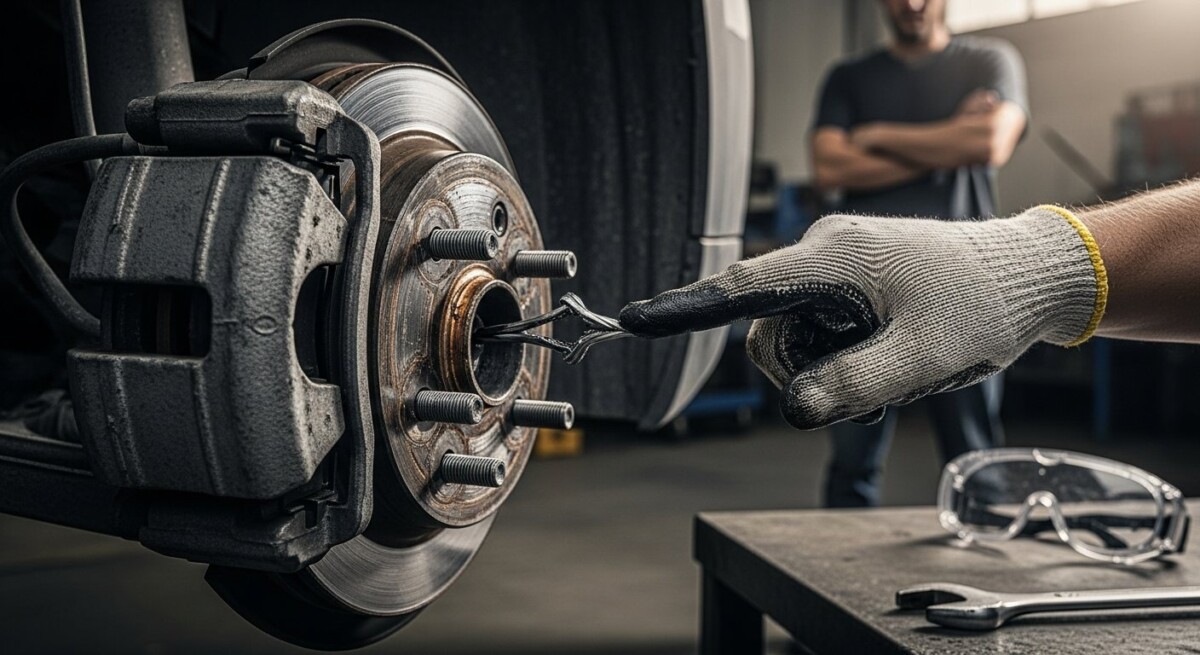
You buy a product trusting it is safe. When that product malfunctions and causes harm, the first question is often: who is responsible? If a manufacturer defect is involved, the answer is not always straightforward. Understanding your legal rights and the steps to take can make a significant difference in your recovery. This article explains what happens when a manufacturing flaw leads to injury, how to prove your case, and what compensation you may be entitled to.
Understanding a Manufacturer Defect
A manufacturer defect occurs when a product deviates from its intended design during the production process. Unlike a design defect, which is inherent in the product’s blueprint, a manufacturing defect affects only a specific batch or individual item. For example, a car with improperly installed brake lines or a child’s toy containing toxic paint that was not part of the original design are classic examples. These flaws make the product unreasonably dangerous for ordinary use.
When a manufacturer defect is involved, the law typically holds the manufacturer strictly liable. This means you do not need to prove negligence or intent. You only need to show that the product was defective, the defect caused your injury, and you were using the product as intended. This legal doctrine, called strict liability, shifts the burden to the manufacturer to ensure their products are safe before reaching consumers.
Common Types of Manufacturer Defects
Manufacturer defects can appear in virtually any product, but some categories are more common in personal injury claims. These include automotive parts, medical devices, children’s products, and household appliances. Each type presents unique challenges when proving the defect and linking it to your injury.
Defects in automotive parts often involve airbags that fail to deploy, tires that blow out prematurely, or seatbelts that unlatch during a crash. Medical device defects might include surgical mesh that degrades inside the body or hip implants that fracture prematurely. Consumer products like power tools with faulty wiring or cribs with collapsing sides also frequently lead to injury claims. In our guide on multi-car accident claims, we explain how vehicle defects can compound liability in collisions.
When a manufacturer defect is involved, documenting the product’s condition immediately after the incident is critical. Preserve the product in its current state, including any packaging or instructions. Photograph the defect from multiple angles and store the item in a safe, dry place. Do not attempt to repair or modify it, as doing so could destroy evidence and weaken your claim.
Proving Your Case
To succeed in a manufacturer defect claim, you must establish three key elements. First, the product had a defect that existed at the time it left the manufacturer’s control. Second, the defect made the product unreasonably dangerous. Third, the defect directly caused your injury. Evidence may include expert testimony, product testing results, and records of similar complaints against the same manufacturer.
Expert witnesses play a vital role in these cases. An engineer or product safety specialist can analyze the product and testify about the specific flaw. They can also rule out alternative causes, such as misuse or modification by the user. If the defect is hidden or non-obvious, an expert’s opinion can be the difference between winning and losing your case.
Another important factor is the product’s intended use. Courts consider whether you were using the product in a reasonably foreseeable manner. For example, if you used a kitchen knife to pry open a paint can and it snapped, the manufacturer may argue misuse. However, using a ladder to change a light bulb is foreseeable, and a defect causing the ladder to collapse would likely support your claim.
Compensation You May Recover
When a manufacturer defect is involved, you may be entitled to economic and non-economic damages. Economic damages cover quantifiable losses such as medical bills, lost wages, and property damage. Non-economic damages compensate for pain and suffering, emotional distress, and loss of enjoyment of life. In rare cases involving gross negligence or intentional misconduct, punitive damages may also be awarded to punish the manufacturer and deter future wrongdoing.
The amount of compensation depends on the severity of your injury, the impact on your daily life, and the strength of your evidence. A broken bone from a defective car seat might result in a moderate settlement, while a catastrophic injury like paralysis from a faulty airbag could lead to a much larger award. An experienced attorney can help calculate the full value of your claim, including future medical expenses and lost earning capacity.
Steps to Take After a Defect-Related Injury
If you suspect a manufacturer defect caused your injury, take these immediate steps to protect your rights. First, seek medical attention for your injuries. Even if symptoms seem minor, a doctor can document your condition and link it to the incident. Second, preserve the product and any related evidence. Third, report the incident to the manufacturer and the Consumer Product Safety Commission (CPSC) if the product is a consumer good.
Next, keep detailed records of all expenses and losses related to the injury. This includes medical bills, pharmacy receipts, transportation costs for appointments, and pay stubs showing missed work. You should also document how the injury has affected your daily activities, such as difficulty sleeping, performing household chores, or participating in hobbies.
Finally, consult with a product liability attorney who specializes in manufacturer defect cases. Many offer free initial consultations and work on a contingency fee basis, meaning they only get paid if you win. An attorney can gather evidence, negotiate with insurance companies, and file a lawsuit if necessary. They can also help you navigate complex legal deadlines, known as statutes of limitations, which vary by state.
Why Legal Representation Matters
Manufacturers have teams of lawyers and experts working to limit their liability. Without legal representation, you may face pressure to accept a low settlement or miss critical filing deadlines. An attorney levels the playing field by conducting a thorough investigation, consulting with experts, and building a compelling case. They also handle all communication with the manufacturer’s legal team, allowing you to focus on recovery.
In some cases, a manufacturer defect claim may involve multiple parties. For example, a defective tire could involve the tire manufacturer, the car manufacturer, and the retailer. An attorney can identify all potentially responsible parties and ensure each is held accountable. This can significantly increase the compensation available to you.
Common Defenses Manufacturers Use
Manufacturers often raise several defenses to avoid liability. One common defense is that the user misused the product in a way that was not foreseeable. Another is that the user assumed the risk by continuing to use a product after discovering the defect. They may also argue that the product was altered or modified after leaving their control.
To counter these defenses, your attorney will gather evidence showing you used the product as intended and did not know about the defect. If the product was modified, they may argue that the modification was minor or did not contribute to the injury. Expert testimony can also help refute claims that the defect was obvious or that you assumed the risk.
Another strategy manufacturers use is pointing to warnings or instructions that came with the product. If you ignored a clear warning, they may argue you were contributorily negligent. However, if the warning was inadequate or did not specifically address the defect, it may not protect the manufacturer. Your attorney can review the product’s labeling and instructions to determine if they were sufficient.
Frequently Asked Questions
What counts as a manufacturer defect?
A manufacturer defect is a flaw that occurs during production, making a product different from its intended design and unreasonably dangerous. Examples include a ladder with a cracked rung or a medication contaminated during packaging.
How long do I have to file a claim?
The statute of limitations for product liability claims varies by state, typically ranging from one to six years from the date of injury. It is best to consult an attorney as soon as possible to avoid missing the deadline.
Can I sue if I was not the original purchaser?
Yes. Product liability laws protect anyone who is injured by a defective product, including gift recipients, secondhand buyers, and bystanders. You do not need to have purchased the product yourself.
What if the manufacturer is out of business?
If the manufacturer is bankrupt or dissolved, you may still have options. You can potentially sue other parties in the supply chain, such as the distributor or retailer. An attorney can investigate all possible sources of recovery.
Do I need to prove the manufacturer was negligent?
No. Under strict liability, you only need to prove the product was defective, the defect caused your injury, and you were using the product as intended. You do not need to show the manufacturer acted carelessly.
Next Steps for Your Claim
If a manufacturer defect is involved in your injury, do not wait to take action. The legal process can be complex, but you do not have to navigate it alone. Contact a qualified product liability attorney who can evaluate your case and guide you through every step. Many law firms offer free case reviews, and you pay nothing unless you win.
Remember that manufacturers have a duty to produce safe products. When they fail, they must be held accountable. By pursuing a claim, you not only seek compensation for your losses but also help prevent similar injuries to others. Your case can send a powerful message that safety cannot be compromised for profit.
Take the first step today. Gather your evidence, write down everything you remember about the incident, and call a lawyer for a free consultation. Your health and financial future may depend on it.