Can I File Claim for Accident Due to Drunk Driver
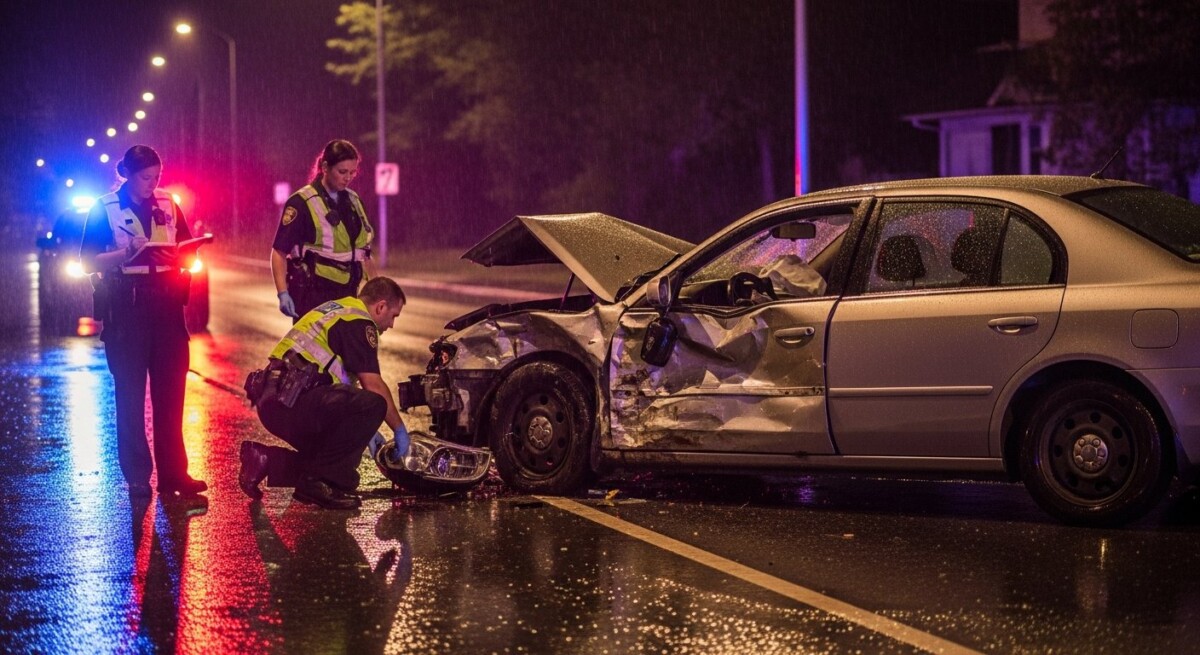
Being hit by a drunk driver is a terrifying and life-altering event. In the moments after the crash, you may be dealing with injuries, vehicle damage, and confusion about what comes next. One of the first questions that crosses your mind is likely: can I file claim for accident due to drunk driver? The short answer is yes, you absolutely can. But the process involves multiple layers of insurance law, liability rules, and state regulations that go far beyond a standard car accident claim. Understanding your rights and the steps to take can mean the difference between covering your medical bills and being left with overwhelming debt.
Drunk driving accidents are unique because they involve criminal behavior. The driver who hit you may face arrest, jail time, and license suspension. However, the civil claim for your injuries and damages is a separate process. You do not need to wait for a criminal conviction to file a claim. In fact, starting your claim early can protect your ability to collect compensation before evidence disappears or insurance limits run out. This article walks you through everything you need to know about filing a claim after a drunk driving accident, from insurance options to legal strategies and common pitfalls.
Who Is Liable in a Drunk Driving Accident
Liability in a drunk driving accident typically falls on the impaired driver. However, other parties may share responsibility depending on the circumstances. When you ask can I file claim for accident due to drunk driver, you should consider all potential sources of compensation. The drunk driver’s auto insurance policy is the first place to look. Most states require drivers to carry liability insurance, and that policy should cover your damages up to the policy limits. But if the drunk driver has minimal coverage or no insurance at all, you may need to explore other options.
In some cases, a bar, restaurant, or social host that served alcohol to an obviously intoxicated person can be held liable under dram shop laws. These laws vary by state, but they allow victims to pursue claims against establishments that over-served the driver. Additionally, if the drunk driver was driving a company vehicle or was on the job at the time of the crash, the employer may be vicariously liable. Your own uninsured or underinsured motorist coverage can also step in when the at-fault driver lacks sufficient insurance. In our guide on can I claim injury after a minor crash, we explain how even seemingly minor accidents can lead to significant compensation when liability is clear.
What Damages Can You Recover
When you file a claim after a drunk driving accident, you can seek compensation for both economic and non-economic damages. Economic damages include concrete financial losses such as medical expenses, lost wages, vehicle repair or replacement costs, and future medical care. Non-economic damages cover pain and suffering, emotional distress, loss of enjoyment of life, and loss of consortium. In cases involving drunk driving, courts may also award punitive damages. Punitive damages are designed to punish the driver for gross negligence and deter similar conduct. These damages can significantly increase the total compensation you receive.
It is important to document every loss thoroughly. Keep copies of medical bills, repair estimates, pay stubs showing missed work, and a journal describing how your injuries affect daily life. Insurance adjusters will scrutinize your claim, so strong evidence is essential. If the drunk driver is convicted of DUI, that conviction can be used as evidence of negligence in your civil case, making it easier to prove liability. However, you do not need a criminal conviction to recover damages. Civil cases have a lower burden of proof, so you can win compensation even if the driver is not convicted criminally. For more on how different accident scenarios affect claims, see our article on can I file claim after accident caused by faulty brakes.
Steps to Take After a Drunk Driving Accident
Your actions immediately after the crash can make or break your claim. Follow these steps to protect your rights and build a strong case:
- Call 911 immediately. Report the accident and request police and medical assistance. The police report will document the driver’s impairment, which is critical evidence.
- Seek medical attention. Even if you feel fine, get checked by a doctor. Some injuries, like whiplash or internal bleeding, may not show symptoms right away. A medical record creates a link between the accident and your injuries.
- Gather evidence at the scene. Take photos of the vehicles, the crash scene, skid marks, road conditions, and any visible injuries. Get contact information from witnesses.
- Do not discuss fault. Avoid apologizing or admitting fault. Let the police and your attorney handle liability discussions.
- Contact your insurance company. Notify your insurer about the accident, but stick to the facts. Do not give a recorded statement without consulting a lawyer.
- Preserve evidence. Keep all medical records, bills, repair estimates, and correspondence with insurance companies. Do not delete photos or videos from your phone.
These steps create a clear timeline and evidence chain that strengthens your claim. Insurance companies often try to minimize payouts by disputing the severity of injuries or blaming you for the crash. Having solid documentation counters those tactics. If you were injured while away from home, the process can be more complex. Read our guide on can I file a claim after an accident during vacation for tips on handling out-of-state claims.
Insurance Challenges and Your Options
Dealing with insurance companies after a drunk driving accident can be frustrating. The drunk driver’s insurer may try to delay or deny your claim, especially if the policy limits are low. In many states, the minimum liability limits are only $25,000 per person and $50,000 per accident. That amount can be exhausted quickly by emergency room visits and surgery. If the driver has no insurance, your options become more limited but still exist.
Your own uninsured motorist (UM) and underinsured motorist (UIM) coverage is designed for exactly this situation. UM coverage pays when the at-fault driver has no insurance. UIM coverage pays when the driver’s insurance is insufficient to cover your damages. These coverages are required in some states and optional in others. If you have them, your insurer steps into the shoes of the at-fault driver and pays your claim up to your policy limits. You can also file a claim against your own medical payments coverage or personal injury protection (PIP) to cover immediate medical costs regardless of fault.
Another option is to file a lawsuit against the drunk driver directly. Even if the driver has few assets, a judgment can be used to garnish wages or seize assets in the future. Some states allow you to attach a lien to the driver’s property. However, collecting on a judgment can be difficult if the driver is judgment-proof. A qualified attorney can evaluate the best strategy for your specific situation. For pedestrian victims, the same principles apply. Our article on can I claim injury from a pedestrian accident explains how fault and insurance work when the victim is not in a vehicle.
The Role of a Personal Injury Attorney
While you can file a claim on your own, hiring an experienced personal injury attorney is almost always advisable in drunk driving cases. These cases involve complex legal issues, including criminal proceedings, multiple insurance policies, and strict deadlines. An attorney can investigate the accident, gather evidence, negotiate with insurers, and file a lawsuit if necessary. They can also identify all liable parties, such as bars or employers, that you may not have considered.
Most personal injury attorneys work on a contingency fee basis, meaning they only get paid if you win. This arrangement makes legal representation accessible even if you cannot afford upfront costs. During your free consultation, the attorney will evaluate your case and explain your options. They will also handle all communication with insurance companies, protecting you from making statements that could harm your claim. In drunk driving cases, the emotional toll is high. Having a lawyer handle the legal burden allows you to focus on recovery.
Statute of Limitations and Deadlines
Every state imposes a statute of limitations for filing a personal injury lawsuit. This deadline varies by state, typically ranging from one to six years from the date of the accident. Missing the deadline can permanently bar you from recovering compensation. In drunk driving cases, some states have shorter deadlines if a government entity is involved or if the victim is a minor. It is critical to know your state’s specific deadline and act well before it expires.
There are also deadlines for filing claims with insurance companies. Most policies require you to notify the insurer promptly after an accident. Delaying notification can give the insurer a reason to deny your claim. Additionally, if you plan to use your own UM or UIM coverage, your policy may have a shorter deadline for filing a claim or initiating arbitration. To avoid missing any deadlines, consult an attorney as soon as possible after the accident.
Frequently Asked Questions
Can I file a claim if the drunk driver was not arrested?
Yes. A DUI arrest is not required for you to file a civil claim. You can still prove the driver was impaired through other evidence, such as witness statements, blood alcohol test results from the hospital, or the police officer’s observations at the scene.
What if I was also drinking before the accident?
Your own alcohol consumption can complicate your claim. If you were impaired, the insurance company may argue comparative negligence, reducing your compensation by your percentage of fault. However, you may still recover damages if your fault is less than 50% in most states. An attorney can help you navigate this issue.
How long does a drunk driving claim take to settle?
The timeline varies widely. Some claims settle in a few months if liability is clear and insurance limits are adequate. Others take a year or more, especially if a lawsuit is filed or punitive damages are pursued. Your attorney can give you a realistic estimate based on your case specifics.
Can I get compensation if the drunk driver died in the crash?
Yes. You can file a claim against the drunk driver’s estate. The estate’s insurance policy should cover the accident, and you may also pursue a claim against your own UM coverage if the estate’s assets are insufficient.
Do I have to go to court?
Most personal injury claims settle out of court. However, if the insurance company refuses to offer a fair settlement, your attorney may recommend filing a lawsuit. Going to trial is less common but sometimes necessary to secure full compensation.
If you or a loved one has been injured by a drunk driver, you do not have to face the process alone. A free case evaluation can help you understand your rights and the value of your claim. Many attorneys offer no-obligation consultations, so you can get answers without financial risk. The key is to act quickly, preserve evidence, and seek professional guidance. With the right approach, you can hold the drunk driver accountable and secure the compensation you need to move forward.