Can I File a Claim After an Accident During Vacation
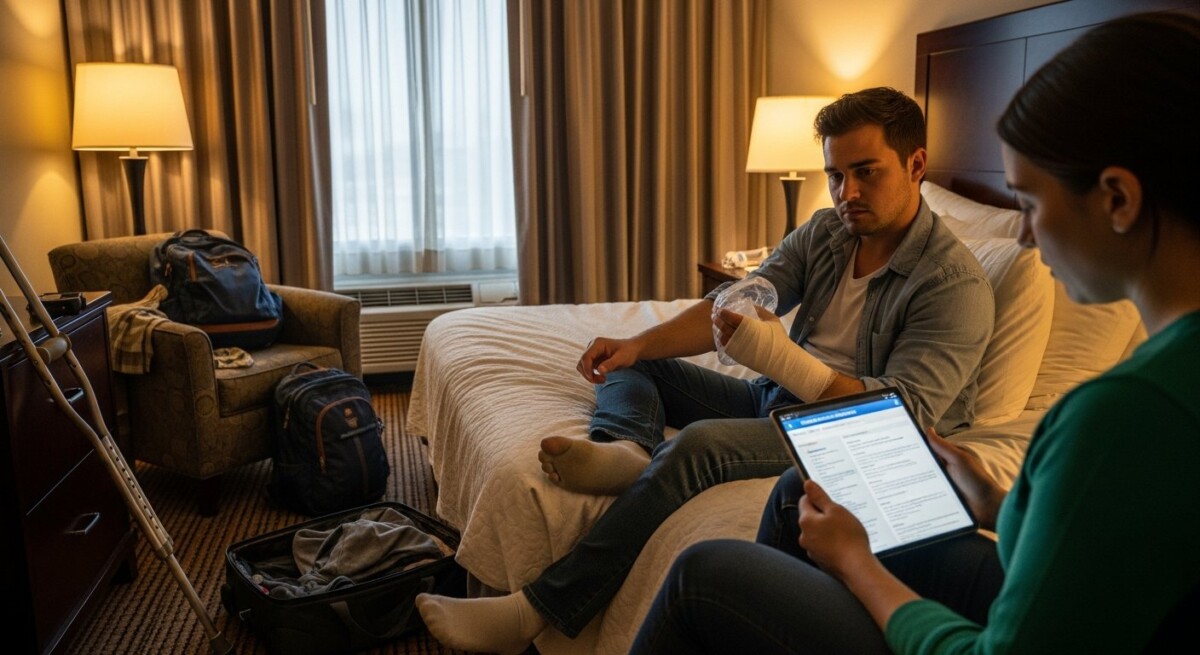
Vacations are meant for relaxation and making memories, but an unexpected accident can turn a dream trip into a stressful ordeal. If you have been injured while traveling, you might wonder, can I file a claim after accident during vacation? The short answer is yes. However, the process involves unique legal and logistical challenges that differ from accidents closer to home. Understanding your rights and the steps to take can make the difference between a successful claim and a frustrating dead end.
When an injury occurs away from your primary residence, factors such as jurisdiction, insurance policy terms, and medical access come into play. Whether you slipped at a hotel, were involved in a car crash on a rental vehicle, or suffered an injury during a guided tour, you generally retain the same legal rights as you would at home. The key is to act promptly and gather the right evidence. Many injured travelers assume that being out of state or out of the country eliminates their ability to recover compensation. That assumption is incorrect. In fact, filing a claim after a vacation accident is often possible, but it requires a strategic approach to ensure you do not miss critical deadlines or forfeit coverage.
Understanding Legal Jurisdiction After a Vacation Accident
One of the first hurdles in answering “can I file a claim after accident during vacation” is determining where to file the claim. Jurisdiction refers to the court or legal system that has authority over your case. If you were injured in a different state within the United States, you typically file in the state where the accident occurred. This may require hiring an attorney licensed in that jurisdiction, but many law firms have networks or referrals to handle such cases. If the accident happened overseas, the rules become more complex. You may need to file a claim under the laws of the foreign country, or you might be able to pursue action in the United States if the responsible party is a U.S.-based company, such as a cruise line, hotel chain, or tour operator.
Another critical factor is the concept of “forum non conveniens,” which allows a court to dismiss a case if another court is more appropriate. For example, if you were injured on a cruise ship in international waters, your claim might need to be filed in the ship’s home port or as specified in your ticket contract. Reading the fine print of any travel agreements you signed can reveal important clauses about where disputes must be resolved. This is why consulting with a legal professional experienced in travel-related injuries is essential. They can analyze your situation and advise on the best jurisdiction for maximizing your compensation.
Insurance Coverage for Vacation Accidents
Your insurance policies at home may provide coverage for injuries sustained during vacation. Health insurance often covers medical treatment anywhere in the United States, but coverage outside the country varies widely. Some policies exclude international care or require pre-authorization. Additionally, your auto insurance may cover rental cars, though again, this depends on your specific policy. If you purchased travel insurance, it might include medical coverage, trip interruption benefits, or even liability protection if you caused damage. Review your policies immediately after an accident to understand what is available.
If the accident involved a third party, such as a negligent driver or a property owner, their liability insurance should be the primary source of compensation. For instance, if a hotel’s broken railing caused your fall, the hotel’s liability policy should cover your medical bills, lost wages, and pain and suffering. The challenge is that out-of-state insurance companies may be less cooperative with claimants they do not know. They might delay responses or offer low settlements hoping you will give up. Having legal representation can level the playing field. In our guide on can I claim injury after a minor crash, we explain how even seemingly minor incidents can lead to significant claims when handled properly.
Steps to Take Immediately After a Vacation Injury
Taking the right steps at the accident scene can strengthen your claim and make the legal process smoother. Below are the most important actions to take, ideally within the first 24 hours.
- Seek medical attention: Your health comes first. Visit a clinic or emergency room, even if injuries seem minor. Delayed symptoms can worsen, and medical records create a direct link between the accident and your injuries.
- Document the scene: Take photos and videos of the location, your injuries, and any hazards that caused the accident. Capture wide shots and close-ups. If there were witnesses, ask for their contact information.
- Report the accident: Notify the property owner, tour operator, or rental car agency immediately. Request a written incident report and keep a copy for your records. Do not sign any waivers or settlement offers without legal advice.
- Preserve evidence: Keep all receipts, tickets, rental agreements, and communication logs. Save clothing or equipment damaged in the accident as potential evidence.
- Notify your insurance company: Contact your health, auto, and travel insurers as soon as possible. Provide factual details without speculating about fault.
Following these steps can prevent the responsible party from disputing the facts later. Insurance adjusters often rely on gaps in documentation to deny claims. By building a thorough record from the start, you make it harder for them to undervalue your case. Additionally, prompt medical care demonstrates that your injuries were serious enough to require treatment, which supports a demand for higher compensation.
Challenges Unique to Vacation Accident Claims
Filing a claim after a vacation accident presents several obstacles that local claims do not. One major issue is the statute of limitations, which is the deadline for filing a lawsuit. These deadlines vary by state and country. If you were injured in a state with a one-year limit, but you live in a state with a two-year limit, the shorter period applies. Missing this window can bar you from recovering anything. Another challenge is proving liability when the responsible party is a large corporation, such as a cruise line or resort chain. These companies have legal teams dedicated to minimizing payouts. They may argue that you assumed the risk by participating in an activity, or that your own negligence contributed to the injury.
Additionally, coordinating medical treatment across state lines or international borders can complicate your recovery. You may need to travel back for follow-up appointments or struggle to get records transferred. Some insurers require you to see approved providers, which may not be available in your vacation location. This is where a legal advocate becomes invaluable. They can handle communications with insurers and medical providers, allowing you to focus on healing. For a similar scenario involving property-based injuries, see our article on filing a claim after accident on school premises, which outlines how location-specific factors affect liability.
How to Prove Negligence in a Vacation Injury Case
To win a personal injury claim, you must prove that another party’s negligence caused your injuries. Negligence has four elements: duty, breach, causation, and damages. The property owner or service provider had a duty to keep you safe. They breached that duty through action or inaction, such as failing to repair a broken step or not warning about a known hazard. That breach directly caused your injury, resulting in measurable damages like medical bills, lost income, or pain and suffering. Gathering evidence that supports each element is critical.
For example, imagine you slipped on a wet floor in a hotel lobby. You would need to show that the hotel knew or should have known about the spill and failed to clean it or place warning signs. A photo of the spill, a witness statement confirming it had been there for some time, and a medical report linking the fall to your broken wrist would build a strong case. If you delayed seeking treatment or did not photograph the scene, the hotel’s insurer might argue that the injury happened elsewhere. This is why acting quickly is essential. If you initially treated yourself and later sought medical help, our piece on can I file a claim after self treatment initially offers guidance on how that affects your case.
Working With an Attorney for Vacation Accident Claims
Hiring an attorney who specializes in personal injury and has experience with travel-related cases can significantly improve your outcome. Many attorneys offer free consultations and work on a contingency fee basis, meaning they only get paid if you win. They can handle the complexities of out-of-state filings, negotiate with insurance companies, and if necessary, file a lawsuit. An attorney can also identify all potential sources of compensation, such as multiple insurance policies or third-party liability. For instance, if a defective product caused your injury, the manufacturer might be liable in addition to the property owner.
When selecting an attorney, ask about their experience with cases similar to yours. Inquire about how they handle communication across time zones and whether they partner with local counsel in the jurisdiction where the accident occurred. A good attorney will also explain the likely timeline and potential outcomes. For pedestrian-related vacation injuries, such as being hit by a car while walking to a resort, see our guide on can I claim injury from a pedestrian accident, which covers similar legal principles.
Frequently Asked Questions
Can I file a claim if I was injured on a cruise ship?
Yes, but cruise ship claims are subject to strict limitations. Your ticket contract typically requires that you file a written notice within six months and a lawsuit within one year. The claim must often be filed in a specific federal district, usually in Florida or Washington. Consult an attorney familiar with maritime law.
Does my health insurance cover medical treatment abroad?
It depends on your policy. Many U.S. health insurance plans provide limited or no coverage outside the country. Travel insurance or supplemental medical evacuation insurance can fill this gap. Check your policy before your trip, and if injured, contact your insurer immediately.
What if the accident was partly my fault?
You may still recover compensation under comparative negligence laws. Your award will be reduced by your percentage of fault. For example, if you are found 20% at fault, you receive 80% of the damages. An attorney can help minimize your assigned fault.
How long do I have to file a claim after a vacation accident?
The statute of limitations varies by location. In most U.S. states, it ranges from one to three years for personal injury claims. For accidents in other countries, the deadline may be shorter. Always consult an attorney promptly to avoid missing the deadline.
Can I sue a foreign company in a U.S. court?
Sometimes. If the company has significant ties to the United States, such as a corporate headquarters or regular business operations, you may be able to sue here. Otherwise, you may need to file in the foreign country. An attorney can evaluate the best option.
Final Thoughts on Filing a Claim After a Vacation Accident
Being injured on vacation is stressful, but it does not mean you have to bear the financial burden alone. The answer to “can I file a claim after accident during vacation” is generally yes, provided you act quickly and gather strong evidence. Understanding jurisdiction, insurance coverage, and the importance of legal representation can help you navigate the process with confidence. If you or a loved one has been injured while traveling, do not wait. Contact a qualified personal injury attorney to evaluate your case. With the right support, you can focus on recovery while your legal team fights for the compensation you deserve.