Company Vehicle Involved in an Accident: Key Steps
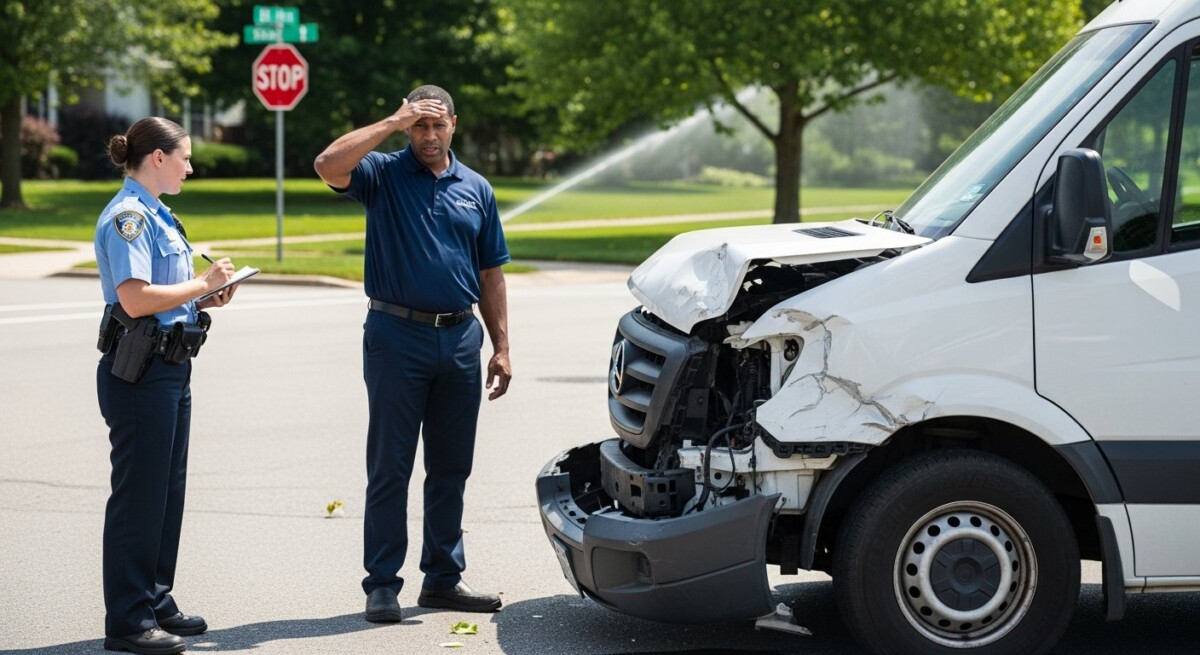
Imagine you are driving a company vehicle for work, running a routine errand, and suddenly you are in a collision. Your heart races. Your mind floods with questions: Who pays for the damage? Will I lose my job? What if the company vehicle involved in an accident leaves me personally liable? These are not just hypothetical worries. Every year, thousands of employees face this exact scenario, and the outcomes depend heavily on how they respond in the first few hours and days. Understanding your rights, your employer’s insurance coverage, and the legal landscape can mean the difference between a smooth resolution and a financial nightmare. This article breaks down exactly what you need to do, what to expect, and how to protect yourself when a company vehicle is involved in an accident.
The moment an accident happens, your actions set the tone for everything that follows. Whether you are driving a delivery van, a sales car, or a heavy truck, the steps you take immediately after the crash can protect your legal standing and your employment. The key is to stay calm, follow a clear protocol, and avoid common mistakes that could complicate the claim. Let us walk through the essential steps you must take, from the scene of the accident to dealing with insurance adjusters and potential lawsuits.
Immediate Steps After a Company Vehicle Accident
Your safety and the safety of others come first. If anyone is injured, call 911 immediately. Do not move seriously injured people unless there is an immediate danger like a fire or leaking fuel. Once emergency services are on the way, secure the scene. Turn on hazard lights, set up warning triangles if you have them, and stay inside the vehicle if it is safe to do so. Exiting the vehicle on a busy highway can be more dangerous than staying put.
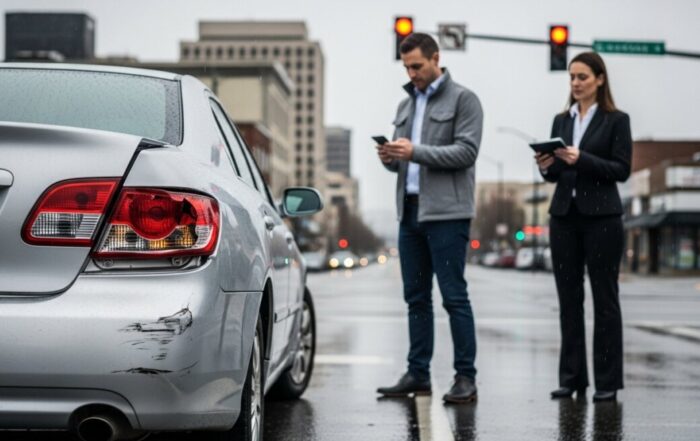
After ensuring safety, do not discuss fault or liability at the scene. Even a simple apology like ‘I am sorry’ can be used against you later to suggest you admitted fault. Instead, exchange information with the other driver: names, phone numbers, insurance details, and vehicle information. Also, get contact information from any witnesses. If you have a smartphone, take photos and video of the damage, the surrounding area, traffic signs, and the positions of the vehicles. This evidence can be invaluable when insurance companies start assigning blame.
Next, report the accident to your employer as soon as possible. Most companies have a specific protocol for reporting company vehicle accidents. Follow that process exactly. Do not wait until you return to the office. Call your supervisor or the designated safety officer from the scene. Your employer will likely want to know the location, the extent of damage, and whether anyone was injured. Be honest and factual. Do not speculate about what caused the accident. Stick to what you observed.
Understanding Employer Insurance and Liability
One of the most common questions employees ask is: What if the company vehicle involved in an accident is not covered by enough insurance? In many cases, your employer’s commercial auto policy is the primary coverage. This policy typically covers bodily injury and property damage caused by the vehicle while it is being used for business purposes. However, the limits of that policy matter. If the damages exceed the policy limits, the other party may look to you personally for the remaining amount.
It is important to understand the difference between a company vehicle and a personal vehicle used for work. If you were driving your own car for a work-related task, your personal auto insurance might be primary, and your employer’s policy might be secondary. But when the vehicle is owned by the company, the company’s insurance usually takes the lead. Still, there are exceptions. If you were using the vehicle outside the scope of your employment, such as for a personal errand, the company’s insurance may deny coverage, leaving you exposed.
Your employer may also have a policy that requires you to reimburse them for certain damages, like the deductible or the cost of repairs if you were at fault. Read your employee handbook or your employment contract carefully. Some companies have strict policies about at-fault accidents, including potential discipline or termination. Knowing these policies before an accident happens can help you prepare. If you are unsure about your coverage, ask your HR department or safety manager for a copy of the insurance certificate.
Dealing With Insurance Claims and Adjusters
After a company vehicle accident, you will likely deal with multiple insurance adjusters: your employer’s adjuster, the other driver’s adjuster, and possibly your own personal auto insurer if you have one. It is critical to remember that adjusters work for their companies, not for you. Their goal is to minimize the payout for their employer. Therefore, be cautious about what you say. Stick to the facts of the accident. Do not guess about speeds, distances, or who was at fault. If you are unsure about a detail, say ‘I do not know’ or ‘I do not recall.’
Your employer may have a claims department that handles the process for you. In some cases, they will instruct you not to speak with other insurance companies directly. Follow those instructions. If you are required to give a statement, have a lawyer or your employer’s representative present if possible. Remember that anything you say can be used to deny coverage or shift blame. For example, if you say you were distracted by a phone call, the adjuster may argue that you were negligent, even if the call was work-related.
If the accident involves serious injuries or significant property damage, the stakes are higher. The other party may hire a lawyer and file a lawsuit against you and your employer. In most cases, your employer’s insurance will provide a defense attorney for both you and the company, but there can be conflicts of interest. For instance, if the insurance company believes you violated company policy, they may try to deny coverage for you while still covering the company. In that situation, you need your own attorney.
For a deeper look at how claims are handled when multiple vehicles are involved, see our guide on Multi-Car Accident: What If An Accident Involved Multiple Vehicles. That article explains the complexities of fault and insurance stacking in multi-vehicle collisions, which often apply when a company vehicle is part of a chain-reaction crash.
Legal Protections for Employees
As an employee driving a company vehicle, you have certain legal protections, but they are not absolute. In many states, your employer is vicariously liable for your negligence while you are acting within the scope of your employment. This means the injured party can sue the company for your mistakes. However, if you were acting outside the scope of your job, such as driving to a personal appointment without permission, the company may not be liable, and you could be personally responsible for all damages.
Another protection is the doctrine of respondeat superior, which holds employers responsible for employees’ actions during work. This often encourages employers to carry adequate insurance. But it also means that if you cause an accident, the company’s insurance will likely pay, but the company may then seek reimbursement from you if you violated company policy. Some states allow employers to garnish wages or deduct amounts from your final paycheck for damages you caused, but only if you agreed to this in writing or if state law permits it.
If the accident leads to a lawsuit, your employer’s insurance should provide a lawyer. But what if the insurance company decides that your actions were intentional or criminal, such as driving under the influence? In that case, they may deny coverage entirely. This is a worst-case scenario. If you are facing personal liability for a company vehicle accident, you should consult with a personal injury attorney who understands both employment law and insurance coverage. Many attorneys offer free initial consultations, which can help you understand your options without financial risk.
When to Contact a Personal Injury Lawyer
You may need a lawyer even if you were not at fault. If the other driver was negligent and you were injured, you have the right to seek compensation for your medical bills, lost wages, and pain and suffering. However, because the vehicle is owned by a company, the claims process can be more complicated. The other driver’s insurance may try to argue that you are covered by workers’ compensation, which could limit your ability to sue them. In reality, workers’ comp may cover your medical expenses and lost wages, but it does not cover pain and suffering or punitive damages. A lawyer can help you navigate these overlapping systems.
If you were at fault, a lawyer can still be valuable. They can help you negotiate with your employer’s insurance to prevent them from denying coverage or seeking reimbursement from you. They can also help you understand whether your personal umbrella policy might provide additional protection. In some cases, a lawyer can even help you avoid personal liability by arguing that you were acting within the scope of your employment and that the company’s insurance must cover the full extent of the damages.
For those involved in accidents where fault is disputed, the article Multi-Car Accident: What If An Accident Involved Multiple Vehicles provides insights into how comparative negligence rules apply across multiple parties, which is especially relevant when a company vehicle is one of several involved.
Frequently Asked Questions
Will I lose my job if I have an accident in a company vehicle?
It depends on your employer’s policy and the circumstances of the accident. Many companies have a progressive discipline policy for accidents, especially if you were at fault. A single minor accident may not cost you your job, but a serious accident involving injuries or gross negligence could lead to termination. Check your employee handbook and speak with HR about your specific situation.
Does my personal auto insurance cover me when I drive a company vehicle?
Generally, your personal auto insurance does not cover a vehicle you do not own. However, some policies include a provision for non-owned vehicles, which may provide limited coverage if the company’s insurance is insufficient. You should review your personal policy or ask your insurance agent about this. It is also wise to consider a personal umbrella policy for extra protection.
What if the company vehicle involved in an accident is uninsured or underinsured?
If your employer’s insurance limits are too low to cover the damages, the other party may sue you personally. In some states, you can purchase uninsured/underinsured motorist coverage on your personal policy, which might help. But the best protection is to verify that your employer carries adequate coverage before you start driving their vehicle. If you are concerned, ask for a certificate of insurance.
Can I sue my employer if I am injured in a company vehicle accident?
In most states, workers’ compensation is your exclusive remedy for injuries sustained on the job, including while driving a company vehicle. This means you generally cannot sue your employer for negligence. However, there are exceptions, such as if your employer intentionally caused the accident or if a third party, like another driver, was at fault. In that case, you can sue the third party for damages beyond workers’ comp.
What should I do if the other driver’s insurance offers me a settlement?
Do not accept any settlement without first consulting a lawyer, especially if you were injured. Insurance companies often offer quick, lowball settlements to close the case before you understand the full extent of your injuries or the long-term costs. A lawyer can evaluate the offer and negotiate for a fair amount. Remember, once you accept the settlement, you cannot ask for more money later.
For more information on how fault is determined and insurance applies in complex scenarios, refer to the article Multi-Car Accident: What If An Accident Involved Multiple Vehicles. It covers how insurers allocate blame when more than one driver is involved, which is directly relevant when a company vehicle is part of a multi-car pileup.
Being involved in a company vehicle accident is stressful, but knowing what to do can protect your job, your finances, and your legal rights. If you are ever in this situation, remember to prioritize safety, document everything, report to your employer promptly, and consult a lawyer if you face serious injury or potential personal liability. Taking these steps can help you navigate the aftermath with confidence and clarity.