What Happens If Parents Are Liable for Child’s Actions
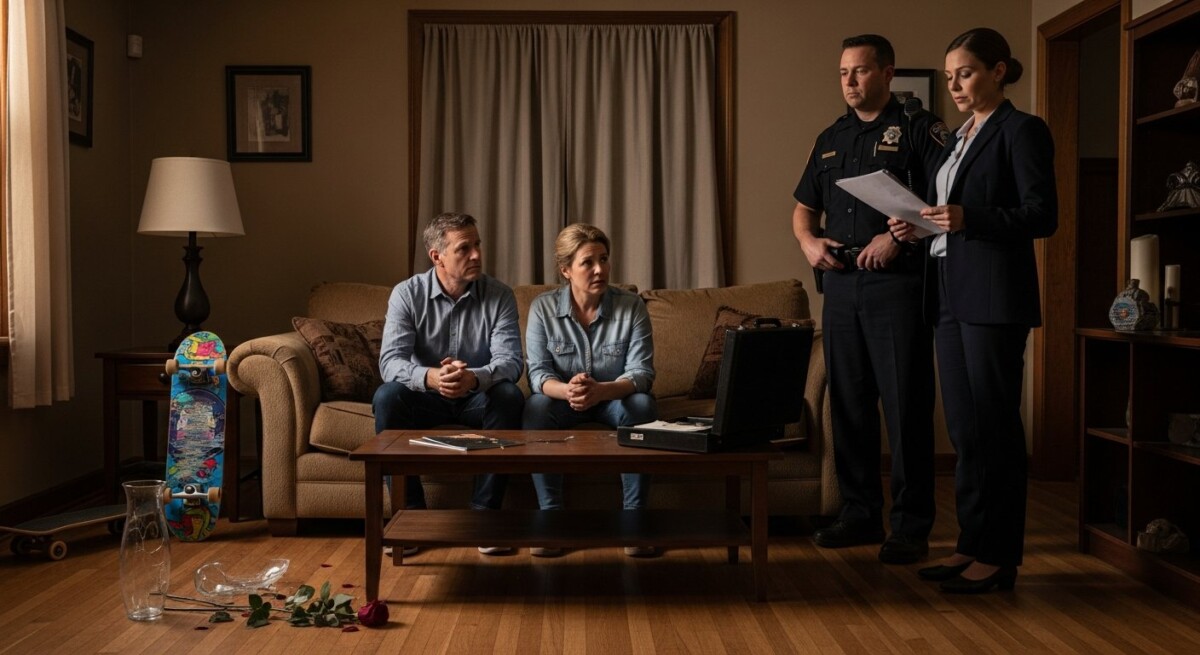
When a child causes harm to someone else or damages property, the question of parental liability often arises. Many people assume parents are automatically responsible for everything their child does, but the reality is more nuanced. Understanding what happens if parents are held liable involves examining state laws, the nature of the incident, and the limits of financial responsibility. This article breaks down the legal framework, potential consequences, and practical steps parents should take if they face a liability claim.
Legal Basis for Parental Liability
Parental liability laws vary by state, but most jurisdictions impose some form of responsibility on parents for intentional or negligent acts committed by their minor children. The core idea is that parents have a duty to supervise and control their children, and failure to do so can result in legal consequences. In many states, statutes specifically cap the amount a parent can be required to pay, often ranging from $5,000 to $25,000 per incident.
Courts also look at common law principles such as negligent supervision. If a parent knew or should have known that their child posed a risk to others and failed to take reasonable steps to prevent harm, they may be found personally liable beyond statutory caps. For example, if a parent leaves a firearm accessible and the child uses it to injure someone, the parent could face significant liability under both civil and criminal theories.
Common Scenarios Where Parents Are Held Liable
Parental liability claims typically arise from specific types of incidents. Property damage is one of the most frequent categories: a child throws a rock through a neighbor’s window, vandalizes a school, or breaks merchandise in a store. Parents may be required to pay restitution or face a civil lawsuit for the cost of repairs or replacement.
Injuries to others are another common scenario. If a child physically assaults another child, causes a traffic accident while driving without a license, or engages in bullying that leads to emotional harm, the injured party may seek compensation from the parents. In some states, parents can also be held liable for their child’s online behavior, such as cyberbullying or posting defamatory content.
For a deeper look at how liability applies when multiple injuries occur in a single event, see our discussion on multi-injury claims and what happens when multiple injuries occur.
Financial Consequences for Parents
The financial impact of being held liable for a child’s actions can be substantial. Even with statutory caps, a single incident could cost a parent thousands of dollars. Beyond direct damages, parents may face legal fees, court costs, and increased insurance premiums. Homeowner’s insurance or renter’s insurance often covers liability for certain acts of a minor, but policies typically exclude intentional misconduct or criminal behavior.
Parents should understand the limits of their insurance coverage and consider adding a personal liability umbrella policy for broader protection. If a judgment exceeds insurance limits, the parent’s personal assets,such as savings accounts, real estate, and future wages,may be at risk. In extreme cases, wage garnishment or liens against property can result.
Defenses Parents Can Raise
Parents are not automatically liable in every situation. Several defenses can reduce or eliminate liability. One common defense is that the parent exercised reasonable supervision and still could not prevent the child’s actions. Courts recognize that even diligent parents cannot control every behavior, especially with teenagers or children who have mental health challenges.
Another defense is that the child’s act was truly independent and not foreseeable. For example, if a child secretly leaves the house at night and commits vandalism without any prior warning signs, a parent may argue they had no reason to anticipate the behavior. Additionally, if the child is older and has a job, the parent may argue that the child’s own earnings should cover the damages rather than the parent’s assets.
In some states, parents may also raise the defense of parental immunity, which historically protected parents from lawsuits by their own children. However, this doctrine has been narrowed in many jurisdictions and does not apply to third-party claims.
Steps to Take If Facing a Liability Claim
If you receive a demand letter or are sued because of your child’s actions, take immediate steps to protect your legal and financial interests. Do not ignore the claim, as failure to respond can result in a default judgment against you.
Follow these steps:
- Notify your insurance company immediately. Provide them with the details of the incident and any correspondence you have received.
- Gather all evidence related to the incident: photos, witness statements, police reports, and school records if applicable.
- Consult with an attorney who specializes in personal injury or family law. Many offer free initial consultations.
- Do not admit fault or offer to pay damages without legal advice. Statements made in the heat of the moment can be used against you later.
- Consider mediation or settlement discussions if the claim is reasonable and within your insurance coverage limits.
Taking these steps early can prevent the situation from escalating and help you manage costs. For cases involving inadequate supervision claims, review our article on what happens if supervision was inadequate to understand how courts evaluate that factor.
Criminal Liability for Parents
In rare but serious cases, parents may face criminal charges for their child’s actions. This typically occurs when the parent’s own conduct,such as providing alcohol to minors, allowing access to weapons, or failing to report truancy,contributes to the harm. Some states have laws that hold parents criminally liable for their child’s criminal acts, especially in cases of repeated delinquency or curfew violations.
Penalties can include fines, mandatory parenting classes, community service, or even jail time in extreme circumstances. For example, if a parent knowingly allows a child to drive without a license and the child causes a fatal accident, the parent could be charged with vehicular homicide or endangering the welfare of a child.
If you are involved in an accident caused by an uninsured driver, the legal dynamics can shift significantly. Read more in our guide on uninsured driver accidents and what happens next.
How Courts Determine Damages
When a court finds parents liable, it must calculate the amount of damages. Damages can include economic losses such as medical bills, property repair costs, and lost wages. Non-economic damages like pain and suffering are sometimes available but may be capped or excluded in parental liability cases, depending on state law.
Courts also consider the parent’s ability to pay. While a judgment may be entered for a large amount, the court can order payment in installments or suspend enforcement if the parent demonstrates financial hardship. However, interest accrues on unpaid judgments, and collection efforts can continue for years.
Long-Term Implications for Parents
Being held liable for a child’s actions can have lasting effects beyond the immediate financial hit. A civil judgment can appear on credit reports and affect the parent’s ability to obtain loans, rent housing, or secure employment. In some professions, a judgment or criminal conviction can trigger licensing issues or termination.
Additionally, the relationship between parent and child may be strained by the legal process. Parents may feel resentful or pressured, while the child may experience guilt or defiance. Family counseling can help both parties navigate the emotional aftermath and develop strategies to prevent future incidents.
For parents who own a business or work as mechanics, liability issues can intersect with professional responsibilities. Explore how mechanic liability applies in our article on mechanic liability and what happens when a mechanic is liable.
Frequently Asked Questions
Can parents be held liable for a child’s actions if they are divorced?
Yes. Both parents may be held jointly and severally liable, depending on custody arrangements and state law. The parent who had primary custody at the time of the incident may bear more responsibility, but the other parent may still be on the hook if they contributed to the child’s behavior or failed to supervise during their parenting time.
What if the child has a mental health condition?
Mental health conditions do not automatically shield parents from liability, but they can be a factor. If the parent was aware of the condition and failed to secure treatment or take reasonable precautions, liability may increase. Conversely, if the condition made the child’s behavior unforeseeable, the parent may have a stronger defense.
Does homeowner’s insurance cover parental liability?
Many homeowner’s and renter’s insurance policies include liability coverage for acts of a minor child, but exclusions apply. Intentional acts, criminal behavior, and business-related activities are typically not covered. Review your policy carefully or ask your agent to explain the terms.
Can a parent be sued for a child’s actions after the child turns 18?
Generally, no. Parental liability ends when the child reaches the age of majority, which is 18 in most states. However, if the parent’s negligent supervision occurred before the child turned 18, a lawsuit may still be filed after the child’s birthday, as long as the statute of limitations has not expired.
What is the maximum amount a parent can be forced to pay?
Statutory caps vary widely. Some states limit parental liability to $5,000 or $10,000 per incident, while others have no cap at all. In cases involving negligent supervision or the parent’s own misconduct, there may be no limit. Always check your state’s specific laws or consult an attorney.
Understanding what happens if parents are liable for their child’s actions requires careful analysis of the facts and applicable law. If you are facing a claim or want to proactively protect your family, speak with a qualified attorney who can advise you on your rights and options. Taking the right steps early can make a significant difference in the outcome.