Uninsured Driver Accident: What Happens Next
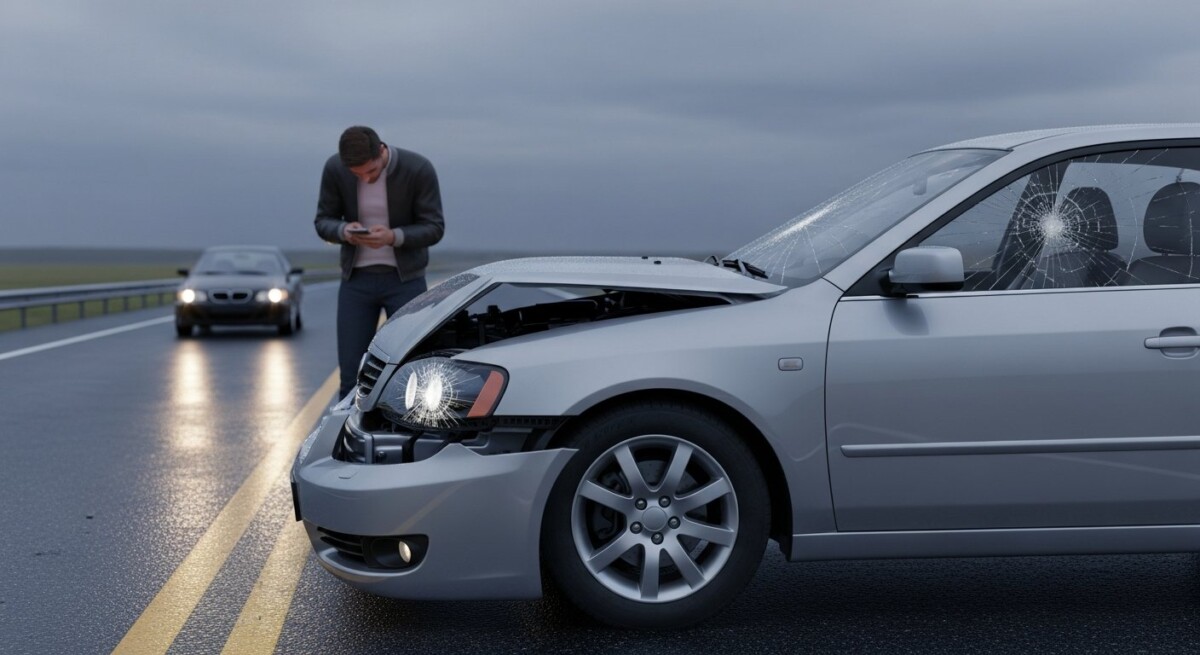
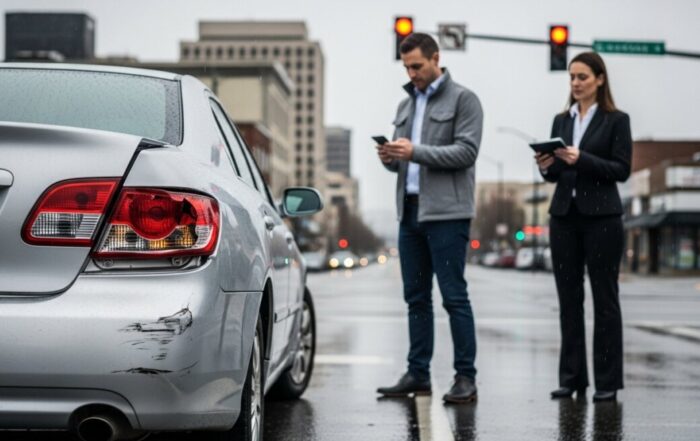
Being involved in a car accident is stressful enough, but discovering that the other driver has no insurance can feel like a financial and legal nightmare. You may wonder who pays for your medical bills, how to repair your vehicle, and whether you have any legal recourse at all. Understanding what happens if a driver was uninsured is the first step toward protecting your rights and recovering compensation. This situation is more common than many realize, and the path forward depends on your own insurance policy, state laws, and the specific details of the crash.
In the United States, roughly one in eight drivers is uninsured, according to the Insurance Research Council. That means the odds of encountering an uninsured motorist are significant. When you are hit by someone without liability coverage, you cannot simply file a claim against their insurance company because they have none. Instead, you must look to your own policy, especially your uninsured motorist (UM) coverage, and explore other legal options. The key is to act quickly and understand the rules that apply in your state.
Your Insurance Coverage Is Your First Line of Defense
The most important factor in what happens if a driver was uninsured is whether you carry uninsured motorist coverage. This type of insurance is designed specifically for this scenario. It steps into the shoes of the at-fault driver’s missing liability policy and pays for your medical expenses, lost wages, and sometimes pain and suffering, up to the limits you selected. In many states, UM coverage is mandatory, while in others it is optional but strongly recommended.
If you have UM coverage, the claims process begins by notifying your own insurance company about the accident. You will need to provide evidence that the other driver was uninsured, such as a police report or a statement from the other driver admitting they had no coverage. Your insurer will then investigate the claim, evaluate your damages, and make a settlement offer. It is important to remember that your insurance company is not on your side in the same way a personal injury attorney would be. They are a business, and their goal is to minimize payout. You should never accept a first offer without understanding the full extent of your injuries and losses.
If you do not have uninsured motorist coverage, your options become more limited. You may still be able to sue the uninsured driver directly in civil court, but collecting on a judgment is often difficult. Many uninsured drivers have few assets or income that can be garnished. In this case, your health insurance may cover some medical bills, and you might need to pay for vehicle repairs out of pocket. This is why UM coverage is often called the most important add-on to any auto policy.
Legal Recourse Against the Uninsured Driver
Even when the other driver has no insurance, you retain the legal right to file a personal injury lawsuit against them. This is a direct claim for compensation based on negligence. To succeed, you must prove that the other driver caused the accident and that you suffered damages as a result. A successful lawsuit can result in a judgment for medical costs, lost income, property damage, and pain and suffering.
However, the practical challenge is collecting that judgment. As mentioned, uninsured drivers often lack significant assets or steady employment. If you win a judgment, you may be able to garnish wages (up to 25% of disposable income in most states), place a lien on property, or levy bank accounts. But if the driver has no wages to garnish and no property, the judgment may be uncollectible. Some states allow you to renew judgments periodically, keeping the debt alive for a decade or more, but collection remains an uphill battle.
In our comprehensive guide on what happens if the other driver is uninsured, we explain how to evaluate whether a lawsuit is worth pursuing. Factors such as the driver’s employment history, home ownership, and state exemptions all play a role. An experienced attorney can help you assess collectability and decide whether to pursue this route or focus on your own UM claim.
When a Lawsuit Makes Sense
There are situations where suing an uninsured driver is worthwhile. If the driver has a high-paying job, owns real estate, or has significant personal property, a judgment can be enforced. Additionally, some states allow you to file for a court order requiring the driver to pay in installments. If the driver caused catastrophic injuries, the potential damages may be large enough to justify the legal effort even if collection is uncertain.
Another consideration is that a lawsuit can create leverage. The threat of a judgment and wage garnishment may motivate the uninsured driver to negotiate a settlement or payment plan. Some drivers will borrow money from family or friends to settle a claim rather than face a court-ordered judgment. An attorney can use this leverage effectively.
The Role of Your Health Insurance and Med Pay
Medical bills pile up quickly after a car accident. If the other driver is uninsured and you lack UM coverage, your health insurance becomes a critical resource. Most health plans cover accident-related injuries, but you will still be responsible for deductibles, copays, and coinsurance. Additionally, health insurance does not cover lost wages or pain and suffering.
Medical payments coverage, often called MedPay, is another optional add-on that can help. MedPay pays for medical expenses regardless of who was at fault. It is a no-fault benefit that kicks in immediately and can cover ambulance rides, hospital visits, surgery, and even dental work. If you have MedPay, you can use it to pay your deductibles and out-of-pocket costs, reducing the financial strain while you pursue other claims.
Keep in mind that if your health insurance pays for your treatment and you later recover money from a UM claim or lawsuit, your health insurer may assert a subrogation right. This means they can ask for reimbursement from your settlement or judgment. An attorney can negotiate these liens down, allowing you to keep more of your recovery.
State Laws That Affect Your Claim
State laws vary widely in how they handle uninsured driver accidents. Some states, like New York and Michigan, have no-fault insurance systems where your own insurance pays for medical bills and lost wages regardless of fault. In no-fault states, the lack of insurance by the other driver has less immediate impact on medical expense coverage, but you may still need UM coverage for pain and suffering damages.
Other states follow a fault-based or tort system, where the at-fault driver’s insurance pays. In these states, being hit by an uninsured driver is much more problematic if you lack UM coverage. Additionally, some states have laws that require uninsured drivers to pay for damages out of pocket, and they may face license suspension or fines. However, these penalties do not directly help you recover compensation.
It is also important to understand your state’s statute of limitations for filing a personal injury lawsuit. This deadline ranges from one to six years depending on the state. Missing the deadline can bar you from ever recovering compensation. For a deeper look at timing and legal steps, refer to our article on what happens if the other driver is uninsured after a crash.
Steps to Take Immediately After an Accident With an Uninsured Driver
Your actions in the minutes, hours, and days after an accident can make or break your ability to recover compensation. Follow these steps to protect your rights:
- Call the police. A police report is critical evidence. The officer will document the scene, interview witnesses, and note whether the other driver has insurance. This report will be used by your insurance company and any attorney involved.
- Exchange information. Get the other driver’s name, address, phone number, license plate number, and driver’s license number. Even if they say they have no insurance, collect their contact details.
- Seek medical attention. See a doctor immediately, even if you feel fine. Some injuries, like whiplash or internal bleeding, may not appear for hours or days. A medical record linking your injuries to the accident is essential.
- Notify your insurance company. Report the accident to your insurer as soon as possible. Tell them the other driver was uninsured and ask about your UM coverage and MedPay benefits.
- Document everything. Take photos of the accident scene, vehicle damage, and your injuries. Keep receipts for all medical expenses, transportation costs, and any other losses.
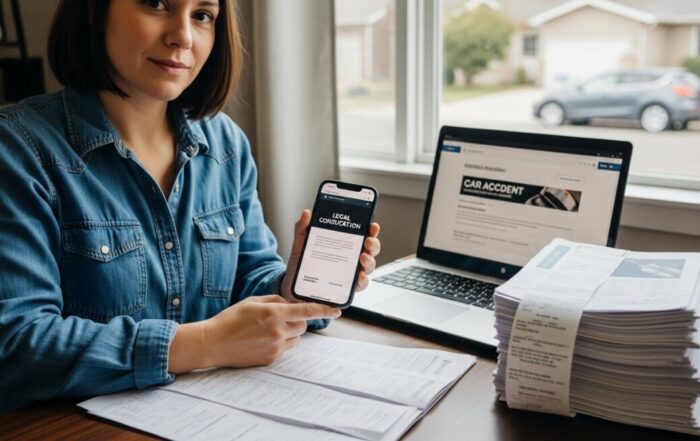
- Consult an attorney. An experienced personal injury lawyer can handle the complex interactions between your insurance, health insurance, and potential lawsuit. Many offer free consultations.
These steps ensure that you have the evidence needed to support a UM claim or lawsuit. Without a police report and medical records, proving fault and damages becomes much harder. Insurance companies often deny claims that lack proper documentation.
How an Attorney Can Help You Navigate the Process
Dealing with an uninsured driver claim involves multiple layers of insurance law, contract interpretation, and sometimes litigation. An attorney can handle negotiations with your own insurance company, which can be adversarial even though you pay them premiums. Insurance adjusters are trained to minimize payouts, and they may dispute the severity of your injuries or argue that the accident was partly your fault.
A lawyer will also calculate the full value of your claim, including future medical expenses, lost earning capacity, and non-economic damages like pain and suffering. They will gather medical records, consult with experts if needed, and present a compelling case. If your UM claim is denied or undervalued, an attorney can file a lawsuit against your own insurer under your policy’s terms.
If you decide to sue the uninsured driver directly, an attorney can investigate the driver’s assets, file the lawsuit, and handle court procedures. They can also negotiate payment plans or settlements. In many cases, the mere involvement of an attorney encourages the uninsured driver to take the claim seriously.
Frequently Asked Questions
Can I still recover damages if I don’t have uninsured motorist coverage?
Yes, but your options are limited. You can sue the uninsured driver directly, but collecting on a judgment may be difficult. Your health insurance can cover medical bills, and you can use MedPay if you have it. However, you will not have a straightforward insurance claim to cover lost wages and pain and suffering.
Will my insurance rates go up if I file a UM claim?
It depends on your insurer and state regulations. Some companies raise rates after any claim, even if you were not at fault. However, many states prohibit rate increases for UM claims because the other driver was at fault. Check with your agent or review your policy for specifics.
What if the uninsured driver leaves the scene?
If the driver flees, you are dealing with a hit-and-run. Your UM coverage often applies to hit-and-run accidents, but you must report the incident to police immediately. Some policies require physical contact between vehicles, while others cover phantom vehicles that cause an accident without contact. Review your policy or ask an attorney for clarification.
How long do I have to file a claim or lawsuit?
The statute of limitations varies by state, typically one to six years for personal injury. For UM claims, your insurance policy may have a shorter deadline, often two to four years. Check your policy and state law immediately to avoid missing the window.
Protecting Your Recovery After an Uninsured Driver Accident
Being hit by an uninsured driver does not mean you are without options. Your own uninsured motorist coverage, health insurance, MedPay, and the legal system all provide potential avenues for recovery. The key is to act quickly, document everything, and consult a professional who understands the complexities of these cases. Whether you file a UM claim, sue the driver directly, or both, the right approach can make a significant difference in your financial and physical recovery.
If you or a loved one has been injured by an uninsured driver, do not wait. Contact a qualified personal injury attorney to evaluate your case and protect your rights. With the right guidance, you can navigate the system and secure the compensation you need to move forward.