Mechanic Liability: What Happens When a Mechanic Is Liable
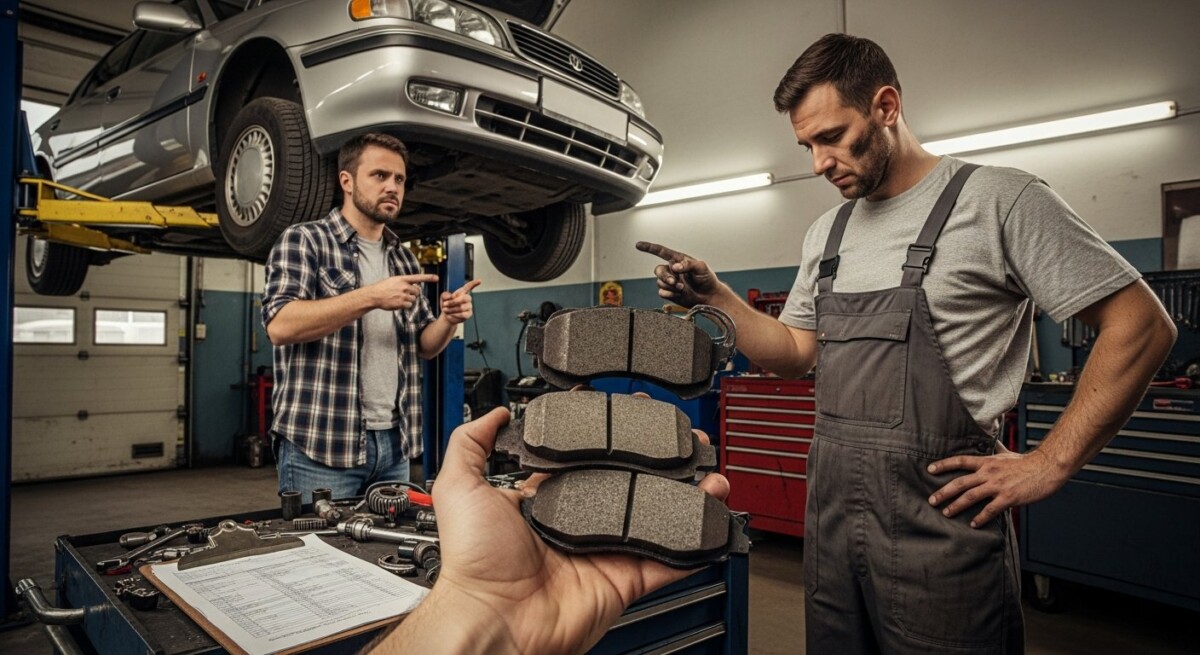
When you trust a mechanic with your vehicle, you expect professional repairs that restore safety and performance. But what happens if a mechanic is liable for damages caused by negligence, faulty work, or incomplete repairs? This situation can leave you with unexpected costs, a damaged car, or even injuries. Understanding mechanic liability helps you protect your rights and pursue compensation when a repair goes wrong.
Mechanics owe a duty of care to their customers. If a mechanic breaches that duty by performing substandard work, using incorrect parts, or failing to diagnose a known issue, they may be legally responsible for resulting harm. This article explains the key scenarios where mechanic liability applies, how to prove a claim, and what steps you should take to recover your losses.
When Is a Mechanic Legally Liable?
A mechanic becomes liable when their actions or omissions cause damage to your vehicle or injury to you or others. Liability typically falls under negligence, breach of contract, or warranty violations. For liability to exist, the mechanic must have failed to perform repairs with the level of skill and care expected from a competent professional in the same field.
For example, if a mechanic incorrectly installs brake pads and the brakes fail, causing an accident, the mechanic could be liable for the cost of repairs, medical bills, and other damages. Similarly, if a mechanic uses counterfeit or improper parts that lead to engine failure, they may owe compensation for the resulting losses.
Common Examples of Mechanic Negligence
The most frequent causes of mechanic liability include the following:
- Failing to properly tighten lug nuts, leading to wheel detachment while driving.
- Installing the wrong oil type, causing engine sludge or overheating.
- Misdiagnosing or ignoring a known safety issue, like a faulty steering component.
- Using substandard or counterfeit replacement parts that fail prematurely.
- Leaving tools or debris inside the engine bay, causing mechanical damage.
Each of these examples involves a deviation from the standard of care. When a mechanic takes shortcuts or lacks the necessary knowledge, the consequences can be severe. If you suspect any of these issues, you should gather evidence immediately and consult a legal professional to evaluate your case.
Proving Mechanic Liability: What You Need to Show
To hold a mechanic liable, you must establish four elements: duty, breach, causation, and damages. The duty is the mechanic’s obligation to perform repairs competently. Breach occurs when the mechanic fails to meet that standard. Causation links the breach to your loss or injury. Damages are the actual financial or physical harm you suffered.
Proving breach often requires expert testimony. An independent mechanic or automotive engineer can inspect the vehicle and testify that the work fell below industry standards. You should also preserve any repair invoices, work orders, photographs of the damage, and communication records with the shop. In our guide on what happens if supervision was inadequate, we explain how lack of oversight can also contribute to mechanic errors and liability.
If the mechanic violated a written warranty or a state consumer protection law, you might have additional legal claims. Some states impose strict liability for certain types of repairs, meaning you do not need to prove negligence if the repair resulted in a specific defect. A local attorney can advise you on the laws in your jurisdiction.
What Damages Can You Recover?
When a mechanic is liable, you can seek compensation for several types of losses. The specific damages depend on the severity of the issue and whether you sustained injuries. Common recoverable damages include:
- Cost of repairing the vehicle correctly, including towing and rental car expenses.
- Diminished value of the vehicle if the mechanic’s error permanently reduced its worth.
- Medical expenses if the faulty repair caused an accident leading to injuries.
- Lost wages and loss of earning capacity due to injury or time spent resolving the issue.
- Pain and suffering, especially in cases involving serious accidents.
In some cases, punitive damages may be available if the mechanic acted with gross negligence or intentional misconduct. For instance, if a mechanic knowingly installed dangerous parts and concealed that fact, a court might award additional compensation to punish the behavior and deter others. What happens when insurance companies delay your payment can also affect your recovery timeline, so it is wise to track all expenses carefully.
Steps to Take If You Suspect Mechanic Liability
If you believe a mechanic caused damage to your vehicle, act quickly. Evidence can disappear, and deadlines for filing claims vary by state. Follow these steps to protect your rights:
First, stop driving the vehicle if it is unsafe. Have the car towed to a different shop for an independent inspection. Request a written report detailing the errors and the correct repair needed. Take photographs of any visible issues, such as loose parts, fluid leaks, or improper installation.
Second, notify the original mechanic or shop in writing. Describe the problem, include the inspection report, and request a resolution such as a refund, free correction, or compensation. Keep copies of all correspondence. Many shops will resolve legitimate complaints to avoid a lawsuit or negative reviews.
Third, consult a personal injury or consumer protection attorney. They can evaluate whether you have a viable claim and guide you through the legal process. If you need help finding representation, platforms like FreeLegalCaseReview.com can connect you with qualified attorneys who handle mechanic liability cases. You can also call (833) 227-7919 for a free case evaluation.
Defenses Mechanics Use to Avoid Liability
Mechanics and repair shops often raise specific defenses to avoid paying damages. Understanding these can help you counter them effectively. A common defense is that the damage was pre-existing or caused by your own misuse of the vehicle. The mechanic may argue that the problem existed before the repair and that their work was not the cause.
Another defense is that you signed a waiver or release limiting the shop’s liability. While such waivers are sometimes enforceable, they cannot waive liability for gross negligence or intentional harm. A court may also invalidate a waiver if it is unconscionable or hidden in fine print.
Mechanics may also claim that you failed to mitigate damages by continuing to drive the vehicle after noticing a problem. To counter this, document exactly when you first noticed the issue and what steps you took to prevent further damage. Prompt action strengthens your case and shows that you acted reasonably.
Understanding Your Legal Options
Depending on the circumstances, you have several legal avenues. Small claims court is an option for disputes involving lower amounts, typically up to $5,000 to $10,000 depending on your state. This process is faster and does not require an attorney, though you must present evidence and argue your case.
For larger claims, you may need to file a lawsuit in civil court. This is more complex and typically requires legal representation. Alternatively, you can pursue arbitration if the repair contract includes a binding arbitration clause. Arbitration can be faster than court but often limits your ability to appeal.
In cases involving serious injuries or significant property damage, it is crucial to seek legal advice promptly. An experienced attorney can negotiate with the mechanic’s insurance company or file a claim against the shop’s liability policy. Can you find a reliable cheap DUI attorney is a separate question, but for mechanic liability cases, you generally want a lawyer with experience in auto repair disputes or personal injury.
Preventing Mechanic Liability Issues
While you cannot always prevent a mechanic’s mistake, you can reduce your risk. Always choose a reputable shop with certified technicians and positive reviews. Ask for a written estimate before work begins and require that all replaced parts be returned to you. This gives you a record of what was installed.
After repairs, test the vehicle carefully before leaving the shop. If something feels or sounds wrong, address it immediately. Keep all maintenance records and receipts in case you need to prove the repair history. A well-documented vehicle history can also help if you sell the car later.
Finally, consider purchasing a vehicle service contract or extended warranty that covers repair errors. Some policies include coverage for mechanic negligence, providing an additional layer of protection. However, read the fine print carefully, as many contracts exclude liability for improper repairs.
Frequently Asked Questions
Can I sue a mechanic for damaging my car?
Yes, if the mechanic’s negligence caused damage, you can sue for the cost of repairs, diminished value, and other losses. You must prove that the mechanic breached their duty of care.
What is the statute of limitations for mechanic liability claims?
Statutes vary by state, typically ranging from 2 to 6 years for breach of contract or negligence claims. Check your state law or consult an attorney to avoid missing the deadline.
Does my insurance cover mechanic mistakes?
Your auto insurance may cover some damage if the mechanic’s error caused an accident, but it typically does not cover the cost of correcting the faulty repair. You would need to pursue a claim against the mechanic or their shop.
Should I get a second opinion after a repair?
Yes, especially if you suspect a problem. An independent inspection provides objective evidence if you need to dispute the repair or file a claim.
Can a mechanic refuse to fix their mistake?
Yes, but refusal may strengthen your legal case. Document the refusal in writing and consider filing a complaint with your state’s consumer protection agency or licensing board.
Taking Action After a Mechanic’s Error
If a mechanic’s mistake has left you with a damaged vehicle or unexpected expenses, do not ignore the problem. The law provides remedies, but you must act promptly to preserve evidence and meet legal deadlines. Whether the issue is a simple oversight or a serious safety hazard, understanding what happens if a mechanic is liable empowers you to seek fair compensation.
Start by gathering your paperwork, obtaining an independent inspection, and contacting a legal professional. How do you find a reliable DUI attorney in Stockton is a different matter, but for mechanic liability, a local personal injury attorney or consumer lawyer is often the best fit. Many offer free consultations and work on a contingency fee basis, meaning you pay nothing unless they recover money for you.
Remember, you have rights as a consumer. A mechanic who performs substandard work should be held accountable. By taking the right steps, you can recover your losses and help ensure the same mistake does not happen to another driver.