Can I Sue for Injury Caused by Poor Lighting
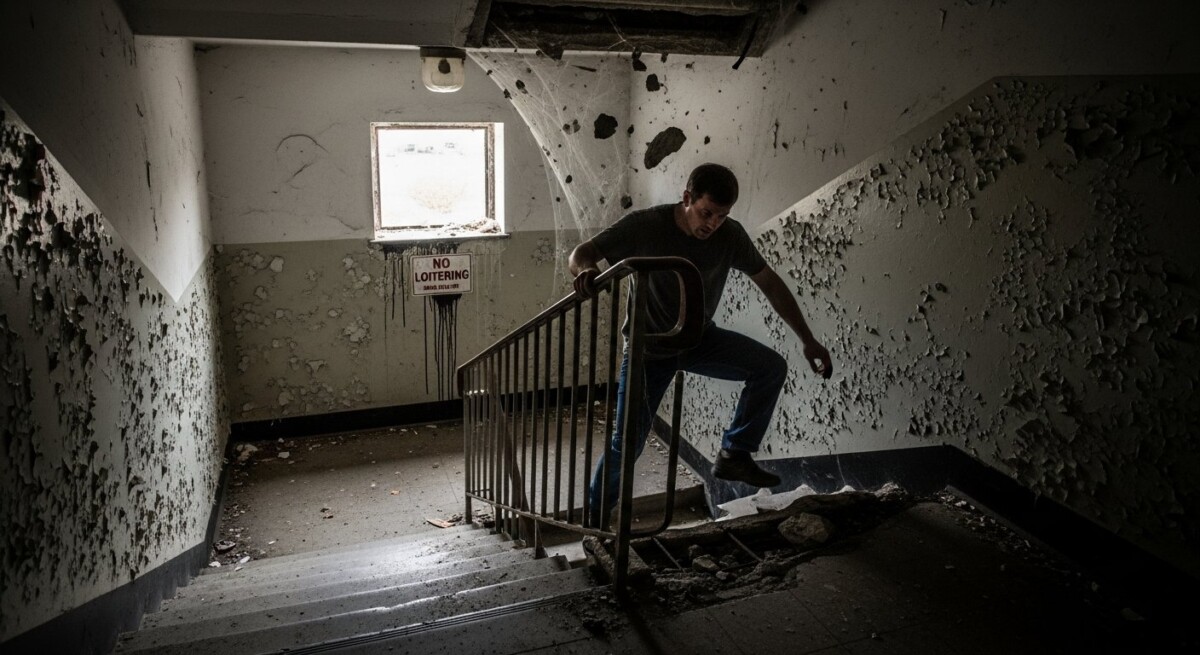
You slip on a dark stairwell, trip over an unlit curb in a parking lot, or collide with a display in a dimly lit store. The injury is real, the pain is sharp, and the medical bills begin to pile up. You start to wonder: can I sue for injury caused by poor lighting? The short answer is yes, you may have a valid premises liability claim. Property owners have a legal duty to maintain safe conditions for visitors, and inadequate lighting often qualifies as a dangerous condition. However, success depends on proving that the owner knew or should have known about the hazard and failed to fix it. This article explains the legal basis for such claims, the types of evidence you need, and the steps you should take to protect your rights.
Understanding Premises Liability and Poor Lighting
Premises liability law holds property owners responsible for injuries that occur on their land due to unsafe conditions. Poor lighting is a classic example of a hazardous condition. When a stairwell lacks sufficient illumination, a walkway is not lit at night, or a parking lot has broken light fixtures, the risk of trips, falls, and collisions increases dramatically. To succeed in a lawsuit, you must show that the property owner was negligent. Negligence means the owner failed to exercise reasonable care in maintaining the property. In the context of lighting, this could include failing to replace burned-out bulbs, ignoring reports of dark areas, or not installing adequate lighting where people walk or work.
Every state has its own rules about premises liability, but most follow a similar framework. The first element is duty: the owner owed you a duty of care. The second is breach: the owner violated that duty by allowing poor lighting to exist. The third is causation: the poor lighting directly caused your injury. The fourth is damages: you suffered actual harm, such as medical expenses, lost wages, or pain and suffering. If you can establish all four elements, you have a strong case. For a deeper look at how these elements apply in other accident contexts, see our guide on Can I Sue for Injury in a Train Accident, which explains similar negligence principles.
Who Can Be Sued for Poor Lighting Injuries
Identifying the correct defendant is critical. In most cases, the property owner is the primary target. However, depending on the situation, other parties may share liability. For example, a commercial tenant who controls the lighting inside a store could be responsible for dark aisles. A property management company that handles maintenance could be liable if it neglected to repair broken lights. A municipality could be sued if a public sidewalk or streetlight was inadequate. In some cases, a contractor who installed faulty lighting or a manufacturer of defective light fixtures might also be named in the lawsuit.
To determine who to sue, consider who had control over the lighting at the time of the accident. Courts look at who had the authority to fix the problem and whose negligence allowed it to persist. For instance, if you fall in a dimly lit apartment hallway, the landlord likely has responsibility because they control common areas. If you trip on a poorly lit sidewalk in front of a business, the business owner or the city may be responsible. An experienced attorney can help identify all potentially liable parties and ensure you name them correctly in your lawsuit.
Common Scenarios Where Poor Lighting Causes Injuries
Poor lighting injuries can happen almost anywhere. Some of the most common settings include:
- Parking lots and garages: Dark corners, broken overhead lights, and unlit stairwells lead to trips and falls.
- Apartment complexes: Dim hallways, outdoor pathways without lights, and poorly lit laundry rooms.
- Retail stores: Aisles with flickering or insufficient light that hide spills, debris, or uneven flooring.
- Restaurants and bars: Dark dining areas or restrooms where patrons trip over furniture or wet floors.
- Public sidewalks and parks: Missing or broken streetlights that make walking hazardous at night.
Each of these scenarios requires different evidence. For a parking lot accident, photos of the area at night showing the lack of light are powerful. For a store incident, maintenance logs that reveal a history of lighting complaints can prove the owner knew about the problem. In every case, the key is showing that the lighting was unreasonably dangerous under the circumstances. A property owner cannot simply argue that some light was present; the question is whether the lighting was adequate for the activity being performed.
Proving Negligence: What Evidence You Need
To answer the question “can I sue for injury caused by poor lighting” with a confident yes, you need strong evidence. Start by documenting the scene immediately after the accident. Take photographs and videos of the lighting conditions from multiple angles. If possible, capture the area at the same time of day the accident occurred. Note the exact location, the time, and any broken or missing light fixtures. Get the names and contact information of any witnesses who saw the accident or who can testify about the poor lighting.
Medical records are equally important. They link your injuries to the accident and quantify your damages. Keep copies of emergency room reports, doctor visits, physical therapy notes, and any diagnostic imaging. Also, track all expenses related to the injury, including medical bills, prescription costs, and lost income from time off work. If you require ongoing treatment, get a doctor’s estimate of future medical needs. This documentation helps prove the extent of your harm.
Another critical piece of evidence is the property owner’s knowledge of the lighting problem. Look for prior complaints from other tenants or customers. Check if there were any maintenance requests or inspection reports that mention lighting issues. If the owner ignored these warnings, it strengthens your case significantly. In some situations, you may need to prove that the condition existed long enough that the owner should have discovered it through reasonable inspection. This is called constructive notice. For example, if a light was out for weeks, the owner cannot claim ignorance.
Finally, consider whether any building codes or safety regulations were violated. Many municipalities have specific requirements for lighting in parking lots, stairwells, and common areas. A violation of these codes can create a presumption of negligence. An attorney can help you research applicable laws and determine if a code violation occurred.
Potential Defenses Property Owners May Use
Property owners and their insurance companies will fight back. Common defenses include arguing that you were partially at fault for the accident. For example, they might claim you were distracted by your phone, that you were running, or that you should have seen the hazard despite the dim light. They may also argue that the lighting was adequate and that your injury resulted from your own clumsiness or a pre-existing condition. Another defense is that you were trespassing, which can eliminate the owner’s duty of care in many states.
To counter these defenses, you need to show that the lighting was objectively dangerous. Expert testimony can be persuasive. A lighting engineer or safety expert can measure the light levels at the scene and compare them to industry standards. They can explain how inadequate lighting increases the risk of accidents and why a reasonable person would have corrected the problem. Your own testimony about what you could and could not see is also important. Remember, you do not have to prove the owner acted intentionally; you only need to show that they failed to act reasonably.
Damages You Can Recover in a Poor Lighting Lawsuit
If you win your case, you may be entitled to several types of compensation. Economic damages cover your out-of-pocket losses. These include medical expenses (past and future), lost wages, reduced earning capacity, and any costs for home modifications or assistive devices. Non-economic damages compensate for pain and suffering, emotional distress, loss of enjoyment of life, and, in some cases, loss of consortium. In rare instances where the owner’s conduct was particularly reckless, punitive damages may also be available to punish the wrongdoer and deter similar behavior.
The total value of your case depends on the severity of your injuries, the strength of the evidence, and the insurance policy limits of the defendant. A broken bone or a head injury will generally yield higher compensation than minor bruises. Cases involving permanent disability or chronic pain are worth more. An attorney can give you a realistic estimate based on similar cases in your jurisdiction. For more information on how damages are calculated in different injury scenarios, you might find our article on Can I Sue for Injury in a Train Accident helpful, as it covers similar damage categories.
Steps to Take Immediately After a Poor Lighting Injury
Your actions in the hours and days after the accident can make or break your case. Follow these steps:
- Seek medical attention: Even if you feel fine, some injuries take time to surface. A doctor’s visit creates a record linking your injuries to the accident.
- Report the incident: Notify the property owner, manager, or security personnel immediately. Ask for a written report and request a copy for your records.
- Document everything: Take photos, videos, and notes. Preserve any torn clothing or damaged belongings as evidence.
- Gather witness information: Collect names, phone numbers, and email addresses of anyone who saw what happened.
- Contact a lawyer: Premises liability cases have strict deadlines called statutes of limitations. In most states, you have one to three years from the accident date to file a lawsuit. Do not wait.
Following these steps preserves evidence and protects your legal rights. Insurance adjusters may contact you soon after the accident. Do not give a recorded statement or sign any documents without consulting an attorney. They may try to get you to accept a low settlement before you understand the full extent of your injuries. A lawyer can handle all communications and negotiate on your behalf.
When to Hire an Attorney
You do not necessarily need a lawyer to file a claim, but hiring one significantly improves your chances of success. An experienced premises liability attorney knows how to investigate poor lighting cases, gather expert testimony, and calculate damages accurately. They can also identify all responsible parties and deal with insurance companies. Most personal injury lawyers work on a contingency fee basis, meaning you pay nothing upfront and only pay if you win. This arrangement makes legal representation accessible even if you are facing financial strain from medical bills.
If your injuries are minor and the insurance company offers a fair settlement quickly, you might handle the claim on your own. However, if you have serious injuries, disputed liability, or a large claim, professional help is essential. A lawyer can also advise you on whether to accept a settlement or proceed to trial. In many cases, simply having an attorney signals to the insurance company that you are serious, which can lead to a higher offer.
Frequently Asked Questions
Can I sue if the poor lighting was in a public place like a park or sidewalk?
Yes, but suing a government entity involves additional rules and shorter deadlines. You may need to file a notice of claim within a few months of the accident. An attorney can guide you through these requirements.
What if the property owner claims the lighting was adequate?
You will need to present evidence to the contrary. Expert testimony about lighting standards and photos of the scene are effective ways to dispute their claim.
How long do I have to file a lawsuit?
The statute of limitations varies by state. In most states, you have one to three years from the date of the injury. If the defendant is a government entity, the deadline may be much shorter. Check with a lawyer immediately.
Can I still sue if I was partially at fault for the accident?
Yes, in most states you can still recover damages, but your compensation may be reduced by your percentage of fault. For example, if you were 20 percent at fault and your damages are $100,000, you would receive $80,000. Some states bar recovery if you are more than 50 percent at fault.
What if the poor lighting was caused by vandalism or weather damage?
The owner may still be liable if they had enough time to fix the problem. If a light was broken by a storm and the owner failed to repair it for several days, that could be negligence. The key is whether the owner acted reasonably under the circumstances.
For a more detailed explanation of how fault is assessed in similar cases, read our article on Can I Sue for Injury in a Train Accident, which discusses comparative negligence rules.
Do I have to go to court?
Most personal injury cases settle out of court. If a fair settlement cannot be reached, your lawyer may recommend filing a lawsuit and going to trial. However, many cases resolve through negotiation or mediation without ever stepping into a courtroom.
Final Thoughts
Poor lighting is more than an inconvenience. It is a safety hazard that can cause serious injuries. If you have been hurt because a property owner failed to provide adequate illumination, you have the right to seek compensation. The legal process may seem daunting, but with the right evidence and legal representation, you can hold negligent parties accountable. Do not let a dark hallway or a shadowy parking lot derail your life. Take action to protect your health and your financial future. For a broader perspective on how injury claims work across different accident types, you may want to review our article on Can I Sue for Injury in a Train Accident, which explores similar liability concepts. If you are ready to discuss your case, contact our team at (833) 227-7919 for a free, confidential evaluation.