Can I Sue for Injury in a Train Accident
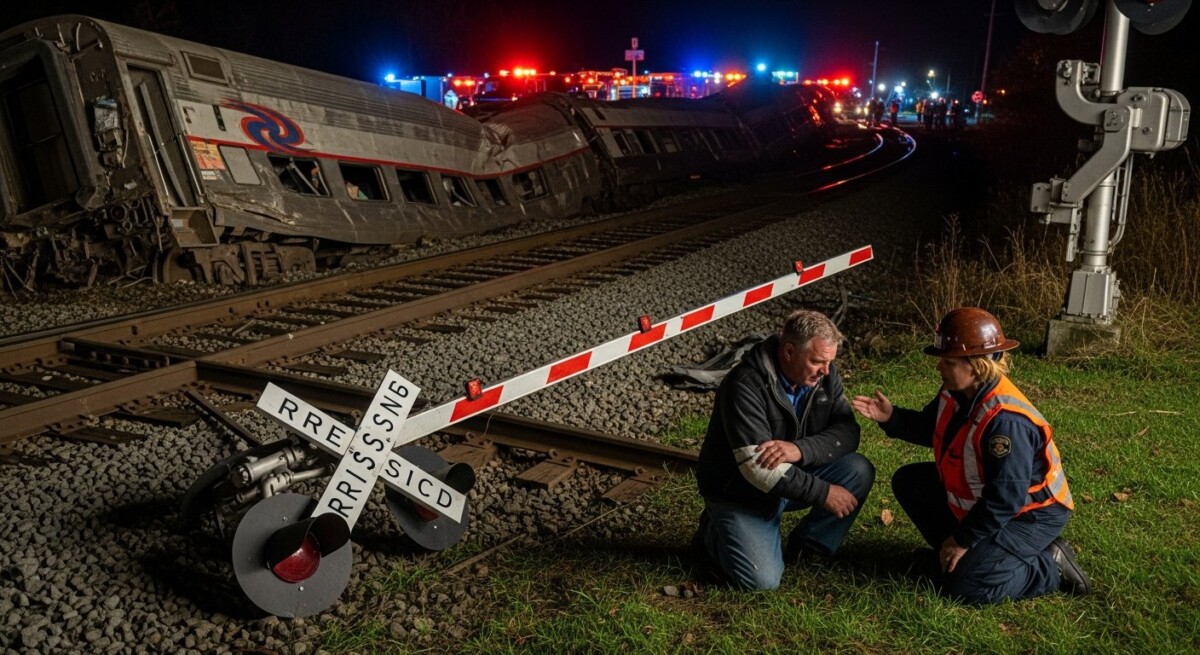
Train accidents can be devastating, leaving victims with severe injuries, mounting medical bills, and a long road to recovery. If you have been injured in a train accident, you may wonder about your legal options and whether you can file a lawsuit to recover compensation. The answer depends on several factors, including who was at fault, the type of train involved, and the specific circumstances of the crash. This article explains the key considerations for suing after a train accident and how you can protect your right to compensation.
Who Can Be Held Liable for a Train Accident Injury
Liability in train accident cases is often complex because multiple parties may share responsibility. Unlike car accidents where the at-fault driver is usually clear, train accidents can involve railroads, equipment manufacturers, government entities, and even third parties. Determining the correct defendant is critical to the success of your claim. An experienced attorney can investigate the accident to identify all potentially liable parties.
The most common defendants in train accident lawsuits include the railroad company itself. Railroads have a duty to maintain safe tracks, trains, and crossings. If they fail to inspect tracks, repair signals, or train employees properly, they may be held liable for injuries caused by their negligence. For example, if a train derails because of poorly maintained rails, the railroad may be responsible for the resulting injuries.
Other potential defendants include the train manufacturer if a defective part caused the crash, the company responsible for track maintenance, or even a government agency if a poorly designed crossing contributed to the accident. In some cases, a third party such as a driver who illegally crossed the tracks may share liability. Understanding the full scope of liable parties can significantly impact the compensation you may recover.
Understanding Negligence in Train Accident Cases
To succeed in a train accident lawsuit, you generally must prove negligence. This means showing that the defendant owed you a duty of care, breached that duty, and directly caused your injuries through that breach. Railroads and their employees are held to a high standard of care due to the dangerous nature of trains. Federal regulations also impose specific safety requirements that railroads must follow.
Examples of railroad negligence include failing to sound the horn at a crossing, operating a train at excessive speed, violating hours-of-service regulations, or ignoring known track defects. If a railroad employee was intoxicated or distracted, that may also constitute negligence. In some cases, the railroad may argue that the victim was partially at fault, such as by trespassing on the tracks. However, even if you share some blame, you may still recover compensation under comparative negligence laws in many states.
Proving negligence requires gathering evidence such as event data recorders, surveillance footage, witness statements, and maintenance logs. An attorney can subpoena these records and work with accident reconstruction experts to build a strong case. If the railroad’s negligence is clear, they may be more willing to negotiate a fair settlement rather than face a jury trial.
Types of Train Accidents and Common Injuries
Train accidents take many forms, each with unique legal considerations. The most common types include collisions between trains and vehicles at crossings, derailments, collisions between two trains, and accidents involving passengers on board. Each type may involve different defendants and legal theories. For instance, a crossing accident might involve the railroad and the driver of the vehicle, while a derailment may focus on track maintenance or equipment failure.
Injuries from train accidents can be catastrophic. Victims often suffer traumatic brain injuries, spinal cord damage, amputations, burns, broken bones, and internal injuries. The force of a train collision is immense, and survivors frequently face permanent disabilities that require lifelong medical care. Emotional trauma such as post-traumatic stress disorder is also common after such a terrifying event. The severity of these injuries makes it essential to seek full compensation that accounts for both current and future needs.
Passengers on trains have different legal rights than people struck by trains. If you were a passenger on a commuter train or Amtrak, you may be covered by federal laws that limit liability and set specific filing deadlines. In some cases, you may need to file a claim with the railroad within a short period, often just months, before you can sue. Understanding these distinctions is crucial to preserving your right to compensation.
Statute of Limitations for Train Accident Lawsuits
Every state sets a time limit, known as the statute of limitations, within which you must file a lawsuit after a train accident. These deadlines vary widely, typically ranging from one to three years from the date of the injury. Missing this deadline can permanently bar you from recovering any compensation, regardless of how strong your case is. It is critical to act promptly and consult an attorney as soon as possible after the accident.
Special rules may apply if the train accident involved a government entity, such as a publicly owned transit authority. In these cases, you may need to file a notice of claim within a much shorter window, sometimes as little as 30 to 90 days. Failure to submit this notice on time can also prevent you from suing. An attorney can help you determine which deadlines apply to your specific situation and ensure all paperwork is filed correctly.
If the accident resulted in a death, the statute of limitations for a wrongful death claim may differ from a personal injury claim. In some states, the clock starts running on the date of death rather than the date of the accident. Your attorney can explain the applicable deadlines and help you avoid costly mistakes. For more information on how deadlines work in injury cases, see our guide on Can You Still Sue After an Injury? Understanding Deadlines.
Federal Laws That Affect Train Accident Claims
Train accident lawsuits are often governed by federal laws that preempt state rules. The Federal Railroad Safety Act (FRSA) sets national safety standards for railroads, and violations of these standards can be used as evidence of negligence. However, the FRSA can also limit state law claims if the federal regulations cover the specific area of safety at issue. An attorney experienced in railroad litigation can navigate these complex preemption issues.
Another important federal law is the Locomotive Inspection Act, which requires railroads to maintain their locomotives in safe condition. If a defective locomotive caused your injury, you may have a claim under this act. Similarly, the Safety Appliance Act governs the use of couplers, brakes, and other equipment. Violations of these acts can create strict liability, meaning you may not need to prove negligence to recover damages.
For passengers on Amtrak or other interstate trains, claims may be governed by the Amtrak Reform and Accountability Act, which limits liability and requires claims to be filed with Amtrak before suing. The time limits for these administrative claims are often much shorter than the statute of limitations for a lawsuit. Missing the administrative deadline can destroy your case, so it is essential to act quickly after a passenger train accident.
Compensation You Can Recover in a Train Accident Lawsuit
If you successfully sue for injury in a train accident, you may recover both economic and non-economic damages. Economic damages include quantifiable losses such as medical expenses, lost wages, reduced earning capacity, and rehabilitation costs. Non-economic damages cover pain and suffering, emotional distress, loss of enjoyment of life, and loss of consortium. In rare cases where the defendant’s conduct was especially reckless, punitive damages may also be available.
Medical expenses can be substantial in train accident cases. Victims often require emergency surgery, hospitalization, physical therapy, and ongoing care. Your claim should include not only past medical bills but also the estimated cost of future treatment. Lost wages can also be significant if you are unable to return to work for months or years. If your injuries cause permanent disability, you may also recover compensation for lost earning capacity over your lifetime.
Pain and suffering damages are more subjective but no less important. A train accident can cause chronic pain, anxiety, depression, and a reduced quality of life. An attorney can work with medical experts and mental health professionals to document these damages and present a compelling case to the insurance company or jury. The goal is to make you whole again, as much as money can, for the physical and emotional toll of the accident.
Steps to Take After a Train Accident Injury
Taking the right steps immediately after a train accident can strengthen your potential lawsuit. First, seek medical attention for any injuries, even if they seem minor. Some injuries, such as internal bleeding or whiplash, may not appear until hours or days later. Medical records also serve as crucial evidence linking your injuries to the accident. Second, report the accident to the proper authorities, such as the police or the transit agency, and obtain a copy of the incident report.
Third, gather evidence at the scene if you are able. Take photographs of the train, tracks, crossing signals, and your injuries. Collect contact information from witnesses and other passengers. Do not discuss fault with anyone, including railroad employees or insurance adjusters, without your attorney present. Anything you say can be used against you later. Fourth, preserve all evidence, including clothing, tickets, and receipts for expenses related to the accident.
Finally, contact an experienced train accident attorney as soon as possible. Railroad companies have teams of lawyers and investigators working to minimize their liability. You need someone who understands the complex laws and can protect your rights. An attorney can handle communications with the railroad, gather evidence, and negotiate for a fair settlement. If a settlement cannot be reached, they can file a lawsuit and take your case to trial. For more on personal injury claims, see our article on Can I Claim Compensation for Repetitive Strain Injury.
When to Hire a Train Accident Lawyer
You may wonder whether you need a lawyer to sue for injury in a train accident. While it is possible to file a claim on your own, the complexity of railroad litigation makes professional representation highly advisable. Train accident cases involve multiple defendants, federal regulations, and strict deadlines. Insurance companies for railroads are aggressive and will try to pay as little as possible. A lawyer can level the playing field and maximize your recovery.
Most personal injury attorneys work on a contingency fee basis, meaning they only get paid if you win your case. This arrangement allows you to pursue justice without upfront costs. A free consultation is typically available to discuss your case and determine if you have a viable claim. During the consultation, the attorney can explain the legal process, estimate the value of your claim, and outline the steps ahead.
If your injuries are severe, if liability is disputed, or if the railroad denies responsibility, hiring a lawyer is essential. An attorney can hire expert witnesses, depose witnesses, and present a persuasive case at trial. They can also handle the administrative claims process required for accidents involving government-owned transit systems. Without legal help, you risk missing deadlines or accepting a settlement that does not cover your long-term needs.
Frequently Asked Questions
Can I sue if I was trespassing on train tracks and got injured?
In most cases, trespassers cannot sue a railroad for injuries because the railroad does not owe a duty of care to trespassers. However, there are exceptions. If the railroad knew that trespassers frequently used a particular area and failed to take reasonable steps to prevent harm, they may be liable. Additionally, if the railroad acted recklessly, such as by operating a train at excessive speed in a known trespassing area, a lawsuit may be possible. An attorney can evaluate the specific facts of your case.
How long do I have to file a lawsuit after a train accident?
The statute of limitations for train accident lawsuits varies by state and the type of defendant. For most personal injury claims, the deadline is between one and three years from the date of the accident. If a government entity is involved, you may have as little as 30 days to file a notice of claim. It is best to consult an attorney immediately to determine the exact deadlines that apply to your case.
What if the train accident was caused by a defective track or signal?
If a defective track, signal, or other infrastructure caused your injury, you may sue the railroad company or the entity responsible for maintenance. Federal regulations require railroads to inspect and maintain their tracks and signals. Failure to do so can be evidence of negligence. In some cases, the manufacturer of the defective equipment may also be liable under product liability laws. An attorney can investigate the cause and identify all responsible parties.
Can I sue for an injury on a commuter train or subway?
Yes, but these cases often involve public transit agencies, which are government entities. Special rules apply, including shorter notice periods and caps on damages. You must typically file a notice of claim within a few months of the accident before you can sue. An experienced attorney can guide you through these requirements and help you preserve your right to compensation. For more on accident claims, see our guide on Can I Sue for Accident Caused by Road Hazards? Legal Guide.
What damages can I recover in a train accident lawsuit?
You may recover economic damages such as medical expenses, lost wages, and future care costs. Non-economic damages include pain and suffering, emotional distress, and loss of enjoyment of life. Punitive damages may be available if the railroad acted with gross negligence. The total amount depends on the severity of your injuries, the impact on your life, and the strength of the evidence. An attorney can help you calculate a fair value for your claim.
Next Steps for Your Train Accident Case
If you have been injured in a train accident, you do not have to face the legal system alone. The experienced team at FreeLegalCaseReview.com can connect you with qualified personal injury attorneys who specialize in railroad litigation. Through a free, confidential case evaluation, we can help you understand your options and determine the best path forward. Our patented attorney selection process identifies top legal professionals who can fight for the compensation you deserve.
Do not delay. Evidence can disappear, witnesses may forget details, and deadlines can pass quickly. Taking action now can make the difference between a successful claim and a lost opportunity. Whether you were a passenger, a pedestrian, or a motorist involved in a train collision, you have rights. Let us help you protect them. For more information on legal options after an accident, see our article on Can You Sue After a Parking Lot Accident? Legal Options Explained.
Contact us today for your free case review and take the first step toward recovery. Your future may depend on the decisions you make now.