What If a Bus Driver Was Negligent in Your Accident
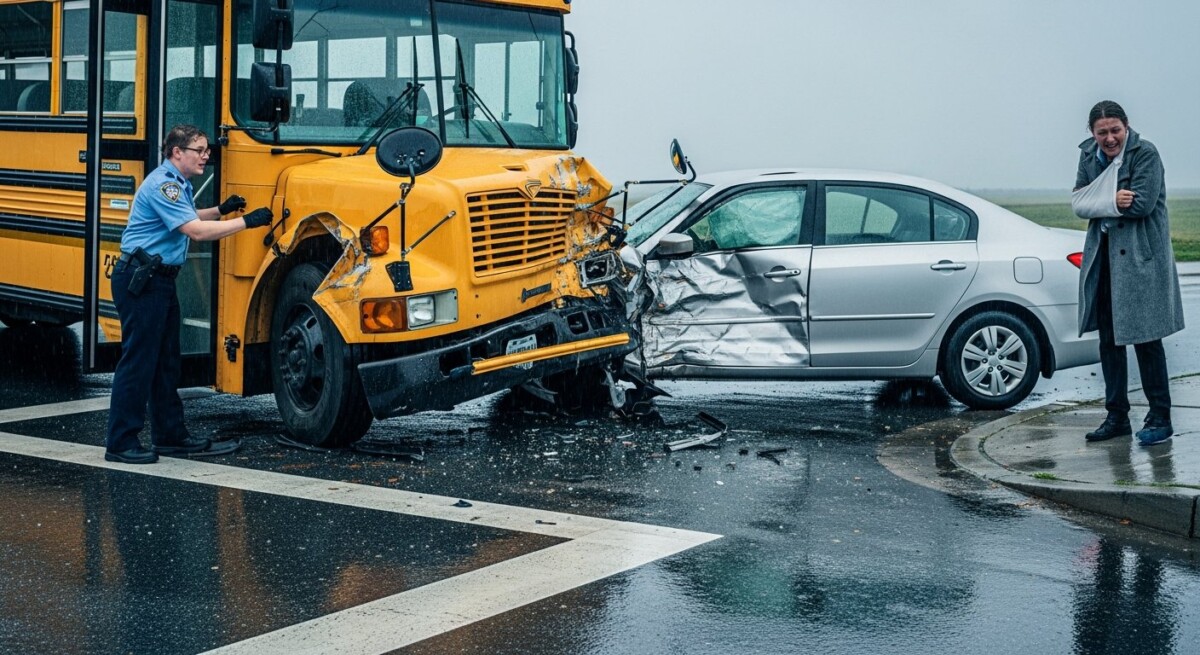
When a bus collides with your vehicle or strikes you as a pedestrian, the immediate shock and pain can be overwhelming. But once the ambulance leaves and the police report is filed, a troubling question often surfaces: what if the bus driver was negligent? This is not just a matter of assigning blame; it is a critical factor that determines whether you can recover compensation for your medical bills, lost wages, and long-term suffering. Unlike a typical car crash, bus accidents involve complex legal rules, government entities, and large insurance policies. Understanding the role of negligence in these cases is the first step toward protecting your rights and securing the financial support you need to recover.
Negligence is a legal concept that holds people responsible when their careless actions cause harm to others. In the context of a bus driver, negligence can take many forms: running a red light, texting while driving, failing to check blind spots, or driving too fast for road conditions. When a bus driver’s negligence leads to a crash, the driver, the bus company, or even a government agency may be liable for your damages. This article will walk you through the key elements of a bus accident claim, the types of evidence you need, and the steps you should take to maximize your recovery. If you have been injured in a bus accident, call (833) 227-7919 for a free case evaluation.
Understanding Negligence in Bus Accidents
To prove that a bus driver was negligent, you must show four things: duty, breach, causation, and damages. The driver had a duty to operate the bus safely and follow traffic laws. A breach occurs when the driver does something a reasonable person would not do, such as speeding or ignoring a stop sign. Causation links that breach directly to your injuries. Finally, damages refer to the actual harm you suffered, like medical expenses or pain and suffering. Without all four elements, your claim may fail.
Bus drivers face unique pressures that can lead to negligence. They work long hours, often navigating congested city streets or highways. Fatigue is a common issue, and federal regulations limit how many hours a driver can be on duty without rest. If a driver violates these hours-of-service rules and causes a crash, that violation can be powerful evidence of negligence. Similarly, if a bus company fails to properly maintain its vehicles or hire qualified drivers, the company itself may be directly liable for your injuries.
Common Types of Bus Driver Negligence
Negligence can take many forms, but certain patterns emerge in bus accident cases. Understanding these common scenarios can help you identify whether the driver in your case was at fault. Below are several examples of negligent behavior that frequently lead to crashes.
- Distracted driving: Using a phone, eating, or adjusting a GPS while driving. A driver who looks away for just three seconds at 30 mph travels over 130 feet without seeing the road.
- Speeding: Driving too fast for conditions, especially in bad weather or heavy traffic. Buses are heavy and take longer to stop, making speed a major danger.
- Failure to yield: Ignoring yield signs, stop signs, or pedestrian crosswalks. This often causes collisions with cars or pedestrians who have the right of way.
- Impaired driving: Driving under the influence of alcohol, drugs, or prescription medications that impair judgment or reaction time.
- Improper lane changes: Merging without signaling or checking blind spots, which can sideswipe smaller vehicles or force them off the road.
Each of these behaviors can be proven through witness statements, video footage, or data from the bus’s event recorder (often called a black box). If you suspect any of these factors played a role in your accident, an attorney can help gather the necessary evidence. The sooner you act, the better your chances of preserving critical proof.
Who Is Liable: The Driver, the Company, or a Government Agency
One of the most confusing aspects of a bus accident claim is determining who should be held responsible. The answer depends on the type of bus involved and who employed the driver. For example, a city transit bus is often operated by a municipal agency, which may have special legal protections called sovereign immunity. This can limit how much you can recover or impose strict deadlines for filing a claim. In contrast, a private charter bus or school bus is usually operated by a private company, which can be sued like any other business.
In many cases, the bus driver’s employer is vicariously liable for the driver’s negligence. This means the company is responsible for the driver’s actions because the driver was acting within the scope of employment. However, if the driver was off duty or using the bus for personal reasons, the company may argue it is not liable. Additionally, if the bus company was negligent in hiring, training, or supervising the driver, the company can be directly liable. This is why it is essential to investigate not just the driver’s behavior but also the company’s policies and practices.
Evidence You Need to Prove a Negligence Claim
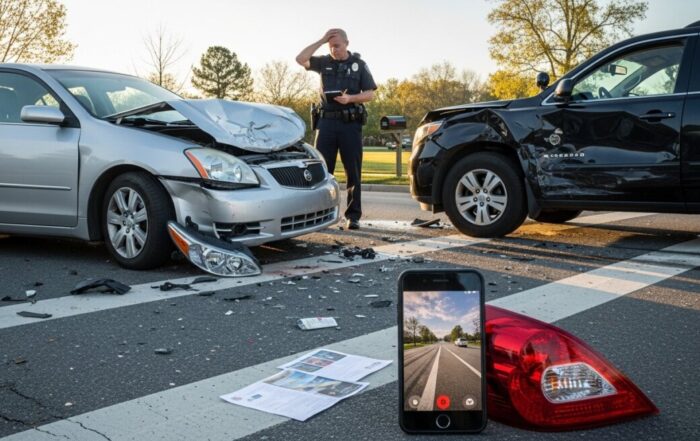
Building a strong case requires concrete evidence. Without it, the bus company’s insurance adjuster will likely deny your claim or offer a low settlement. Here is what you should prioritize collecting after an accident. First, get the driver’s name, employer, and bus number. Second, take photos of the scene, including vehicle damage, skid marks, and road conditions. Third, obtain contact information for any witnesses. Fourth, request a copy of the police report. Finally, seek medical attention immediately, even if you feel fine. Delayed symptoms are common in bus accidents, and a medical record creates a link between the crash and your injuries.
Beyond these basics, there are more technical forms of evidence that can be critical. Many modern buses are equipped with GPS trackers, video cameras, and event data recorders. These devices can show the bus’s speed, braking patterns, and steering inputs in the moments before the crash. Your attorney can file a legal request to preserve and obtain this data before it is overwritten or destroyed. Additionally, the driver’s employment records, training history, and any prior accidents or complaints can reveal a pattern of negligence.
Statute of Limitations and Notice Requirements
Time is not on your side when it comes to bus accident claims. Every state has a statute of limitations, which is a deadline for filing a lawsuit. For personal injury claims, this is typically one to three years from the date of the accident. However, if the bus was owned by a government entity, the deadline may be much shorter, sometimes as little as 30 to 90 days. You must also file a formal notice of claim with the government agency before you can sue. Missing this deadline can permanently bar you from recovering any compensation.
This is why it is crucial to consult with an attorney as soon as possible after a bus accident. An experienced lawyer will know the specific deadlines in your state and can ensure that all necessary paperwork is filed on time. Do not wait until you feel better or think you have all the information. The clock starts ticking the day of the accident, and delays can cost you your case. Contact (833) 227-7919 today to discuss your situation with a legal professional who understands bus accident litigation.
Compensation You May Be Entitled To
If you can prove that the bus driver was negligent, you may be entitled to various types of compensation. These damages are designed to cover both your economic losses and your non-economic suffering. Economic damages include medical bills (past and future), lost wages, reduced earning capacity, and the cost of rehabilitation or therapy. Non-economic damages cover pain and suffering, emotional distress, loss of enjoyment of life, and loss of consortium for your spouse. In rare cases where the driver’s conduct was especially reckless, punitive damages may also be awarded to punish the wrongdoer.
Calculating the full value of your claim is complex. Insurance companies often try to minimize your payout by arguing that your injuries are pre-existing or that you were partially at fault. An attorney can hire experts, such as economists and medical professionals, to quantify your losses and present a compelling case. Remember, the goal is not just to cover your current expenses but to ensure you are financially secure for the future if your injuries prevent you from working or require ongoing care.
Steps to Take Immediately After a Bus Accident
Your actions in the hours and days after a bus accident can significantly impact your claim. Here is a step-by-step guide to protect your rights. First, call 911 and report the accident. Even if injuries seem minor, a police report creates an official record. Second, exchange information with the driver and any other involved parties, but do not discuss fault or apologize. Third, take photos and videos of everything. Fourth, seek medical evaluation, either at the scene or at an emergency room. Fifth, report the accident to the bus company’s safety department. Sixth, contact a personal injury attorney who handles bus accidents. Seventh, do not speak to the bus company’s insurance adjuster without legal representation.
Following these steps can prevent common mistakes that weaken claims. For example, if you delay medical treatment, the insurance company may argue that your injuries were not caused by the accident. If you give a recorded statement to the adjuster without a lawyer, you may accidentally say something that undermines your case. An attorney can handle all communications and ensure that your rights are protected at every stage.
Frequently Asked Questions
What if the bus driver was negligent but I was also partially at fault?
In most states, you can still recover compensation even if you were partially at fault, as long as your fault is less than 50% (or 51% depending on the state). This is called comparative negligence. Your recovery will be reduced by your percentage of fault. For example, if you are 20% at fault and your damages are $100,000, you would receive $80,000.
How long do I have to file a bus accident lawsuit?
The deadline varies by state and depends on whether the bus was government-owned. For private buses, you typically have one to three years. For government buses, you may have as little as 30 days to file a notice of claim. Always consult an attorney immediately to avoid missing these deadlines.
Can I sue the bus company if the driver was an independent contractor?
It depends on the level of control the company had over the driver. If the company set the driver’s schedule, provided the bus, and directed the route, the driver is likely an employee, and the company can be held vicariously liable. If the driver was truly independent, you may need to sue the driver personally.
What evidence is most important in a bus accident case?
The bus’s event data recorder (black box) is often the most critical piece of evidence because it records speed, braking, and steering. Video footage from the bus’s cameras or nearby businesses is also powerful. Witness statements and the police report are important as well.
Do I need a lawyer for a bus accident claim?
Yes, because bus accident cases are more complex than typical car crashes. They involve multiple potential defendants, strict deadlines, and often large insurance companies with experienced adjusters. An attorney can handle the investigation, negotiate with insurers, and take your case to trial if necessary.
If you have more questions or need personalized advice, call (833) 227-7919 for a free consultation with a legal expert who can evaluate your case.
Bus accidents can turn your life upside down, but you do not have to face the aftermath alone. Understanding what if a bus driver was negligent is the first step toward holding the responsible parties accountable. From gathering evidence to meeting strict deadlines, every detail matters. With the right legal support, you can focus on healing while your attorney fights for the compensation you deserve. Do not wait until it is too late. Reach out to a qualified personal injury lawyer today and take control of your recovery.