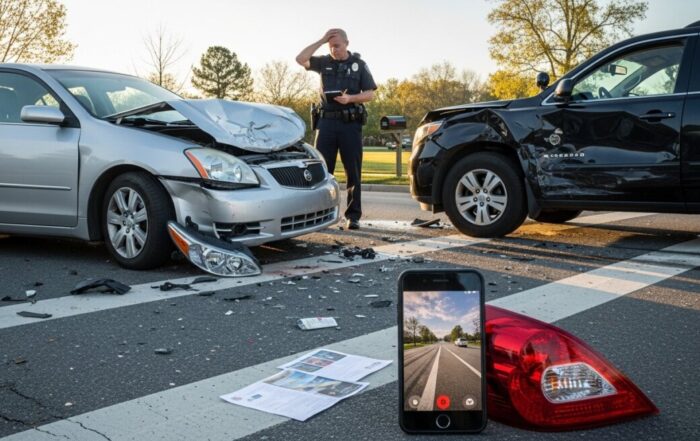
What If Crosswalk Signals Failed? Risks and Legal Rights
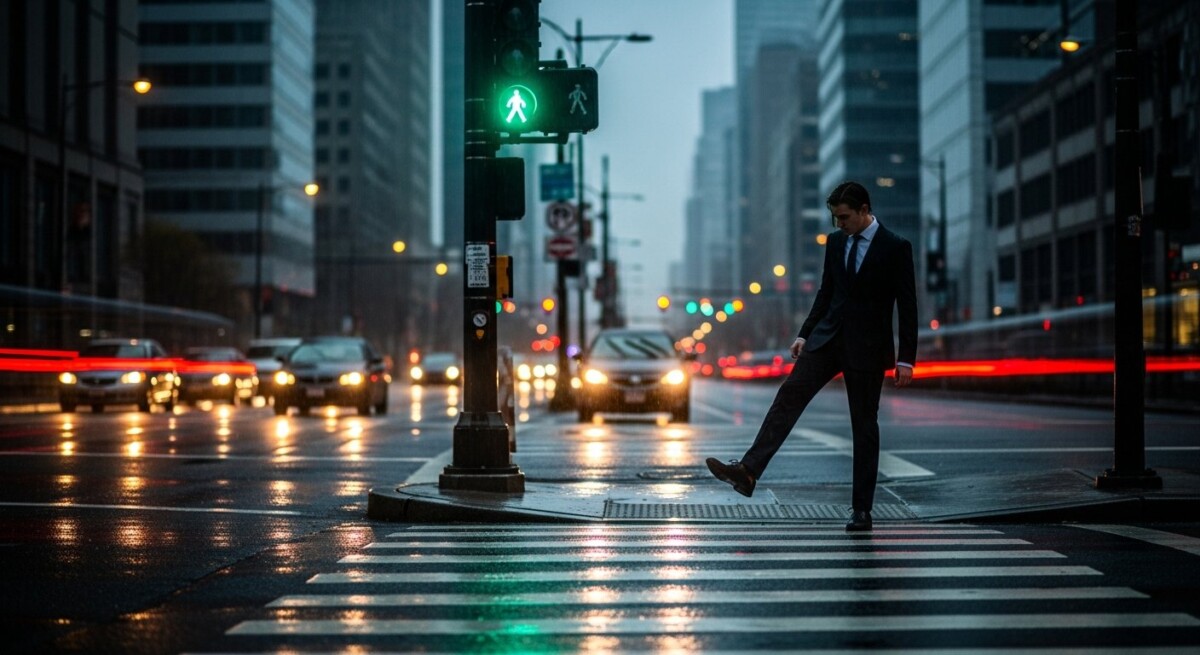
Imagine standing at a busy intersection, waiting for the walk signal to turn white. You check both ways, see cars approaching, and trust the crosswalk signal to tell you when it is safe to step off the curb. Now imagine that signal never changes. Or it changes at the wrong time. Or it flickers green for drivers while showing a steady walk symbol for pedestrians. That moment of confusion can lead to serious injury or even death. Crosswalk signals are a critical piece of urban infrastructure that most people take for granted, but their failure can turn an ordinary commute into a life-altering event. Understanding what happens when these signals fail is not just a thought experiment. It is a matter of personal safety and legal awareness.
When crosswalk signals malfunction, pedestrians face a dangerous guessing game. Some signals fail to activate at all, leaving people to cross without any protected phase. Others display conflicting information, such as a walk signal for pedestrians while the traffic light stays green for cars. In older systems, signal timing can degrade over time, giving pedestrians too little time to cross a wide street. These failures are not rare. Municipalities across the United States report hundreds of signal malfunctions each year, and many go unrepaired for days or weeks. For anyone who relies on walking as a primary mode of transportation, this is a serious public safety concern.
The Hidden Dangers of Signal Failure
A failed crosswalk signal does not just cause inconvenience. It creates a vacuum of information where pedestrians must make split-second decisions without reliable guidance. Drivers, too, lose a key safety cue when pedestrian signals are dark or showing contradictory messages. The result is a higher risk of collisions, especially at intersections with heavy traffic or limited visibility. Data from the National Highway Traffic Safety Administration shows that pedestrian fatalities have increased in recent years, and intersection-related incidents account for a significant portion of those deaths. While not all of these incidents involve signal failure, the correlation is strong enough to demand attention.
One common type of failure is the so-called "stuck signal." This happens when the pedestrian signal remains on a steady Don’t Walk symbol even after the pedestrian has pressed the button and waited for a full cycle. The pedestrian may assume the signal is broken and cross against the light, only to be struck by a vehicle that has a green light. Another failure type is the "false walk," where the signal shows a walk symbol but the traffic light does not change, leaving pedestrians in the path of moving cars. Both scenarios create legal questions about liability and negligence.
Common Causes of Crosswalk Signal Malfunctions
Crosswalk signals fail for a variety of reasons, ranging from simple maintenance issues to complex electrical problems. Understanding these causes can help pedestrians identify when a signal is unreliable and take extra precautions. The most common causes include:
- Electrical shorts or power surges: Weather events, construction work, or aging wiring can cause temporary or permanent signal failure.
- Sensor or button damage: Pedestrian push buttons are exposed to weather and vandalism, and they often break or become less sensitive over time.
- Controller programming errors: The central computer that manages signal timing can develop software bugs or lose its programming after a power outage.
- Physical damage from accidents: A vehicle striking a signal pole can disrupt wiring or knock the signal head out of alignment.
- Delayed maintenance: Many municipalities have backlogs of signal repair requests, leaving broken signals unrepaired for weeks.
Each of these causes creates a situation where a pedestrian cannot rely on the signal to provide accurate information. When a signal fails, the pedestrian must fall back on basic road safety rules, but those rules are not always enough to prevent a collision. Drivers expect pedestrians to obey signals, and a broken signal can lead to misunderstandings that result in injury.
Legal Implications When Signals Fail
When a crosswalk signal fails and a pedestrian is injured, the legal landscape becomes complex. In most jurisdictions, municipalities have a duty to maintain traffic control devices, including crosswalk signals, in a reasonably safe condition. If a city knows about a malfunction and fails to repair it within a reasonable time, that city may be held liable for injuries that result. However, proving municipal liability requires showing that the city had actual or constructive notice of the defect and that the defect directly caused the injury. This is not always easy, as cities often argue that the pedestrian should have exercised greater caution despite the signal failure.
In cases where a driver runs a red light or fails to yield to a pedestrian in a crosswalk, the driver may be primarily at fault. But when the signal itself is broken, the driver may argue that they reasonably believed they had the right of way. This shifts some responsibility back to the municipality. A skilled personal injury attorney can investigate the signal’s maintenance history, request traffic camera footage, and consult with traffic engineering experts to determine whether the city’s negligence played a role. If you have been injured at an intersection with a broken signal, it is important to document the scene, take photos of the signal, and report the malfunction to the city as soon as possible.
Who Is Responsible for Your Safety?
While municipalities bear responsibility for maintaining traffic signals, pedestrians also have a duty to act reasonably. This does not mean blaming the victim. It means understanding that in a lawsuit, the defense will likely argue that the pedestrian should have looked both ways, waited for a gap in traffic, or crossed at a different location. Comparative negligence laws vary by state, and in some states, a pedestrian who is found even slightly at fault may see their compensation reduced. This makes it critical to work with an attorney who understands how these laws apply in your jurisdiction.
For drivers, the responsibility is clear: yield to pedestrians in crosswalks, obey traffic signals, and drive at a safe speed. But when a signal fails, drivers may not realize that the pedestrian signal is broken. They may see a green light and proceed, assuming that pedestrians also have a walk signal. This is why signal failure is such a dangerous scenario. It creates a situation where both parties believe they have the right of way.
What to Do If You Are Injured at a Broken Signal
If you are struck by a vehicle at an intersection where the crosswalk signal was malfunctioning, your immediate priority is medical care. But as soon as you are able, take steps to preserve evidence. Here is a practical checklist:
- Call 911 and request a police report. Make sure the officer notes the condition of the signal in their report.
- Take photographs of the signal, the intersection, and your injuries. Capture the signal in its failed state if possible.
- Get contact information from any witnesses who saw the signal malfunction.
- Report the broken signal to the city’s public works or traffic department, and keep a record of your report.
- Contact a personal injury attorney who has experience with municipal liability cases. Many offer free consultations.
These steps can make the difference between a successful claim and a denial of compensation. Insurance companies and city attorneys will look for any reason to minimize payout, and strong evidence is your best defense. An attorney can help you navigate the claims process, negotiate with insurers, and, if necessary, file a lawsuit against the responsible parties.
How Technology Is Changing Crosswalk Signals
Newer traffic signal systems include self-diagnostic features that alert maintenance crews when a signal fails. Some cities have adopted smart signals that communicate with each other and with central traffic management centers, allowing for faster repairs. Pedestrian countdown timers, audible signals, and leading pedestrian intervals (where pedestrians get a head start before cars) are becoming more common. These technologies reduce the risk of injury even when a signal fails, because pedestrians have more information to work with. However, many cities are slow to upgrade due to budget constraints, leaving older, more failure-prone signals in place.
For pedestrians, the best defense is vigilance. Never assume that a walk signal guarantees safety. Always look for turning vehicles, especially when crossing a street with multiple lanes. If a signal seems broken or behaves erratically, report it immediately. Your report could prevent someone else from being injured.
Frequently Asked Questions
Can I sue the city if a broken crosswalk signal caused my injury?
Yes, you may be able to sue the city, but municipal liability laws have strict requirements. You generally must prove that the city knew about the broken signal and had a reasonable time to fix it. An attorney can help you determine if your case meets these standards.
What if the driver says they did not see me because the signal was broken?
Drivers are still required to exercise reasonable care. A broken signal does not give a driver the right to ignore pedestrians. However, the driver’s argument may affect how fault is allocated. Comparative negligence laws in your state will determine how damages are divided.
How long do I have to file a claim after a signal failure injury?
Statutes of limitations vary by state, typically ranging from one to three years for personal injury claims. Claims against municipalities often have shorter deadlines, sometimes as little as 90 days to file a notice of claim. Contact an attorney immediately to avoid missing these deadlines.
Does insurance cover injuries from a signal failure accident?
The driver’s liability insurance may cover your medical expenses and lost wages if the driver was at fault. If the city is found negligent, a settlement or judgment may be paid from the city’s insurance or self-insurance fund. Uninsured or underinsured motorist coverage on your own policy may also apply.
Crosswalk signals are a simple but vital part of our transportation system. When they fail, the consequences can be severe. By understanding the risks, knowing your legal rights, and taking proactive steps to document an incident, you can protect yourself and pursue compensation if the worst happens. If you or a loved one has been injured at a crosswalk with a malfunctioning signal, do not wait to seek legal advice. Getting a free case evaluation is the first step toward understanding your options and holding the responsible parties accountable.
Contact our team at (833) 227-7919 to schedule a free, confidential consultation. We help injured pedestrians connect with experienced attorneys who can fight for the compensation you deserve. Your safety matters, and so does your legal recovery.