When Can You Sue for a Sports Injury Caused by Negligence
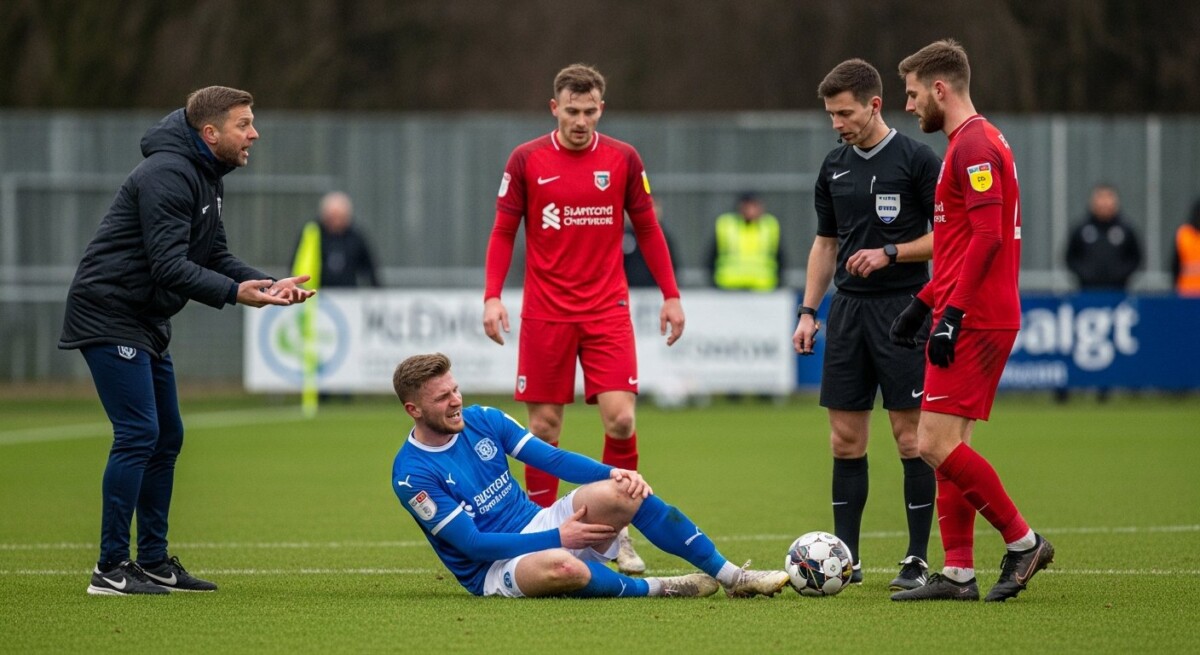
You step onto the field or court expecting competition, not a trip to the emergency room. But when another person’s careless action leaves you injured, you may wonder: can I sue for injury after sports accident negligence? The answer depends on several legal factors, including the type of sport, the nature of the negligence, and the laws in your state. This article breaks down when a lawsuit is possible, what you must prove, and how to protect your rights after a sports-related injury.
Sports injuries happen every day, from sprained ankles to concussions. Most are just part of the game. However, when an injury results from reckless behavior, defective equipment, or a facility’s failure to maintain safe conditions, the injured person may have a legal claim. Understanding the difference between a normal risk and actionable negligence is the first step toward determining your options.
Understanding Negligence in Sports Accidents
Negligence occurs when someone fails to act with reasonable care, and that failure directly causes harm to another person. In sports, the standard of care is often lower because participants accept certain risks. For example, a hard tackle in football is expected, but a punch thrown during a game is not. To succeed in a negligence claim, you must prove four elements: duty, breach, causation, and damages.
First, the defendant must have owed you a duty of care. This could be a coach, referee, facility owner, or another player. Second, that duty must have been breached through unreasonable conduct. Third, the breach must have directly caused your injury. Fourth, you must have suffered measurable damages such as medical bills, lost wages, or pain and suffering. Without all four elements, a lawsuit will likely fail.
In our guide on can I sue for injury caused by poor lighting, we explain how environmental hazards like inadequate lighting can contribute to sports accidents. The same principles apply here: if a poorly lit field caused your injury, the facility owner may be liable.
The Assumption of Risk Defense
One of the biggest hurdles in sports injury lawsuits is the assumption of risk doctrine. When you voluntarily participate in a sport, you accept the inherent risks associated with that activity. For example, a hockey player knows they might get hit by a puck or checked into the boards. Courts generally will not allow a lawsuit for injuries that result from these ordinary risks.
However, assumption of risk does not protect defendants who act recklessly or intentionally. If a player deliberately injures you or violates safety rules, the assumption of risk defense may not apply. Additionally, if a coach or facility fails to provide proper safety equipment or ignores known hazards, the injured person may still have a claim. The key is whether the injury resulted from something beyond the normal scope of the sport.
Reckless Conduct vs. Ordinary Play
Courts distinguish between ordinary play and reckless conduct. Ordinary play includes hard but legal tackles, aggressive moves, and accidental collisions. Reckless conduct includes actions that are intentionally dangerous or flagrantly violate safety rules. For example, a basketball player who intentionally undercuts a shooter is acting recklessly, not playing within the rules. In such cases, the injured player may sue for negligence or even battery.
If you were injured by a player who ignored the rules or acted with malicious intent, you should document the incident and speak with an attorney. Witness statements, video footage, and referee reports can help establish that the conduct went beyond acceptable sports behavior.
Liability of Coaches, Referees, and Facilities
Negligence in sports is not limited to other players. Coaches, referees, and facility owners can also be held liable under certain circumstances. Coaches have a duty to provide proper instruction, enforce safety rules, and avoid pushing athletes beyond safe limits. If a coach ignores a player’s concussion symptoms and allows them to continue playing, that coach could be liable for resulting brain injuries.
Referees must enforce the rules and stop dangerous play. If a referee fails to penalize a player who repeatedly commits dangerous fouls, and that player eventually injures someone, the referee or their employer may share liability. Facility owners must maintain safe playing surfaces, adequate lighting, and properly functioning equipment. A broken goalpost or slippery floor that causes an injury could lead to a premises liability claim.
For more on how third-party negligence can affect your case, read our article on can I sue for injury in a train accident. While it focuses on train accidents, the legal principles of duty and causation apply similarly to sports settings.
Defective Sports Equipment and Products Liability
Sometimes the injury is caused not by a person but by a defective product. Helmets that fail to protect against concussions, knee braces that break during use, or poorly designed gym equipment can all cause serious harm. In these cases, the injured person may have a products liability claim against the manufacturer, distributor, or retailer.
Products liability claims do not require proof of negligence in the traditional sense. Instead, you must show that the product was defective in design, manufacturing, or marketing. For example, if a football helmet lacks adequate padding and a player suffers a skull fracture, the manufacturer may be liable even if they followed industry standards. A lawyer can help determine whether your injury was caused by a product defect and who should be held responsible.
Steps to Take After a Sports Injury
If you believe your injury resulted from negligence, take these steps to protect your legal rights:
- Seek immediate medical attention. Even if the injury seems minor, a doctor can document the extent of harm and create a record that links the injury to the accident.
- Report the incident to the appropriate authority, such as a coach, league official, or facility manager. Get a copy of the incident report if possible.
- Gather evidence. Take photos of the scene, your injuries, and any defective equipment. Obtain contact information for witnesses.
- Preserve any equipment involved, such as a broken helmet or torn safety gear. Do not alter or repair the equipment until a lawyer has examined it.
- Keep records of all medical bills, lost wages, and other expenses related to the injury. These documents are essential for calculating damages.
After taking these steps, consult with a personal injury attorney who handles sports accident cases. An attorney can evaluate the strength of your claim, identify all potentially liable parties, and advise you on the statute of limitations in your state. Many states have shortened deadlines for claims against government entities, such as public school sports fields.
Damages You Can Recover in a Sports Injury Lawsuit
If your lawsuit succeeds, you may be entitled to compensation for both economic and non-economic damages. Economic damages include medical expenses, rehabilitation costs, lost income, and future earning capacity. Non-economic damages cover pain and suffering, emotional distress, loss of enjoyment of life, and permanent disability.
In rare cases, punitive damages may be awarded if the defendant’s conduct was especially reckless or intentional. Punitive damages are not meant to compensate you but to punish the wrongdoer and deter similar behavior in the future. Your attorney can explain what types of damages apply to your situation and help you pursue the maximum compensation available.
Frequently Asked Questions
Can I sue if I signed a waiver before playing?
Waivers are often used by sports leagues and facilities to limit liability. However, waivers are not always enforceable, especially if they are poorly written, overly broad, or if the injury resulted from gross negligence or intentional misconduct. An attorney can review your waiver and advise whether it bars your claim.
How long do I have to file a lawsuit?
The statute of limitations for personal injury claims varies by state, typically ranging from one to three years. Some states have shorter deadlines for claims against government entities. It is important to act quickly to avoid losing your right to sue.
What if the negligent person has no insurance or assets?
If the defendant lacks insurance or personal assets, recovering compensation may be difficult. However, other parties such as a league, school, or facility owner may have deeper pockets and be partially liable. Your attorney can investigate all potential sources of compensation.
Can I sue for a concussion sustained during practice?
Yes, if the concussion resulted from negligence such as a coach ignoring safety protocols, inadequate protective gear, or a dangerous practice drill. Concussions are serious injuries with long-term consequences, and courts are increasingly holding sports organizations accountable for failing to protect athletes.
For more detailed guidance on your specific situation, consider reading our article on can I sue for injury caused by poor lighting, which covers similar legal principles in the context of premises liability.
Ultimately, whether you can sue for injury after sports accident negligence depends on the facts of your case. If you were injured due to reckless conduct, defective equipment, or a facility’s failure to maintain safe conditions, you may have a valid claim. The best way to find out is to speak with an experienced attorney who can evaluate your case and explain your options. Do not let the assumption of risk doctrine discourage you from seeking justice if your injury was caused by someone else’s negligence.
If you are ready to explore your legal options, contact our team at (833) 227-7919 for a free, confidential case evaluation. We connect injured individuals with qualified personal injury attorneys who can help you pursue the compensation you deserve.