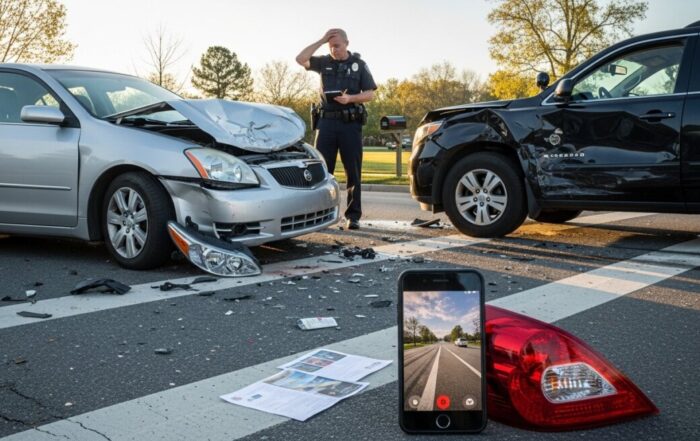
What If a Delivery Driver Has an Accident? Key Steps
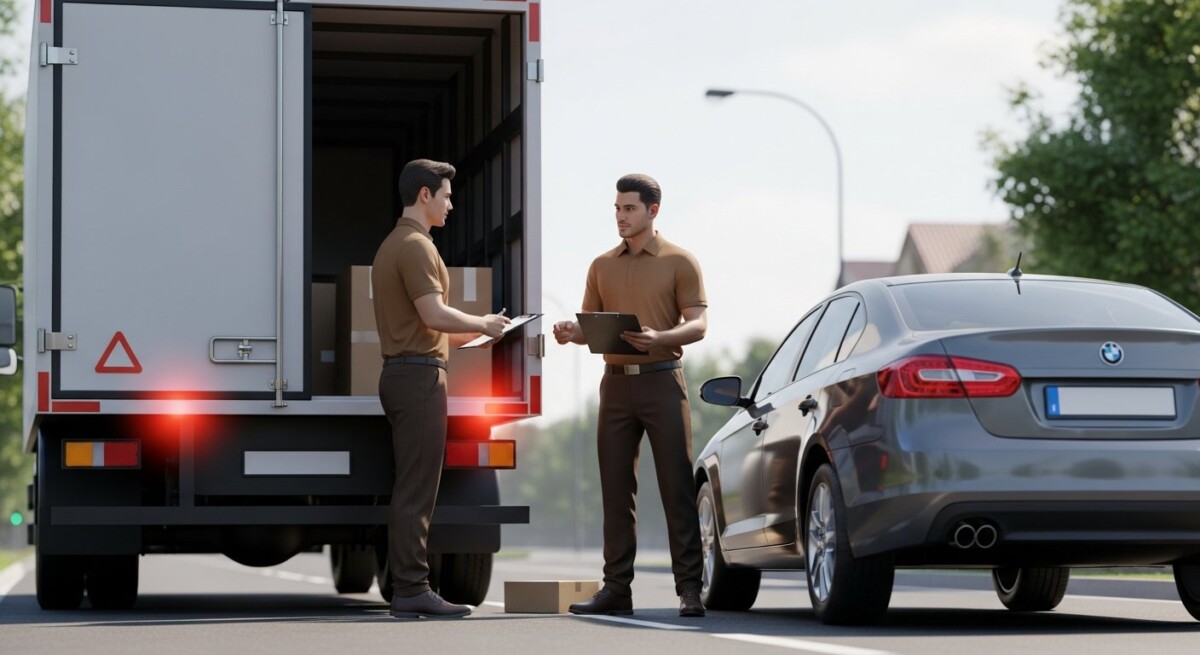
It starts as an ordinary shift: a stack of packages, a familiar route, and a tight schedule. Then, in a split second, everything changes. A delivery driver misjudges a turn, a pedestrian steps off the curb unexpectedly, or another vehicle runs a red light. Suddenly, you are dealing with an accident. Whether you are the driver, a supervisor, or a customer awaiting a parcel, understanding what happens next can make the difference between a manageable incident and a catastrophic legal and financial mess. This article walks through the critical steps, legal considerations, and practical advice for anyone facing this scenario.
Immediate Steps After a Delivery Accident
The moments right after a collision are chaotic, but staying calm and following a clear protocol protects everyone involved. Your first priority is safety. Check yourself and any passengers for injuries. If anyone is hurt, call 911 immediately. Do not move seriously injured individuals unless they are in immediate danger from fire or traffic. Next, secure the scene if it is safe to do so. Turn on hazard lights, set up warning triangles if available, and move the delivery vehicle to the shoulder if possible without causing further risk.
Once the scene is secure, exchange information with the other driver or involved parties. Collect names, phone numbers, insurance details, and vehicle license plate numbers. If there are witnesses, get their contact information as well. Do not discuss fault or blame at the scene. Even a simple apology can be used against you later. Instead, stick to the facts: describe what you saw, but do not speculate. Call your dispatch or employer immediately to report the accident. Most delivery companies have specific protocols for reporting incidents, and failing to notify them promptly can lead to termination or denial of coverage.
Legal and Insurance Implications for Delivery Drivers
Delivery accidents carry unique legal complexities because the driver is usually operating a vehicle owned by or leased to a company. This blurs the line between personal and commercial liability. If the driver is an employee (W-2 status) rather than an independent contractor (1099 status), the employer may be vicariously liable for the driver’s negligence under the legal doctrine of respondeat superior. This means the injured party can sue the company for damages, not just the driver.
However, many delivery drivers are classified as independent contractors, especially in the gig economy. Companies like Amazon Flex, DoorDash, and Uber Eats often argue that their drivers are not employees. This classification can leave the driver personally responsible for accident costs if they do not have proper commercial insurance. Personal auto insurance policies typically exclude coverage for accidents that occur while the vehicle is used for business purposes. If the driver fails to disclose this use, the insurer may deny the claim entirely, leaving the driver to pay out of pocket for repairs, medical bills, and legal judgments.
To navigate this, delivery drivers should carry a commercial auto insurance policy or a rideshare endorsement that covers business use. If an accident occurs, the driver should notify both their personal insurer and the company’s insurer immediately. The company may also have contingent liability coverage that kicks in if the driver’s personal insurance does not cover the loss. Understanding these layers of coverage is essential for anyone asking what if accident occurred during delivery job, because the answer often depends on how the driver is classified.
Common Types of Delivery Accidents and Their Causes
Delivery drivers face unique risks on the road. They often work long hours under tight deadlines, which leads to fatigue and rushed decision-making. Common accident types include:
- Rear-end collisions: Drivers distracted by delivery tablets, GPS devices, or phones may fail to notice stopped traffic ahead.
- Backing accidents: Delivery vehicles often back into driveways, alleys, and loading docks, increasing the risk of hitting pedestrians, cyclists, or parked cars.
- Dooring incidents: Drivers or passengers opening vehicle doors into the path of cyclists or other vehicles is a frequent cause of injury in urban deliveries.
- Parking lot collisions: Tight spaces and frequent stops in crowded lots lead to minor but costly fender benders.
Each type of accident has distinct evidence gathering needs. For a rear-end collision, photographs of vehicle damage and skid marks are critical. For a backing accident, surveillance footage from nearby businesses or residential cameras can prove invaluable. Dooring incidents often require witness statements from nearby pedestrians or other drivers. Gathering this evidence promptly increases the chance of a favorable outcome when dealing with insurers or legal claims.
How to File a Claim After a Delivery Accident
Filing a claim after a delivery accident involves multiple steps and often multiple insurance policies. The process begins with documenting everything. Take photos of the scene from multiple angles, including vehicle damage, road conditions, traffic signs, and any visible injuries. Obtain a copy of the police report, which will contain the officer’s assessment of fault and any citations issued. Keep a log of all medical treatment received, including emergency room visits, follow-up appointments, and physical therapy.
Next, identify which insurance policies apply. If the driver is an employee, the company’s commercial auto policy should be the primary coverage. If the driver is an independent contractor, they must file with their own insurer first, then potentially seek coverage from the company’s policy if denied. In either case, do not accept a settlement offer without consulting an attorney. Insurance adjusters often offer lowball amounts early in the process, hoping claimants will accept before they understand the full extent of their injuries or damages.
For those asking what if accident occurred during delivery job and they were not at fault, the process is similar but with an added layer: you may have a claim against the other driver’s insurance. This claim can cover medical bills, lost wages, vehicle repair costs, and pain and suffering. If the other driver is uninsured or underinsured, your own uninsured motorist coverage may apply. An experienced personal injury attorney can help navigate these complexities and ensure you receive maximum compensation.
Protecting Your Rights as a Delivery Driver
Delivery drivers have rights, but they also have contractual obligations that can complicate accident claims. Many delivery platforms include mandatory arbitration clauses in their contracts, which require drivers and customers to resolve disputes outside of court. These clauses can limit your ability to sue the company for damages. However, they do not prevent you from filing a claim against the other driver’s insurance or from seeking compensation for your own injuries through your own policy.
If you are injured in a delivery accident, seek medical attention immediately, even if you feel fine. Some injuries, such as whiplash or concussions, may not manifest symptoms until hours or days later. Delaying medical treatment can weaken your claim because insurers may argue that your injuries were not caused by the accident. Keep all medical records and follow your doctor’s treatment plan precisely. Missed appointments or non-compliance can be used against you.
Additionally, be cautious about signing any documents from the delivery company or its insurer without legal review. Companies may ask you to sign a release of liability in exchange for a small payment, which could waive your right to future claims. Always consult an attorney before signing anything related to an accident. Many personal injury lawyers offer free initial consultations, so there is no financial barrier to getting professional advice.
Frequently Asked Questions
What if the accident was my fault as a delivery driver?
If you are at fault, your liability depends on your insurance coverage. If you have commercial insurance or a rideshare endorsement, your policy may cover damages to the other party and your own vehicle. If you only have personal insurance, the claim may be denied, leaving you personally responsible. You may also face disciplinary action from your employer, up to and including termination. It is wise to contact an attorney immediately to understand your options and negotiate with insurers.
Does workers’ compensation cover delivery accidents?
Workers’ compensation may cover delivery accidents if you are an employee and the accident occurred within the scope of your employment. This coverage pays for medical expenses and a portion of lost wages, regardless of fault. However, independent contractors are not eligible for workers’ comp. If you are unsure of your classification, an attorney can review your contract and work arrangement to determine your rights.
What if I was delivering for a company but using my own vehicle?
Using a personal vehicle for deliveries creates a coverage gap. Your personal auto policy likely excludes business use, and the company’s policy may only cover vehicles it owns or leases. This is a common scenario for gig economy drivers. You should verify your coverage before any accident occurs. After an accident, file a claim with your insurer first, then with the company’s contingent liability policy if available. An attorney can help coordinate these claims.
How long do I have to file a claim after a delivery accident?
Each state has a statute of limitations for personal injury and property damage claims. This period is typically between one and three years from the date of the accident. However, claims against government entities (if the accident involved a government vehicle or occurred on government property) often have much shorter deadlines, sometimes as low as 30 to 90 days. Do not wait to take action. Contact an attorney promptly to ensure you do not miss any deadlines.
Moving Forward After the Accident
Dealing with the aftermath of a delivery accident can feel overwhelming, but you do not have to face it alone. The key is to act quickly, document everything, and seek professional guidance. Whether you are an employee or an independent contractor, understanding your insurance coverage and legal rights is the first step toward recovery. If you have been injured or have suffered property damage in a delivery accident, a free case evaluation can help you understand your options. Call (833) 227-7919 to speak with a qualified legal professional who can review your situation and connect you with the right attorney for your case.