What Happens If Driver Was Using Phone During Accident
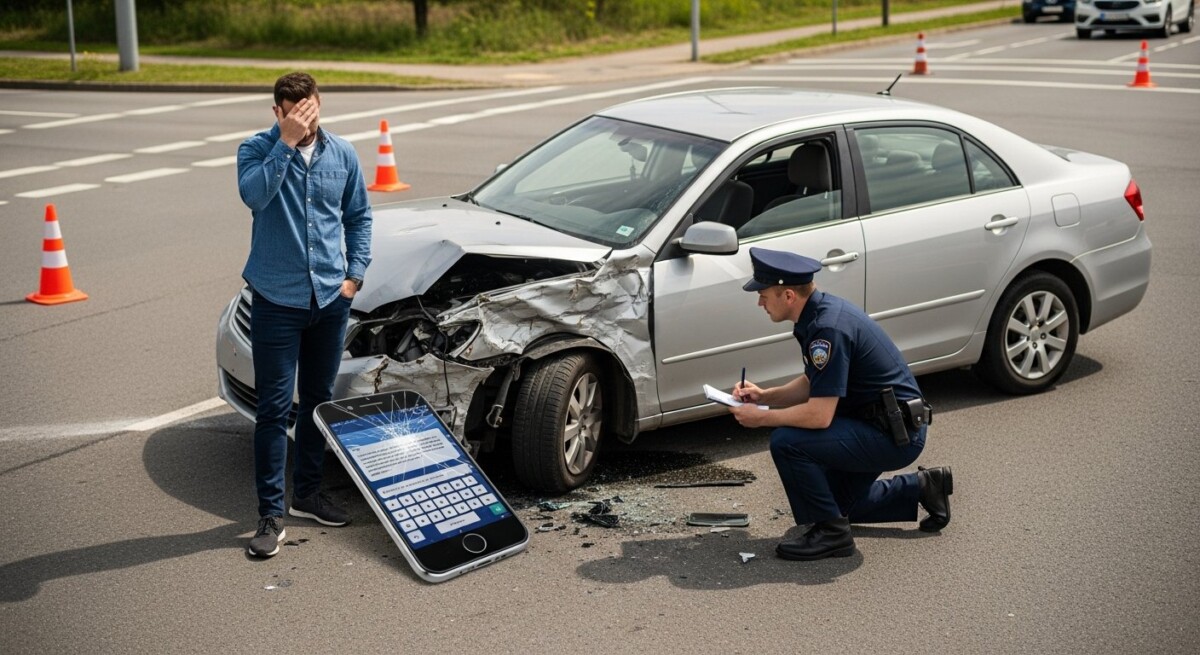
Distracted driving has become one of the most dangerous behaviors on American roads. When a driver picks up a phone to text, scroll social media, or take a call, their reaction time plummets and their awareness of surrounding traffic vanishes. If that driver causes a crash while using a phone, the legal and financial consequences can be severe for everyone involved. Understanding what happens in these situations is critical for anyone injured by a distracted driver, as well as for drivers who may face allegations of phone use at the time of a collision.
The moment law enforcement arrives at the scene of an accident, one of the first questions they ask is whether the driver was distracted. Phone records, eyewitness accounts, and even data from the vehicle itself can reveal whether a phone was in use. If evidence shows that the driver was texting, browsing, or talking on a handheld device at the moment of impact, that driver can be held legally responsible for the crash. This article explores the legal implications, insurance consequences, and steps you can take if you are involved in such an accident.
Legal Liability for Phone Use While Driving
In most states, using a handheld phone while driving is illegal. Laws vary, but many states classify texting and driving as a primary offense, meaning an officer can pull over a driver solely for that behavior. When a driver violates these laws and causes an accident, they are automatically considered negligent. Negligence is the legal foundation for most personal injury claims. A driver who was using a phone during an accident is almost always found to be at fault, which means they are responsible for compensating the injured party.
Proving negligence in these cases often requires concrete evidence. Attorneys will subpoena phone records to show that calls, texts, or data usage occurred at the exact time of the crash. In some cases, the phone’s GPS data can pinpoint the driver’s location and movement patterns. Additionally, social media posts or messages sent moments before the collision can serve as powerful proof. If you are injured by a distracted driver, gathering this evidence early is crucial. An experienced attorney can help you navigate this process, and you can read more about the critical steps to take after a personal injury accident to protect your rights.
It is important to note that even if the driver claims they were stopped at a red light or using a hands-free device, they may still be held liable if their phone use contributed to the accident. Hands-free systems can also cause cognitive distraction, which is why some states have banned all phone use for novice drivers. The key question is whether the driver’s attention was diverted from the road, regardless of the specific device or method used.
Insurance Implications and Claim Denials
Insurance companies treat phone-related accidents very seriously. When a claim is filed, the insurer will investigate whether the driver was using a phone. If evidence confirms phone use, the insurance company may deny the claim or significantly reduce the payout. Many policies include exclusions for illegal activity, and distracted driving is illegal in most jurisdictions. Even if the policy does not explicitly exclude phone use, the insurer may argue that the driver’s negligence was so severe that it voids coverage.
For the injured party, this can create a challenging situation. The at-fault driver’s insurance may refuse to pay, leaving the victim with mounting medical bills and lost wages. However, there are options. Victims can file a claim under their own uninsured or underinsured motorist coverage if the at-fault driver’s policy is insufficient. They can also pursue a personal injury lawsuit directly against the driver. In these cases, the driver’s personal assets may be at risk if the insurance payout is insufficient.
Here are key factors that influence insurance outcomes in phone-related accidents:
- State laws regarding phone use and whether the driver violated them at the time of the crash
- Availability of phone records or dashcam footage proving distraction
- The severity of injuries and property damage caused by the accident
- Whether the driver has a history of traffic violations or previous distracted driving incidents
Insurance adjusters are trained to minimize payouts, so having strong evidence is essential. If you are dealing with an insurer that is denying or delaying your claim, consider consulting an attorney who specializes in accident claims. The process of hiring an experienced lawyer for accident claims can make a significant difference in the outcome of your case.
Criminal Penalties for Distracted Driving
In some cases, using a phone during an accident can lead to criminal charges. If the crash caused serious bodily injury or death, the driver may face charges such as reckless driving, vehicular assault, or even vehicular homicide. These charges carry potential jail time, hefty fines, and a permanent criminal record. The severity of the charges often depends on the driver’s level of distraction and whether they had prior offenses.
For example, if a driver was streaming video or playing a game at the time of the crash, a prosecutor may argue that the driver acted with gross negligence. This is a higher standard than simple negligence and can lead to more severe penalties. Additionally, if the driver attempted to hide their phone use by deleting messages or lying to police, they could face obstruction of justice charges. These criminal cases are separate from civil lawsuits, and a driver can be held accountable in both arenas simultaneously.
Victims of these crashes may feel a sense of justice when criminal charges are filed, but they should still pursue a civil claim for financial recovery. Criminal courts do not award compensation to victims; that is the role of civil courts. Working with a personal injury attorney ensures that you seek both accountability and compensation for your losses.
How to Prove Phone Use After an Accident
Proving that a driver was on their phone at the time of an accident requires a strategic approach. The first step is to preserve all evidence from the scene. Take photos of the vehicles, the road conditions, and any visible phone or charging cables in the driver’s car. Ask witnesses if they saw the driver looking down or holding a phone before the crash. Police reports often include observations about distracted driving, so request a copy of the official report as soon as it is available.
The most definitive evidence often comes from digital sources. Phone records can show the exact timing of calls, texts, and data usage. Attorneys can issue subpoenas to phone carriers to obtain these records. In some cases, the phone itself can be examined by a forensic expert who can recover deleted messages or app activity. Vehicle data recorders, sometimes called black boxes, can also reveal sudden braking, acceleration, or steering inputs that suggest a distracted driver.
If you are unsure how to gather this evidence, a legal professional can guide you. There are many resources available to help you understand your options, including a guide to hiring a personal injury lawyer for accidents that explains what to look for in an attorney and how to evaluate their experience with distracted driving cases.
Compensation Available for Victims
Victims of distracted driving accidents may be entitled to several types of compensation. Economic damages include medical expenses, lost income, property damage, and rehabilitation costs. Non-economic damages cover pain and suffering, emotional distress, loss of enjoyment of life, and loss of consortium. In cases where the driver’s conduct was particularly egregious, punitive damages may also be awarded to punish the driver and deter similar behavior.
The amount of compensation depends on the severity of the injuries, the strength of the evidence, and whether the victim shares any fault for the accident. Some states follow comparative negligence rules, which reduce a victim’s compensation if they were partially at fault. For example, if a victim was jaywalking when hit by a distracted driver, their recovery might be reduced by a certain percentage. However, in most cases, the distracted driver bears the majority of the fault.
It is also worth noting that commercial drivers, such as truck drivers, face even stricter regulations regarding phone use. The Federal Motor Carrier Safety Administration prohibits commercial drivers from texting or using handheld phones while operating a commercial vehicle. If a truck driver was using a phone during an accident, the trucking company may also be held liable under vicarious liability or negligent hiring theories. For more on this specific area, you can explore how to prove truck driver negligence in your accident case.
Steps to Take After a Phone-Related Accident
If you are involved in an accident where you suspect the other driver was using a phone, take these steps to protect your claim:
- Check for injuries and call 911 immediately. Request medical help even if injuries seem minor.
- Do not confront the other driver about phone use. Stay calm and let law enforcement handle the investigation.
- Take photos of the scene, including the other driver’s phone if visible, and note any charging cables or phone mounts.
- Collect contact information from witnesses and ask them to describe what they saw before the crash.
- Contact a personal injury attorney as soon as possible to discuss your case and preserve evidence.
These steps can make a significant difference in the outcome of your claim. Delaying action can result in lost evidence, missed deadlines, and reduced compensation. Insurance companies often move quickly to settle claims for low amounts, so having legal representation levels the playing field.
Frequently Asked Questions
Can I still recover damages if the distracted driver has no insurance?
Yes, you may be able to file a claim under your own uninsured motorist coverage. This coverage is designed for situations where the at-fault driver lacks insurance. You should also consider filing a lawsuit against the driver personally, though collecting from an uninsured individual can be difficult if they have few assets.
What if I was also using my phone at the time of the accident?
If you were also distracted, you may share some fault for the accident. Most states use comparative negligence rules, which means your compensation could be reduced by your percentage of fault. However, you may still recover damages if the other driver was more at fault. It is best to consult an attorney to understand how your state’s laws apply to your situation.
How long do I have to file a lawsuit after a distracted driving accident?
The statute of limitations for personal injury claims varies by state, typically ranging from one to three years from the date of the accident. Some states have shorter deadlines for claims against government entities. It is important to act quickly to ensure you do not lose your right to sue.
Can I sue the phone manufacturer if the driver was using their phone?
In rare cases, product liability claims against phone manufacturers have been attempted, but they are difficult to win. Courts generally hold drivers responsible for their own choices to use a phone while driving. Unless there was a defect that caused the phone to distract the driver involuntarily, the manufacturer is unlikely to be held liable.
Will the distracted driver’s insurance company contact me?
Yes, the at-fault driver’s insurance adjuster may contact you shortly after the accident. Be cautious about what you say. Do not admit fault or agree to a recorded statement without consulting your attorney. Adjusters may try to get you to downplay your injuries or accept a quick settlement that is far below what you deserve.
Moving Forward After a Distracted Driving Accident
Being injured by a driver who was using a phone is a frustrating and often painful experience. The evidence of distraction can feel like a clear-cut case, but insurance companies and defense attorneys will still fight to minimize liability. That is why it is so important to take immediate action, preserve evidence, and seek professional legal guidance. The road to recovery involves both physical healing and financial restitution, and you do not have to navigate it alone.
If you or a loved one has been injured in an accident caused by a distracted driver, consider reaching out to a qualified personal injury attorney who can evaluate your case and help you pursue the compensation you need. With the right support, you can hold the distracted driver accountable and move forward with confidence.