What Happens If City Responsible for Hazard
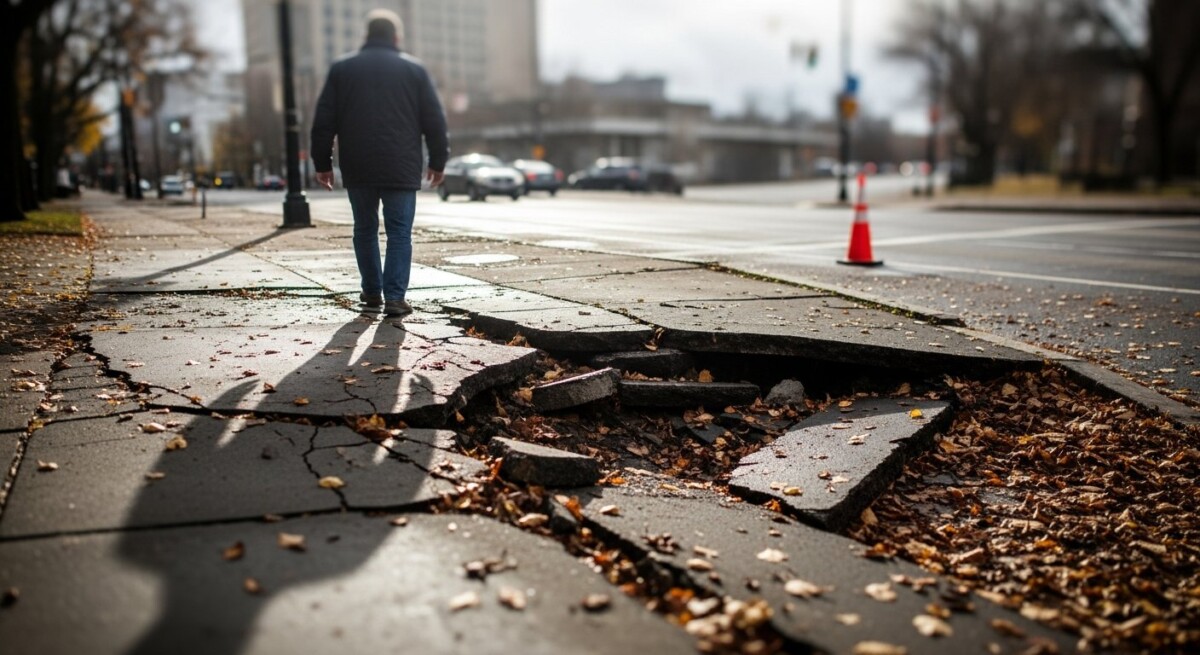
When you are injured on a sidewalk, road, or public property, the question of who pays your medical bills and lost wages can become a legal maze. If a broken curb, unmarked construction zone, or poorly maintained street causes you to fall or crash, you may wonder what happens if city responsible for hazard is the cause of your injury. The answer is not straightforward because cities and municipalities enjoy special legal protections that private property owners do not have. Understanding these protections and how to navigate them is critical for anyone seeking compensation after a public hazard injury.
Municipal liability law varies by state, but most jurisdictions require strict adherence to notice requirements and strict time limits. If you miss a deadline or fail to file paperwork correctly, your claim may be barred forever. This article explains the legal process, the steps you must take, and how a legal referral service can connect you with an attorney who specializes in municipal claims. If you have been hurt by a dangerous condition on public property, do not wait to understand your rights.
Understanding Government Immunity and Its Exceptions
Historically, cities and local governments enjoyed absolute immunity from lawsuits under the English common law doctrine known as sovereign immunity. The idea was that the king could do no wrong, and that principle extended to government entities in the United States. Today, most states have modified this doctrine through laws called Tort Claims Acts or Governmental Liability Acts. These laws waive immunity in certain situations but also create strict procedural hurdles.
What happens if city responsible for hazard is sued under these laws? The city can still assert immunity unless you prove that the hazard falls within a specific exception. Common exceptions include:
- Negligent maintenance of public streets, sidewalks, and traffic controls
- Dangerous conditions on public buildings or parks
- Failure to warn of known hazards during construction or repair work
- Negligent acts by employees acting within the scope of their duties
Even when an exception applies, the city is not automatically liable. You must still prove that the city knew or should have known about the hazard and had a reasonable opportunity to fix it. This is often the most contested element in these cases. For instance, if a tree root cracks a sidewalk and you trip, you must show that the city had received prior complaints or that the crack had existed long enough that city inspectors should have noticed it during routine checks.
Notice Requirements: The First Critical Hurdle
One of the most important differences between suing a private party and suing a city is the notice requirement. Most states require you to file a formal notice of claim with the city within a very short period after the injury. This notice must include details such as the date, time, and exact location of the incident, a description of the hazard, and an estimate of your damages. The deadline can be as short as 30 days in some states, while others allow 90 or 180 days.
What happens if city responsible for hazard does not receive your notice on time? In most cases, your claim is permanently barred. Courts strictly enforce these deadlines, and there are very few exceptions. This is why it is essential to contact a lawyer immediately after a municipal hazard injury. An attorney can ensure that the notice is drafted correctly and filed before the deadline. In our guide on what happens when insurance companies delay your payment, we explain how insurers often use procedural hurdles to deny claims, and the same is true for municipal claims.
Additionally, the notice must be served on the correct city department or official. Sending it to the wrong address or the wrong person can be fatal to your case. Some cities require that the notice be hand-delivered or sent by certified mail. Your attorney will know the specific requirements for your jurisdiction and will handle the service of process.
Statutes of Limitations for Municipal Claims
Beyond the notice of claim deadline, there is also a statute of limitations for filing a lawsuit against a city. This time limit is often shorter than the standard personal injury statute of limitations. For example, while you might have two years to sue a private individual for negligence, you may have only one year to sue a city. The clock typically starts running on the date of the injury.
What happens if city responsible for hazard is sued after the statute of limitations expires? The court will dismiss the case with prejudice, meaning you cannot refile it. Even if you have a strong case on the merits, the expiration of the statute of limitations is an absolute defense for the city. This is another reason why early action is crucial. If you are unsure whether your injury qualifies as a municipal hazard claim, call a legal referral service like FreeLegalCaseReview.com at (833) 227-7919 for a free case evaluation. They can connect you with an attorney who will review your case and advise you on deadlines.
It is also important to note that the statute of limitations for a municipal claim may be tolled (paused) in certain circumstances, such as if the injured person is a minor or is mentally incapacitated. However, relying on tolling is risky, and you should never assume it applies without consulting an attorney.
Proving the City Knew About the Hazard
To win a municipal hazard claim, you must prove that the city had actual or constructive notice of the dangerous condition. Actual notice means the city received a specific complaint about the hazard. Constructive notice means the hazard was so obvious or had existed for so long that the city should have discovered it through reasonable inspection. Courts look at factors such as the length of time the hazard existed, the frequency of inspections, and the location of the hazard.
For example, if a pothole on a busy street has been reported multiple times and the city has done nothing, you have a strong case for actual notice. On the other hand, if a tree limb falls during a storm and hits a pedestrian, the city may argue that it had no notice because the hazard was created suddenly. In that scenario, you would need to show that the city failed to inspect trees regularly or ignored prior signs of decay.
What happens if city responsible for hazard claims it had no notice? Your attorney will need to gather evidence such as maintenance records, prior complaints, photographs, and witness statements. This discovery process can be complex, and cities often resist producing records. An experienced attorney knows how to compel the city to produce relevant documents through legal requests. If you have been injured, you should also preserve your own evidence: take photos of the hazard immediately, gather contact information from witnesses, and keep a diary of your medical treatment and pain.
Types of Municipal Hazards That Lead to Claims
Municipal hazard claims can arise from a wide variety of dangerous conditions on public property. Some of the most common include:
- Sidewalk defects such as cracks, holes, or uneven slabs
- Potholes and road surface deterioration
- Missing or inadequate street lighting
- Unmarked or poorly marked construction zones
- Faulty traffic signals or stop signs
- Dangerous conditions in public parks or playgrounds
- Ice or snow accumulation on sidewalks or parking lots owned by the city
Each type of hazard may be subject to different legal rules. For example, some states have separate laws for sidewalk injuries versus road defects. In some states, the city is only liable for sidewalk defects if it actually constructed the sidewalk, while in others, the city has a duty to maintain all sidewalks within its limits. A knowledgeable attorney can determine which laws apply to your specific situation.
If the hazard is located on state or federal property, the rules change again. Claims against state governments are governed by state tort claims acts, while claims against the federal government go through the Federal Tort Claims Act. These claims have their own notice requirements and limits on damages. If you are injured on a military base, national park, or federal building, you need an attorney who handles federal claims.
Damages You Can Recover in a Municipal Hazard Claim
If you successfully prove that the city is responsible for the hazard, you can recover many of the same damages available in a standard personal injury case. These include medical expenses (past and future), lost wages (past and future), pain and suffering, and property damage. However, some states cap the amount of damages you can recover from a city. For example, a state might limit non-economic damages (pain and suffering) to $250,000 or $500,000. Some states also cap total damages regardless of the severity of your injuries.
What happens if city responsible for hazard has limited insurance coverage? Some cities self-insure, meaning they pay claims out of their own budget. Others purchase liability insurance. If the city has limited funds, you may not be able to collect the full amount of a judgment. An attorney can investigate the city’s insurance coverage and advise you on the likelihood of collecting damages. In some cases, it may be better to settle for a lower amount than to risk a trial and an uncollectible judgment.
It is also worth noting that you cannot recover punitive damages against a city in most states. Punitive damages are designed to punish egregious conduct, but public policy generally prohibits punishing taxpayers for the actions of government employees. Your attorney will explain what types of damages are available in your state.
How a Legal Referral Service Can Help
Navigating a municipal hazard claim is complex, and most people do not have the legal knowledge to handle it alone. FreeLegalCaseReview.com offers a free, confidential case evaluation that can help you understand your options. Our patented attorney selection process connects you with top personal injury attorneys who have experience with municipal claims. We serve as an educational resource and referral service, not a law firm, so we can provide unbiased information about your case.
When you call us at (833) 227-7919, we will ask about the details of your injury, including the location of the hazard and the date it happened. We will then match you with an attorney in your area who handles municipal liability cases. The attorney will review your case for free and advise you on the best course of action. There is no obligation to hire the attorney, and you can ask questions before making a decision.
If you are dealing with a situation where an accident happened during travel, our guide on what happens if accident happened during travel key steps provides helpful information about preserving evidence and seeking medical care. Similarly, if the hazard was caused by a distracted driver, our article on what happens if driver was using phone during accident explains how fault is determined in those cases. For property damage claims, such as hitting a parked car, you can read what happens if you hit a parked car your legal guide for steps to take at the scene.
Frequently Asked Questions
How long do I have to file a claim against a city for a hazard injury?
The time limit varies by state, but it is often much shorter than a standard personal injury claim. Most states require a notice of claim within 30 to 180 days, and a lawsuit must be filed within one to two years. Contact an attorney immediately to avoid missing these deadlines.
Can I sue a city if I tripped on a sidewalk crack?
Yes, but you must prove that the city knew about the crack and had time to fix it. You also need to comply with strict notice requirements. An attorney can help you gather evidence and file the necessary paperwork.
What if the hazard was on a state park or federal building?
Claims against state governments follow state tort claims acts, while claims against the federal government go through the Federal Tort Claims Act. These have different rules and deadlines. You need an attorney who handles claims against the specific level of government involved.
How much does it cost to hire a lawyer for a municipal hazard claim?
Most personal injury attorneys work on a contingency fee basis, meaning they only get paid if you win. The fee is typically a percentage of your settlement or judgment. Your initial consultation is free.
What happens if the city has no money to pay my claim?
Some cities have limited funds or insurance. Your attorney can investigate the city’s ability to pay and advise you on whether a settlement or judgment is collectible. In some cases, you may still recover damages through a structured settlement or payment plan.
If you have been injured by a hazard on public property, do not delay. Call FreeLegalCaseReview.com at (833) 227-7919 for a free case evaluation today.