Unsafe Road Conditions: Your Legal Options After a Crash
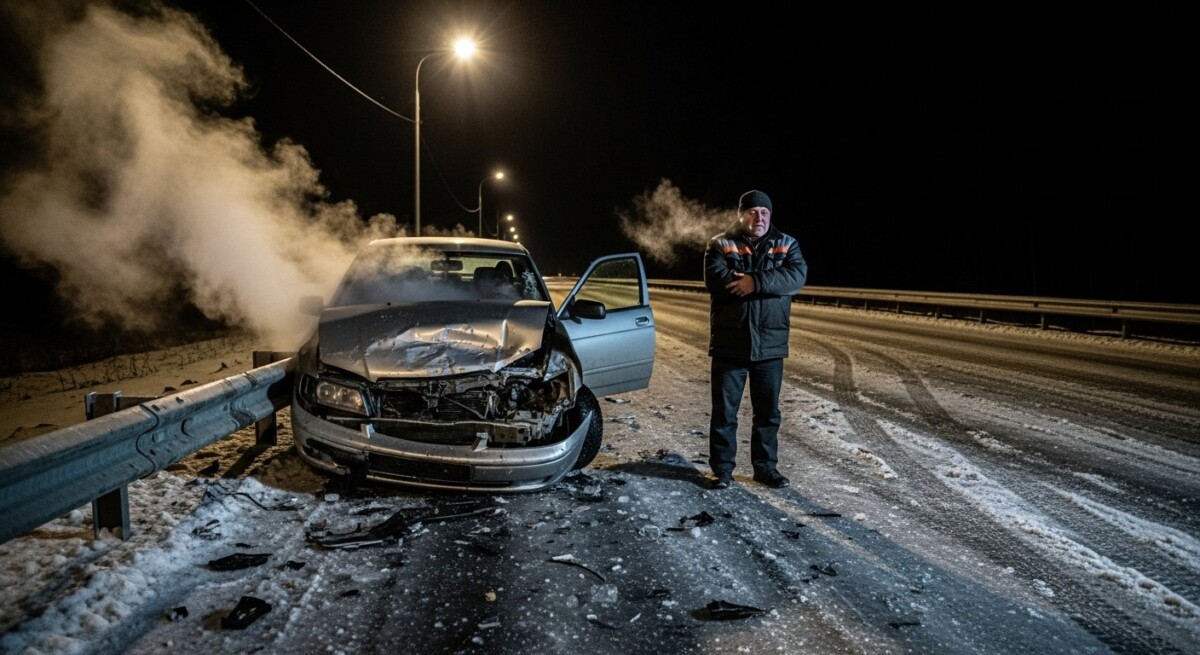
Imagine driving home after a long day when your tires hit a patch of black ice you never saw coming. Your car spins, you hit a guardrail, and suddenly you are dealing with injuries, vehicle damage, and mounting medical bills. This scenario plays out thousands of times each year across the United States. When road conditions become unsafe due to weather, poor maintenance, or construction hazards, drivers and passengers often wonder what happens if road conditions were unsafe and who bears responsibility for the resulting harm. Understanding your legal rights in these situations can mean the difference between financial recovery and being left with nothing.
Unsafe road conditions create a unique legal landscape because liability may fall on government entities, private contractors, or other drivers instead of solely on the person behind the wheel. In our guide on can I claim injury from unsafe playground equipment, we discuss similar principles of premises liability that apply here. This article walks you through what happens legally, how to protect yourself, and when you may be entitled to compensation after an accident caused by hazardous roads.
What Qualifies as an Unsafe Road Condition?
Road conditions become unsafe when they pose an unreasonable risk to motorists, pedestrians, or cyclists. These hazards can arise from natural causes, government neglect, or third-party actions. Courts and insurance companies evaluate whether the condition was foreseeable and whether responsible parties took reasonable steps to address it.
Common examples of unsafe road conditions include:
- Potholes, cracks, or uneven pavement that cause loss of control
- Missing or malfunctioning traffic signals and road signs
- Inadequate street lighting that reduces visibility
- Debris from construction zones or fallen cargo
- Unmarked construction areas with no warning signs
- Standing water, ice, or snow that has not been treated
- Faded or confusing lane markings
- Obstructed sight lines due to overgrown vegetation or parked vehicles
Each of these hazards can lead to serious accidents, and the legal analysis often hinges on whether the entity responsible for maintaining the road knew or should have known about the danger. For example, a city that ignores repeated complaints about a deep pothole may be liable when a driver hits it and crashes, while a sudden rainstorm that creates temporary flooding may be considered an act of nature that no one could prevent.
Who Is Legally Responsible for Unsafe Roads?
Determining liability after an accident caused by unsafe road conditions requires identifying which party had a duty to keep the roadway safe. This duty typically falls on government agencies at the local, county, or state level, but private entities can also be held responsible in certain circumstances.
Government Liability and Sovereign Immunity
Government entities generally have sovereign immunity, meaning they cannot be sued without their consent. However, most states have passed laws that waive immunity for certain types of claims, including those arising from unsafe road conditions. These laws often require you to file a notice of claim within a very short window, sometimes as little as 30 days after the accident. Missing this deadline can permanently bar your claim.
To succeed against a government defendant, you typically must prove that the agency had actual or constructive notice of the dangerous condition and failed to correct it within a reasonable time. Constructive notice means the condition existed for so long that the agency should have discovered it through routine inspections. Photographs, maintenance records, and witness testimony can help establish this element.
Private Contractor Responsibility
When a private company performs road work or maintenance, it may be liable if its negligence created an unsafe condition. For instance, a construction crew that leaves equipment on the roadway or fails to place proper warning signs can be sued directly. Unlike government entities, private companies do not enjoy sovereign immunity, which can make your case simpler to pursue.
Other Drivers and Third Parties
Sometimes unsafe road conditions result from the actions of another driver. A truck that spills its load across the highway creates a hazard that can cause chain-reaction collisions. In these cases, the driver who caused the spill and their employer may be liable. Similarly, a driver who stops illegally in a travel lane can create an obstruction that leads to a crash.
If you are wondering what happens if road conditions were unsafe and multiple parties share fault, your attorney will investigate all potential defendants. This approach maximizes your chances of recovering full compensation for your losses.
Proving Your Case: Evidence You Need After an Unsafe Road Accident
Building a strong claim requires gathering evidence that demonstrates the road was unsafe and that the responsible party knew or should have known about the danger. The following types of evidence are critical:
- Photographs and videos of the road condition taken as soon as possible after the accident
- Weather reports and records showing conditions at the time of the crash
- Maintenance logs and complaint records from the government agency or contractor
- Witness statements from other drivers, passengers, or nearby residents
- Police reports that document the hazardous condition
- Expert testimony from engineers or accident reconstruction specialists
- Medical records linking your injuries to the accident
Preservation of evidence is crucial because road conditions can change rapidly. A pothole may be patched within days, or debris may be cleared before investigators arrive. Take photos immediately and return to the scene if necessary to document the hazard. Your attorney can also send preservation letters to government agencies to prevent them from altering the road before a thorough inspection occurs.
Compensation Available for Unsafe Road Condition Accidents
Victims of accidents caused by unsafe roads may recover economic and non-economic damages. Economic damages include medical expenses, lost wages, property damage, and rehabilitation costs. Non-economic damages cover pain and suffering, emotional distress, loss of enjoyment of life, and permanent disability.
In some states, there are caps on damages when suing government entities. These caps may limit your recovery, especially for non-economic losses. For example, California caps non-economic damages against public entities at $250,000, while Texas has no cap on economic damages but limits non-economic damages in medical malpractice cases. Your attorney can explain the specific limits that apply in your state.
Punitive damages are rarely available in road condition cases unless the defendant acted with gross negligence or intentional misconduct. For instance, if a government official deliberately ignored a known deadly hazard, a court might award punitive damages to punish that behavior.
Steps to Take Immediately After an Accident on Unsafe Roads
Your actions in the minutes, hours, and days following an accident can significantly impact your ability to recover compensation. Follow these steps to protect your legal rights:
- Seek medical attention for any injuries, even if they seem minor. Some injuries, like whiplash or internal bleeding, may not appear until hours later.
- Report the accident to law enforcement and request a copy of the police report. Make sure the officer notes the unsafe road condition in the report.
- Document the scene thoroughly. Take photos of the road hazard, your vehicle, your injuries, and the surrounding area from multiple angles.
- Gather contact information from witnesses who saw the accident or the hazardous condition before the crash.
- Notify your insurance company of the accident, but do not give a recorded statement until you speak with an attorney. Insurance adjusters may use your words against you later.
- Preserve all evidence, including damaged clothing, vehicle parts, and any personal items involved in the crash.
- Contact an experienced personal injury attorney who handles unsafe road condition cases. Time limits for filing claims against government entities are strict.
In our article on what happens if supervision was inadequate, we explain how failure to monitor dangerous conditions can create liability. The same principles apply when a government agency neglects its duty to maintain safe roads.
Common Defenses Against Unsafe Road Condition Claims
Defendants in these cases often raise several defenses to avoid paying compensation. Understanding these defenses helps you prepare a stronger case:
Design immunity: Some states protect government agencies from liability if the road was designed according to accepted standards at the time of construction, even if that design later proves dangerous. However, this defense may not apply if the agency knew the design was unsafe and failed to correct it.
Lack of notice: The defendant may argue that it had no knowledge of the dangerous condition and could not have discovered it through reasonable inspection. You can counter this by showing that the condition existed for a long time or that others had complained about it.
Comparative fault: The defendant may claim that your own negligence contributed to the accident. For example, if you were speeding or distracted when you hit a pothole, the court may reduce your recovery by your percentage of fault. In some states, if you are more than 50% at fault, you cannot recover anything.
Act of God: Defendants often blame weather events beyond human control. However, if the agency failed to take reasonable precautions against foreseeable weather, this defense may fail. A city that does not salt roads before an expected ice storm may still be liable.
Frequently Asked Questions
Can I sue the city for an accident caused by a pothole?
Yes, in most states you can sue a city or county for a pothole-related accident, but you must prove the government knew about the pothole and had a reasonable opportunity to fix it. You also must file a notice of claim within a strict deadline, often 30 to 90 days after the accident.
What happens if road conditions were unsafe but I was also partially at fault?
You may still recover compensation, but your award will be reduced by your percentage of fault. For example, if you are found 20% at fault for speeding and the court awards $100,000 in damages, you would receive $80,000. Some states bar recovery if you are more than 50% at fault.
How long do I have to file a claim for an unsafe road condition?
The statute of limitations varies by state and can be as short as one year for claims against government entities. Private party claims typically allow two to three years. However, the notice of claim requirement often has an even shorter deadline, so consult an attorney immediately.
Do I need a lawyer for an unsafe road condition claim?
Yes, these cases are legally complex due to sovereign immunity issues, notice requirements, and the need to prove government knowledge. An experienced attorney can navigate these hurdles and maximize your compensation. Many personal injury lawyers offer free consultations and work on a contingency fee basis.
Can I claim injury from unsafe road conditions if I was a pedestrian or cyclist?
Absolutely. Pedestrians and cyclists are also protected by the duty of government entities to maintain safe roads and sidewalks. If you tripped on a broken sidewalk or were hit by a car because of a missing crosswalk sign, you may have a valid claim.
If you have been injured in an accident involving hazardous roads, you may be entitled to compensation for medical bills, lost income, and pain and suffering. In our article on what happens when insurance companies delay your payment, we explain how to handle tactics that slow down your recovery. For those injured while traveling, our guide on injured abroad what happens next offers practical advice for cross-border situations.
Unsafe road conditions can turn an ordinary drive into a life-changing event. By understanding your legal rights and taking prompt action, you can hold responsible parties accountable and secure the financial support you need to recover. Do not wait to seek legal advice, as the clock starts ticking the moment your tires hit that hazard.