Can I Claim Injury From Unsafe Playground Equipment
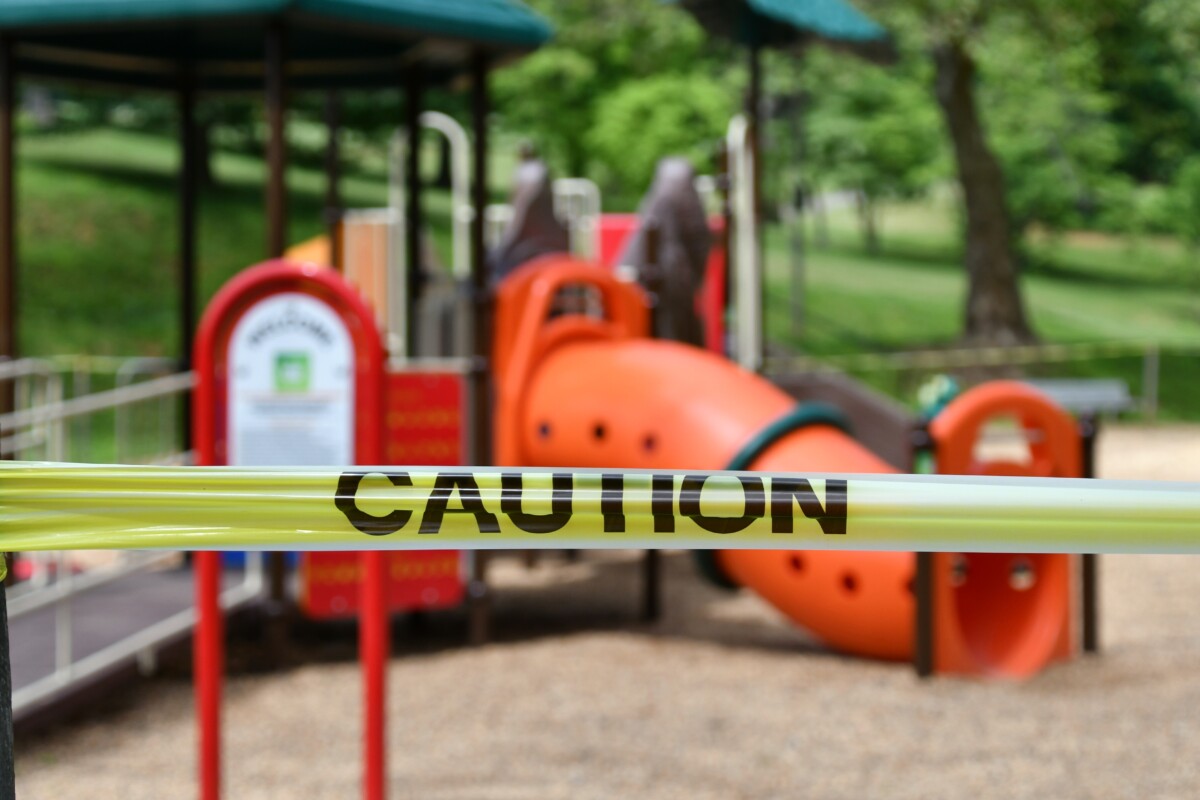
Playgrounds are supposed to be places of joy, laughter, and childhood adventure. But when a swing breaks, a slide collapses, or a rusty bolt gives way, the result can be a serious injury. If your child or you have been hurt on unsafe playground equipment, you may be wondering whether you have legal recourse. The short answer is yes: you can claim injury from unsafe playground equipment under certain conditions. This article explains the legal pathways, the parties who may be liable, the evidence you need, and the steps to take after an accident.
Who Is Liable for Playground Injuries
Determining liability for a playground injury depends on where the accident happened and why the equipment failed. In many cases, multiple parties share responsibility. The key is to identify the person or entity whose negligence or wrongful act directly contributed to the unsafe condition.
For example, if a public park slide has a sharp edge that cuts a child, the city or municipality that owns and maintains the park may be liable. If the slide was defectively designed or manufactured, the product manufacturer could be held responsible. And if a school district fails to inspect its playground equipment regularly, it may face liability for resulting injuries.
Here are the most common types of defendants in playground injury claims:
- Property owners or operators , Cities, counties, schools, daycare centers, and private landowners who fail to maintain safe equipment.
- Equipment manufacturers , Companies that design or produce defective playground components such as swings, monkey bars, or climbing structures.
- Installers or contractors , Businesses that improperly install equipment, leading to collapse or instability.
- Inspectors or certifiers , Third parties hired to inspect playgrounds who miss obvious hazards.
Each type of defendant requires a slightly different legal strategy. For instance, claims against government entities often involve strict notice deadlines and immunity protections. Claims against manufacturers may fall under product liability law, which does not require proof of negligence in some states. Understanding who is at fault is the first step toward building a strong case.
Legal Theories for Playground Injury Claims
To successfully claim injury from unsafe playground equipment, you must establish a legal theory that connects the injury to the defendant’s conduct. The two most common theories are negligence and product liability.
Negligence requires proving that the defendant owed a duty of care to the injured person, breached that duty, and directly caused the injury. For a playground owner, the duty is to maintain the equipment in a reasonably safe condition. A breach might include failing to replace worn-out parts, ignoring rust, or not installing soft surfacing material beneath equipment. You must also show that the breach caused the injury and that actual damages (medical bills, pain, lost wages) resulted.
Product liability applies when the equipment itself is defective. This can take three forms: design defects (the product is inherently dangerous even if made correctly), manufacturing defects (a flaw occurred during production), or failure to warn (the manufacturer did not provide adequate safety instructions or warnings). For example, if a slide is designed with a gap that traps clothing and causes strangulation, that is a design defect. If a bolt is made of substandard metal and shears off, that is a manufacturing defect.
In some cases, you might also assert a claim for premises liability, which holds property owners responsible for hazardous conditions on their land. This overlaps with negligence but often has specific rules about open and obvious dangers versus hidden hazards.
What You Must Prove to Win Your Case
Regardless of the legal theory, you need solid evidence. The burden of proof in a civil claim is a preponderance of the evidence, meaning you must show it is more likely than not that the defendant’s fault caused the injury. To meet this standard, gather the following types of evidence:
- Photographs and videos of the equipment, the injury, and the surrounding area taken immediately after the accident.
- Witness statements from anyone who saw the accident or had prior knowledge of the equipment’s dangerous condition.
- Maintenance records showing whether the equipment was inspected, repaired, or left in disrepair.
- Medical records documenting the injury, treatment, and prognosis.
- Expert testimony from engineers, playground safety specialists, or medical professionals who can explain why the equipment was unsafe.
One critical piece of evidence is proof that the defendant knew or should have known about the danger. If a city received complaints about a loose bolt but did nothing, that knowledge strengthens your case. If the danger was hidden and no one reported it, you may need to show that a reasonable inspection would have caught it.
It is also wise to consult an attorney early. A lawyer can help you preserve evidence, calculate the full value of your claim, and navigate complex rules like government immunity. In fact, for cases involving defective products, our guide on defective product injury claims explains how to prove a product was unreasonably dangerous.
Government Liability and Notice Requirements
If the playground is on public property, such as a city park or public school, special rules apply. Government entities often enjoy sovereign or governmental immunity, which limits their liability. However, most states have waived immunity for certain types of claims, including those involving dangerous conditions on public property.
The catch is that you must comply with strict notice requirements. Many states require you to file a formal notice of claim with the government agency within a short window, often 90 to 180 days after the injury. Missing this deadline can bar your claim forever. The notice must typically include details like the date, time, location, and nature of the injury, as well as the amount of damages sought.
Because these rules vary widely by state, it is essential to act quickly. An attorney familiar with your state’s laws can help you prepare and file the notice correctly. For example, if your injury occurred on a school playground, you may need to notify the school district, not just the city. Failing to name the correct entity can also derail your claim.
Additionally, some states cap the amount of damages you can recover from a government entity. These caps can limit compensation for pain and suffering, so it is important to know your state’s limits before you settle or go to trial.
Common Injuries and Damages You Can Recover
Playground equipment accidents can cause a wide range of injuries, from minor scrapes to life-altering trauma. The most common injuries include fractures, concussions, lacerations, spinal cord injuries, and traumatic brain injuries. Falls from heights are especially dangerous because children’s bodies are still developing and may be more vulnerable to serious harm.
If you can claim injury from unsafe playground equipment and succeed, you may recover economic and non-economic damages. Economic damages cover tangible losses like medical expenses, future medical care, rehabilitation costs, lost wages (if a parent misses work to care for the child), and out-of-pocket expenses. Non-economic damages compensate for pain and suffering, emotional distress, loss of enjoyment of life, and permanent disability.
In rare cases involving gross negligence or intentional misconduct, punitive damages may also be available. These are designed to punish the defendant and deter similar conduct. However, they are not common in playground injury cases unless there is evidence of extreme recklessness.
It is also worth noting that children have a longer statute of limitations in many states. The deadline to file a lawsuit may be extended until the child turns 18, but this does not apply to government notice requirements. Always check with a lawyer about the specific deadlines that apply to your case.
For a deeper look at how injuries from falling objects or structures are handled, you can read our article on falling ceiling collapse claims, which explores similar legal principles of premises liability.
Steps to Take After a Playground Injury
If you or your child is injured on unsafe playground equipment, take the following steps to protect your legal rights:
- Seek medical attention immediately. Some injuries, like concussions or internal bleeding, may not show symptoms right away. A doctor’s evaluation creates a medical record that links the injury to the accident.
- Document the scene. Take photos and videos of the equipment, the injury, and any warning signs or lack thereof. If possible, measure the height of the equipment and the depth of any surfacing material.
- Report the accident. Notify the property owner, manager, or school official. Ask for a written incident report and request a copy. Do not sign anything that admits fault or waives your right to sue.
- Gather witness information. Collect names, phone numbers, and email addresses of anyone who saw the accident. Witnesses can be crucial if the defendant disputes your version of events.
- Preserve the equipment. If the equipment is still in place, try to prevent it from being repaired or removed before an expert can inspect it. If it is moved, take detailed notes of its condition.
- Contact a lawyer. An experienced personal injury attorney can evaluate your case, advise you on deadlines, and negotiate with insurance companies on your behalf.
Many people worry about the cost of hiring a lawyer. Fortunately, most personal injury attorneys work on a contingency fee basis, meaning you pay nothing upfront and the lawyer only gets paid if you win. This arrangement makes legal representation accessible even when you are already facing medical bills.
If the injury happened while walking near a playground, you might also be interested in our guide on pedestrian accident claims, which covers similar issues of property owner responsibility.
Frequently Asked Questions
Can I sue if my child was injured on a school playground?
Yes, but you must comply with strict notice requirements and potential immunity protections. School districts are usually considered government entities, so you must file a notice of claim within a short window. An attorney can help you navigate these rules.
What if my child was partly at fault for the injury?
In many states, comparative negligence applies. If the child was climbing in an unsafe way or ignoring warnings, your damages may be reduced by the percentage of fault assigned to the child. However, children under a certain age (often 7 or younger) cannot be held legally negligent in most jurisdictions.
How long do I have to file a playground injury lawsuit?
The statute of limitations varies by state and by the type of defendant. For private property owners, the deadline is typically 1 to 3 years. For government entities, the deadline is often much shorter. Always consult a lawyer as soon as possible after the injury.
Can I claim injury from unsafe playground equipment if the equipment was old?
Yes, age alone does not bar a claim. In fact, old equipment that is not properly maintained can be strong evidence of negligence. However, you must show that the owner knew or should have known about the dangerous condition and failed to fix it.
What compensation can I expect for a playground injury?
Compensation depends on the severity of the injury, the cost of medical treatment, the impact on the child’s life, and the strength of the evidence. Minor injuries may settle for a few thousand dollars, while serious injuries involving permanent disability can result in settlements or verdicts in the hundreds of thousands.
For more information on how falling objects can cause injury, see our analysis of falling object accident claims, which discusses similar legal standards.
Playground injuries are traumatic, but you do not have to face the aftermath alone. The law provides a path to hold negligent parties accountable and recover the compensation you need to move forward. If you believe unsafe playground equipment caused your injury, speak with a qualified attorney who can evaluate your case and protect your rights. Call us at (833) 227-7919 for a free consultation.