Medical Malpractice Review Chicago: What Victims Need to Know
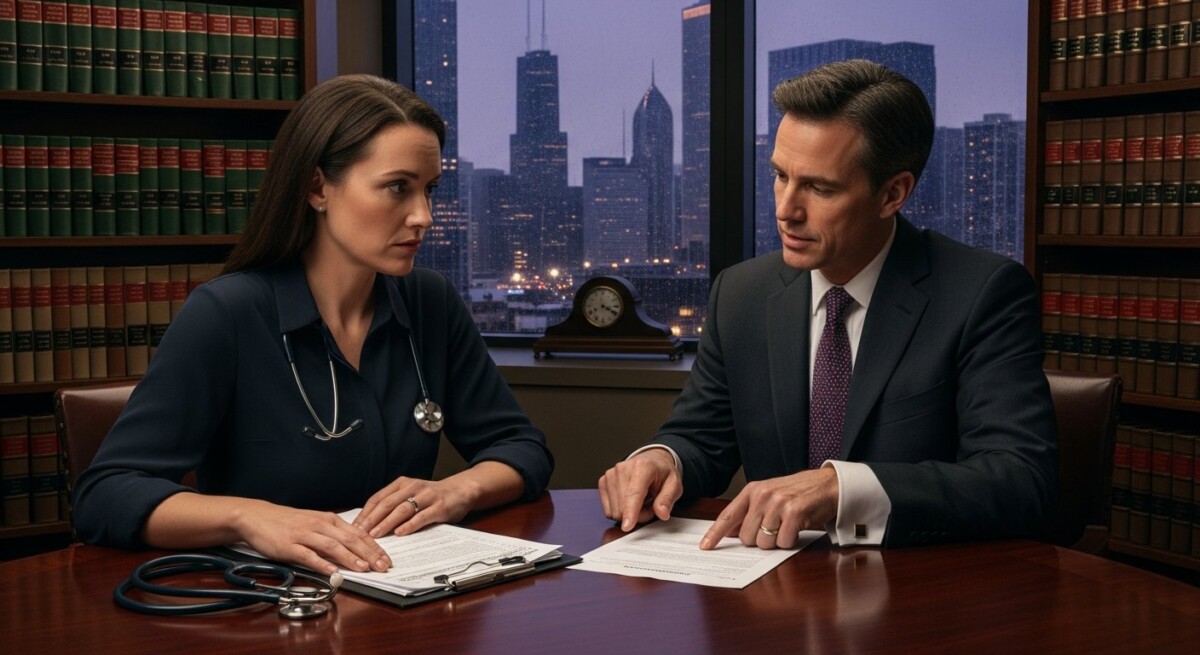
When a trusted healthcare provider makes a mistake that causes harm, the consequences can be devastating. Patients in Chicago face unique challenges when pursuing justice for medical errors, from navigating complex hospital systems to understanding Illinois-specific legal standards. A medical malpractice review Chicago residents rely on can help clarify whether negligence occurred and what steps to take next. This process involves analyzing medical records, consulting with experts, and determining if a provider breached the standard of care. Understanding how this review works empowers patients to protect their rights and seek fair compensation for injuries.
Medical malpractice cases are notoriously difficult to prove. Unlike a simple accident where fault may be clear, medical errors often involve nuanced clinical decisions. A thorough review examines the timeline of events, diagnostic tests, treatment options, and communication between providers. For Chicago patients, this review is the first critical step toward holding negligent parties accountable. Without it, many victims accept inadequate settlements or abandon their claims altogether. A proper review levels the playing field against well-funded healthcare institutions and their insurers.
What Constitutes Medical Malpractice in Illinois?
Illinois law defines medical malpractice as negligence by a healthcare professional that results in injury to a patient. To succeed in a claim, four elements must be present: a duty of care existed, the provider breached that duty, the breach directly caused the injury, and the injury led to specific damages. In our guide on the medical malpractice claim process explained step by step, we detail how each element is established. For example, a surgeon who leaves a sponge inside a patient clearly breaches the standard of care, but a delayed diagnosis case requires expert testimony to prove what a competent doctor would have done differently.
Common types of malpractice include surgical errors, misdiagnosis, medication mistakes, birth injuries, and failure to obtain informed consent. In Chicago, high patient volumes in major hospitals can lead to rushed assessments or overlooked symptoms. A medical malpractice review Chicago victims pursue must identify exactly how the provider deviated from accepted practices. This often involves comparing the care received to what a reasonably skilled provider would have done under similar circumstances. The review also considers whether the error caused measurable harm, such as additional medical costs, lost income, or permanent disability.
Why a Professional Review Matters Before Filing a Claim
Many patients assume that any bad medical outcome qualifies as malpractice. However, the law recognizes that not all negative results stem from negligence. Medicine involves inherent risks, and some complications occur even with perfect care. A professional review separates meritorious claims from those unlikely to succeed. This saves victims time, money, and emotional strain. It also prevents filing frivolous lawsuits that could damage a patient’s credibility. As we discuss in why you must talk to a lawyer first after medical malpractice, early legal guidance helps avoid common pitfalls like missing deadlines or destroying evidence.
Insurance companies employ aggressive tactics to minimize payouts. They often request early access to medical records, hoping to find inconsistencies or pre-existing conditions to blame. A formal review conducted by an experienced attorney or nurse consultant ensures that records are preserved and analyzed correctly. It also helps calculate the full value of damages, including future medical needs and lost earning capacity. Without this foundation, victims may accept settlements that cover only immediate expenses while ignoring long-term consequences. A thorough review builds a case that withstands scrutiny from defense experts and judges.
The Step-by-Step Medical Malpractice Review Process in Chicago
The review process typically begins with a free consultation where an attorney listens to the patient’s story. If the case appears viable, the attorney requests all relevant medical records from hospitals, clinics, and individual providers. These records include doctor’s notes, lab results, imaging studies, and discharge summaries. Next, the records are examined by a medical expert, often a physician in the same specialty as the defendant. The expert determines whether the care fell below accepted standards and whether the deviation caused the patient’s injury.
If the expert confirms malpractice, the attorney obtains a formal affidavit of merit, which Illinois law requires before filing a lawsuit. This affidavit must include a written statement from a qualified health professional explaining the basis for the claim. The attorney then calculates damages, including economic losses like medical bills and lost wages, as well as non-economic losses like pain and suffering. In some cases, punitive damages may apply if the provider acted with reckless disregard for patient safety. Throughout this process, the attorney maintains open communication with the client, explaining each step and answering questions.
Key Factors That Influence a Review Outcome
Several factors determine whether a medical malpractice review Chicago patients pursue leads to a successful claim. The severity of the injury plays a major role. Minor temporary harm rarely justifies litigation, but permanent disability or wrongful death demands accountability. The clarity of the error also matters. A clear violation, such as operating on the wrong body part, is easier to prove than a borderline diagnostic mistake. The patient’s pre-existing health conditions can complicate the analysis. If the patient already suffered from serious illness, the attorney must distinguish between harm caused by malpractice and harm caused by the underlying condition.
The availability of expert witnesses is another critical factor. Illinois requires that expert witnesses be licensed and actively practicing in the same field as the defendant. Finding a credible expert who is willing to testify against a colleague can be challenging, especially in specialized areas like neurosurgery or obstetrics. The attorney’s network and reputation often determine whether suitable experts are secured. Additionally, the timing of the review matters. Illinois has a strict statute of limitations, generally two years from the date of injury or discovery of the injury. Delaying the review can result in losing the right to sue forever.
Common Mistakes Patients Make During the Review Phase
One of the most common errors is discussing the case publicly or on social media. Insurance companies monitor these channels for statements that can be used to undermine the claim. Another mistake is signing blanket authorizations for medical releases. These documents can give insurance adjusters access to decades of unrelated medical history, which they may use to argue that the injury was pre-existing. Patients also sometimes fail to follow through with recommended treatment after the injury. This can be used to argue that the patient caused their own worsened condition.
Perhaps the biggest mistake is waiting too long to seek a review. Memories fade, witnesses move, and evidence gets lost. The sooner a review begins, the stronger the case. Patients should also avoid speaking to insurance adjusters without legal representation. Adjusters are trained to ask leading questions that elicit harmful admissions. A simple statement like “I wasn’t sure if the doctor made a mistake” can be twisted into a reason to deny the claim. Working with an attorney from the start prevents these pitfalls and preserves the integrity of the case.
How Chicago’s Legal Landscape Affects Malpractice Reviews
Chicago’s medical malpractice environment is shaped by Illinois state law and local court procedures. The Illinois Supreme Court has issued rulings that affect damage caps, expert requirements, and statutes of limitations. For many years, Illinois had a cap on non-economic damages, but that cap was struck down as unconstitutional in 2010. This means there is currently no limit on pain and suffering awards, which can significantly increase potential compensation. However, this also makes cases more attractive to defense attorneys who fight harder to avoid large verdicts.
Cook County, where Chicago is located, has a reputation for being plaintiff-friendly compared to more conservative downstate counties. Jury pools in Chicago tend to be more diverse and sympathetic to injured patients. Nonetheless, winning a trial still requires compelling evidence and persuasive expert testimony. The review process must anticipate how a Chicago jury might perceive the case. Attorneys often conduct focus groups or mock trials to test arguments and refine their approach. Understanding local judicial preferences, such as which judges favor strict adherence to procedural rules, also informs the strategy.
Choosing the Right Professional for Your Medical Malpractice Review
Selecting an attorney or review service requires careful research. Look for professionals who specialize exclusively in medical malpractice, not general personal injury. Specialists understand the nuances of medical terminology, hospital protocols, and expert witness recruitment. They also have established relationships with qualified medical experts. During the initial consultation, ask about the attorney’s track record with cases similar to yours. Request specific examples of settlements or verdicts. An honest attorney will also discuss the weaknesses of your case, not just the strengths.
Consider the firm’s resources. Medical malpractice litigation is expensive, often requiring significant upfront investment for expert fees, depositions, and evidence gathering. Many reputable firms advance these costs and only collect if they win. In our article on who are the top medical malpractice attorneys in Florida, we highlight qualities that apply nationwide, including dedication, transparency, and aggressive negotiation. While that article focuses on Florida, the same principles hold true for Chicago. Look for attorneys who communicate clearly, return calls promptly, and treat you with respect. Avoid firms that promise guaranteed outcomes or pressure you to sign a contract immediately.
The Role of Technology in Modern Medical Malpractice Reviews
Technology has transformed how attorneys conduct medical malpractice reviews. Electronic health records (EHRs) allow for faster retrieval and analysis of patient data, but they also present challenges. EHRs often contain metadata that can reveal when entries were made or altered. Attorneys can use forensic software to detect suspicious edits or deletions. Similarly, video recordings from operating rooms or emergency departments can provide objective evidence of errors. In some Chicago hospitals, cameras capture procedures, and these recordings can be subpoenaed during discovery.
Artificial intelligence tools are also emerging in case review. AI can scan thousands of medical records to identify patterns of negligence, such as missed radiology findings or abnormal lab results that went unreviewed. While AI cannot replace human expert judgment, it speeds up the initial screening process. Attorneys who embrace these technologies can offer more efficient and thorough reviews to their clients. However, patients should ensure that their legal team maintains strict confidentiality when using digital tools, as medical records are protected by HIPAA and other privacy laws.
Frequently Asked Questions About Medical Malpractice Review in Chicago
How much does a medical malpractice review cost?
Most reputable attorneys offer free initial consultations. If they agree to take your case, they usually work on a contingency fee basis, meaning they receive a percentage of your settlement or verdict only if you win. There are generally no upfront costs for the review itself.
How long does a medical malpractice review take?
The initial review can take anywhere from a few weeks to several months, depending on the complexity of the case and the availability of medical records and expert witnesses. A thorough review cannot be rushed without compromising accuracy.
Can I get a medical malpractice review if I already signed a settlement?
In most cases, signing a settlement releases the provider from further liability. However, if the settlement was obtained through fraud or if you were not fully informed of your rights, an attorney may be able to challenge it. Consult a lawyer immediately to discuss your options.
What if my injury happened years ago?
Illinois generally allows two years from the date of injury or discovery to file a claim. There are exceptions for minors and certain delayed-discovery cases, but time is very limited. Even if you think too much time has passed, it is worth consulting an attorney to evaluate any possible exceptions.
Do I need a lawyer for the review phase?
While you can request records and consult experts on your own, an experienced attorney knows what to look for and how to interpret complex medical information. They also handle communications with insurance companies and protect your legal rights. Self-representation in malpractice cases is rarely successful.
Final Thoughts on Protecting Your Rights in Chicago
Pursuing a medical malpractice claim is a serious undertaking that requires careful preparation and expert guidance. A medical malpractice review Chicago patients trust provides the foundation for building a strong case. It ensures that no detail is overlooked and that the full extent of your damages is recognized. Whether you are dealing with a surgical error, misdiagnosis, or birth injury, taking the time to conduct a thorough review can mean the difference between a fair settlement and a dismissed case. As we explore in who are best St Louis Missouri medical malpractice lawyers, finding the right advocate is essential. The same principle applies in Chicago: choose a professional with the expertise, resources, and commitment to fight for you. Do not let confusion or fear prevent you from seeking justice. The review process is designed to clarify your options and give you confidence in the path forward.