Construction Site Injuries: Your Legal Rights After an Accident
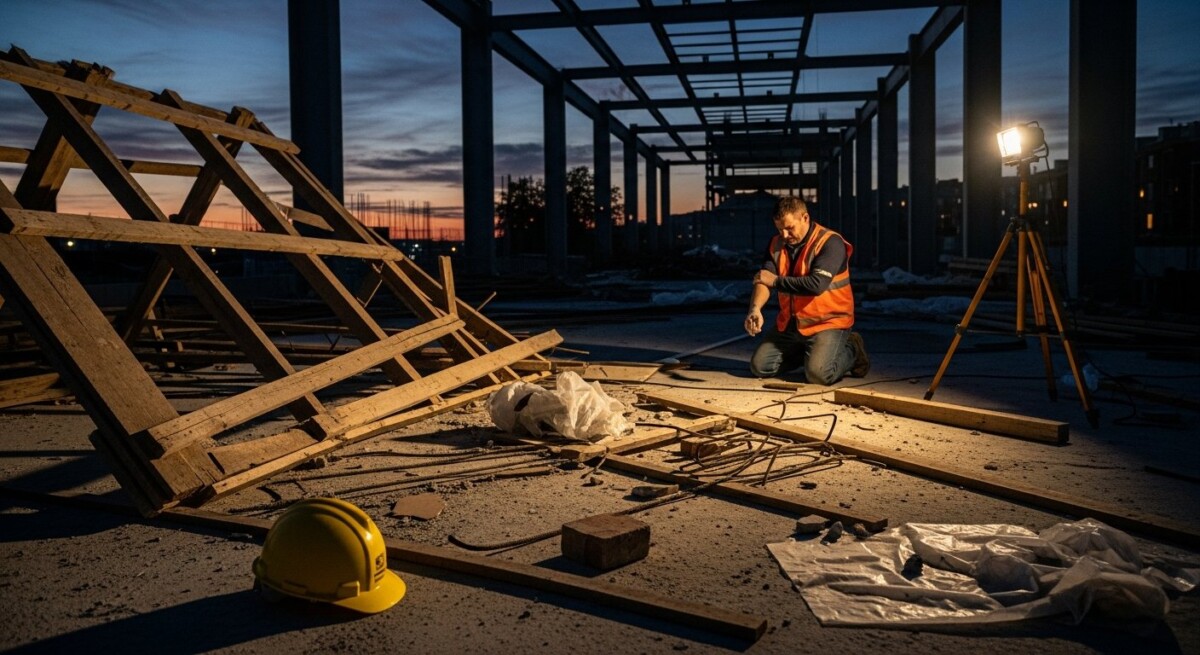
You are walking past a building under renovation when a loose brick falls from scaffolding and strikes your shoulder. Or you are working on a residential framing crew and a power saw kicks back into your forearm. In either scenario, the sudden pain and confusion are followed by a pressing question: what happens if a construction site caused injury? The answer depends on who you are, who was at fault, and how quickly you take the right steps. Construction accidents can lead to broken bones, traumatic brain injuries, spinal cord damage, or even death. Understanding the legal and medical process that follows is critical to protecting your health and your financial future.
Common Causes of Construction Site Injuries
Construction sites are inherently dangerous environments. Heavy machinery, elevated work areas, power tools, and unstable surfaces create a perfect storm for accidents. Falls from height remain the leading cause of serious injury and fatality in the construction industry. Scaffolding collapses, ladder slips, and roof falls happen when safety equipment is missing or improperly used. Struck-by accidents involving falling tools, debris, or moving vehicles are also frequent. Electrocution, caught-between machinery, and trench collapses round out the most common hazards. In many cases, these incidents occur because an employer, contractor, or property owner failed to follow Occupational Safety and Health Administration (OSHA) standards or state building codes. When a construction site caused injury through negligence, the injured party may have grounds for a legal claim.
Who Can Be Held Liable for a Construction Accident?
Liability in construction accident cases is rarely straightforward. Multiple parties may share responsibility depending on the circumstances. The general contractor who oversees the site owes a duty to keep the premises reasonably safe. Subcontractors who perform specialized work, such as electrical or roofing tasks, can be liable if their employees caused the hazard. Property owners who hire construction crews may also be responsible if they knew about dangerous conditions and failed to address them. Equipment manufacturers can be sued if a defective tool or machine caused the injury. Architects and engineers who designed unsafe structures can also face liability. Determining the correct defendant is essential because it dictates which insurance policy will pay your medical bills and lost wages. A thorough investigation into safety records, witness statements, and site photos helps identify the responsible party.
It is important to note that workers’ compensation laws often limit an employee’s ability to sue their direct employer. In many states, if you are a construction worker injured on the job, your primary remedy is to file a workers’ compensation claim. However, you may still have a third-party claim against a negligent subcontractor, equipment manufacturer, or property owner. Our guide on when building code violations cause injury: your rights explains how these additional claims can provide compensation beyond what workers’ comp covers. For example, if a building inspector missed a code violation that led to a collapse, the inspector’s agency could be a third-party defendant.
Immediate Steps to Take After a Construction Injury
Your actions in the minutes and hours after a construction accident can significantly affect your health and your legal case. The first priority is always medical care. Even if you feel only minor pain, get examined by a doctor. Some injuries, such as internal bleeding or concussions, do not show symptoms immediately. A medical record also creates a documented link between the accident and your injury, which is critical for insurance claims.
Next, report the incident to the site supervisor, foreman, or property owner. Ask for a written incident report and request a copy before you leave. If the site manager refuses to provide one, take your own detailed notes. Photograph the scene from multiple angles, including the equipment, tools, or debris involved. Collect names and contact information from any witnesses. Do not sign any documents from an insurance adjuster or employer representative without first consulting a lawyer. Insurance companies often pressure injured workers to accept quick settlements that do not cover long-term medical costs or lost earning capacity.
Types of Compensation Available
When a construction site caused injury, the damages you can recover fall into two main categories: economic and non-economic. Economic damages are measurable financial losses. They include past and future medical expenses, rehabilitation costs, lost wages, diminished earning capacity, and out-of-pocket costs like transportation to appointments. Non-economic damages cover pain and suffering, emotional distress, loss of enjoyment of life, and permanent disfigurement. In rare cases where the defendant’s conduct was especially reckless, punitive damages may also be awarded to punish the wrongdoer and deter similar behavior.
The value of a construction injury case depends on several factors:
- Severity and permanence of the injury
- Clarity of fault and evidence of negligence
- Applicable insurance policy limits
- State laws on damage caps, especially for non-economic losses
- Whether the injured person was an employee (workers’ comp limits apply) or a bystander (full tort rights apply)
A bystander, such as a pedestrian or delivery driver, can usually sue for full compensation because workers’ compensation laws do not apply to them. In those cases, the property owner or general contractor’s liability insurance typically covers the claim. An experienced attorney can help calculate the true value of your case, including future medical needs and lost career opportunities.
The Role of OSHA and Safety Violations
OSHA sets and enforces safety standards for construction sites across the United States. When a construction accident occurs, OSHA may investigate to determine whether the employer or site owner violated specific regulations. Common violations include failure to provide fall protection, inadequate scaffolding, lack of hard hats or other personal protective equipment, and improper training for heavy machinery operation. An OSHA citation can be powerful evidence in a civil lawsuit because it establishes that the defendant failed to meet industry safety standards. However, OSHA itself does not pay compensation to injured workers. Its role is regulatory, not remedial. You must file a separate personal injury claim to recover damages. If you are an employee, remember that OSHA prohibits employers from retaliating against workers who report safety violations. If you face retaliation, you have additional legal rights.
In some cases, the accident may involve a train or railroad crossing near a construction zone. If a train strikes a worker or pedestrian because of inadequate warnings, the railroad company may share liability. Our article on can I sue for injury in a train accident covers how these complex claims intersect with construction site liability.
How to Prove Fault in a Construction Injury Case
To win a construction injury lawsuit, you must establish four elements: duty, breach, causation, and damages. The defendant owed you a duty of care to keep the site reasonably safe. They breached that duty through an action or failure to act, such as not installing guardrails or leaving a wet floor unmarked. That breach directly caused your injury. And you suffered actual losses as a result. Evidence to prove these elements includes maintenance logs, safety inspection reports, surveillance footage, expert testimony from engineers or safety professionals, and medical records. A skilled attorney will gather and preserve this evidence before it is lost or destroyed. Construction sites change rapidly as work progresses, so time is of the essence. Do not delay in seeking legal representation.
Statute of Limitations and Filing Deadlines
Every state imposes a time limit, known as the statute of limitations, for filing a personal injury lawsuit. For construction accidents, this period is typically one to three years from the date of the injury. If you miss the deadline, you lose your right to sue forever. There are exceptions for cases involving government entities, minors, or injuries that were not discovered until later. But relying on exceptions is risky. File your claim as soon as possible. Workers’ compensation claims have their own deadlines, often shorter than personal injury statutes. Consult an attorney immediately to ensure you do not miss any critical filing dates.
When to Hire a Construction Injury Attorney
Construction accident cases involve complex legal rules, multiple parties, and aggressive insurance adjusters. Attempting to handle the claim alone can result in a lowball settlement or a denied claim. An attorney who specializes in construction injuries will investigate the accident, identify all liable parties, negotiate with insurers, and, if necessary, file a lawsuit. Most personal injury lawyers work on a contingency fee basis, meaning they only get paid if you recover compensation. This arrangement allows injured individuals to access high-quality legal representation without paying upfront fees. If your injury involves severe burns from an electrical explosion or chemical fire, the medical costs can be staggering. Our resource on burn injury compensation: can I claim after an accident details how specialized legal help can maximize your recovery in these devastating scenarios.
Frequently Asked Questions
What should I do if the construction company offers me a settlement right away?
Do not accept any settlement without consulting a lawyer. Early offers are almost always far less than the full value of your claim. Once you sign a release, you cannot ask for more money later, even if your condition worsens.
Can I sue if I was trespassing on a construction site?
Property owners generally owe a lower duty of care to trespassers, but they cannot intentionally set traps or cause harm. If you were injured while trespassing, your ability to recover damages is limited. However, children who trespass may be treated differently under the attractive nuisance doctrine. Consult an attorney to discuss your specific situation.
How long does a construction injury lawsuit take to resolve?
Some cases settle in a few months, especially if liability is clear and damages are moderate. Complex cases involving multiple defendants or disputed fault can take one to three years to reach trial or settlement. Your attorney can give you a more accurate timeline based on the facts of your case.
Will I have to go to court?
Most personal injury cases settle before trial. However, if the insurance company refuses to offer a fair settlement, your lawyer may recommend filing a lawsuit. Going to court is not guaranteed, but you should be prepared for the possibility.
Understanding what happens if a construction site caused injury empowers you to take swift, informed action. From securing medical treatment to preserving evidence and meeting legal deadlines, every step matters. If you or a loved one has been hurt in a construction accident, do not wait. Contact an experienced construction injury attorney to evaluate your case and protect your rights. The path to recovery starts with a single phone call. For those injured while traveling for work, our guide on what happens if accident happened during travel? key steps provides additional guidance on how to handle claims that cross state lines or involve multiple employers.