
Can You Sue After a Parking Lot Accident? Legal Options Explained
Understand your legal rights after a parking lot collision. Call (833) 227-7919 for a free case evaluation to explore your options.

By Griffin Locke
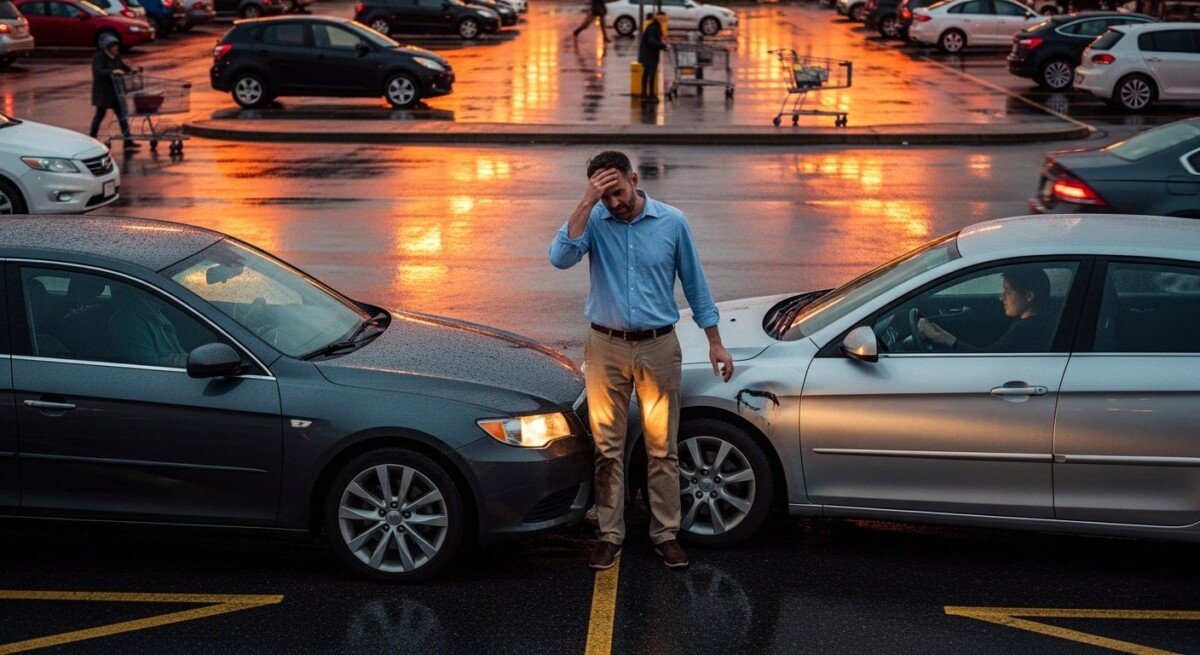
Parking lots are deceptively dangerous places, with a chaotic mix of moving vehicles, distracted pedestrians, and blind corners. When a collision occurs, victims are often left confused about their rights. The short answer is yes, you can sue after a parking lot accident, but the viability and process of your claim depend heavily on establishing fault and the extent of your damages. Unlike accidents on public roads, parking lot incidents involve unique legal and insurance complexities that require careful navigation to secure fair compensation for your injuries and vehicle damage.
Understanding Fault in Parking Lot Accidents
Determining who is at fault is the cornerstone of any potential lawsuit. Insurance companies and courts will meticulously examine the circumstances. While traffic laws generally apply in parking lots, the right-of-way can be ambiguous. Drivers often operate under the mistaken assumption that they have the right-of-way simply because they are in a lane of travel, but this is not always true. The actions of each party leading up to the collision are scrutinized. For instance, a driver backing out of a space typically has a greater duty to ensure the path is clear than a driver proceeding through a lane. However, if the driver in the lane was speeding or not paying attention, they may share or even bear full responsibility. This analysis of comparative or contributory negligence is state-specific and profoundly impacts your ability to recover damages.
Key Factors That Influence Your Case
Several specific factors will shape the strength of your claim after a parking lot crash. The location and maneuver being performed are critical. Accidents at the mouth of an entrance or exit, in designated pedestrian crosswalks, or involving shopping carts can introduce additional layers of liability, potentially involving property owners. Evidence is paramount. Unlike a highway crash, there are rarely traffic cameras or impartial witnesses. This makes your own evidence collection immediately after the accident crucial for proving your version of events.
To build a strong claim, focus on gathering the following types of evidence:
- Photographs and Video: Capture multiple angles of vehicle positions, damage, skid marks, traffic signs, and the overall layout of the lot. A video walkaround can provide crucial context.
- Witness Information: Get contact details from any bystanders, passengers, or store employees who saw the event. Their independent accounts are invaluable.
- Police Report: Always call the police. An official report creates a contemporaneous record and may include the officer’s opinion on fault.
- Surveillance Footage: Quickly request footage from the store, bank, or other businesses nearby. This footage is often overwritten within days.
- Medical Records: Document all injuries immediately, even if they seem minor. Adrenaline can mask pain, and some injuries manifest later.
Understanding these factors and acting swiftly to preserve evidence can mean the difference between a denied claim and a successful recovery. This process underscores why hiring an experienced lawyer for accident claims is critical, as they know precisely what evidence to secure and how to interpret complex right-of-way scenarios.
The Insurance Claim Process vs. a Lawsuit
Most parking lot accident disputes are resolved through insurance claims without ever going to court. You will typically file a claim with the at-fault driver’s insurer. However, insurers frequently lowball initial settlement offers, especially in cases they perceive as “minor” or where fault is disputed. They may argue you were partially responsible to reduce their payout. Negotiating with insurance adjusters requires a strategic understanding of claim value and liability law. If negotiations break down because the insurer denies the claim, offers an insufficient sum, or disputes fault entirely, filing a lawsuit becomes the necessary next step to pursue what you are owed.
A lawsuit formally initiates the litigation process, allowing for discovery (the exchange of evidence), depositions, and ultimately, a trial. The threat of a lawsuit often motivates insurers to offer a more reasonable settlement during pre-trial negotiations. The decision to sue should not be taken lightly, as it extends the timeline and increases costs. This is a key area where a car accident attorney maximizes your injury settlement by leveraging the legal process to apply pressure and demonstrate your seriousness.
When Other Parties May Be Liable
Sometimes, the negligent driver is not the only potentially liable party. Premises liability law may bring the property owner or manager into the claim. If the accident was caused or worsened by poor parking lot design, inadequate lighting, lack of signage, potholes, or ice and snow that was not cleared, the property owner could share liability. For example, an accident at a blind corner caused by overgrown landscaping could point to owner negligence. Proving this requires showing the owner knew or should have known about the hazardous condition and failed to address it in a reasonable time. Adding a deep-pocketed property owner to a claim can significantly improve the chances of full compensation, especially if the at-fault driver has minimal insurance coverage.
What Damages Can You Recover?
Successful claims, whether settled or won at trial, aim to make you “whole” again financially. Recoverable damages are divided into two main categories: economic and non-economic. Economic damages are tangible, out-of-pocket losses with clear receipts. These include medical bills (past and future), lost wages, loss of future earning capacity, property damage (vehicle repair or replacement), and rental car costs. Non-economic damages are more subjective but equally real. They compensate for pain and suffering, emotional distress, loss of enjoyment of life, and inconvenience. In rare cases involving egregious misconduct, punitive damages may be awarded to punish the defendant and deter similar behavior. A comprehensive understanding of these damage types is essential, which is detailed in resources like your guide to hiring a personal injury lawyer for accidents.
Frequently Asked Questions
Do I need a police report for a parking lot accident?
Yes, absolutely. A police report provides an official, third-party record of the incident. It documents the location, parties involved, witness statements, and often the officer’s initial assessment. Insurance companies rely heavily on this report. Even for a minor fender-bender, calling the police is a crucial step.
What if the other driver in the parking lot hit me and fled?
This is a hit-and-run accident. You should still call the police immediately and file a report. Provide any details you can remember about the vehicle. You would then file a claim with your own insurance company under your uninsured motorist (UM) or collision coverage, depending on your policy and state laws.
How long do I have to sue after a parking lot accident?
You must file a lawsuit within your state’s statute of limitations for personal injury or property damage. This timeframe is typically between one and three years from the date of the accident. Missing this deadline forever bars you from seeking compensation through the courts.
Can I sue if I was a pedestrian hit in a parking lot?
Yes. Pedestrians have a strong right-of-way in parking lots and crosswalks. Drivers have a high duty of care to watch for pedestrians. Your claim would proceed similarly, seeking damages for your often more severe injuries. Evidence from security cameras is especially valuable in these cases.
What if we were both backing up and collided?
This is a classic scenario where both drivers likely share fault. Each driver has a duty to look and ensure the path is clear when reversing. The insurance companies will investigate and may assign a percentage of fault to each driver (e.g., 50/50 or 60/40), which will directly reduce any settlement accordingly based on your state’s negligence laws.
Navigating the aftermath of a parking lot accident requires a clear understanding of liability, evidence, and legal strategy. While many claims settle, being prepared to escalate to a lawsuit is often what compels insurance companies to offer a fair settlement. Your actions in the moments and days following the crash, coupled with professional legal guidance, are the most powerful tools you have to protect your rights and financial future. For a deeper dive into selecting the right advocate, consider reading why you need an experienced accident lawyer for your injury claim.