Can I File Claim for Injury Caused by Speeding Driver
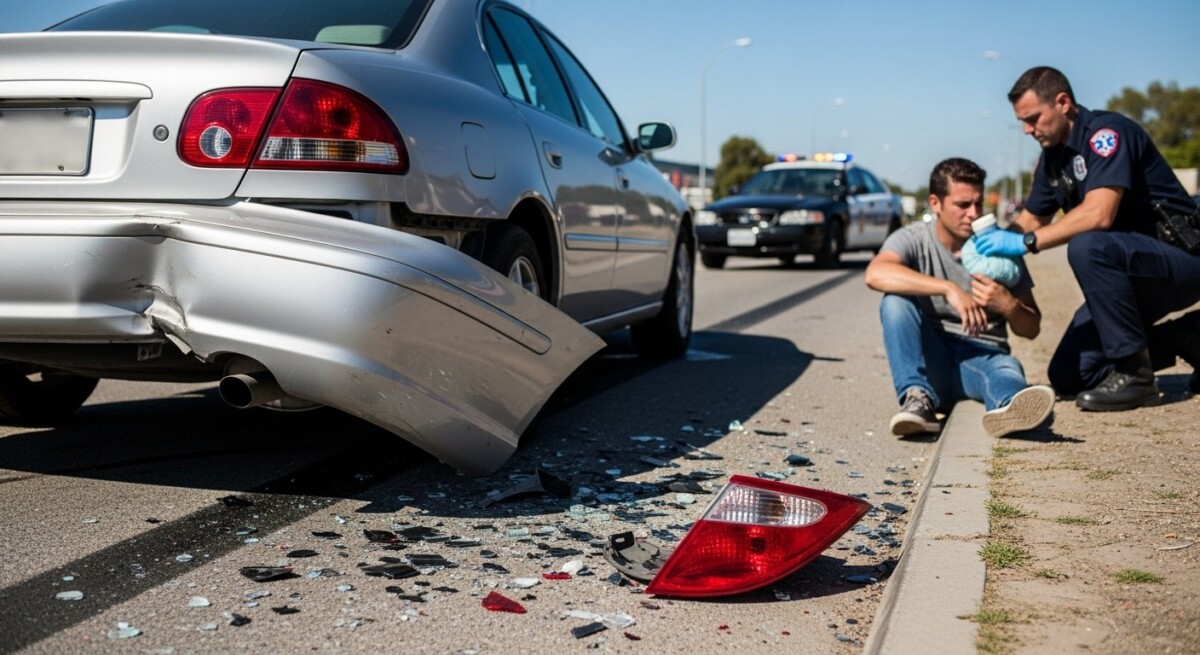
Being injured by a speeding driver can turn your life upside down in an instant. You may be facing mounting medical bills, lost wages from missed work, and physical pain that lingers for months. If you are asking yourself, “Can I file claim for injury caused by speeding driver?” the short answer is yes, you generally can. But the process involves specific legal steps, evidence requirements, and deadlines that vary by state. Understanding these factors is critical to protecting your right to compensation and avoiding costly mistakes.
Speeding is one of the most common causes of car accidents in the United States. According to the National Highway Traffic Safety Administration, speeding was a factor in nearly 30 percent of all fatal crashes in recent years. When a driver exceeds the speed limit or drives too fast for road conditions, they are acting negligently. Negligence is the legal foundation for most personal injury claims. If you can prove that the speeding driver breached their duty of care and caused your injuries, you have a viable claim for damages.
This article walks through the key elements of filing a claim after a speeding-related accident. We cover liability rules, evidence gathering, statute of limitations, compensation types, and what to expect when dealing with insurance companies. By the end, you will have a clear roadmap for pursuing your case.
Understanding Liability in Speeding Accidents
Liability in a speeding accident typically falls on the driver who was exceeding the speed limit or driving too fast for conditions. However, liability is not always automatic. The other driver’s insurance company will scrutinize the accident to see if you share any fault. For example, if you suddenly pulled out of a driveway or changed lanes without signaling, the speeding driver might argue that you contributed to the crash. Under comparative negligence laws, your compensation can be reduced by your percentage of fault. In some states, if you are found to be 50 percent or more at fault, you may be barred from recovering any damages.
To establish liability, you must prove four elements: duty, breach, causation, and damages. The speeding driver owed you a duty to operate their vehicle safely. By speeding, they breached that duty. Their speeding must have directly caused the collision and your injuries. Finally, you must show that you suffered actual damages, such as medical expenses or lost income. An experienced attorney can help gather the evidence needed to satisfy these elements.
In some cases, other parties may share liability. For instance, if the speeding driver was working for a delivery company at the time of the crash, the employer could be held vicariously liable. Similarly, if a defective vehicle part contributed to the accident, the manufacturer might be partially responsible. A thorough investigation is essential to identify all potentially liable parties.
Evidence You Need to Support Your Claim
Strong evidence is the backbone of any successful injury claim. Without it, the insurance company may deny your claim or offer a low settlement. Start by calling 911 immediately after the accident so that police respond and file an official report. The police report will include the officer’s observations, any citations issued (such as a speeding ticket), and statements from witnesses. This document carries significant weight with insurance adjusters and juries.
Next, gather photographic and video evidence. Take clear photos of the damage to all vehicles, your visible injuries, the road conditions, traffic signs, and skid marks. If there are traffic cameras or nearby security cameras that may have captured the crash, request the footage as soon as possible because it may be overwritten. Witness statements are also valuable. Get names and contact information from anyone who saw the accident. Witnesses can corroborate that the other driver was speeding.
Your medical records are another critical piece of evidence. Seek medical attention promptly, even if you feel fine. Some injuries, like whiplash or internal bleeding, may not show symptoms immediately. Delaying treatment can give the insurance company an excuse to argue that your injuries were not caused by the accident. Keep copies of all medical bills, diagnostic reports, and doctor’s notes. These documents link your injuries directly to the crash and quantify your economic damages.
Statute of Limitations: Don’t Miss the Deadline
Every state sets a time limit, known as the statute of limitations, within which you must file a personal injury lawsuit. If you miss this deadline, you lose your right to sue forever. For accidents involving speeding drivers, the statute of limitations typically ranges from one to six years, depending on the state. Most states allow two to three years from the date of the accident. However, there are exceptions. If the government entity owns the road where the crash occurred, shorter notice periods may apply, sometimes as short as 90 days.
Because deadlines vary widely, it is essential to consult with an attorney as soon as possible. An attorney can confirm the exact deadline for your case and ensure all paperwork is filed on time. Waiting too long to take action is one of the most common mistakes injury victims make. Even if you are still recovering from your injuries, do not delay contacting a legal professional.
Types of Compensation You Can Seek
If you can prove that the speeding driver caused your injuries, you may be entitled to several types of compensation. These fall into two main categories: economic damages and non-economic damages. Economic damages cover tangible financial losses. This includes medical expenses (both current and future), lost wages, reduced earning capacity, and property damage to your vehicle. Non-economic damages compensate for intangible losses like pain and suffering, emotional distress, loss of enjoyment of life, and loss of consortium.
In rare cases where the speeding driver’s behavior was especially reckless, such as driving well over the speed limit or racing, a court may award punitive damages. Punitive damages are not meant to compensate you but to punish the wrongdoer and deter similar conduct. Not every case qualifies for punitive damages, and they are subject to caps in some states. Your attorney can evaluate whether your case meets the high bar for punitive awards.
Dealing With Insurance Companies After a Speeding Crash
Insurance companies are not on your side. Their goal is to minimize payouts and protect their bottom line. After a speeding accident, you will likely deal with the at-fault driver’s insurance company. They may contact you quickly, even before you have fully assessed your injuries, offering a quick settlement. Do not accept any offer without first consulting an attorney. Early settlement offers are almost always far less than what your claim is worth.
When speaking with insurance adjusters, stick to the facts. Do not admit fault or speculate about what happened. Simply state that you were injured in an accident and provide the basic details. Refer all further communication to your attorney. If you have health insurance or MedPay coverage, those policies may cover some of your medical bills upfront, but you may need to reimburse them from your settlement later. A skilled attorney can negotiate with insurers to maximize your recovery.
In our guide on Can I File Claim for Accident Due to Drunk Driver, we explain how similar negligence principles apply when impairment is involved. The same evidence-gathering strategies and legal standards often overlap, making that resource a helpful companion read.
When to Hire a Personal Injury Attorney
While you can technically file a claim on your own, hiring an experienced personal injury attorney significantly improves your chances of a fair outcome. Attorneys understand the nuances of negligence law, know how to value your claim accurately, and can handle all communications with insurance companies. They also have access to experts, such as accident reconstructionists and medical professionals, who can strengthen your case.
Most personal injury attorneys work on a contingency fee basis. This means you pay nothing upfront, and the attorney only gets paid if you win or settle your case. Their fee is typically a percentage of the recovery, usually around 33 to 40 percent. This arrangement makes legal representation accessible even if you are struggling financially after the accident. If you are wondering whether you need an attorney, consider the severity of your injuries, the complexity of the liability issues, and whether the insurance company is being difficult.
Steps to Take Immediately After a Speeding Accident
Taking the right steps in the minutes and days following a crash can protect your health and your legal rights. Follow this checklist:
- Check for injuries and call 911. Even if injuries seem minor, paramedics can assess you at the scene.
- Move to a safe location if possible, but do not leave the scene.
- Exchange information with the other driver: name, phone number, insurance details, and license plate number.
- Do not discuss fault or apologize. Anything you say can be used against you later.
- Take photos of the scene, vehicles, injuries, and road conditions.
- Get contact information from any witnesses.
- Seek medical attention as soon as possible, even if you feel okay.
- Report the accident to your own insurance company, but limit details to basic facts.
- Contact a personal injury attorney for a free case evaluation.
Each of these steps serves a purpose. Medical documentation creates a clear link between the accident and your injuries. Photos preserve evidence that may disappear over time. Witness statements provide independent verification of the speeding driver’s conduct. And an attorney can protect you from making statements that could harm your case.
Common Defenses Used by Speeding Drivers
Even when a driver is clearly speeding, their insurance company may try to shift blame to you. Common defenses include arguing that you were also speeding, that you failed to yield the right of way, or that you were distracted at the time of the crash. They may also claim that your injuries are pre-existing or exaggerated. To counter these defenses, your attorney will rely on the evidence you gathered: police reports, witness statements, and medical records.
Another defense is that the speeding driver had a medical emergency, such as a sudden heart attack, that caused them to lose control. In some states, this can reduce or eliminate liability. However, if the driver had a known medical condition and chose to drive anyway, they may still be held responsible. An attorney can investigate whether such a defense applies in your case.
For more context on how injury claims work in different accident scenarios, see our article on Can I Claim Injury After a Boating Accident? Your Legal Rights. That piece covers similar liability principles in a marine setting, which can offer useful parallels.
Frequently Asked Questions
Can I file a claim if I was also speeding?
Yes, you may still be able to file a claim, but your compensation could be reduced by your percentage of fault. In states with comparative negligence laws, you can recover damages as long as you are less than 50 percent at fault. In pure comparative negligence states, you can recover even if you are 99 percent at fault, though the amount is reduced proportionally.
How long do I have to file a claim after a speeding accident?
The statute of limitations varies by state, typically ranging from one to six years. For most states, it is two to three years from the accident date. If the crash involved a government vehicle or occurred on government property, shorter deadlines may apply. Check with an attorney immediately to avoid missing your deadline.
What if the speeding driver doesn’t have insurance?
If the at-fault driver is uninsured, you may still recover compensation through your own uninsured motorist coverage. This is an optional add-on in many states but is required in some. Your attorney can help you file a claim under your policy and explore other options, such as suing the driver personally.
How much is my claim worth?
The value of your claim depends on factors like the severity of your injuries, the cost of medical treatment, lost wages, pain and suffering, and the strength of the evidence. Minor soft tissue injuries may settle for a few thousand dollars, while serious injuries requiring surgery or long-term care can result in six-figure settlements or verdicts. An attorney can give you a realistic estimate based on your specific circumstances.
Final Thoughts on Filing Your Claim
If you have been injured by a speeding driver, you do not have to navigate the legal system alone. The question “Can I file claim for injury caused by speeding driver?” should not be a barrier to seeking the compensation you deserve. With the right evidence, a clear understanding of liability, and professional legal guidance, you can hold the responsible party accountable. Remember to act quickly, preserve evidence, and consult an attorney before speaking to insurance adjusters. Your health and financial recovery depend on it.
For further reading on similar topics, check out our article on Can I Claim Injury After a Minor Crash? Yes, Here’s How and our guide on Can I Claim Injury After a Public Transport Accident. Both resources offer additional insights into the claims process that may apply to your situation. If you are ready to take the next step, call (833) 227-7919 for a free case evaluation with a qualified attorney who can review your claim and advise you on your best path forward.