Can I Claim Injury After a Boating Accident? Your Legal Rights
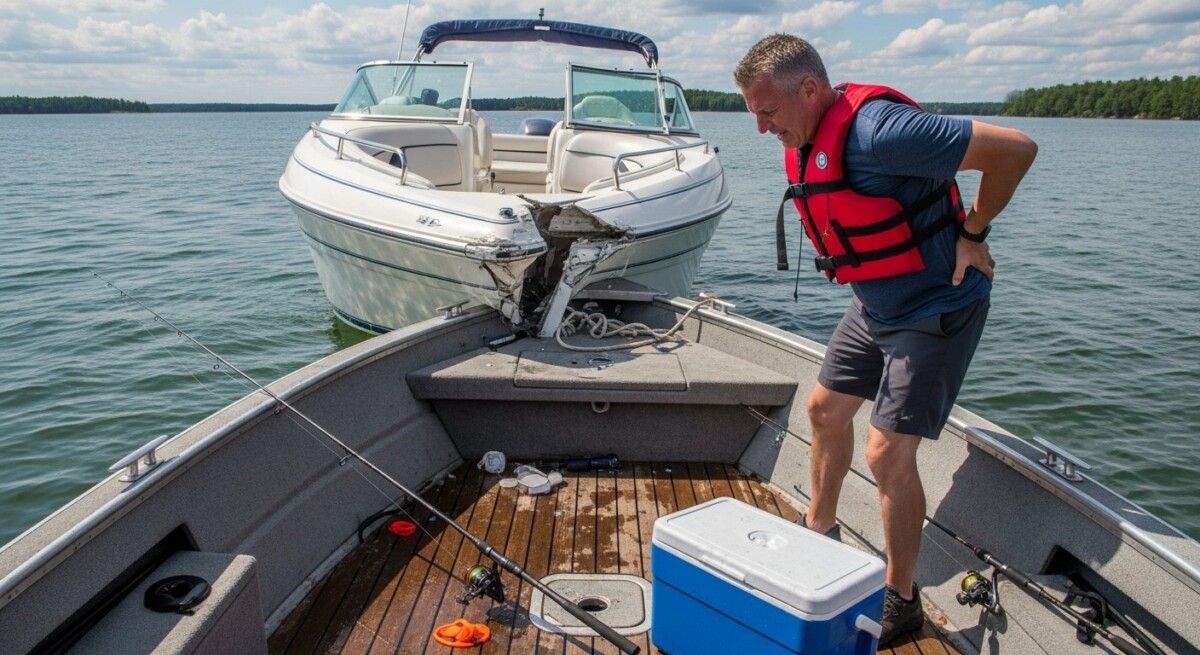
You are enjoying a sunny afternoon on the lake when another vessel cuts across your path without warning. The collision throws you against the console, leaving you with a sharp pain in your back and neck. In the confusion that follows, one question rises above all others: can I claim injury after a boating accident? The short answer is yes, you generally can pursue compensation if another party’s negligence caused your injuries. Boating accidents fall under maritime law, state negligence statutes, and sometimes product liability rules, depending on where the incident occurred and who was at fault. Understanding your legal rights is the first step toward recovering medical expenses, lost wages, and other damages.
This article walks through the key factors that determine whether you have a valid claim, the types of compensation available, and the practical steps you should take after a boating accident. Whether you were operating a personal watercraft, a fishing boat, or a larger recreational vessel, the principles outlined here apply broadly. For a closer look at how similar principles apply in other contexts, see our guide on can I claim injury after a minor crash, which explores negligence standards in smaller collisions.
Understanding Liability in Boating Accidents
Liability determines who is legally responsible for your injuries. In most boating accident cases, the injured party must prove that another person or entity acted negligently. Negligence means failing to exercise reasonable care under the circumstances. For example, a boat operator who speeds through a no-wake zone, ignores navigation rules, or operates while intoxicated may be considered negligent. If that negligence directly caused your injury, you can file a claim against them.
However, boating accidents sometimes involve multiple parties. The boat manufacturer, the owner of the vessel, or even a rental company could share liability if a defective part or improper maintenance contributed to the crash. In rare cases, the government may be liable if poorly maintained waterways or faulty navigation aids played a role. Because of these variables, it is essential to investigate all potential sources of fault early in the process.
Types of Injuries Commonly Sustained in Boating Accidents
Boating accidents can cause a wide range of injuries, from minor bruises to catastrophic harm. The most common include traumatic brain injuries from striking the water or the boat itself, spinal cord injuries from sudden impact, fractures and broken bones, lacerations from propellers or sharp debris, and drowning or near-drowning injuries. Soft tissue injuries like whiplash and herniated discs also occur frequently, especially in collisions between vessels.
Each type of injury carries different medical and legal considerations. For instance, a traumatic brain injury may require lifelong care, which significantly increases the value of your claim. By contrast, a sprained wrist may heal within weeks and result in lower compensation. A qualified attorney can help you calculate the full extent of your damages, including future medical needs and lost earning capacity.
Key Factors That Affect Your Claim
Several critical elements influence whether you can successfully claim injury after a boating accident. These include jurisdiction, the applicable statute of limitations, and the degree of your own fault in the incident.
Jurisdiction: State vs. Federal Law
Boating accidents on navigable waters often fall under federal maritime law, also known as admiralty law. This body of law has unique rules regarding liability, damages, and procedural requirements. However, accidents on inland lakes or rivers may be governed by state negligence laws instead. The distinction matters because maritime law typically places a higher burden on the plaintiff to prove fault, and it may limit certain types of damages. An experienced attorney can determine which set of laws applies to your situation.
Statute of Limitations
Every state imposes a deadline for filing a personal injury lawsuit. For boating accidents, the statute of limitations typically ranges from one to six years, depending on the state and whether the claim is brought under maritime law. Missing this deadline almost always bars you from recovering compensation. If you are unsure about the deadline in your case, consult an attorney as soon as possible to avoid forfeiting your rights.
Comparative Negligence
Many states follow a comparative negligence rule, which reduces your compensation by the percentage of fault assigned to you. For example, if you were speeding when another boat cut you off, a court might find you 20 percent at fault. Your final award would then be reduced by that amount. Some states apply a pure comparative negligence system, while others use a modified version that bars recovery if you are 50 or 51 percent at fault. Understanding your state’s rule is crucial when evaluating your claim.
Compensation Available in Boating Accident Claims
Victims of boating accidents can seek several types of compensation. Economic damages cover tangible losses such as medical bills, rehabilitation costs, lost income, and property damage. Non-economic damages address pain and suffering, emotional distress, loss of enjoyment of life, and loss of consortium. In cases involving gross negligence or reckless conduct, punitive damages may also be available to punish the wrongdoer and deter similar behavior.
It is important to document all losses thoroughly. Keep copies of medical records, receipts, pay stubs, and any correspondence with insurance companies. This evidence will form the backbone of your claim and help your attorney negotiate a fair settlement or present a convincing case at trial.
Steps to Take Immediately After a Boating Accident
Your actions in the hours and days following a boating accident can directly affect the outcome of your claim. Follow these steps to protect your health and your legal rights:
- Seek medical attention. Even if you feel fine, some injuries like concussions or internal bleeding may not show symptoms immediately. A prompt medical evaluation creates a record linking your injuries to the accident.
- Report the accident. Notify the local authorities, such as the Coast Guard or state marine patrol. An official accident report provides an unbiased account of the incident.
- Gather evidence. Take photos of the vessels, injuries, and surrounding area. Collect contact information from witnesses and the other boat operator. If possible, obtain a copy of any onboard video footage.
- Do not admit fault. Avoid apologizing or making statements that could be interpreted as an admission of liability. Let the investigation determine who was at fault.
- Contact an attorney. Legal guidance early in the process can prevent costly mistakes and ensure your claim is filed correctly and on time.
Taking these steps seriously will strengthen your position whether you negotiate a settlement or pursue litigation. For additional guidance on preserving evidence after an accident, our article on can I claim injury after a public transport accident offers similar advice tailored to transit incidents.
Insurance Considerations for Boating Accidents
Insurance plays a significant role in most boating injury claims. The at-fault party’s boat liability insurance typically covers your damages up to the policy limit. If the at-fault party has insufficient coverage, your own uninsured or underinsured boater coverage may step in. Some states require boat owners to carry liability insurance, while others do not. Check your own policy to understand what protections you have.
Be cautious when dealing with insurance adjusters. Their goal is to minimize payouts, and they may pressure you into accepting a low settlement or making a recorded statement that hurts your case. It is wise to have an attorney handle all communications with insurance companies to protect your interests.
When to Consider a Product Liability Claim
If a defective part contributed to the accident, you may have a product liability claim against the manufacturer. Common defects include faulty steering systems, malfunctioning throttle controls, defective propellers, or inadequate safety equipment. Product liability claims do not require proof of negligence; you only need to show that the product was unreasonably dangerous and that the defect caused your injury. These cases can be complex and often require expert testimony, but they offer an additional avenue for recovery when operator negligence is not the sole cause. For a deeper dive into this area, read our piece on can I claim injury from defective product use.
The Role of an Attorney in Your Boating Injury Claim
Navigating the legal landscape after a boating accident can be overwhelming, especially when you are recovering from injuries. An experienced personal injury attorney can investigate the accident, gather evidence, calculate damages, negotiate with insurers, and represent you in court if necessary. They also understand the nuances of maritime law and can ensure your claim is filed in the correct jurisdiction and within the applicable time limit.
Most personal injury attorneys work on a contingency fee basis, meaning they only get paid if you recover compensation. This arrangement allows you to pursue justice without worrying about upfront legal costs. If you are considering legal action, schedule a free consultation to discuss the specifics of your case and learn what to expect.
Injuries from defective playground equipment share many legal principles with boating accidents, particularly when product defects are involved. Our article on can I claim injury from unsafe playground equipment explains how liability attaches to manufacturers and property owners in similar ways.
Frequently Asked Questions
Can I claim injury after a boating accident if I was a passenger?
Yes, passengers have the same legal rights as operators when it comes to claiming compensation for injuries caused by another party’s negligence. Your status as a passenger does not reduce your ability to recover damages.
What if the accident happened on a rented boat?
You can still file a claim if the rental company failed to maintain the vessel or provided inadequate safety instructions. However, rental agreements often contain liability waivers, so it is important to review the contract with an attorney.
How long do I have to file a claim after a boating accident?
The deadline varies by jurisdiction. For incidents on navigable waters under maritime law, the statute of limitations is generally three years. State laws may set shorter or longer deadlines. Consult an attorney promptly to avoid missing the window.
Do I need to prove the other boat operator was drunk to win my case?
No, intoxication is just one form of negligence. You can prevail by showing the operator violated any duty of care, such as failing to maintain a proper lookout, exceeding safe speed, or ignoring navigation rules.
Can I still recover if I was partially at fault?
In most states, yes, but your compensation will be reduced by your percentage of fault. Some states bar recovery if you are more than 50 percent at fault. An attorney can evaluate how your state’s comparative negligence rules apply to your case.
Closing Thoughts
Boating accidents can turn a relaxing day on the water into a painful and financially draining experience. Knowing your rights and the steps to take afterward can make the difference between a fair recovery and a prolonged struggle. If you are asking yourself can I claim injury after a boating accident, the answer is likely yes, but it depends on the facts of your case and the laws that apply. Consult with a qualified personal injury attorney to discuss your options, preserve your evidence, and begin the process of seeking the compensation you deserve. Do not wait until the statute of limitations expires. Take action now to protect your future.