Can I File a Claim After a Rollover Accident
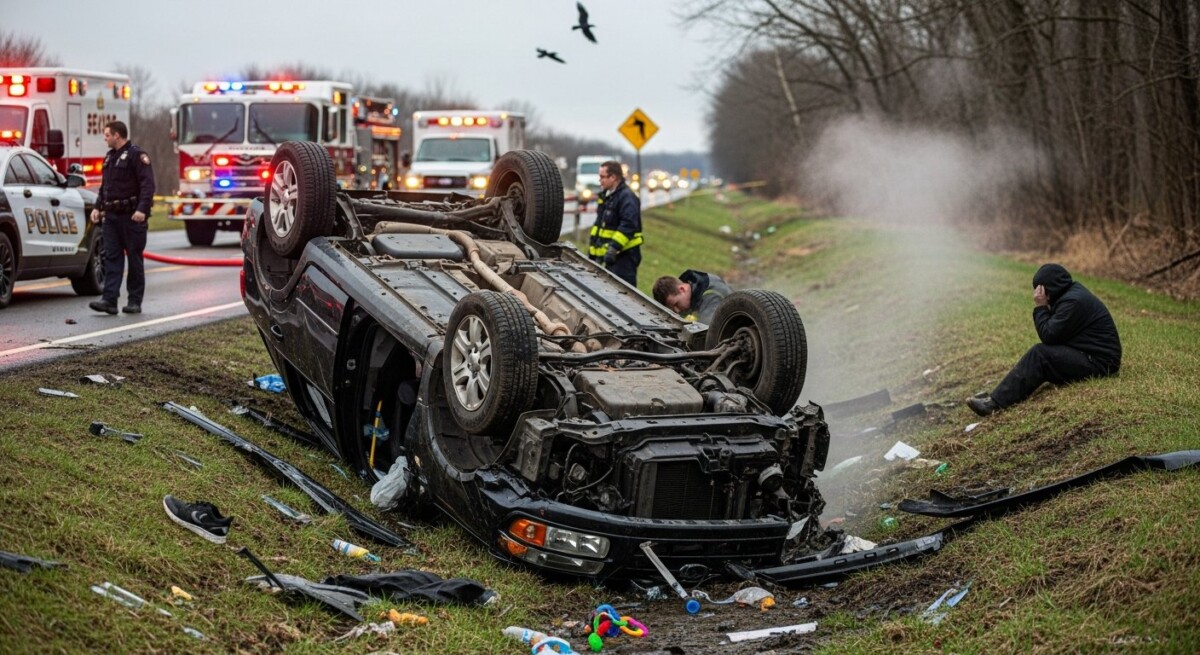
Rollover accidents are among the most terrifying and dangerous events on the road. They often result in catastrophic injuries, extensive vehicle damage, and significant emotional trauma. If you or a loved one has survived a rollover crash, you are likely facing mounting medical bills, lost wages, and an uncertain recovery. The immediate question on your mind is probably: can I file a claim after a rollover accident? The short answer is yes, but the process involves specific legal and factual hurdles that differ from standard car accidents. Understanding your rights, the types of compensation available, and the critical steps to take can make the difference between a denied claim and a full financial recovery. This article walks you through everything you need to know about pursuing a rollover accident claim, from determining liability to negotiating with insurance companies.
Rollover crashes are unique because they often involve multiple contributing factors: vehicle design defects, road conditions, driver behavior, and even tire failure. Because of this complexity, insurance companies may try to shift blame onto you or minimize your damages. That is why having a clear strategy from the start is essential. Whether you were the driver, a passenger, or a pedestrian struck by a rolling vehicle, you have legal avenues to seek compensation. In our guide on claiming injury after a minor crash, we explain how even seemingly minor incidents can lead to valid claims, and the same principles apply here but with higher stakes.
Understanding Liability in Rollover Accidents
Liability is the legal foundation of any personal injury claim. In a rollover accident, determining who is at fault can be complicated. Unlike a simple rear-end collision where fault is often clear, rollovers may involve multiple parties. The driver could be partially or fully responsible if they lost control due to speeding, distracted driving, or driving under the influence. However, if the rollover was caused by a defective tire, a poorly designed roof, or a dangerous road surface, the liability may shift to a manufacturer, a government entity, or a maintenance contractor.
Insurance adjusters will closely examine the facts of your case. They will look at police reports, witness statements, and vehicle data recorders (black boxes) to reconstruct the crash. If they find that you contributed to the accident in any way, they may reduce your compensation under comparative fault rules. For example, if you were driving at 75 mph in a 55 mph zone and a tire blowout caused the rollover, the insurer might argue that your speed made the situation worse. This is why it is critical to preserve evidence and consult an attorney before giving a recorded statement to any insurance company.
In some cases, the rollover may be caused by a manufacturing defect. The National Highway Traffic Safety Administration (NHTSA) has investigated many rollover-related defects, especially in SUVs and trucks with high centers of gravity. If your vehicle’s roof collapsed during the rollover, causing your head or spine to strike the roof, the automaker could be held strictly liable for design flaws. Product liability claims do not require you to prove negligence; you only need to show that the product was unreasonably dangerous. This is a powerful legal tool for rollover victims.
Types of Compensation You May Recover
When you file a claim after a rollover accident, you are seeking compensation for both economic and non-economic damages. Economic damages are tangible financial losses that you can document with receipts, bills, and pay stubs. These include medical expenses (emergency care, surgeries, rehabilitation, medications), lost income, reduced earning capacity, and property damage. Non-economic damages cover pain and suffering, emotional distress, loss of enjoyment of life, and disfigurement. In rare cases where the defendant’s conduct was especially reckless or intentional, punitive damages may also be awarded to punish the wrongdoer and deter similar behavior.
Medical costs in rollover accidents are often substantial. Victims frequently suffer from traumatic brain injuries, spinal cord damage, broken bones, internal injuries, and severe lacerations. Long-term rehabilitation and ongoing care can add up to hundreds of thousands of dollars. Your claim should account not only for what you have already paid but also for future medical needs. An experienced attorney will work with medical experts to calculate these future costs accurately.
Lost wages and diminished earning capacity are another major component. If your injuries prevent you from returning to your previous job or force you to take a lower-paying position, you can claim the difference. For example, a construction worker who suffers a spinal injury may never be able to perform physical labor again. The compensation should cover the gap between what they earned before and what they can reasonably earn after the accident. This requires vocational expert testimony and a careful analysis of your work history.
Steps to Take Immediately After a Rollover Accident
The moments after a rollover crash are chaotic and confusing. However, the actions you take in the first few hours and days can have a lasting impact on your ability to file a successful claim. First and foremost, prioritize your health. Call 911 and seek medical attention even if you feel fine. Adrenaline can mask serious injuries like internal bleeding or concussion. A prompt medical evaluation also creates a record linking your injuries to the accident, which is crucial for your claim.
If you are physically able, document the scene thoroughly. Take photos and videos of the vehicle, the surrounding area, road conditions, skid marks, and any visible injuries. Collect the names and contact information of witnesses. Do not apologize or admit fault at the scene, even if you think you might have made a mistake. Fault is a legal determination that should be made based on evidence, not emotion. Also, do not discuss the accident with anyone other than the police and your attorney.
Report the accident to your insurance company as required by your policy, but stick to the basic facts: date, time, location, and parties involved. Do not speculate about the cause or accept a settlement offer without consulting a lawyer. Insurance companies often try to settle quickly for less than your claim is worth. Once you accept a settlement, you cannot go back and ask for more money later. In our article on filing a claim after a drunk driving accident, we discuss similar pitfalls that apply here as well.
When to Hire a Lawyer for a Rollover Claim
While you can technically file a claim on your own, rollover accidents are complex cases that almost always benefit from professional legal representation. Insurance companies have teams of adjusters and lawyers whose job is to minimize payouts. They will scrutinize every detail of your claim, from the timing of your medical treatment to the wording of your statements. A skilled personal injury attorney levels the playing field and ensures your rights are protected.
You should consider hiring a lawyer as soon as possible, ideally before you give any recorded statement to an insurance adjuster. An attorney can handle all communication with the insurance company, gather expert evidence (such as accident reconstruction reports), and negotiate aggressively on your behalf. If a fair settlement cannot be reached, they can file a lawsuit and take your case to trial. Most personal injury lawyers work on a contingency fee basis, meaning they only get paid if you win. This reduces your financial risk and makes legal representation accessible to everyone.
When choosing a lawyer, look for someone with experience in rollover accidents specifically. Ask about their track record with similar cases, their familiarity with vehicle defect litigation, and their resources for hiring expert witnesses. A good attorney will also explain the strengths and weaknesses of your case honestly, so you can make an informed decision about whether to pursue a claim. If you have been injured in a rollover crash, do not wait. Contact a qualified attorney to discuss your situation.
Common Defenses Insurance Companies Use
Insurance companies employ several common strategies to deny or reduce rollover accident claims. One of the most frequent defenses is that the victim was not wearing a seatbelt. In many states, failure to wear a seatbelt can reduce your compensation under comparative fault laws. The insurer may argue that if you had been properly restrained, your injuries would have been less severe. To counter this, your attorney can present evidence that the forces in a rollover are so extreme that even a seatbelt cannot prevent all injuries, or that the seatbelt itself malfunctioned.
Another defense is that the victim was driving under the influence of alcohol or drugs. If you were intoxicated at the time of the accident, your claim may be barred entirely in some states or significantly reduced in others. Even if you were not impaired, the insurance company might try to suggest that you were. This is why it is crucial to have a police report and toxicology results to prove your sobriety. Never refuse a breathalyzer or blood test at the scene, as doing so can create an adverse inference.
A third defense is that the accident was caused by an “act of God,” such as a sudden storm or earthquake. Insurers use this to argue that no one was at fault, which would mean you cannot recover damages. However, if the road was poorly maintained or the vehicle had a design defect that made it more prone to rollover in bad weather, the defense may fail. Your attorney can challenge these arguments with expert testimony and evidence of negligence.
Filing a Claim Against Multiple Parties
In many rollover accidents, more than one party may be liable. For example, a truck driver might lose control due to a tire blowout, but the tire manufacturer could also be at fault for selling a defective product. Additionally, if the accident occurred on a poorly designed highway with inadequate guardrails, the government entity responsible for road maintenance might share liability. Filing claims against multiple parties increases your chances of full compensation, but it also complicates the process.
When multiple defendants are involved, your attorney will need to coordinate discovery, depositions, and settlement negotiations with each party. This requires careful case management to ensure that deadlines are not missed and that evidence is preserved. In some cases, defendants may point fingers at each other, which can delay your claim. However, a skilled lawyer can use this to your advantage by demonstrating that the combined negligence of all parties caused your injuries.
If you were a passenger in a vehicle that rolled over, you generally have a straightforward claim against the driver’s insurance policy. However, you may also have a claim against the vehicle manufacturer if a defect contributed to the crash. Passengers are rarely blamed for the accident, so their claims are often stronger than the driver’s. In our guide on claiming injury from a pedestrian accident, we explain similar dynamics where third-party liability can come into play.
Statute of Limitations and Filing Deadlines
Every state has a statute of limitations that sets a deadline for filing a personal injury lawsuit. This deadline typically ranges from one to six years, depending on the state and the type of claim. For example, in California, you generally have two years from the date of the accident to file a lawsuit. In New York, the deadline is three years. If you miss the deadline, you lose your right to sue forever, regardless of how strong your case is.
There are exceptions that can extend or shorten the deadline. If the victim is a minor, the clock may not start running until they turn 18. If the defendant is a government entity, you may have to file a notice of claim within a much shorter window, sometimes as little as 30 to 90 days. This is why it is critical to consult an attorney promptly. Do not assume you have plenty of time. The sooner you act, the better your chances of preserving your rights.
Even if you plan to settle without a lawsuit, you should still be aware of the statute of limitations. Insurance companies know the deadlines and may stall negotiations until time runs out, hoping you will be forced to accept a low offer. By filing a lawsuit before the deadline, you protect your ability to go to trial if necessary. Your attorney will handle the procedural details and ensure all deadlines are met.
Frequently Asked Questions
Can I file a claim if I was partially at fault for the rollover?
Yes, you can still file a claim in most states, but your compensation may be reduced by your percentage of fault. For example, if you were found to be 20% at fault, your award would be reduced by 20%. In a few states, if you are more than 50% at fault, you may be barred from recovery entirely. Consult an attorney to understand how comparative fault laws apply in your state.
What if the rollover was caused by a vehicle defect?
If a defect such as a faulty tire, roof collapse, or unstable suspension caused or contributed to the rollover, you may have a product liability claim against the manufacturer. These cases often involve strict liability, meaning you do not need to prove negligence. An attorney can help you gather evidence and expert testimony to support your claim.
How long do I have to file a claim after a rollover accident?
The statute of limitations varies by state. It is typically 1 to 6 years for personal injury claims, but claims against government entities may have much shorter deadlines. Check with an attorney as soon as possible to avoid missing the deadline.
Do I need to see a doctor if I feel fine after the accident?
Yes, always see a doctor after a rollover accident. Some injuries, such as whiplash, concussions, and internal bleeding, may not show symptoms immediately. A medical examination creates a record linking your injuries to the accident, which is essential for your claim. Delaying treatment can also give the insurance company a reason to argue that your injuries are not serious or were caused by something else.
Can I sue the government if the road was poorly maintained?
Yes, but you must follow strict procedures. Government entities often have immunity from lawsuits unless they are negligent in maintaining roads or traffic controls. You typically must file a notice of claim within a short time frame (often 30 to 90 days) and may need to sue in a special court. An attorney experienced in government claims can guide you through this process.
Final Thoughts on Your Rollover Accident Claim
Surviving a rollover accident is a life-changing event. The physical, emotional, and financial toll can be overwhelming. But you do not have to face it alone. Understanding your legal rights and taking prompt action can make a significant difference in the outcome of your claim. From preserving evidence to negotiating with insurers, every step matters. If you are wondering whether you can file a claim after a rollover accident, the answer is almost always yes, provided you act within the legal deadlines and have a solid case. For more information on similar situations, read our article on filing a claim for a rear-end collision injury, which covers additional strategies that apply to rollover claims as well. Remember, you have the right to seek full and fair compensation for your losses. Do not settle for less than you deserve.