Accident in Rented Property: Who Pays for Damages
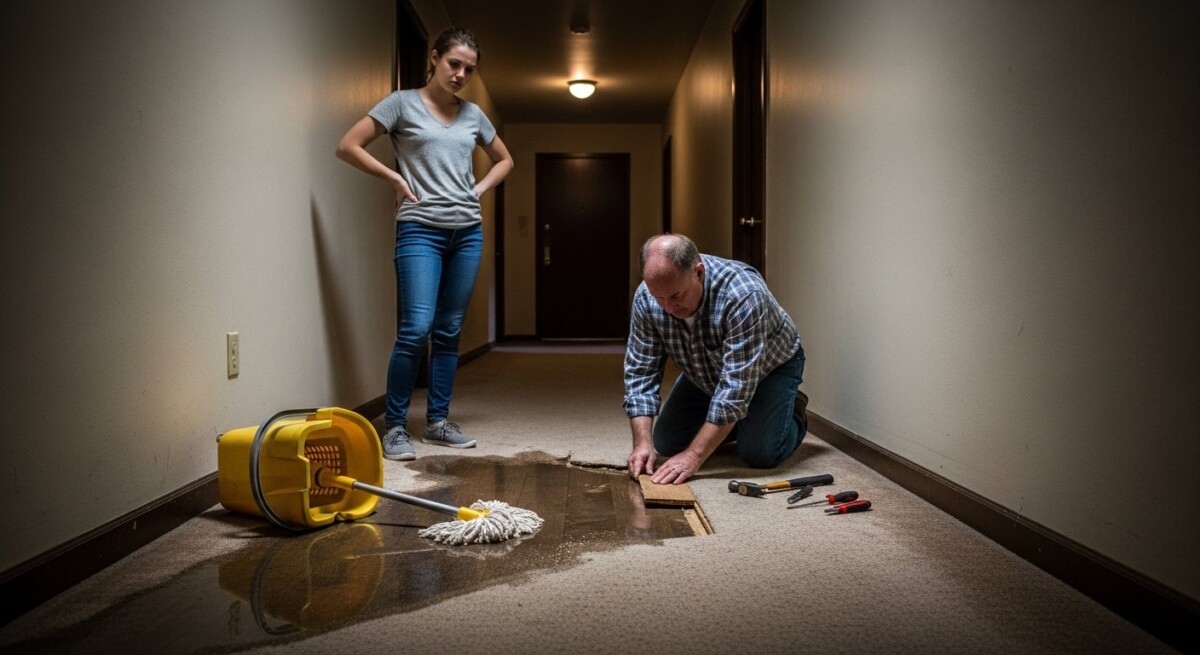
Imagine you are renting an apartment or a house, and a guest slips on a wet floor or a fire starts from a faulty appliance. Accidents happen, and when they occur in a rented property, the question of liability can become complicated. Tenants often assume the landlord is responsible for everything, while landlords may expect tenants to handle minor mishaps. Understanding who pays for damages and injuries is critical for both parties. This article explains the legal framework, insurance options, and practical steps to take if an accident happens in your rented home. Whether you are a tenant or a landlord, knowing your rights can save you from surprise bills and legal disputes.
Understanding Liability in Rental Accidents
Liability depends on the cause of the accident and the terms of the lease. In general, landlords are responsible for maintaining common areas and ensuring the property meets habitability standards. Tenants are responsible for keeping their rented space safe and reporting hazards promptly. When an accident occurs, the first step is to determine whether the cause was a maintenance issue (like a broken stair railing) or a tenant action (like leaving a slippery substance on the floor).
For example, if a visitor trips over a loose carpet in a hallway that the landlord failed to repair, the landlord may be liable. But if the same visitor trips over a tenant’s unsecured rug inside the apartment, the tenant may be at fault. Courts look at negligence, which means failing to take reasonable care to prevent harm. Both landlords and tenants can be negligent, and sometimes both share responsibility.
Common Types of Accidents in Rental Properties
Accidents in rented properties range from minor incidents to serious injuries. Some common scenarios include:
- Slip and fall accidents due to wet floors, icy walkways, or uneven surfaces.
- Fire or smoke damage from faulty wiring, unattended candles, or kitchen mishaps.
- Water damage from burst pipes, leaking roofs, or overflowing bathtubs.
- Injuries from broken furniture, falling objects, or structural defects.
- Carbon monoxide poisoning or gas leaks from poorly maintained appliances.
Each type of accident involves different legal and insurance considerations. For instance, if a fire starts because of a landlord’s failure to fix faulty wiring, the landlord’s insurance may cover the damage. If a tenant causes a fire by leaving a stove on, the tenant’s renters insurance would typically apply. Understanding these distinctions helps both parties prepare for unexpected events.
Who Is Financially Responsible?
Financial responsibility often comes down to insurance coverage and lease terms. Most landlords carry property insurance that covers structural damage and liability for common areas. However, this policy usually does not cover a tenant’s personal belongings or liability inside the rented unit. Tenants should purchase renters insurance to protect their possessions and cover liability for guest injuries.
If an accident happens, the insurance company investigates to determine fault. If the landlord is found negligent, their insurance pays for damages and medical bills up to policy limits. If the tenant is at fault, their renters insurance covers the costs. If neither party has adequate insurance, the injured person may sue the responsible party personally, which can lead to significant out-of-pocket expenses.
In our guide on what if an accident happened in a parking garage, we explain similar liability principles that apply to common areas like garages. The same reasoning often extends to other shared spaces in rental properties.
Immediate Steps After an Accident
Taking the right steps immediately after an accident can protect your legal rights and strengthen your claim. Whether you are a tenant or a landlord, follow these steps:
- Ensure safety first. Check for injuries and call 911 if anyone is hurt. Move people away from danger if it is safe to do so.
- Document the scene. Take photos and videos of the accident area, including any hazards like spills, broken railings, or damaged appliances.
- Report the incident. Notify the landlord or property manager in writing. Keep a copy of the report for your records.
- Gather witness information. Collect names, phone numbers, and statements from anyone who saw the accident.
- Seek medical attention. Even if injuries seem minor, get checked by a doctor. Some injuries appear later.
After these steps, contact your insurance company to report the claim. If you are a tenant, your renters insurance provider can guide you through the process. If you are a landlord, your property insurance carrier will handle the investigation. Do not admit fault or agree to pay anything until you speak with your insurer or an attorney.
Role of Renters Insurance
Renters insurance is one of the most important protections for tenants. It covers personal property against theft, fire, water damage, and other perils. It also includes liability coverage, which pays for legal fees and medical bills if someone is injured in your rented home. Many landlords require tenants to carry renters insurance as a condition of the lease.
Without renters insurance, a tenant could be personally responsible for paying a guest’s medical expenses or repairing damage to the landlord’s property. For example, if a visitor falls down the stairs and sues, renters insurance would cover your legal defense and any settlement up to your policy limit. The cost of renters insurance is relatively low, typically $15 to $30 per month, making it a worthwhile investment for financial protection.
If the accident happened during travel or while you were temporarily away from the rental, the same principles apply. In our article on what happens if accident happened during travel, we discuss how insurance coverage may still respond if the accident occurred in a rented vacation property.
Landlord Liability and Property Insurance
Landlords have a legal duty to maintain the property in a safe condition. This includes repairing structural defects, ensuring electrical and plumbing systems work, and keeping common areas hazard-free. If a landlord fails to address known dangers, they can be held liable for injuries that result.
Landlord insurance policies typically cover the building structure, liability for common areas, and loss of rental income. However, these policies often exclude damage caused by tenant negligence or intentional acts. For example, if a tenant starts a fire by smoking in bed, the landlord’s insurance may deny the claim, leaving the tenant responsible for the damage.
To protect themselves, landlords should conduct regular inspections, respond promptly to maintenance requests, and document all repairs. Requiring tenants to have renters insurance also reduces the landlord’s exposure to liability claims. If you are a landlord and an accident occurs, notify your insurance company immediately and cooperate with their investigation.
When to Seek Legal Help
Some rental accidents lead to serious injuries or disputes over liability. If you are injured and the landlord refuses to take responsibility, or if a tenant claims you were negligent, consulting a lawyer is advisable. An attorney can review the lease, gather evidence, and negotiate with insurance companies on your behalf.
Legal assistance is especially important in cases involving multiple parties, disputed fault, or significant medical bills. Many personal injury lawyers offer free initial consultations and work on a contingency fee basis, meaning they only get paid if you win your case. Do not wait too long to seek legal advice, as statutes of limitations vary by state and can limit your ability to file a lawsuit.
In some situations, an employer may deny that an accident happened, which complicates workers’ compensation claims. Our guide on what if employer denies accident happened provides strategies for handling such denials, which can also apply to disputes with landlords or property managers.
Frequently Asked Questions
What if the accident was caused by a natural disaster?
Natural disasters like floods, earthquakes, or hurricanes are typically excluded from standard renters and landlord insurance policies. Separate flood or earthquake insurance is needed to cover such events. Tenants should check their lease to see if the landlord requires additional coverage.
Can a landlord evict a tenant after an accident?
Eviction is possible if the tenant violated the lease by causing damage, failing to report hazards, or engaging in illegal activity. However, a single accident without negligence usually does not justify eviction. Landlords must follow state eviction laws and provide proper notice.
Does renters insurance cover damage to the landlord’s property?
Generally, renters insurance covers the tenant’s personal belongings and liability, not the building structure. If the tenant damages the landlord’s property (e.g., breaks a window or causes a fire), the tenant may be personally liable. Some policies include coverage for damage to the rental unit, but this is not standard.
What if the accident happened in a common area like the lobby or laundry room?
Common areas are usually the landlord’s responsibility. If a hazard like a broken light or wet floor in a common area causes an injury, the landlord may be liable. Tenants should report hazards immediately to protect themselves and others.
How long do I have to file a claim after a rental accident?
The statute of limitations varies by state, typically ranging from one to three years for personal injury claims. For property damage claims, the time limit may be shorter. Check with a local attorney to ensure you do not miss the deadline.
For more detailed information on how liability works in specific situations, see our article on what if an accident happened in a parking garage, which covers similar principles for shared spaces.
Final Thoughts on Rental Accident Liability
Accidents in rented properties are stressful, but understanding liability and insurance can reduce the financial and legal burden. Tenants should always carry renters insurance and report hazards promptly. Landlords must maintain safe premises and enforce insurance requirements. Both parties should document everything and seek legal advice when disputes arise. By taking proactive steps, you can protect yourself and your assets if an accident occurs in your rented home.