What If an Accident Happened in a Parking Garage? Steps to Take

Parking garages are among the most accident-prone locations in urban and suburban areas. Tight spaces, poor lighting, concrete pillars, and frequent pedestrian traffic create a perfect storm for collisions. If you have ever wondered what if an accident happened in a parking garage, the answer involves more than just exchanging insurance information. These incidents often fall into a gray area of liability, where determining fault can be complicated by limited visibility, shared responsibility, and unique premises liability laws. Understanding the correct steps to take immediately after a parking garage accident can protect your legal rights, preserve critical evidence, and help you recover compensation for injuries or property damage.
Common Causes of Parking Garage Accidents
Parking garage collisions rarely happen in a vacuum. Most are caused by a combination of environmental factors, driver error, or negligent design. Recognizing these common causes can help you build a stronger case if you are involved in an accident.
Driver Negligence
Speeding around blind corners, failing to yield to oncoming traffic on narrow ramps, and distracted driving are frequent culprits. Drivers often assume parking garages are low-risk zones, so they let their guard down. A driver who backs out of a space without checking mirrors or a driver who rolls through a stop sign inside the garage can cause significant damage. In these cases, the at-fault driver’s insurance typically covers the losses.
Inadequate Lighting and Signage
Many parking garages suffer from dim lighting, faded lane markings, or missing directional signs. If a garage owner fails to maintain proper illumination or clear signage, they may share liability for accidents that occur as a result. For example, a pedestrian struck in a poorly lit crosswalk inside a garage may have a premises liability claim against the garage owner.
Structural Hazards
Cracked concrete, oil slicks, water leaks, or uneven pavement can cause drivers to lose control. If the garage management knew or should have known about these hazards and failed to fix them, they could be held partially responsible for any resulting accident.
Immediate Steps to Take After a Parking Garage Accident
Your actions in the first few minutes after a collision can make or break your claim. Follow these steps to protect yourself and your legal options.
1. Check for Injuries and Move to Safety
First, assess whether anyone is hurt. If injuries are present, call 911 immediately. If the vehicles are drivable and it is safe to do so, move them to a parking spot or a less congested area to avoid blocking traffic. Do not leave the scene of the accident, even if it seems minor.
2. Call Law Enforcement
Even for minor fender benders, a police report provides an official record of the incident. Many parking garages are private property, so some officers may not respond unless there are injuries. If they do not come, request a case number and file a report at the nearest police station. This documentation is vital when dealing with insurance companies.
3. Exchange Information
Collect the other driver’s name, phone number, insurance company, policy number, and license plate. Also obtain the make and model of their vehicle. Do not discuss fault or apologize, as these statements can be used against you later.
4. Document the Scene Thoroughly
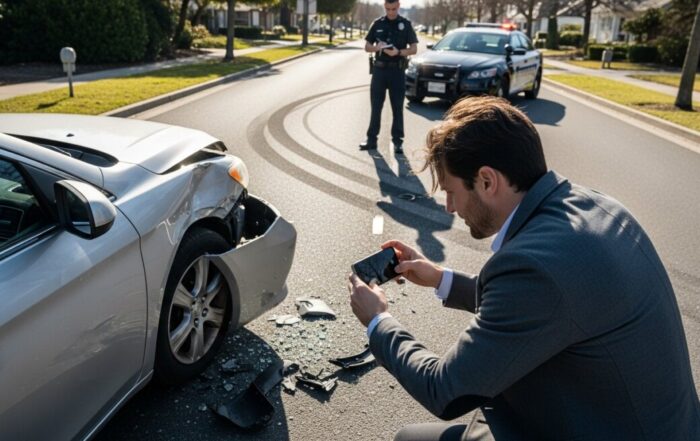
Use your phone to take photos and videos from multiple angles. Capture the following:
- Damage to all vehicles involved
- The surrounding environment, including pillars, walls, and lighting
- Any visible hazards like oil stains, cracks, or poor signage
- License plates and the garage entrance or exit
- Skid marks or debris on the ground
This visual evidence helps reconstruct the accident and may reveal contributing factors like poor design or maintenance. After taking photos, write down what you remember about the sequence of events while it is still fresh in your mind.
5. Identify Witnesses
Bystanders or other drivers may have seen the accident. Ask for their names and contact information. Witness testimony can be especially valuable in parking garage accidents where there are no traffic cameras or where the view is obstructed.
6. Notify the Garage Management
Report the accident to the parking garage office or security. Ask for a copy of any incident report they create. Garage management may also have security camera footage that could capture the collision. Request that they preserve the footage immediately, as many systems overwrite recordings after a few days.
Determining Fault in a Parking Garage Accident
Liability in parking garage accidents is not always straightforward. Unlike highway collisions where traffic laws are clear, garages involve shared spaces, moving vehicles, and pedestrians in close quarters. Fault often depends on the specific circumstances and local laws.
Comparative and Contributory Negligence
Most states follow a comparative negligence rule, meaning each party can be assigned a percentage of fault. If you were 20 percent at fault, your compensation is reduced by 20 percent. In a few states, pure contributory negligence bars recovery if you are even 1 percent at fault. Understanding your state’s rules is critical when evaluating a claim.
Shared Liability Scenarios
Consider a situation where a driver backs out of a space and hits another car that was speeding down the aisle. Both drivers may share fault. Similarly, if a pedestrian darts out between parked cars and is struck by a driver who was obeying speed limits, the pedestrian may bear most of the liability. Insurance adjusters and attorneys examine the facts carefully to apportion blame.
Premises Liability Claims
If the garage’s design or maintenance contributed to the accident, you may have a claim against the property owner or manager. For example, a blind corner created by a poorly placed pillar, a missing convex mirror, or a slippery floor from a leaky pipe can all give rise to a premises liability case. These claims require proof that the owner knew or should have known about the dangerous condition and failed to address it.
Insurance Considerations for Parking Garage Accidents
Filing an insurance claim after a parking garage accident follows a similar process to other auto accidents, but there are nuances you should understand.
Which Insurance Applies?
Parking garages are private property, so the accident is typically covered under the at-fault driver’s auto liability policy. If the at-fault driver is uninsured or underinsured, your own uninsured motorist coverage may apply. In some cases, the garage owner’s commercial general liability insurance might provide coverage if the accident was caused by a premises defect.
Dealing with Insurance Adjusters
Insurance companies look for reasons to minimize payouts. They may argue that you were partially at fault, or that your injuries were pre-existing. Never give a recorded statement without consulting an attorney first. Stick to the facts and do not speculate about what happened. Provide only the information requested and refer all further communication to your legal representative.
Preserving Evidence for Your Claim
Insurance claims rely heavily on evidence. If you have photos, witness statements, and a police report, your claim is much harder to dispute. Also, keep all medical records and bills related to the accident. If your vehicle was damaged, get repair estimates and document the diminished value of the car after repairs.
When to Contact a Personal Injury Attorney
Not every parking garage accident requires a lawyer, but certain red flags should prompt you to seek legal help. These include serious injuries, disputed liability, involvement of a commercial property owner, or an insurance company that is lowballing or denying your claim.
A personal injury attorney can investigate the accident, gather evidence from the garage’s security cameras, interview witnesses, and negotiate with insurers on your behalf. They can also evaluate whether a premises liability claim against the garage owner is viable. Most personal injury lawyers offer free initial consultations and work on a contingency fee basis, meaning you pay nothing unless they recover compensation for you.
If you are unsure whether you have a case, many legal platforms like FreeLegalCaseReview.com offer free, confidential case evaluations. These services connect you with qualified attorneys who specialize in personal injury and mass tort litigation. Taking advantage of a free evaluation costs you nothing and gives you clarity on your legal options.
Frequently Asked Questions
Do I need to call the police for a minor parking garage accident?
Yes, it is generally a good idea. A police report creates an official record that can help with insurance claims. If the police do not respond, file a report at the station and document the scene yourself.
Can I sue the parking garage owner for an accident?
Yes, if the accident was caused by a dangerous condition on the property, such as poor lighting, missing signs, or a slippery floor. You would need to prove that the owner knew or should have known about the hazard and failed to fix it.
What if the other driver leaves the scene?
This is a hit-and-run. Note the other vehicle’s license plate, make, model, and color. Report it to the police immediately. If you have collision or uninsured motorist coverage, your own insurance may cover the damage.
How long do I have to file a claim after a parking garage accident?
The statute of limitations varies by state, typically ranging from one to six years for personal injury claims. Check with a local attorney to ensure you do not miss the deadline.
Final Thoughts on Parking Garage Accidents
Parking garage accidents are frustrating and often confusing, but knowing what to do in the aftermath can significantly impact your recovery. By staying calm, documenting everything, and seeking professional legal advice when needed, you protect your right to fair compensation. Whether the accident was caused by a distracted driver, poor garage design, or a combination of factors, the steps you take immediately afterward matter. If you have been injured or suffered property damage in a parking garage collision, consider a free case evaluation to understand your options and ensure you are not leaving money on the table.