When a Driver Denies Fault: Your Legal Options
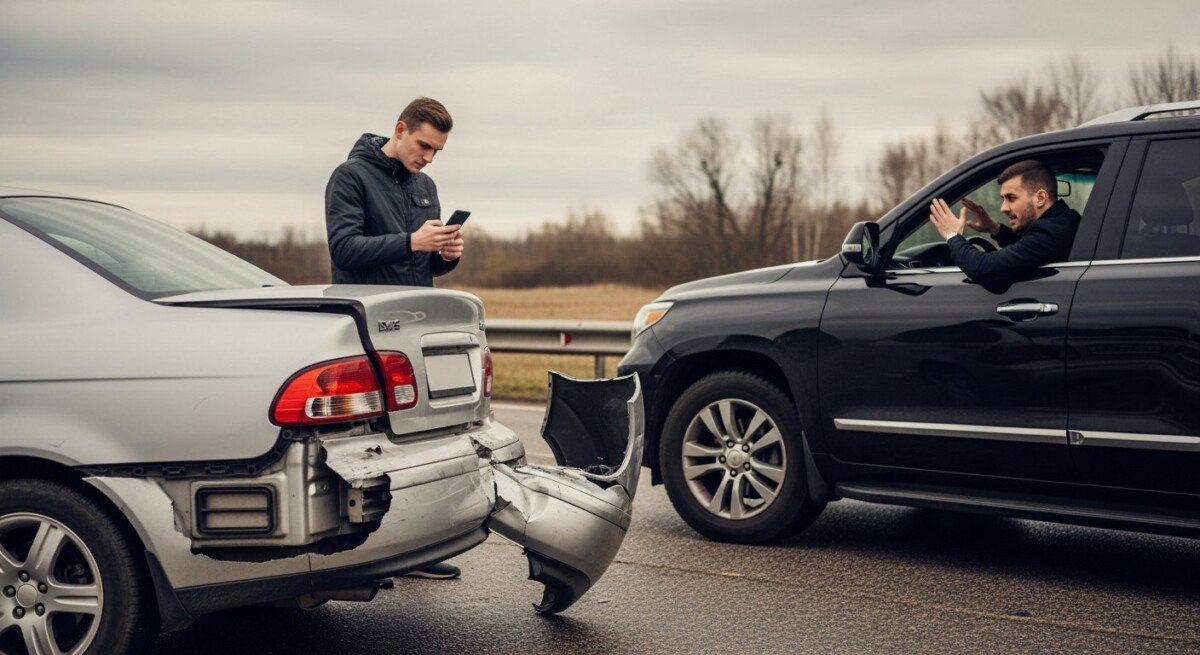
Being involved in a car accident is stressful enough, but when the other driver denies violating traffic laws or causing the crash, the situation can become far more complicated. You may feel stuck, frustrated, and unsure of how to proceed. Understanding what to do when a driver denies violation is critical for protecting your rights and securing the compensation you deserve. This guide walks you through the practical steps you can take, the evidence you need, and how an attorney can help you navigate these disputes.
Why Drivers Deny Violations After an Accident
Drivers deny fault for many reasons. Some fear increased insurance premiums, while others worry about legal penalties. In some cases, a driver may genuinely believe they did nothing wrong, even when evidence suggests otherwise. Common denials include claiming they had the right of way, that you were speeding, or that the accident was unavoidable due to road conditions.
Regardless of the reason, a denial of fault does not mean your claim is dead. Insurance companies are trained to scrutinize denials and look for evidence to support or refute them. Your job is to provide the documentation and legal arguments that counteract the other driver’s version of events. This is where a systematic approach to evidence gathering becomes essential.
Immediate Steps to Take After the Accident
Your actions in the moments and days following a crash can make or break your case. If the other driver denies violation at the scene, remain calm and avoid arguing. Instead, focus on collecting information that will later speak for itself.
First, call the police. A police report is an official document that often includes the officer’s opinion on who caused the accident. While not always admissible in court, it carries significant weight with insurance adjusters. When the officer arrives, provide a clear, factual account of what happened without speculating about fault. Let the officer draw their own conclusions.
Second, exchange information with the other driver. Get their name, contact details, insurance company, policy number, and license plate number. Also, note the make and model of their vehicle. If there are witnesses, ask for their contact information as well. Witness statements can be powerful when a driver denies responsibility.
Documenting the Scene Thoroughly
Photographs and videos are your best friends. Take pictures of the damage to both vehicles from multiple angles. Capture the surrounding area, including traffic signs, signal lights, skid marks, and road conditions. If you have a dashcam, save the footage immediately. Many drivers who initially deny fault change their story when confronted with clear visual evidence.
Write down your own recollection of the event as soon as possible. Memory fades quickly, and details like the color of the traffic light or the direction of travel can become critical. Keep a notebook in your glove compartment specifically for this purpose. The more detail you record, the harder it is for the other driver to dispute your account.
How Insurance Companies Handle Denials
When a driver denies violation, their insurance company will typically follow a standard process. They will review the police report, examine photos, speak with their insured, and possibly interview witnesses. If the evidence is inconclusive, they may deny your claim or offer a low settlement. This is a tactic to minimize their payout, not a reflection of the strength of your case.
You can counter this by submitting a well-prepared demand letter. This letter should include a summary of the accident, the evidence you have gathered, a calculation of your damages (medical bills, lost wages, property damage, pain and suffering), and a request for a specific settlement amount. Attach copies of all supporting documents. A strong demand letter often prompts adjusters to take your claim more seriously.
If the insurance company continues to deny liability, you may need to file a claim under your own policy’s uninsured/underinsured motorist coverage if you have it. This coverage is designed to protect you when the at-fault driver lacks sufficient insurance or denies responsibility. Check your policy or consult with an attorney to understand your options.
The Role of an Attorney in Disputed Claims
When a driver denies violation, hiring an attorney can level the playing field. An experienced personal injury lawyer knows how to investigate accidents, gather evidence, and negotiate with insurers. They can also help you avoid common pitfalls, such as making statements that could be used against you later. In our guide on what if driver denies using phone, we explain how to handle specific denial scenarios.
An attorney can also hire expert witnesses, such as accident reconstruction specialists, to analyze the crash and provide testimony about fault. This is particularly valuable when the other driver’s denial is based on a false claim about your actions. Experts can often find evidence you missed, such as black box data from your vehicle or cell phone records showing the other driver was distracted.
Most personal injury attorneys work on a contingency fee basis, meaning they only get paid if you win your case. This arrangement makes legal representation accessible even if you cannot afford upfront costs. At FreeLegalCaseReview.com, we can connect you with qualified attorneys who handle disputed claims and offer free initial consultations.
Building a Strong Evidence Package
To overcome a driver’s denial, your evidence must be organized and compelling. Here are the key elements to include:
- Police report (with officer’s narrative and diagram of the accident)
- Photographs and videos (damage, scene, road conditions, injuries)
- Witness statements (written or recorded, with contact information)
- Medical records (documenting all injuries and treatment related to the accident)
- Repair estimates and bills (for vehicle damage and other property losses)
Once you have assembled this package, send copies to the insurance company and keep the originals for your records. If the case goes to litigation, your attorney will use this evidence to build a persuasive argument for why the other driver was at fault. Never discard any documentation, even if it seems minor. A single piece of evidence can change the outcome of a dispute.
Legal Strategies When Fault Is Disputed
If the other driver’s denial leads to a lawsuit, several legal strategies may apply. One common approach is to argue negligence per se, which means the driver violated a traffic law and that violation directly caused the accident. For example, if the driver ran a red light and caused a collision, they are automatically considered negligent under the law. This simplifies your case because you do not have to prove they acted unreasonably, only that they broke the law.
Another strategy is comparative negligence, which applies when both parties share some fault. Even if the other driver denies violation, you may be able to prove they were partially responsible. In states with comparative negligence rules, you can still recover damages as long as you are less than 50% at fault. Your compensation is reduced by your percentage of fault, but you are not left empty-handed.
In rare cases, the other driver may assert a defense such as sudden emergency or unavoidable accident. These defenses are difficult to prove and require strong evidence. If the driver claims they swerved to avoid a deer, for instance, you can counter with evidence that they were speeding or distracted. An attorney can help you anticipate these defenses and prepare rebuttals.
What to Do If the Insurance Company Denies Your Claim
Even with solid evidence, the insurance company may still deny your claim based on the other driver’s denial. If this happens, you have options. First, request a written explanation of the denial. The insurer must provide a reason, such as insufficient evidence or a policy exclusion. Review this explanation carefully for any errors or inconsistencies.
Second, consider filing an appeal with the insurance company. Many insurers have an internal appeals process where you can submit additional evidence and request a review by a different adjuster. This can be effective if your initial claim was handled poorly or if new evidence has emerged.
Third, if the appeal fails, you may need to file a lawsuit against the other driver. This is a more formal process, but it can result in a court order requiring the driver to pay damages. Keep in mind that lawsuits have deadlines, known as statutes of limitations, which vary by state. In most states, you have two to three years from the date of the accident to file a personal injury lawsuit. Missing this deadline can permanently bar you from recovering compensation.
For those navigating these complex disputes, resources like this detailed guide on phone use denials offer targeted advice for specific scenarios. Understanding how to handle each type of denial increases your chances of a favorable outcome.
Frequently Asked Questions
What if the driver denies violation and there are no witnesses?
Without witnesses, your case relies heavily on physical evidence and the police report. Photographs, dashcam footage, and vehicle damage patterns can still establish fault. An attorney may also use accident reconstruction experts to analyze the scene.
Can I still get compensation if the other driver denies fault?
Yes. A denial does not automatically mean you lose. If you have strong evidence and legal representation, you can still recover damages through negotiation or litigation.
How long does it take to resolve a disputed claim?
The timeline varies. Simple disputes may settle in a few months, while complex cases involving lawsuits can take a year or more. An attorney can give you a more accurate estimate based on your specific circumstances.
Do I need an attorney if the driver denies violation?
While not required, an attorney significantly improves your chances of success. Insurance companies take claims more seriously when legal counsel is involved, and attorneys know how to counter denials effectively.
What should I not say to the insurance company?
Avoid admitting fault, speculating about the accident, or downplaying your injuries. Stick to the facts and let your evidence speak. It is often best to have an attorney handle all communications with insurers.
For those dealing with specific denial scenarios, such as a driver claiming they were not using their phone at the time of the crash, our resource on key legal steps for phone denial cases provides actionable advice. Similarly, if you are facing a denial based on disputed liability, this article on handling liability disputes can help you prepare your strategy.
Facing a driver who denies violation can feel overwhelming, but you are not powerless. By gathering evidence, understanding insurance processes, and seeking legal help when needed, you can protect your rights and pursue the compensation you deserve. Remember that the law is designed to hold responsible parties accountable, even when they try to avoid responsibility. Stay persistent, stay organized, and do not hesitate to reach out for professional guidance.