What If Driver Denies Using Phone: Key Legal Steps
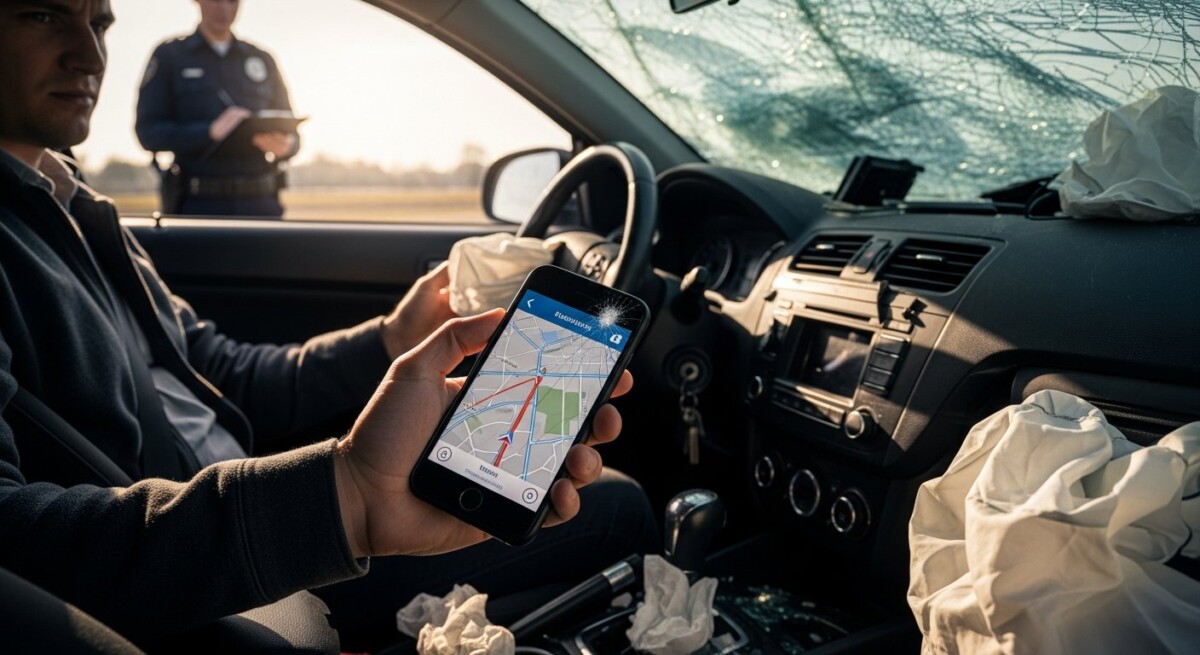
When you are involved in a car accident and suspect the other driver was distracted by their phone, their denial can feel like a roadblock. You know what you saw, but without proof, the insurance company may side with the other driver. This situation is frustrating, but it does not mean your claim is lost. Understanding how to handle a driver who denies phone use is critical to protecting your rights and securing the compensation you deserve. The legal system and insurance adjusters rely on evidence, not just words, so your next steps matter more than the denial itself.
Why Drivers Deny Phone Use After an Accident
Drivers often deny using their phones because they fear the consequences. A distracted driving admission can lead to a citation, higher insurance rates, or even liability for damages. Many drivers instinctively lie to avoid these outcomes, especially if they were texting, browsing social media, or using navigation apps at the time of the crash. Their denial is a defensive mechanism, not necessarily the truth.
Another factor is that phone use can be habitual and automatic. A driver may not even realize they were distracted because they glance at their device without thinking. In other cases, the driver might believe that deleting the call log or text history will erase the evidence. They may also assume that without a witness or police report stating otherwise, their word will stand. Understanding these motivations helps you approach the situation strategically rather than emotionally.
In our guide on what happens if driver was using phone during accident, we explain how phone records can become pivotal evidence. The denial is just the starting point, not the final word.
Evidence That Can Prove Phone Use Despite Denial
The most powerful tool against a driver’s denial is digital evidence. Cell phone records, text message timestamps, and data logs from the phone company can show exactly when calls, texts, or data sessions occurred. If the timeline matches the accident time, the denial becomes much harder to maintain. Insurance companies and courts accept this type of evidence as reliable, especially when subpoenaed directly from the carrier.
Phone Records and Subpoenas
Your attorney can request a subpoena for the other driver’s phone records. This legal order forces the phone company to produce call logs, text message records, and data usage history. If the records show activity at the moment of the crash, the driver’s denial collapses. This process takes time, but it is one of the most effective ways to prove distraction.
Eyewitness Testimony
Witnesses who saw the other driver looking down or holding a phone can provide crucial testimony. Even if the driver denies it, a neutral witness statement carries weight. Police officers often include witness accounts in the accident report, which becomes an official record. If you have dashcam footage or surveillance video from nearby businesses, that visual evidence is even stronger.
Social Media Posts
Sometimes the other driver posts about the accident or their activities right before the crash. A quick search of their public social media profiles can reveal check-ins, photos, or status updates that contradict their denial. Insurance adjusters and attorneys use this digital footprint to challenge false statements. Always document this evidence with screenshots before it is deleted.
How Insurance Companies Handle Denials of Phone Use
Insurance adjusters are trained to be skeptical of all claims, including yours. When the other driver denies using a phone, the adjuster may initially side with their insured because it is cheaper to deny your claim. However, adjusters also know that phone use is underreported. They will look for inconsistencies, such as the driver claiming they were not on the phone but the accident report shows they were cited for distracted driving.
Your job is to provide the adjuster with enough evidence to override the denial. This includes the police report, witness statements, and any phone records you can obtain. If you have a lawyer, they will handle the negotiation and push for a fair settlement. Without evidence, the adjuster can deny liability, leaving you to pay for repairs and medical bills out of pocket. In our article on what happens if driver was using phone during accident, we detail how insurance companies analyze phone use claims.
Legal Steps to Take When the Driver Denies
If you find yourself in this situation, follow these steps to strengthen your case:
- Report the accident to the police immediately and request a copy of the report. Note any mention of phone use or distracted driving.
- Gather witness contact information and ask them to describe what they saw, especially regarding the other driver’s phone.
- Preserve any dashcam footage, traffic camera video, or security footage from nearby businesses. Act quickly because footage is often overwritten.
- Contact a personal injury attorney who handles distracted driving cases. They can subpoena phone records and build a legal strategy around the denial.
These steps create a paper trail that supports your version of events. The sooner you act, the more likely you are to capture evidence before it disappears. An attorney can also advise you on state-specific laws, such as whether hands-free laws apply and how they affect your claim.
The Role of Accident Reconstruction Experts
In more complex cases, accident reconstruction experts can analyze the crash dynamics to determine if distraction played a role. They examine factors like reaction time, braking patterns, and vehicle position. If the evidence shows that the driver did not brake or swerve until very late, it may indicate they were not paying attention. These experts can testify in court or provide reports that support your claim, even when the driver denies phone use.
Reconstruction is not always necessary for minor fender benders, but for serious injuries or disputed liability, it can be a game-changer. The cost of hiring an expert is often included in the settlement or verdict, so you do not pay upfront. Your attorney can determine if this step is appropriate for your case.
What to Do If the Driver Deletes Evidence
Deleting text messages, call logs, or social media posts after an accident can be considered spoliation of evidence. If you suspect the other driver destroyed evidence, inform your attorney immediately. The court can impose sanctions, such as instructing the jury to assume the deleted evidence was unfavorable to the driver. In some cases, the court may even enter a default judgment against the driver for destroying evidence.
This is why you should never confront the driver about phone use directly. Instead, let the legal process handle it. If they delete evidence, it often backfires and strengthens your position. Document everything you observe, including the driver’s behavior at the scene, and share it with your lawyer.
How a Lawyer Can Help When the Driver Denies
An experienced personal injury attorney knows how to counter a driver’s denial. They can issue subpoenas, interview witnesses, and negotiate with insurance companies. They also understand the nuances of distracted driving laws in your state, which vary widely. For example, some states allow juries to infer negligence if a driver was using a phone, while others require direct evidence of distraction.
Your attorney will also handle communication with the insurance adjuster so you do not accidentally say something that hurts your case. They will calculate the full value of your damages, including future medical costs, lost wages, and pain and suffering. With a denial on the table, having a lawyer levels the playing field and increases your chances of a fair outcome.
For a deeper look at how phone use affects liability, read our detailed analysis on what happens if driver was using phone during accident.
Frequently Asked Questions
Can phone records be used as evidence if the driver denies?
Yes, phone records are admissible in court and insurance claims. Your attorney can subpoena the records to show call or text activity at the time of the accident.
What if the accident happened in a state with hands-free laws?
Hands-free laws make it illegal to hold a phone while driving. If the driver violated this law, it strengthens your claim even if they deny using the phone. The violation itself can be evidence of negligence.
How long do I have to gather evidence after the accident?
You have the statute of limitations period, which is typically two to three years, but evidence like video footage and phone records can be lost if you wait too long. Act within days or weeks to preserve the strongest case.
Do I need a lawyer if the driver denies phone use?
It is strongly recommended. A lawyer can access legal tools like subpoenas and expert witnesses that are not available to individuals. Without an attorney, you may struggle to overcome the denial.
If you are dealing with a distracted driving accident and the other driver denies phone use, you do not have to face it alone. Contact our team for a free case evaluation. We connect you with qualified attorneys who can subpoena records, gather evidence, and fight for your rights. Call us at (833) 227-7919 to discuss your situation and take the first step toward recovery. For more information on how phone use impacts liability, visit our resource on what happens if driver was using phone during accident.