What If Liability Is Shared in Your Accident Claim
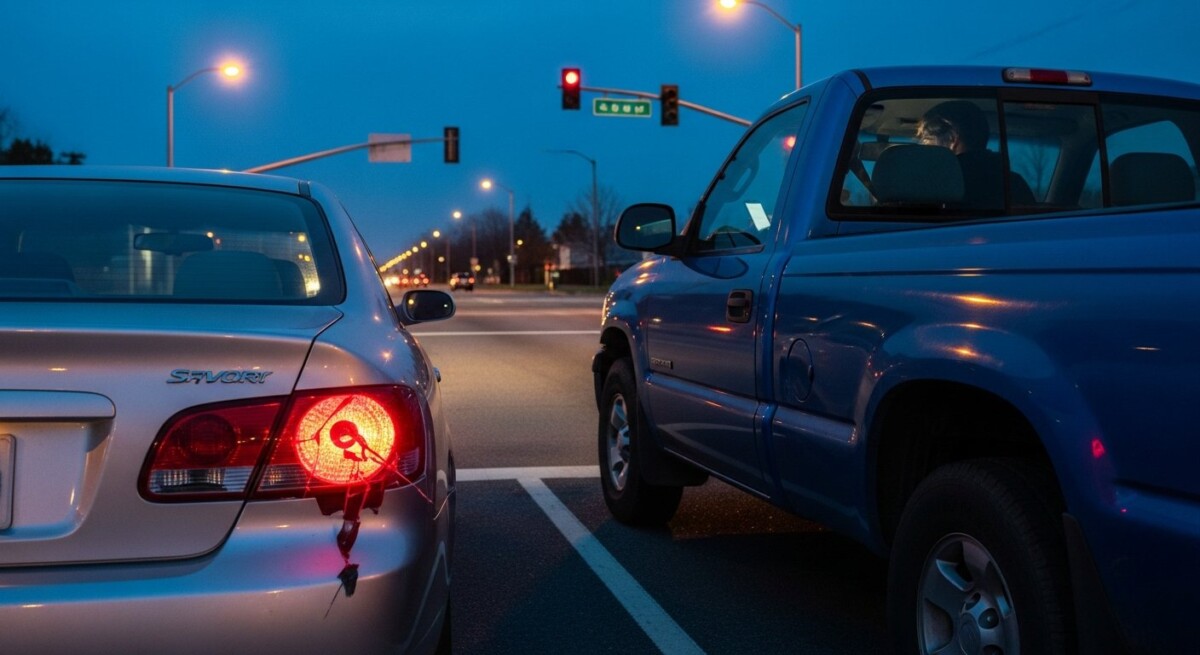
Imagine you are rear-ended at a stoplight. The driver behind you was texting, but you also had a broken taillight that made your car harder to see at dusk. The police report notes both factors. Now you wonder: what if liability is shared between you and the other driver? The answer affects every part of your claim, from who pays your medical bills to how much compensation you ultimately receive. Understanding shared liability, also called comparative fault or contributory negligence, is critical for anyone pursuing a personal injury case. This article explains how shared liability works, how it changes your settlement, and what steps you can take to protect your rights when fault is divided.
How Shared Liability Works in Personal Injury Law
Shared liability means that more than one party bears legal responsibility for an accident. In legal terms, it is often called comparative negligence or comparative fault. Most states use one of two systems: pure comparative fault or modified comparative fault. Under pure comparative fault, you can recover damages even if you are 99 percent at fault, but your award is reduced by your percentage of fault. For example, if your damages are $100,000 and you are 30 percent at fault, you receive $70,000. Modified comparative fault sets a threshold, typically 50 percent or 51 percent. If your fault exceeds that threshold, you cannot recover anything. A few states still follow contributory negligence, which bars recovery entirely if you are even 1 percent at fault. Knowing which rule applies in your state is the first step in evaluating your case.
When multiple defendants share liability, the situation becomes more complex. Each defendant may be responsible for a percentage of the damages based on their degree of fault. In some cases, defendants are jointly and severally liable, meaning any one of them can be required to pay the full amount of damages if the others cannot pay. This protects you if one defendant is uninsured or bankrupt. However, many states have reformed joint and several liability, limiting its application to economic damages like medical bills and lost wages, while leaving noneconomic damages like pain and suffering allocated strictly by percentage of fault.
Determining Fault Percentages in Shared Liability Cases
Insurance adjusters, attorneys, and sometimes juries assign a percentage of fault to each party. They examine evidence such as police reports, witness statements, traffic camera footage, and expert testimony. For instance, in a car accident where one driver ran a red light and the other was speeding, the adjuster might assign 60 percent fault to the driver who ran the red light and 40 percent fault to the speeding driver. If you are the speeding driver and your damages are $50,000, you would receive only $30,000 under a pure comparative fault system. If you are in a modified comparative fault state with a 50 percent bar, you would receive nothing because your fault equals 50 percent, exceeding the threshold.
Insurance companies are skilled at shifting blame to reduce payouts. They may argue that you failed to brake in time, were distracted, or ignored road conditions. This is why gathering strong evidence immediately after an accident is essential. Take photos, get witness contact information, and obtain a copy of the police report. Avoid making statements that could be interpreted as admitting fault, such as saying “I’m sorry” or “I didn’t see you.” Even a simple apology can be used against you in a shared liability analysis. In our guide on business denies liability for fall your next steps, we explain how to handle similar situations when a defendant contests responsibility.
Impact of Shared Liability on Settlement Amounts
Shared liability directly reduces your settlement. If you are found partially at fault, the total value of your claim is reduced by your percentage of fault. This reduction applies to all categories of damages: medical expenses, lost income, property damage, and pain and suffering. For example, if your total damages are $200,000 and you are 25 percent at fault, your maximum recovery is $150,000. Insurance adjusters use this formula to calculate offers, so understanding the math helps you evaluate whether a settlement is fair.
Shared liability also affects the timing of your settlement. If fault is disputed, negotiations may drag on while both sides gather evidence and argue about percentages. In some cases, the case goes to trial, where a jury decides the exact allocation of fault. This can take months or years. During that time, medical bills and other expenses accumulate, creating financial pressure to accept a low settlement. To avoid this, work with an attorney who can negotiate aggressively and present evidence that minimizes your perceived fault. An attorney may also hire accident reconstruction experts to challenge the insurance company’s fault assessment.
Another factor is the availability of insurance coverage. If multiple parties are liable, each party’s insurance policy may contribute to your damages. However, if one party has insufficient coverage, you may not be able to collect the full amount even if fault percentages are favorable. This is where understanding determining liability in truck accidents a legal guide can be helpful, as truck accidents often involve multiple defendants and complex insurance issues.
Strategies to Minimize Your Share of Liability
If you believe the other party is trying to shift fault to you, there are several proactive steps you can take. First, never admit fault at the scene. Stick to factual statements like “I am injured” and “Please call 911.” Second, document everything. Take photos of the accident scene, vehicle positions, skid marks, road conditions, and any visible injuries. Write down your memory of events as soon as possible, while details are fresh. Third, avoid signing any documents or giving recorded statements to the other party’s insurance company without legal advice. Their goal is to get you to say something that increases your fault percentage.
Fourth, seek medical attention immediately, even if you feel fine. Delayed treatment can be used to argue that your injuries are not serious or were caused by something else. Medical records also create a timeline that supports your version of events. Fifth, hire an attorney who specializes in personal injury and understands the nuances of comparative fault in your state. An experienced lawyer can identify evidence that reduces your fault, such as the other driver’s violation of traffic laws, poor vehicle maintenance, or failure to obey signs. In some cases, an attorney may uncover that a third party, such as a government entity responsible for road maintenance or a vehicle manufacturer, shares liability, which could reduce your percentage further.
Finally, be careful about what you post on social media. Insurance adjusters often monitor claimants’ accounts for evidence that contradicts their injury claims. Photos of you engaging in physical activity, posts about travel, or comments about feeling “fine” can be used to argue that your injuries are minor or that you are exaggerating your pain. During a pending claim, it is best to limit social media activity or set your accounts to private.
Frequently Asked Questions About Shared Liability
What if liability is shared between me and the other driver?
Your compensation will be reduced by your percentage of fault. If you are 20 percent at fault, you can recover 80 percent of your damages, provided your state’s comparative fault laws allow it. The exact outcome depends on whether your state uses pure comparative fault, modified comparative fault, or contributory negligence.
Can I still sue if I am partially at fault?
Yes, in most states you can sue as long as your fault does not exceed the state’s threshold. In pure comparative fault states, you can sue regardless of your fault percentage. In modified comparative fault states, you can sue if your fault is 50 percent or less (or 51 percent or less, depending on the state). In contributory negligence states, you cannot sue if you are even 1 percent at fault.
How does shared liability work with multiple defendants?
Each defendant is assigned a percentage of fault. You can recover from each defendant according to their share. In states with joint and several liability, one defendant may be required to pay the full amount if others cannot. Your attorney can help you identify all potentially liable parties, which might include drivers, employers, manufacturers, or property owners.
What evidence is used to determine fault percentages?
Evidence includes police reports, witness statements, photos and videos from the scene, traffic camera footage, black box data from vehicles, expert testimony, and medical records. The more evidence you have, the better your ability to argue for a lower fault percentage.
Do I need an attorney for a shared liability case?
Yes, especially if fault is disputed or your injuries are serious. An attorney can negotiate with insurance companies, gather evidence, and present your case in court if necessary. They understand the nuances of comparative fault laws and can help maximize your recovery. For more on how fault is assessed in specific situations, see our article on mechanic liability what happens when a mechanic is liable.
Protecting Your Rights When Liability Is Shared
Shared liability does not mean you are out of options. It means you need to be strategic about how you present your case. Start by understanding the law in your state. Then gather evidence that supports your version of events and challenges any attempt to inflate your fault percentage. Work with an attorney who can navigate the complexities of comparative fault and negotiate for a fair settlement. Remember that insurance companies are not on your side. Their adjusters are trained to minimize payouts, and they will use any admission or piece of evidence to increase your fault percentage. Do not go through this process alone.
If you have been injured in an accident where fault may be shared, take action quickly. Evidence can disappear, memories fade, and statutes of limitations can bar your claim. Contact a qualified personal injury attorney for a free case evaluation. An experienced lawyer can review the facts, explain how shared liability applies to your situation, and help you pursue the maximum compensation available. For additional reading on how liability is determined in specific types of accidents, check out our guide on premises liability questions answered for injury victims, which covers shared fault in slip and fall cases.
Understanding what if liability is shared is the first step toward protecting your recovery. With the right approach and professional guidance, you can navigate the complexities of comparative fault and achieve a fair outcome. Do not let the fear of shared liability prevent you from seeking the compensation you deserve. Take control of your case today.