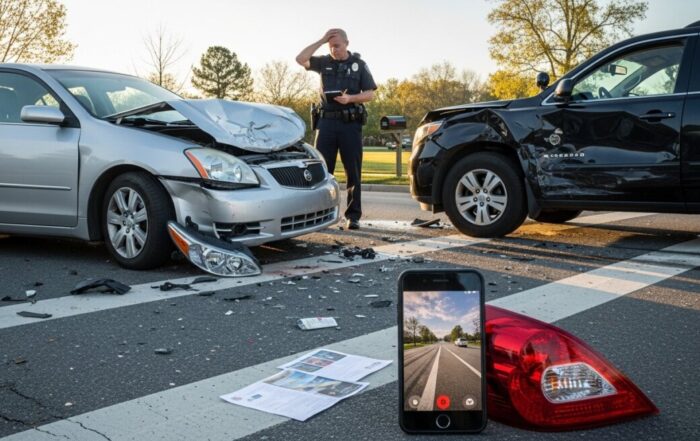
What If Driver Fled the Scene: Legal Steps to Take Now

Being involved in a car accident is stressful enough, but when the other driver speeds away, the situation becomes far more complicated. You are left shaken, possibly injured, and wondering how you will ever hold someone accountable. If you have ever asked yourself what if driver fled the scene, you are not alone. Thousands of hit-and-run accidents occur every year across the United States, leaving victims confused about their legal options and financial recovery. The good news is that you still have clear paths to protect yourself, seek compensation, and hold the fleeing driver responsible even when their identity is unknown at first.
Immediate Steps After a Hit-and-Run Accident
Your safety and health come first. If you are able to move safely, pull your vehicle to the side of the road or a secure location away from traffic. Turn on your hazard lights and check yourself and any passengers for injuries. Even if you feel fine, adrenaline can mask pain, so it is wise to call 911 for medical evaluation and police response. Do not chase the fleeing driver. Your priority is to preserve evidence and your own well-being, not to pursue a dangerous situation.
While waiting for law enforcement, try to recall as many details as possible about the other vehicle. Note the make, model, color, and any distinctive features such as bumper stickers, damage, or custom parts. If you saw the license plate number, write it down immediately. Even a partial plate can be helpful. Look for witnesses who may have seen the accident or the fleeing vehicle. Ask them for their contact information and a brief statement about what they observed. This evidence can be vital when you later file a claim or report.
Why Reporting the Accident Matters
Reporting a hit-and-run to the police is not just a formality. It creates an official record that your insurance company and any legal representative will rely on. When you call 911, request a police report and ask for the case number. The responding officer will document the scene, take statements, and may be able to locate surveillance cameras from nearby businesses or homes. This official documentation strengthens your claim and helps establish that you were not at fault.
Without a police report, your insurance company may question the legitimacy of your claim. The report serves as independent evidence that the other driver fled. It also helps if the fleeing driver is later identified, because the police can pursue criminal charges for leaving the scene of an accident. In many states, hit-and-run is a criminal offense, and the driver may face fines, license suspension, or even jail time if caught.
Insurance Coverage for Hit-and-Run Accidents
If the other driver cannot be identified, your own insurance policy may still provide coverage. The key is understanding what types of coverage you have and how they apply. Most states require drivers to carry uninsured motorist (UM) coverage, but some do not. Uninsured motorist coverage typically applies when the at-fault driver has no insurance. However, many policies also include underinsured motorist (UIM) coverage or a specific hit-and-run provision.
Here are the main types of insurance coverage that may help after a hit-and-run:
- Uninsured Motorist Property Damage (UMPD): This covers damage to your vehicle when the other driver is uninsured or cannot be identified. It may have a deductible, but it can pay for repairs or the value of your totaled car.
- Uninsured Motorist Bodily Injury (UMBI): This pays for medical expenses, lost wages, and pain and suffering if you or your passengers are injured by an uninsured or hit-and-run driver.
- Collision Coverage: If you do not have UM coverage, collision insurance can still pay for vehicle repairs. You will pay your deductible, and your insurer may seek reimbursement if the driver is later found.
- Medical Payments (MedPay) or Personal Injury Protection (PIP): These cover medical bills regardless of fault, which can be especially helpful if the other driver fled.
Review your policy carefully or call your insurance agent to confirm what coverage you carry. If you do not have UM coverage, ask about adding it to your policy in the future. It is often inexpensive compared to the financial protection it provides.
Legal Options When the Driver Is Not Found
Even if the police never identify the fleeing driver, you still have legal avenues. Your first step is to file a claim with your own insurance company under your uninsured motorist or collision coverage. Provide them with the police report, any witness statements, and photos of the damage. Be honest and thorough in your description of the accident.
If your insurance claim is denied or undervalued, you have the right to dispute the decision. You can request a written explanation of the denial, provide additional evidence, or ask for a supervisor review. If that fails, you may consider hiring a personal injury attorney who specializes in hit-and-run cases. An attorney can negotiate with the insurance company on your behalf and, if necessary, file a lawsuit against the insurer for bad faith if they unreasonably deny your claim.
When the Fleeing Driver Is Later Identified
There are times when the hit-and-run driver is caught days or weeks after the accident. Police may find them through surveillance footage, witness tips, or vehicle repair records. If this happens, you can pursue a claim directly against the driver and their insurance policy. Your own insurance company may also seek subrogation, meaning they recover the money they paid you from the at-fault driver’s insurer.
If the driver is identified but has no insurance or insufficient coverage, your UM/UIM coverage can still cover the gap. An attorney can help you navigate these overlapping policies and ensure you receive full compensation for medical bills, lost income, vehicle repair costs, and pain and suffering.
How an Attorney Can Help After a Hit-and-Run
Hit-and-run cases are inherently more complex than standard accidents because the other party is unknown or uncooperative at first. An experienced personal injury attorney brings several advantages. They can investigate the accident independently, interview witnesses, and work with accident reconstruction experts to build a strong case. They also understand the nuances of insurance policy language and can identify coverage you may not know you have.
Attorneys can also handle communication with insurance adjusters, who may try to minimize your claim or blame you for the accident. Having legal representation levels the playing field and often results in higher settlements. Most personal injury attorneys work on a contingency fee basis, meaning you pay nothing upfront and they only receive a fee if you win or settle your case.
Frequently Asked Questions
What should I do if I witness a hit-and-run?
If you see a hit-and-run accident, stay at the scene and provide your contact information to the police and the victim. Write down the fleeing vehicle’s license plate, make, model, color, and direction of travel. Your testimony can be crucial in identifying the driver and helping the victim recover compensation.
Can I still get compensation if the driver is never found?
Yes, if you have uninsured motorist coverage or collision coverage on your own policy. You can file a claim with your insurance company to cover medical expenses, lost wages, and vehicle damage. An attorney can help you maximize your recovery if the claim is disputed.
Does my insurance premium go up after a hit-and-run claim?
It depends on your policy and state laws. Some states prohibit rate increases for not-at-fault accidents, including hit-and-runs. However, if you file a claim under your collision coverage, your insurer may raise your premium. Ask your agent before filing if rate increases are a concern.
How long do I have to report a hit-and-run to the police?
You should report the accident immediately by calling 911. Most states have statutes of limitations for reporting hit-and-runs, but waiting too long can harm your case. Evidence can disappear, and witnesses may forget details. Report as soon as possible, ideally within 24 hours.
What if the hit-and-run driver is a family member or friend?
If you know the identity of the driver, you can still file a claim against their insurance policy. However, be aware that insurance fraud laws are strict. Do not make false statements to protect the driver. Honesty is the best approach, and an attorney can guide you through the process without compromising your legal rights.
Protecting Yourself Before an Accident Occurs
While you cannot predict a hit-and-run, you can take steps to protect yourself financially. First, review your auto insurance policy annually and ensure you have adequate uninsured motorist coverage. In many states, UM coverage is optional, but it is one of the most valuable protections you can buy. Consider carrying limits equal to your liability coverage for maximum protection.
Second, invest in a dash camera. A front-facing and rear-facing dash cam can capture the fleeing vehicle’s license plate and the accident itself. This footage is powerful evidence that can help police identify the driver and support your insurance claim. Many modern dash cams are affordable and easy to install.
Third, keep a small emergency kit in your car that includes a notepad, pen, disposable camera or smartphone with a good camera, and a list of emergency contacts. After an accident, you can quickly document the scene before evidence disappears. Being prepared reduces panic and helps you gather critical information.
No one expects to be the victim of a hit-and-run, but knowing your rights and options makes a difficult situation manageable. If the driver fled the scene, you still have legal and financial resources available. Take a deep breath, prioritize your health, and reach out to professionals who can guide you through the claims process. For a free case evaluation and to speak with an experienced attorney who handles hit-and-run accidents, call our team at (833) 227-7919. We are here to help you recover what you deserve.