Ride Malfunction Injury: Your Legal Rights Explained
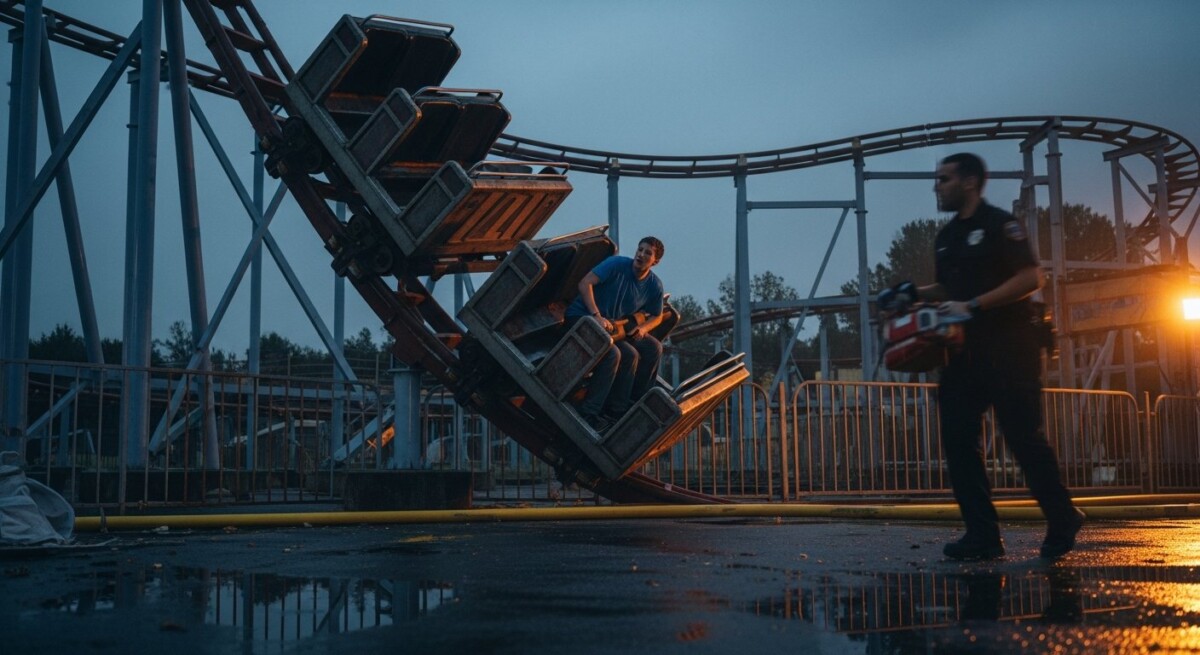
You step onto an amusement park ride expecting thrills, not a trip to the emergency room. But when a roller coaster stalls mid-loop or a spinning ride jerks violently, the experience can turn dangerous in seconds. A ride malfunction that causes injury raises urgent questions about medical bills, lost wages, and long-term pain. Understanding what happens next is critical because the path to compensation is rarely straightforward. This article walks you through the immediate steps after a ride malfunction injury, who may be liable, and how to protect your legal rights.
Immediate Steps After a Ride Malfunction Injury
The moments after an accident are chaotic, but your actions can shape the outcome of any future claim. Your health comes first, but preserving evidence and documenting the incident is equally important. Here is a practical framework to follow immediately after a ride malfunction causes injury.
First, seek medical attention right away. Even if you feel only minor discomfort, some injuries like whiplash or internal trauma take hours or days to surface. A doctor’s report creates a medical record linking your injuries directly to the ride malfunction. This documentation is vital for any insurance claim or lawsuit. Second, report the incident to park staff or ride operators. Ask for a written incident report and request a copy. Do not sign anything that admits fault or waives your right to sue. Third, gather evidence. Take photos of the ride, your injuries, and the surrounding area. Collect names and contact information from witnesses who saw what happened. Finally, preserve any clothing or personal items that may have been damaged during the incident.
If the ride malfunction caused injury at a theme park, carnival, or fair, the park may have security footage of the event. Request that the park preserve all video evidence immediately. Do not rely on verbal promises. Send a written request via email or certified mail to create a paper trail. In our guide on can I sue for injury in a train accident, we explain how preserving evidence early strengthens your case. The same principle applies here: documentation is your strongest ally.
Who Is Liable for a Ride Malfunction Injury?
Determining liability in a ride malfunction case is rarely simple. Multiple parties may share responsibility, and identifying the correct defendant is essential for a successful claim. The party or parties at fault depend on the specific circumstances of the malfunction.
The amusement park or ride operator is often the first entity considered. Parks have a legal duty to maintain rides in safe condition, follow manufacturer guidelines, and inspect equipment regularly. If the park failed to perform routine maintenance or ignored known safety issues, it may be liable for negligence. Ride manufacturers can also be held responsible if a design defect or manufacturing flaw caused the malfunction. For example, a faulty restraint system that releases mid-ride points to a design issue rather than operator error. Third-party maintenance companies hired to service the ride may bear liability if improper repairs or substandard parts contributed to the accident.
In some cases, the ride operator’s actions are the direct cause. An operator who overrides safety sensors, runs the ride at excessive speed, or fails to secure passengers properly can be personally liable. However, most states hold the park vicariously liable for employee negligence under the doctrine of respondeat superior. This means the park is responsible for its employees’ actions performed within the scope of their job duties.
What About Government-Owned Rides?
If the injury occurred on a ride at a municipally owned fair or public park, different rules apply. Government entities often have sovereign immunity protections that limit or cap damages. In such cases, you may need to file a notice of claim within a short window, sometimes as little as 30 to 90 days. Missing this deadline can bar you from recovering any compensation. An attorney experienced in municipal liability can help navigate these narrow exceptions.
Types of Compensation Available After a Ride Malfunction Injury
When a ride malfunction caused injury, the law allows you to seek compensation for both economic and non-economic damages. Economic damages cover tangible financial losses, while non-economic damages address the human cost of the injury. Understanding these categories helps you evaluate the full value of your claim.
Economic damages include medical expenses, both current and future. This covers emergency room visits, hospital stays, surgery, rehabilitation, physical therapy, and prescription medications. Lost wages and reduced earning capacity are also recoverable. If your injury prevents you from returning to your previous job or forces you to work fewer hours, you can claim the income you would have earned. Out-of-pocket costs such as transportation to medical appointments, home modifications, and assistive devices fall under this category as well.
Non-economic damages compensate for pain and suffering, emotional distress, loss of enjoyment of life, and permanent disfigurement or disability. These damages are subjective but can form a significant portion of a settlement or verdict. Some states cap non-economic damages in personal injury cases, particularly for claims against government entities. An attorney can advise you on the limits that apply in your jurisdiction.
Punitive damages are rare but possible in ride malfunction cases. Courts award punitive damages only when the defendant’s conduct was reckless, wanton, or intentionally harmful. For example, if park management knew about a recurring mechanical issue but continued operating the ride to avoid lost revenue, a jury may impose punitive damages to punish the behavior and deter future misconduct.
Here are key factors that influence the value of your claim:
- Severity and permanence of your injuries
- Clarity of evidence proving the malfunction caused the injury
- Whether the park or manufacturer was aware of prior safety complaints
- Presence of pre-existing conditions that may complicate the case
- Applicable state damage caps or liability limits
Each factor interacts with the others, and an experienced attorney can assess how they apply to your specific situation. Do not accept an early settlement offer without understanding the full scope of your damages. Insurance adjusters often offer lowball amounts hoping you will accept before consulting a lawyer.
How to Prove a Ride Malfunction Caused Your Injury
Proving that a ride malfunction caused your injury requires more than a story. You must present evidence that satisfies legal standards of causation. In most personal injury cases, the burden of proof is a preponderance of the evidence, meaning it is more likely than not that the malfunction caused the harm. Meeting this standard demands a strategic approach to evidence collection.
Expert testimony is often the cornerstone of a strong case. Mechanical engineers, safety inspectors, and accident reconstruction specialists can analyze the ride’s design, maintenance history, and failure mode. These experts can explain complex technical issues to a jury in plain language. They can also counter the defense’s arguments that the ride was properly maintained or that your injuries stemmed from pre-existing conditions.
Maintenance records are another critical piece of evidence. The park must keep logs of inspections, repairs, and parts replacements. If those records show gaps in maintenance or ignored warning signs, they can establish negligence. Similarly, manufacturer recall notices or safety bulletins about the same ride model can demonstrate that the manufacturer knew of a defect but failed to fix it.
Eyewitness testimony can corroborate your account of the event. Multiple witnesses who describe the same abnormal movement, loud noise, or sudden stop add credibility to your claim. Witness statements taken soon after the incident are usually more reliable than those gathered weeks later. If you have a friend or family member who saw the accident, ask them to write down what they remember while the details are fresh.
Medical records tie your injuries directly to the ride malfunction. Your treating physician can document the mechanism of injury, which is how the ride’s movement caused your specific harm. For example, a sudden deceleration can cause whiplash, and a doctor can explain the biomechanics of that injury to the court. If you delayed seeking treatment, the defense may argue that your injuries resulted from something else. Immediate medical care closes that loophole.
In our article on can I claim injury after a minor crash, we discuss how medical documentation and consistent treatment history strengthen a claim. The same principles apply to ride malfunction cases. Do not skip follow-up appointments or ignore your doctor’s recommendations, as gaps in treatment can be used against you.
Statute of Limitations and Filing Deadlines
Every state imposes a time limit for filing a personal injury lawsuit, known as the statute of limitations. For ride malfunction injuries, this deadline typically ranges from one to six years depending on the state. Most states allow two to three years from the date of injury. However, exceptions exist if the injured person is a minor, the government owns the ride, or the injury was not discovered immediately.
Filing a lawsuit after the statute of limitations expires almost always results in dismissal. You lose your right to sue permanently. This makes it essential to consult an attorney as soon as possible after a ride malfunction caused injury. An attorney can identify the correct deadline for your case and ensure all paperwork is filed on time.
If the ride was part of a traveling carnival or seasonal fair, additional urgency applies. The ride operator may leave the state soon after the event, making service of process more difficult. An attorney can file a lawsuit quickly to preserve your claim and secure jurisdiction over the out-of-state defendant.
Some parks require you to sign a waiver before boarding a ride. These waivers are not absolute shields against liability. Many states refuse to enforce waivers for gross negligence, recklessness, or defective equipment. A skilled lawyer can challenge the waiver’s validity and argue that it does not apply to a malfunction caused by the park’s failure to maintain the ride. As we discuss in can I claim injury as a rideshare passenger, waivers are often narrower than companies claim.
Frequently Asked Questions
What should I do if the park offers to pay my medical bills immediately?
Do not accept a quick payment without understanding the full extent of your injuries. Parks often offer immediate medical expense coverage in exchange for a release of liability. Once you sign that release, you cannot pursue additional compensation for lost wages, pain and suffering, or future medical costs. Consult an attorney before signing anything.
Can I sue if the ride malfunction caused injury but I signed a waiver?
Yes, in many cases. Waivers are not ironclad. Courts typically enforce waivers only for ordinary negligence, not for gross negligence or intentional misconduct. If the ride malfunction resulted from a known defect or reckless operation, the waiver may be invalid. An attorney can evaluate the waiver’s enforceability under your state’s laws.
How long do I have to file a lawsuit after a ride malfunction injury?
The statute of limitations varies by state, ranging from one to six years. Most states allow two to three years from the date of injury. If the ride was government-owned, a shorter notice period may apply. Contact an attorney promptly to determine your specific deadline.
Do I need an attorney for a ride malfunction injury claim?
Yes. Ride malfunction cases involve complex liability questions, multiple potential defendants, and technical evidence. Insurance companies for parks and manufacturers have experienced adjusters and lawyers working to minimize payouts. An attorney levels the playing field and maximizes your recovery. In our guide on can I sue for accident caused by road hazards, we highlight how legal representation improves outcomes in complex injury cases.
What if the ride malfunction caused injury at a traveling carnival?
Traveling carnivals present special challenges. The ride operator may be based in another state, and the carnival may move on quickly. An attorney can help you identify the proper defendant, secure jurisdiction, and preserve evidence before the carnival leaves town. Acting fast is critical in these cases.
Why Legal Representation Matters
Navigating a ride malfunction injury claim alone is risky. Parks and ride manufacturers have legal teams ready to dispute liability, challenge your evidence, and pressure you into a low settlement. An experienced personal injury attorney understands the tactics used to minimize payouts. They can negotiate with insurance companies, gather expert testimony, and take your case to trial if necessary.
Most personal injury attorneys offer free initial consultations and work on a contingency fee basis. This means you pay nothing upfront, and the attorney only gets paid if you recover compensation. This arrangement makes legal representation accessible even if you are facing mounting medical bills and lost income. Do not let financial concerns prevent you from seeking justice.
If a ride malfunction caused injury to you or a loved one, take action today. The legal process starts with a single step: contacting a qualified attorney who can evaluate your case and explain your options. You deserve full compensation for your injuries, and the law is on your side when negligence leads to harm.