Filing a Parking Lot Accident Claim: Your Legal Rights
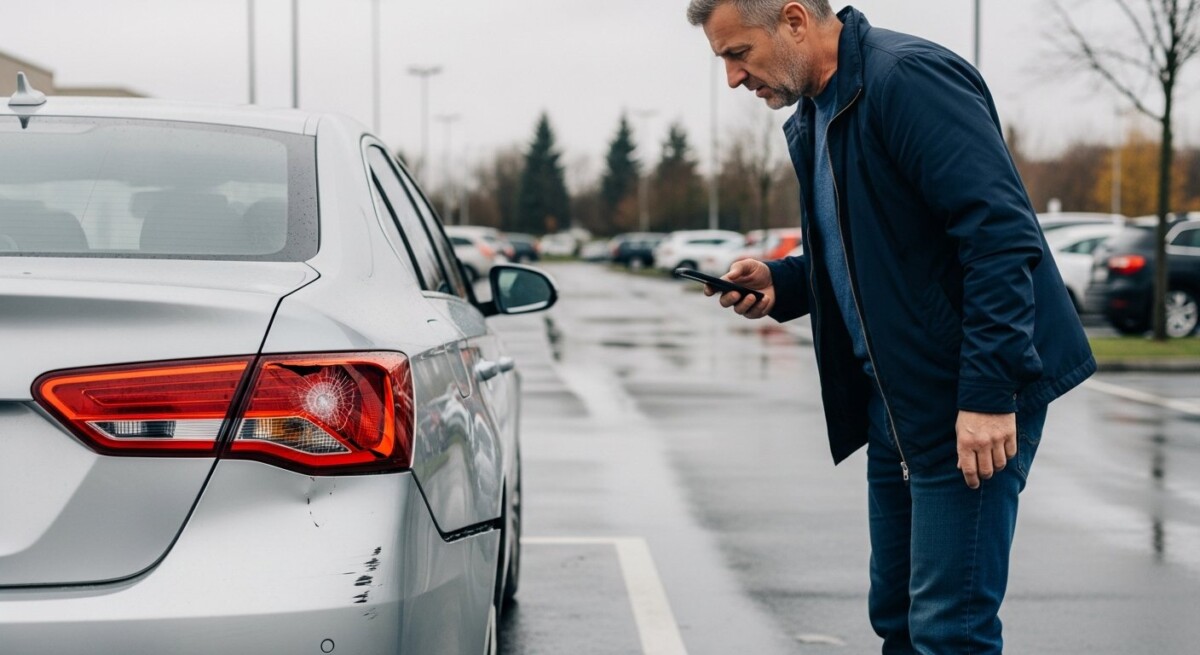
Imagine this: you are backing out of a parking space at a crowded shopping center when another driver suddenly reverses into your car. The impact is minor, but your bumper is damaged and your neck feels stiff. You exchange insurance information, but then a question lingers: can I file claim after accident in parking lot? The answer is yes in most cases, but parking lot accidents present unique challenges that differ from collisions on public roads. Understanding how liability works, what evidence you need, and how to navigate insurance company tactics can mean the difference between a fair settlement and paying out of pocket.
Parking lots are considered private property in many jurisdictions, which changes the legal rules that apply. However, insurance policies typically cover accidents that occur anywhere a vehicle is driven, including parking lots. The key is proving fault, which often depends on specific traffic patterns, right-of-way rules, and the actions of each driver. This article will walk you through every step of the process, from gathering evidence at the scene to negotiating with insurers, so you can make an informed decision about your claim.
How Liability Works in a Parking Lot Accident
Liability in a parking lot accident is not always straightforward. Unlike highway collisions where clear traffic laws apply, parking lot incidents often involve shared spaces, uncontrolled intersections, and unpredictable pedestrian movement. Most states follow a comparative or contributory negligence system, meaning your compensation can be reduced if you share any fault. For example, if you were speeding through a parking lot and another driver hit you while backing out, an insurance adjuster might assign 30 percent fault to you, reducing your settlement by that amount.
The most common parking lot accident scenarios include backing out of a space, merging into a main aisle, and collisions at intersections within the lot. Generally, the driver who is backing out has a duty to yield to traffic already moving in the aisle. If two cars are backing out at the same time, fault may be split equally. However, if a driver is parked illegally or blocks a lane, that driver may bear more responsibility. In our guide on claiming injury after a minor crash, we explain how even low-speed impacts can cause injuries that deserve compensation.
Steps to Take Immediately After a Parking Lot Accident
Your actions in the minutes and hours after a parking lot crash can significantly impact your ability to file a successful claim. The first priority is safety. Move your vehicle to a safe location if possible and check for injuries. Even if you feel fine, adrenaline can mask pain, so it is wise to seek medical evaluation. Next, call the police. Some people skip this step for minor fender benders, but a police report creates an official record that insurance companies take seriously. When the officer arrives, provide a factual account of what happened without admitting fault.
While waiting for law enforcement, gather as much evidence as you can. Take photos of both vehicles from multiple angles, including the damage, the license plates, and the surrounding area. Capture the parking lot layout, any skid marks, and nearby security cameras that might have recorded the incident. Ask witnesses for their contact information and a brief statement. Exchange insurance and contact details with the other driver, but do not discuss fault or settlement at the scene. Finally, report the accident to your own insurance company promptly, even if you are not sure whether you will file a claim.
Critical Evidence for Parking Lot Claims
Because parking lot accidents often lack clear-cut fault, evidence becomes your strongest tool. Security camera footage is invaluable, but it can be erased quickly if you do not request its preservation. Ask the property owner or manager to save all footage from the time of the accident. Many retail stores and shopping centers have cameras covering parking areas. If the business is uncooperative, your attorney can send a preservation letter. Additionally, dashcam footage from your vehicle or another driver can provide an objective view of the incident.
Medical documentation is equally important. Even if you think your injury is minor, see a doctor within 24 to 48 hours. Soft tissue injuries like whiplash can take days to manifest, and a delay in treatment gives insurers an excuse to claim your injuries were not caused by the accident. Keep all records, including emergency room visits, chiropractic adjustments, physical therapy sessions, and prescriptions. For more on documenting injuries, see our article on filing a claim after an accident on school premises, which outlines similar evidence strategies.
Dealing with Insurance Companies After a Parking Lot Crash
Insurance adjusters are trained to minimize payouts, and parking lot claims are often targets for lowball offers. They may argue that low-speed collisions cannot cause significant damage or injury, or they may try to shift blame onto you. When you speak with an adjuster, stick to the facts: describe the date, time, location, and the basic sequence of events. Do not speculate about what caused the accident, and never give a recorded statement without consulting a lawyer first. Insurers use recorded statements to find contradictions that can be used to deny or reduce your claim.
If the other driver is clearly at fault, you can file a claim against their insurance policy. However, if fault is disputed or the other driver is uninsured, you may need to use your own collision coverage or uninsured motorist coverage. Keep in mind that your insurance rates could increase if you file a claim under your own policy. A free case evaluation can help you weigh the pros and cons. At FreeLegalCaseReview.com, we connect you with attorneys who handle parking lot accident claims and can negotiate with insurers on your behalf.
Common Challenges in Parking Lot Accident Claims
One of the biggest hurdles in parking lot claims is the shared-fault issue. Because parking lots are congested and chaotic, insurance adjusters often try to assign a percentage of fault to each driver. In some states, if you are found to be 50 percent or more at fault, you may be barred from recovering any compensation. In others, your settlement is reduced by your percentage of fault. This is why having strong evidence and a clear narrative is essential.
Another challenge is proving injury from a low-impact collision. Parking lot accidents typically happen at speeds under 10 miles per hour, which can lead insurers to argue that the force was insufficient to cause harm. However, whiplash, concussions, and soft tissue injuries are common even in low-speed crashes. Medical experts and biomechanical engineers can testify that the human body is vulnerable to injury at low speeds, especially if the impact was sudden or unexpected. If you are dealing with a stubborn insurer, our post on filing a claim after an accident caused by faulty brakes discusses how to counter similar arguments.
When to Hire a Lawyer for a Parking Lot Accident Claim
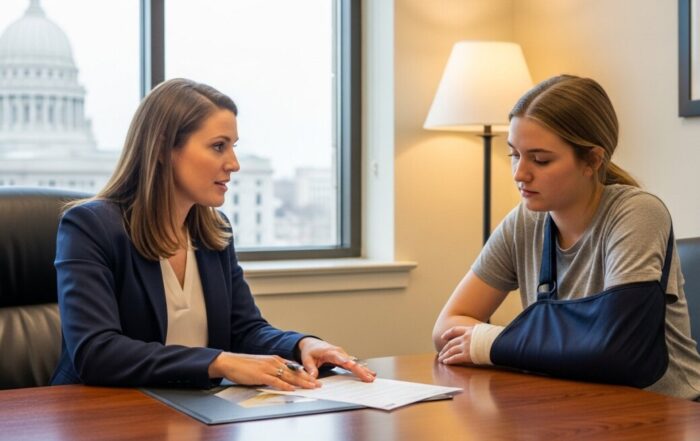
Not every parking lot accident requires a lawyer. If the damage is minor and both parties agree on fault, you may be able to handle the claim directly with the insurance company. However, you should consider legal representation if any of the following apply: there are injuries that require ongoing medical treatment, the insurance company disputes liability, the other driver is uninsured or underinsured, or you are being pressured to accept a quick settlement. A lawyer can evaluate your case, gather evidence, negotiate with insurers, and if necessary, file a lawsuit.
Most personal injury attorneys offer free initial consultations, and many work on a contingency fee basis, meaning they only get paid if you win. This arrangement allows you to pursue justice without upfront costs. For those who have suffered injuries during travel, our guide on filing a claim after an accident during vacation explains how jurisdiction and rental car policies can affect your case.
Frequently Asked Questions
Can I file a claim if the accident was my fault?
Yes, you can still file a claim with your own insurance company under your collision coverage. However, your rates may increase, and you will be responsible for your deductible. If the accident was partially your fault, your compensation from the other driver’s insurer may be reduced.
Do I need a police report for a parking lot accident?
While not always required, a police report is highly recommended. It provides an official account of the incident and can help resolve disputes about fault. Some insurance companies may deny a claim without a police report if the other driver disputes the facts.
What if the other driver leaves the scene?
A hit-and-run in a parking lot is illegal. If you have the other driver’s license plate number, report it to the police immediately. Your own uninsured motorist coverage may cover your damages, but you will need to act quickly to preserve evidence and identify the driver.
How long do I have to file a parking lot accident claim?
The statute of limitations varies by state, typically ranging from one to three years for personal injury claims and two to six years for property damage. However, it is best to file as soon as possible while evidence is fresh and witnesses are available.
Can I sue the parking lot owner?
In some cases, yes. If the accident was caused by a dangerous condition such as poor lighting, cracked pavement, or obstructed sight lines, the property owner may be partially liable. This is known as premises liability, and it requires proving that the owner knew or should have known about the hazard and failed to fix it.
Protecting Your Rights and Maximizing Your Recovery
Filing a claim after a parking lot accident is possible, but it requires diligence, patience, and the right strategy. From preserving evidence at the scene to navigating insurance adjuster tactics, every decision you make can affect the outcome. Remember that the question can I file claim after accident in parking lot has a positive answer in most circumstances, but success depends on proving fault and documenting your damages thoroughly. If you are unsure about your next steps, a free case evaluation can provide clarity. At FreeLegalCaseReview.com, we help you find an experienced attorney who can assess your case and fight for the compensation you deserve.