Delayed Landlord Repairs: Your Legal Rights and Options
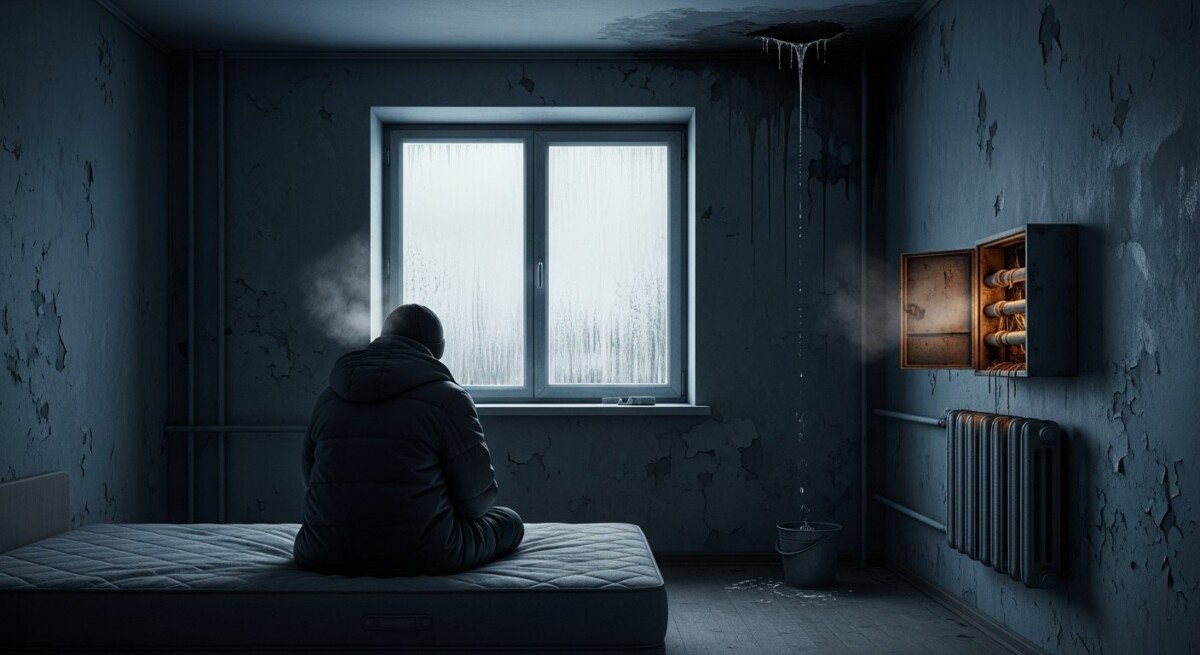
When your landlord delays necessary repairs, the situation can quickly escalate from an inconvenience to a serious threat to your health, safety, and financial stability. Understanding what happens if landlord delayed repairs is essential for protecting your legal rights and securing a habitable living environment. Whether the issue is a broken heating system, a leaking roof, or a pest infestation, the law generally requires landlords to make timely repairs. When they fail to do so, tenants are not powerless. This article explains the legal consequences for landlords, the steps tenants can take, and how to pursue compensation for damages caused by repair delays.
What Constitutes a Repair Delay Under the Law?
Not every maintenance issue triggers a legal obligation for immediate repair. The law distinguishes between minor cosmetic problems and defects that affect habitability. A repair delay becomes legally actionable when the issue substantially interferes with the tenant’s use and enjoyment of the property or poses a health or safety risk. Common examples include broken heating or air conditioning, water leaks that cause mold growth, electrical hazards, broken locks or security devices, and structural defects like holes in walls or floors.
The timeline for what constitutes a “delay” varies by state and by the severity of the issue. For emergencies such as a gas leak or no running water, most states require a response within 24 to 48 hours. For non-emergency repairs, a reasonable timeframe is typically 7 to 30 days, depending on state law and the nature of the repair. If the landlord knows about the problem and takes no action within this window, the tenant may have legal grounds to act. In our guide on what happens when insurance companies delay your payment, we explain similar principles of timely response and legal remedies.
Legal Remedies Available to Tenants
When a landlord fails to make timely repairs, tenants have several legal options. The specific remedies depend on state law, the lease agreement, and the severity of the delay. Below are the most common legal avenues.
Withholding Rent
Many states allow tenants to withhold rent until the landlord completes necessary repairs. However, this is not a simple process. Tenants must typically provide written notice of the defect, give the landlord a reasonable time to fix it, and then deposit the withheld rent into a separate escrow account. Simply stopping payment without following these steps can lead to eviction. Rent withholding is a powerful tool, but it requires strict adherence to state procedures.
Repair and Deduct
The repair-and-deduct remedy permits tenants to hire a qualified contractor to fix the issue and then deduct the cost from the next month’s rent. Again, notice to the landlord is critical. Most states require the tenant to give the landlord a written opportunity to make the repair first. The cost of the repair must be reasonable, and the tenant must provide the landlord with a copy of the receipt. This remedy works best for relatively minor repairs that do not exceed one or two months’ rent.
Terminating the Lease
If the repair delay makes the property uninhabitable, tenants in most states can terminate the lease without penalty. This is known as a constructive eviction. To claim constructive eviction, the tenant must prove that the landlord’s failure to repair made the premises unfit for living and that the landlord knew about the problem and failed to act. The tenant must also actually vacate the property within a reasonable time after the condition arises. This is a serious step and often requires legal advice before proceeding.
Suing for Damages
Tenants may also file a lawsuit against the landlord for damages caused by the repair delay. This can include compensation for property damage (like ruined furniture from a leak), medical bills if the delay caused health issues, and even emotional distress in severe cases. Some states also allow tenants to recover attorney’s fees and court costs if they win the case. In our article on what happens if symptoms appear later after injury, we discuss similar principles of proving causation and damages over time.
How to Document a Landlord’s Repair Delay
Strong documentation is the foundation of any legal claim against a landlord for delayed repairs. Without evidence, the tenant’s word alone is often insufficient in court or before a housing agency. Here are the key steps to building a solid case.
- Provide written notice: Always report repair issues in writing. Email is acceptable, but certified mail with return receipt provides the strongest proof of delivery. Keep copies of all correspondence.
- Take photographs and videos: Document the problem at the time you report it and again after a reasonable time passes without action. Time-stamped images are very helpful.
- Keep a log of communications: Note every time you contact the landlord, the method of contact, the date, and what was discussed. Save text messages and voicemails.
- Gather witness statements: If other tenants in the building have similar issues, their statements can corroborate your claim that the landlord is ignoring problems.
- Save receipts for expenses: If you pay for temporary repairs, hotel stays, or other costs due to the delay, keep every receipt. These may be recoverable in a lawsuit.
Once you have gathered this documentation, you can present it to a housing authority, a mediator, or an attorney. The more thorough your records, the stronger your position. If the repair delay causes an accident or injury on the property, you may also need to consult with a personal injury attorney. For example, if a broken step causes a fall, the delayed repair could form the basis of a negligence claim. In our post on what happens if city responsible for hazard, we explore similar liability issues for public entities.
What Happens if Landlord Delayed Repairs and You Are Injured?
When a landlord’s failure to repair a known hazard leads to a tenant’s injury, the landlord may be liable for negligence. This is one of the most serious outcomes of a repair delay. For example, if a landlord knows about a broken handrail on a staircase and does not fix it, and a tenant falls and breaks a leg, the landlord could be held responsible for medical expenses, lost wages, and pain and suffering. The key legal question is whether the landlord had notice of the defect and a reasonable opportunity to fix it.
Tenants injured by delayed repairs should seek medical attention immediately and then consult with a personal injury attorney. The attorney can help determine if the landlord’s delay rises to the level of negligence. In some states, landlords have a duty to inspect the property regularly and fix hazards even if the tenant does not specifically report them. If you were injured because of a repair delay, you may have a claim for compensation. The process of proving such a claim involves showing that the landlord knew or should have known about the hazard and that the delay in fixing it directly caused your injury. In our article on what happens if accident happened during travel key steps, we outline similar steps for documenting and pursuing injury claims.
Insurance Implications of Landlord Repair Delays
Landlord repair delays can also affect insurance coverage for both the landlord and the tenant. A landlord’s property insurance policy typically covers damage to the building and liability for injuries on the premises. However, if the insurer determines that the damage was caused by the landlord’s failure to maintain the property, the claim may be denied. This is known as a “maintenance exclusion.” For example, if a slow leak from a neglected pipe causes extensive mold damage, the insurance company might argue that the landlord’s delay in fixing the leak voided coverage.
For tenants, renters insurance may cover damage to personal property caused by a repair delay, such as water damage to electronics or furniture. However, renters insurance usually does not cover damage caused by the landlord’s negligence. Tenants should review their policy carefully and file a claim promptly if their belongings are damaged. If the insurance company delays or denies the claim, the tenant may need legal assistance to appeal. Understanding the intersection of landlord obligations and insurance law is complex, which is why consulting with a qualified attorney is often the best course of action.
State Law Variations and Local Housing Codes
Landlord repair obligations are governed primarily by state law and local housing codes. Some states have very specific timelines and procedures, while others rely on the common law warranty of habitability. For example, California law requires landlords to fix conditions that materially affect health and safety within a reasonable time, and tenants can withhold rent or repair and deduct after giving notice. New York has similar protections but also allows tenants to sue for a rent abatement for the period the unit was uninhabitable.
Local housing codes can impose additional requirements. Many cities have departments of housing or code enforcement that will inspect properties and issue citations for violations. Tenants can call the local housing authority to request an inspection. If the inspector finds a code violation, the landlord may be ordered to make repairs within a specific timeframe. Failure to comply can result in fines or even criminal charges. Tenants should research their local laws or consult with a tenant advocacy group to understand their specific rights.
Frequently Asked Questions
How long does a landlord have to make repairs?
The timeframe varies by state and the severity of the issue. Emergency repairs like no heat in winter or a gas leak typically require action within 24 to 48 hours. Non-emergency repairs usually allow 7 to 30 days after written notice. Check your state’s landlord-tenant laws for exact timelines.
Can I break my lease if repairs are not made?
Yes, in many states you can terminate the lease if the repair delay makes the unit uninhabitable. This is called constructive eviction. You must prove the landlord knew about the problem and failed to fix it, and you must actually move out within a reasonable time.
What if the landlord ignores my repair requests?
If the landlord ignores your requests, send a written notice by certified mail. If they still do not respond, you can escalate by contacting the local housing authority, withholding rent (following state procedures), or filing a lawsuit. An attorney can help you choose the best option.
Can I sue my landlord for emotional distress?
In some cases, yes. If the repair delay causes severe emotional distress, such as living in fear due to a broken lock or suffering from mold-related anxiety, you may be able to claim damages for emotional distress. This requires strong evidence and often expert testimony.
Do I need a lawyer for a repair delay dispute?
While not always required, a lawyer can significantly improve your chances of a favorable outcome, especially if you are suing for damages or facing eviction. Many tenant attorneys offer free consultations and work on a contingency fee basis for injury cases.
If you are dealing with a landlord who refuses to make repairs and you have suffered harm as a result, you do not have to face this alone. FreeLegalCaseReview.com can connect you with qualified attorneys who specialize in landlord-tenant disputes and personal injury claims. A no-obligation case evaluation can help you understand your options and take the first step toward holding your landlord accountable. Contact us today to discuss your situation and learn how we can help.