Can I Claim Injury From an Electric Bike Accident
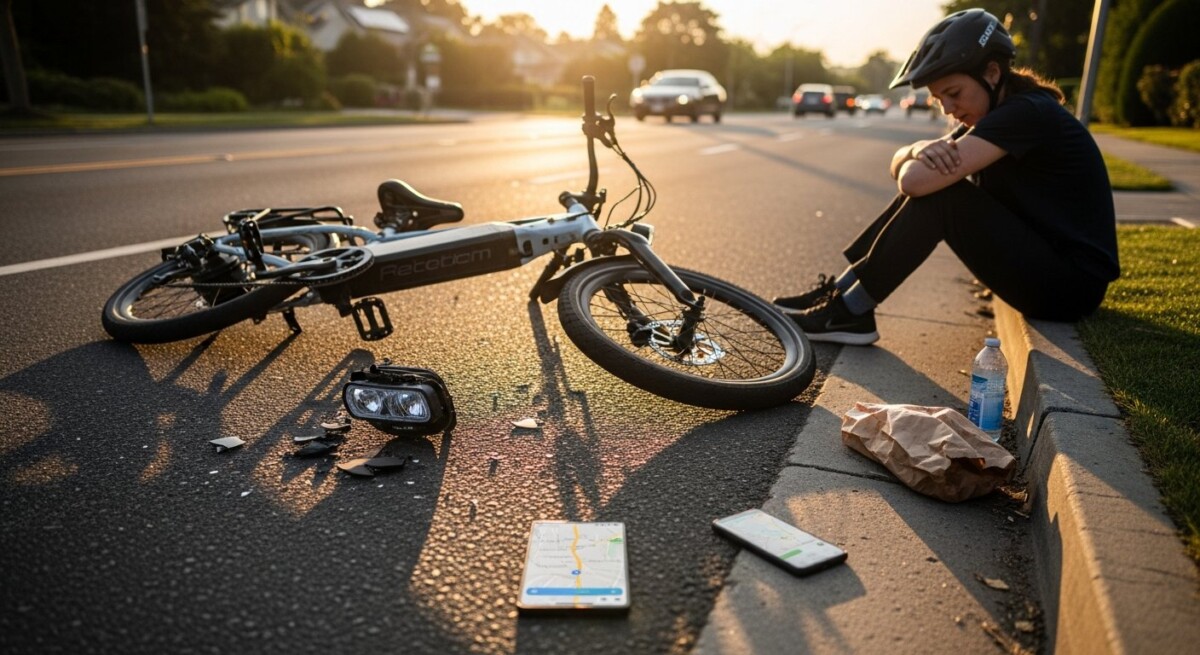
Electric bikes have surged in popularity across the United States, offering a fast, eco-friendly way to commute and explore. However, with more e-bikes on the road, accidents are becoming increasingly common. If you have been injured while riding an electric bike, you may be wondering: can I claim injury from an electric bike accident? The short answer is yes, you can pursue compensation, but the process involves unique legal considerations that differ from traditional bicycle or car accident claims. Understanding your rights, the types of damages available, and the steps to build a strong case is essential for maximizing your recovery.
Electric bike accidents can result in serious injuries, including fractures, traumatic brain injuries, spinal cord damage, and road rash. Because e-bikes can reach higher speeds than conventional bicycles, the force of impact in a crash is often greater, leading to more severe harm. In many cases, the injured rider faces mounting medical bills, lost wages, and long-term rehabilitation costs. The legal system allows you to seek compensation from any party whose negligence contributed to the accident, whether that is a motorist, a municipality, or even the manufacturer of the e-bike itself. The key is proving that someone else’s fault caused your injury.
Before diving into the specifics of an e-bike injury claim, it is important to recognize that these cases often fall into a gray area of traffic law. Some states classify electric bikes as bicycles, while others treat them more like mopeds or motor vehicles. This classification affects where you can ride, whether you need a license, and how insurance applies. Despite these variations, the fundamental principle of personal injury law remains the same: if another party’s negligence caused your accident, you have the right to seek compensation. In our guide on can I claim injury after a public transport accident, we explain how similar liability principles apply across different accident types.
Understanding Liability in Electric Bike Accidents
Liability is the legal foundation of any personal injury claim. To successfully claim injury from an electric bike accident, you must identify the responsible party and prove that they acted negligently. Negligence occurs when someone fails to exercise reasonable care, and that failure directly causes your injuries. In e-bike accidents, several parties may share liability depending on the circumstances.
The most common liable party is a motor vehicle driver. If a car hits you while you are riding your e-bike, the driver’s negligence such as distracted driving, speeding, or failing to yield is often the cause. You can file a claim against the driver’s auto insurance policy. However, because e-bikes are not always considered motor vehicles, some insurance companies may try to minimize your claim by arguing that you should have been riding on a bike path or that you were not entitled to full coverage. A skilled attorney can counter these arguments by presenting evidence of the driver’s fault.
Another potential liable party is the government entity responsible for maintaining roads. If your accident was caused by a pothole, uneven pavement, debris, or a malfunctioning traffic signal, you may have a claim against the city or county. These cases are subject to strict deadlines and procedural requirements, known as sovereign immunity laws. You generally must file a notice of claim within a short window, often 90 to 180 days. Missing this deadline can bar you from recovering any compensation, so it is critical to act quickly.
Manufacturer liability is another avenue to explore. If your e-bike had a defective component such as brakes that failed, a battery that exploded, or a frame that cracked you may have a product liability claim. In these cases, you do not need to prove negligence; you only need to show that the product was unreasonably dangerous when used as intended. This can be a powerful legal strategy, especially if the defect was widespread. Similarly, if a repair shop performed faulty maintenance that led to the accident, the shop may be liable for negligence.
Finally, you may share some liability if you were not wearing a helmet, were riding recklessly, or violated traffic laws. Under comparative negligence rules, your compensation may be reduced by your percentage of fault. For example, if you are found to be 20 percent at fault for speeding, your damages would be reduced by 20 percent. In some states, if you are more than 50 percent at fault, you may be barred from recovering anything. This is why it is crucial to present a clear narrative that minimizes your own fault and emphasizes the other party’s negligence.
Types of Damages You Can Recover
If you can prove liability, you are entitled to recover both economic and non-economic damages. Economic damages are tangible financial losses that can be calculated with receipts and records. These include medical expenses (hospital bills, surgery costs, physical therapy, medication), lost income from time off work, and property damage (repair or replacement of your e-bike and gear). Future medical costs and lost earning capacity are also included if your injuries require ongoing treatment or prevent you from returning to your previous job.
Non-economic damages are more subjective but equally important. They compensate you for pain and suffering, emotional distress, loss of enjoyment of life, and disfigurement. For example, if a severe leg injury prevents you from cycling as a hobby or playing with your children, you can seek compensation for that loss. These damages are often calculated using a multiplier method, where your economic damages are multiplied by a factor (usually 1.5 to 5) based on the severity of your injuries. In catastrophic injury cases, the multiplier can be higher.
Punitive damages are rare in e-bike accident cases but may be awarded if the defendant’s conduct was especially reckless or malicious, such as a drunk driver who caused the crash. Punitive damages are designed to punish the wrongdoer and deter similar behavior, not to compensate the victim. They are subject to caps in many states and are not available in every jurisdiction.
Steps to Take After an Electric Bike Accident
Taking the right steps immediately after an accident can make or break your claim. The first priority is your health. Call 911 and seek medical attention, even if you think your injuries are minor. Adrenaline can mask pain, and some injuries such as internal bleeding or concussions may not show symptoms for hours. A prompt medical evaluation creates a record linking your injuries to the accident, which is vital for your claim.
Once you are safe, gather evidence at the scene if possible. Take photos of your e-bike, the other vehicle involved, the road conditions, any traffic signs or signals, and your visible injuries. Get the names, phone numbers, and insurance information of any witnesses. If a driver hit you, obtain their license plate number and insurance details. Do not discuss fault at the scene. Simply exchange information and wait for the police to arrive. The police report will be an important piece of evidence, as it contains an objective account of the accident.
After the accident, you should:
- Keep all medical records, bills, and receipts related to your treatment.
- Document your recovery process, including pain levels, missed work days, and how the injury affects your daily life.
- Do not post about the accident on social media, as insurance companies can use your posts against you.
- Contact a personal injury attorney who has experience with e-bike cases.
Your attorney will handle communications with insurance companies, gather additional evidence, and calculate the full value of your claim. Insurance adjusters often try to settle quickly for far less than your case is worth. They may argue that e-bike riders assume a higher risk of injury simply by riding. An attorney can counter this by showing that your accident was caused by someone else’s negligence, not by the inherent risks of e-biking. In our article on can I claim injury from a broken stairs accident, we discuss how assumption of risk is handled in different injury contexts.
Insurance Considerations for E-Bike Riders
Insurance coverage is one of the most complex aspects of e-bike injury claims. Unlike car accidents, where the at-fault driver’s liability insurance typically covers your damages, e-bike accidents may involve multiple policies. If a motorist hits you, their auto liability insurance should cover your medical bills and lost wages. However, if the motorist is uninsured or underinsured, you may need to rely on your own insurance policies.
Your homeowners or renters insurance may provide some coverage for e-bike accidents that occur on your property, but it rarely covers crashes on public roads. Some insurance companies now offer specialized e-bike insurance policies that cover theft, damage, and liability. If you have a personal injury protection (PIP) policy on your auto insurance, it may cover your medical expenses regardless of who was at fault, depending on your state’s laws. This is known as no-fault coverage and can be a crucial safety net.
If the e-bike accident was caused by a defective product, the manufacturer’s product liability insurance is the source of compensation. These claims are often handled by large insurance companies with deep resources, so having an attorney is essential to level the playing field. In some cases, you may also have a claim against the retailer or distributor who sold the defective e-bike.
It is worth noting that many e-bike riders do not carry their own medical payments coverage or uninsured motorist coverage. If you are hit by a hit-and-run driver or an uninsured motorist, you could be left paying out of pocket without these protections. Reviewing your existing insurance policies and considering additional coverage is a smart step for any regular e-bike rider.
Common Defenses Insurance Companies Use
Insurance companies are in the business of minimizing payouts. When you claim injury from an electric bike accident, adjusters will scrutinize every detail to find reasons to deny or reduce your claim. One common defense is that you assumed the risk by choosing to ride an e-bike. They may argue that e-bikes are inherently dangerous and that you accepted that danger when you got on the bike. However, this defense fails if the accident was caused by someone else’s negligence rather than the normal risks of riding.
Another frequent defense is that you violated traffic laws. If you ran a red light, rode on the sidewalk where prohibited, or failed to yield, the insurance company will argue that your own negligence caused the accident. This is where comparative negligence rules come into play. Even if you were partially at fault, you may still recover damages, but the amount will be reduced. Your attorney can present evidence to shift more fault onto the other party.
Insurance companies also attack the severity of your injuries. They may request an independent medical examination or argue that your pre-existing conditions are the real cause of your pain. To counter this, you need consistent medical treatment and thorough documentation linking your injuries to the accident. Delaying treatment or missing appointments can be used as evidence that your injuries are not serious. For more insight on how liability is established in complex scenarios, check out our guide on can I claim injury from an illegal turn accident.
When to Hire an Attorney
While it is possible to handle a minor e-bike accident claim on your own, hiring an attorney is strongly recommended for any injury that requires medical treatment or results in lost work. An experienced personal injury lawyer understands the nuances of e-bike laws in your state, knows how to value your claim, and can negotiate with insurance companies on your behalf. Most personal injury attorneys work on a contingency fee basis, meaning they only get paid if you win your case. This arrangement allows you to pursue justice without upfront costs.
Your attorney will also handle the legal paperwork, deadlines, and court filings. If your case goes to trial, having a lawyer is essential for presenting evidence, cross-examining witnesses, and arguing your case to a jury. Even if your case settles out of court, an attorney can often secure a higher settlement than you could achieve alone. Studies show that injury victims with legal representation recover, on average, three to four times more compensation than those who go it alone.
If you are unsure whether you have a valid claim, most attorneys offer free initial consultations. During this meeting, you can discuss the details of your accident, ask questions about your legal options, and get a sense of the potential value of your case. There is no obligation to hire the attorney, so it is a low-risk way to gain clarity. In our article on can I claim injury in an amusement park accident, we explore similar considerations for premises liability cases.
Frequently Asked Questions
Can I claim injury from an electric bike accident if I was not wearing a helmet?
Yes, you can still file a claim. However, if your state has a mandatory helmet law, not wearing a helmet may reduce your compensation because it could be considered comparative negligence. The insurance company may argue that your injuries would have been less severe if you had worn a helmet. Your attorney can counter this by presenting medical evidence that your specific injuries would not have been prevented by a helmet.
Do I need a license to ride an electric bike?
In most states, no license is required for low-speed e-bikes that do not exceed 20 mph. However, some states classify faster e-bikes as mopeds and require a driver’s license, registration, and insurance. Check your state’s laws to ensure compliance, as riding without the proper license could affect your claim.
Can I sue if the accident was caused by a pothole?
Yes, you may have a claim against the government entity responsible for road maintenance. These claims have strict deadlines and notice requirements, so consult an attorney as soon as possible. You will need to prove that the government knew about the pothole and failed to fix it within a reasonable time.
How long do I have to file a claim?
The statute of limitations for personal injury claims varies by state, typically ranging from one to three years from the date of the accident. For claims against government entities, the deadline is often much shorter, sometimes as little as 90 days. Do not delay in seeking legal advice.
What is my case worth?
The value of your case depends on the severity of your injuries, the amount of medical expenses, lost wages, pain and suffering, and the strength of the liability evidence. An attorney can provide a more accurate estimate after reviewing your medical records and the accident details.
If you have been injured in an e-bike accident, do not wait to explore your legal options. The sooner you act, the better your chances of preserving evidence and building a strong case. Many firms offer free consultations, so you can learn about your rights without any financial risk. Call us at (833) 227-7919 for a free case evaluation and take the first step toward securing the compensation you deserve.