Free Injury Claim Eligibility Check: What You Must Know
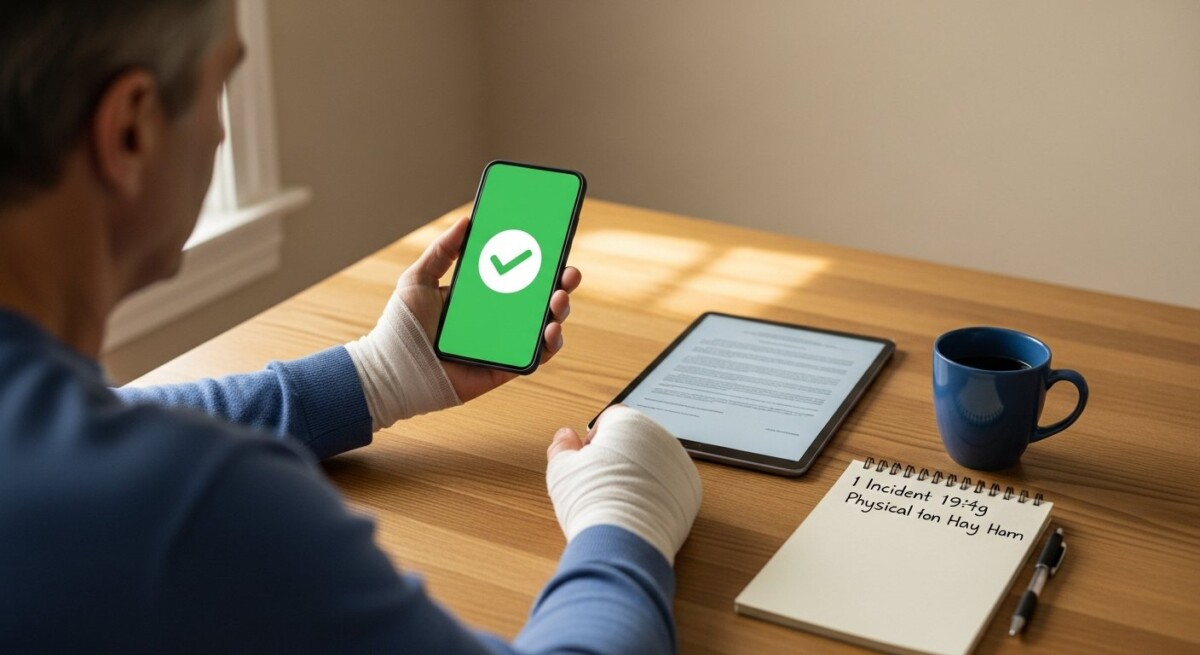
If you have been hurt in an accident, the first question that often comes to mind is whether you qualify for compensation. Many people delay taking action because they are unsure about their legal standing or worry about the cost of a lawyer. The good news is that you can perform an injury claim eligibility check free of charge before committing to anything. This initial step can save you time, reduce stress, and help you understand your rights without any financial risk.
An eligibility check is not a formal legal filing. It is a preliminary review of your situation to determine if you have a viable case. This process typically involves sharing basic details about the accident, your injuries, and the parties involved. A qualified attorney or legal service then evaluates whether the law supports your claim. Because this assessment is offered at no cost, it removes the barrier of upfront fees and allows you to explore your options with confidence.
Understanding what makes a claim eligible is crucial. Factors such as the type of injury, the location of the accident, and the applicable statute of limitations all play a role. For example, a slip and fall on someone else’s property may hinge on whether the property owner knew about the hazard. Similarly, a car accident claim depends on proving negligence on the part of the other driver. By conducting a free eligibility check, you can identify these elements early and avoid wasting time on cases that lack legal merit.
Why a Free Eligibility Check Matters
Many accident victims assume they cannot afford legal advice. This misconception often leads to missed opportunities for compensation. A free injury claim eligibility check levels the playing field by giving everyone access to professional guidance regardless of their financial situation. It also helps you decide whether pursuing a claim is worth the effort.
When you use a free service, you are not obligated to hire the attorney who reviews your case. You remain in control of the decision. The purpose is simply to gather information so you can make an informed choice. If the eligibility check reveals a strong case, you can proceed with confidence. If it indicates weaknesses, you can adjust your strategy or decide not to pursue the matter at all. Either way, you have gained clarity without spending a dime.
Another key benefit is that a free eligibility check can uncover hidden opportunities. For instance, you might not realize that your injury qualifies under a mass tort lawsuit or that multiple parties share liability. In our guide on claiming injury after a minor crash, we explain how even seemingly minor accidents can lead to significant compensation when the right legal approach is applied. A free check ensures you do not overlook these possibilities.
How to Perform an Injury Claim Eligibility Check Free
Conducting a free eligibility check is straightforward. Most legal platforms and personal injury firms offer online forms or phone consultations. Here are the typical steps involved:
- Provide basic information: You will need to share the date and location of the accident, a brief description of what happened, and the nature of your injuries.
- Describe medical treatment: Details about any medical care you received, including emergency room visits, diagnostic tests, or ongoing therapy, help determine the severity of your case.
- Identify the responsible party: If you know who caused the accident, mention it. This could be a driver, a property owner, a manufacturer, or a healthcare provider.
- Submit for review: Once you submit the information, a legal professional or automated system evaluates your eligibility based on state laws and common legal standards.
After submission, you typically receive a response within 24 to 48 hours. The response will indicate whether your case appears valid and may include suggestions for next steps. Some services also provide a recommended list of attorneys who specialize in your type of claim. This streamlined process saves you from having to research laws or contact multiple lawyers on your own.
It is important to note that a free eligibility check is not a guarantee of a payout. It is an initial screening. The final outcome of your case depends on evidence, legal arguments, and sometimes negotiations or court rulings. However, the check gives you a realistic picture of your chances and helps you decide whether to invest further time and resources.
Key Factors That Determine Eligibility
Not every injury leads to a valid legal claim. Several factors influence whether you can pursue compensation. Understanding these elements can help you prepare for your free eligibility check and ask the right questions.
Negligence and Liability
Most personal injury claims are based on negligence. This means you must show that another party owed you a duty of care, breached that duty, and caused your injury as a result. For example, a driver who runs a red light breaches their duty to other motorists. A store owner who fails to clean a spill breaches their duty to customers. If negligence cannot be proven, your claim may not be eligible.
Statute of Limitations
Every state sets a deadline for filing injury claims. This time limit, called the statute of limitations, varies by state and by the type of claim. In California, for instance, you generally have two years from the date of injury to file a personal injury lawsuit. In New York, the limit is three years. Missing this deadline can permanently bar you from recovering compensation. A free eligibility check will confirm whether you still have time to act.
Severity of Injury
Minor injuries that heal quickly often do not support large claims. However, injuries that require surgery, hospitalization, or long-term rehabilitation are more likely to qualify. Additionally, injuries that cause permanent disability or disfigurement typically result in higher settlement values. During your free check, be honest about the full extent of your injuries to receive an accurate assessment.
Insurance Coverage
The availability of insurance coverage also affects eligibility. If the at-fault party has no insurance or insufficient coverage, recovering compensation can be difficult. Some states require uninsured motorist coverage, which can help in these situations. A free eligibility check can identify whether insurance limits might pose a problem and suggest alternative sources of recovery.
Common Scenarios for Free Eligibility Checks
Free eligibility checks are useful for a wide range of accident types. Whether you were injured in a car crash, a slip and fall, or an incident involving a defective product, the process remains largely the same. For example, if you were struck while walking, our article on claiming injury from a pedestrian accident outlines how liability is established and why a free check is especially valuable in these cases.
Another common scenario involves accidents with commercial vehicles. Trucks, buses, and delivery vans are subject to federal regulations that can complicate claims. In our piece on claiming injury after an accident with a commercial vehicle, we detail how multiple parties such as the driver, the trucking company, and the vehicle manufacturer may share responsibility. A free eligibility check helps sort through these complex layers.
Workplace injuries are also frequently evaluated through free checks. While workers’ compensation often covers on-the-job accidents, there are exceptions. If a third party (not your employer) caused the injury, you may have a separate personal injury claim. A free eligibility check can distinguish between workers’ comp and third-party liability, ensuring you pursue all available avenues.
What Happens After a Free Eligibility Check
Once you receive the results of your free eligibility check, you have several options. If the check indicates a strong case, the next step is usually to hire an attorney. Many personal injury lawyers work on a contingency fee basis, meaning they only get paid if you win. This arrangement aligns with the spirit of a free eligibility check, because you pay nothing upfront.
If the check shows that your case is weak, you may decide to drop the matter or gather more evidence. Sometimes, additional documentation or witness statements can strengthen a borderline case. The free check should not be the final word but rather a starting point for further investigation.
Legal platforms like FreeLegalCaseReview.com offer a patented attorney selection process that matches you with top professionals based on your specific needs. These services are designed to streamline the journey from eligibility check to case resolution. For more details on how this process works, see our resource on claiming injury after a minor crash, which includes insights on selecting the right lawyer.
Frequently Asked Questions
Is a free injury claim eligibility check really free?
Yes. Legitimate legal platforms and law firms offer this service at no cost to you. There are no hidden fees or obligations. The goal is to provide you with information so you can make an informed decision about your legal options.
How long does a free eligibility check take?
Most online forms take less than 10 minutes to complete. Responses are typically sent within 24 to 48 hours, though some services may respond sooner.
Do I need a lawyer to perform an eligibility check?
No. You can use an online tool or call a legal referral service to get an initial assessment. However, having a lawyer review your case adds professional insight and increases accuracy.
What information do I need for a free check?
You will generally need the accident date, a description of the incident, details about your injuries and medical treatment, and the name of the party you believe is at fault.
Can a free eligibility check guarantee I will win my case?
No. The check is a preliminary assessment based on the information you provide. It cannot predict the outcome of a trial or settlement negotiations. It simply indicates whether your case has legal merit.
What if I missed the statute of limitations?
If the deadline has passed, most free eligibility checks will inform you that your claim is time-barred. In rare cases, exceptions such as the discovery rule may apply, but generally you cannot file a claim after the statute has expired.
Taking the first step toward a potential claim does not have to be intimidating or expensive. An injury claim eligibility check free of charge gives you the power to assess your situation without risk. Whether you decide to move forward or not, the knowledge you gain is invaluable. If you are ready to explore your options, contact our team at (833) 227-7919 for a confidential, no-obligation evaluation. Understanding your rights is the first step toward recovery.