When a City Ignores Complaints: Legal Rights and Next Steps
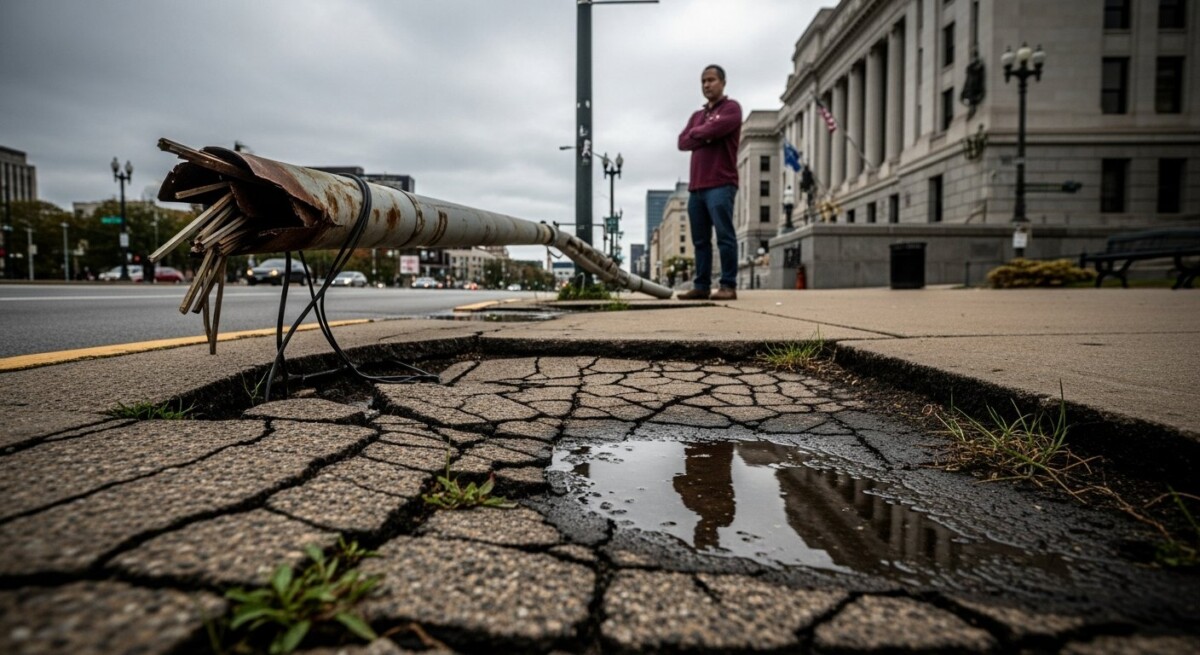
Imagine you report a dangerous pothole, a broken traffic light, or a cracked sidewalk to your city government. You file the complaint, wait weeks, and nothing happens. Then someone gets hurt. When a city ignores complaints, the consequences can be severe, and the question of legal accountability becomes critical. This scenario plays out in communities across the United States every day, leaving injured residents wondering what recourse they have against a municipality that failed to act.
Municipal governments have a duty to maintain public spaces and infrastructure. When they receive notice of a hazard and do nothing, they may be held liable for resulting injuries. However, suing a city is not the same as suing a private individual or business. Special rules, notice requirements, and immunity protections apply. Understanding these legal nuances is essential if you or a loved one has been harmed because a city ignored complaints about a dangerous condition.
The Duty of Municipalities to Respond to Complaints
Cities and towns are responsible for keeping roads, sidewalks, parks, and other public areas reasonably safe. This duty includes responding to complaints about hazards like uneven pavement, missing guardrails, malfunctioning traffic signals, or debris on the road. When a city receives a formal complaint, it creates a record. That record can become critical evidence in a personal injury claim because it shows the city had knowledge of the danger.
In many jurisdictions, the key factor is whether the city had actual or constructive notice of the hazard. Actual notice means someone reported the problem directly. Constructive notice means the problem existed for so long that the city should have known about it. If a city ignored complaints, it almost always satisfies the actual notice requirement. This shifts the burden to the municipality to explain why it did not fix the problem in a reasonable time.
For example, if a resident files a complaint about a broken water meter cover on June 1, and a child trips and injures herself on that same cover on July 15, the city cannot claim ignorance. The complaint provides clear evidence that the city knew about the danger and chose not to address it. This knowledge is the foundation of a premises liability claim against a municipality.
Legal Theories for Holding a City Accountable
When a city ignores complaints and someone gets hurt, the injured party may pursue a claim under several legal theories. The most common is negligence. To prove negligence, you must show that the city owed a duty of care, breached that duty, and that the breach directly caused your injuries. A complaint that went unanswered is strong evidence of a breach.
Another theory is the public nuisance doctrine. A public nuisance occurs when a condition interferes with the public’s right to use a space safely. If a city allows a hazard to persist after complaints, it may be liable for creating or maintaining a nuisance. Some states also recognize a claim for failure to warn. If the city knew about a hazard but did not post warning signs or barriers, that failure can be an independent basis for liability.
In our guide on what happens if city responsible for hazard, we explain how these legal theories apply in real cases. The key takeaway is that documentation matters. Every complaint filed, every email sent, and every phone call logged creates a paper trail that can hold the city accountable.
Notice Requirements: A Critical Hurdle
Before you can sue a city for ignoring complaints, you must comply with strict notice requirements. Most states have a statute that requires you to file a formal notice of claim with the city within a short time after the injury, often 90 to 180 days. Missing this deadline can permanently bar your claim, no matter how strong the evidence.
The notice of claim must include specific details: the date and location of the incident, a description of the hazard, the nature of your injuries, and the amount of damages you are seeking. Some cities also require you to provide copies of any complaints you filed before the accident. This is where the city’s own failure to respond becomes your best evidence.
It is wise to consult an attorney experienced in municipal liability as soon as possible after the injury. An attorney can help you prepare the notice correctly and ensure it is delivered to the right department. Many cities have complex bureaucratic structures, and sending the notice to the wrong office can also result in a denial of your claim.
Government Immunity and Its Exceptions
One of the biggest obstacles in cases where a city ignored complaints is government immunity. Historically, cities were immune from lawsuits because they were considered extensions of the state. Today, most states have waived immunity for certain types of claims, but exceptions remain. For example, a city may be immune from liability for decisions that involve discretionary functions, like choosing where to install a stop sign.
However, once a city receives a complaint about a specific hazard, its duty shifts from a discretionary planning function to a ministerial maintenance function. A ministerial duty is one that must be performed without judgment or discretion. Fixing a known pothole or repairing a broken sidewalk is ministerial. If the city fails to perform this duty after receiving notice, immunity often does not apply.
Courts have repeatedly held that a city cannot hide behind immunity when it had actual knowledge of a danger and did nothing. The complaint itself strips away the protection. This is why documenting your complaints is so important. Without that documentation, the city can argue that it never knew about the problem and therefore had no duty to act.
Steps to Take After an Injury Caused by a City’s Inaction
If you or a family member has been injured because a city ignored complaints about a hazard, take the following steps immediately. These actions will protect your legal rights and strengthen your potential claim.
1. Seek Medical Attention
Your health comes first. Get a full medical evaluation even if your injuries seem minor. Some injuries, like soft tissue damage or concussions, may not appear until days later. Medical records also serve as crucial evidence linking your injuries to the accident.
2. Document the Hazard
Return to the scene as soon as it is safe. Take photographs and videos of the condition that caused your injury. Capture the hazard from multiple angles and include landmarks that show the exact location. If possible, include a date stamp in your photos. Also record the condition of the area around the hazard, as this may show how long the problem existed.
3. Gather Evidence of Prior Complaints
This is the most important step. Collect every complaint you or others filed about the hazard. This includes:
- Copies of online reports submitted to the city’s 311 system or website
- Emails sent to city officials or departments
- Phone logs showing calls to city offices
- Letters or written correspondence
- Photos or videos taken before the accident showing the same hazard
- Statements from neighbors or witnesses who also reported the problem
Each piece of evidence shows that the city had notice and chose not to act. The more documentation you have, the harder it is for the city to deny liability. In cases where a city ignored complaints, the volume and frequency of complaints can demonstrate a pattern of neglect that strengthens your claim.
4. Contact a Personal Injury Attorney
Municipal liability cases are complex and time-sensitive. An experienced attorney can navigate the notice requirements, identify all possible defendants (such as the city, county, or a specific department), and negotiate with the city’s legal team. Many attorneys offer free initial consultations, and they typically work on a contingency fee basis, meaning you pay nothing unless you recover compensation.
For more information on finding the right legal help, read our article on how to find the best lawyers in Kansas City. While the article focuses on Kansas City, the principles apply nationwide.
Compensation Available in Municipal Liability Cases
If your claim succeeds, you may be entitled to several types of compensation. Economic damages cover tangible losses like medical bills, lost wages, and future medical care. Non-economic damages compensate for pain, suffering, and reduced quality of life. Some states also allow punitive damages if the city’s conduct was particularly reckless or egregious, though these are rare against government entities.
It is important to note that many states cap the amount of damages you can recover from a municipality. These caps vary widely. Some states limit non-economic damages to a fixed dollar amount, while others tie the cap to the size of the city or the nature of the claim. An attorney can help you understand the specific limits in your state and strategize accordingly.
Even with caps, a settlement or judgment can provide meaningful financial relief. Medical bills, rehabilitation costs, and lost income can quickly overwhelm a family. Holding the city accountable also sends a message that ignoring complaints has consequences, which can improve safety for the entire community.
Frequently Asked Questions
Can I sue the city if I didn’t file a complaint before the accident?
Yes, but it is harder. Without a prior complaint, you must prove that the city had constructive notice, meaning the hazard was so obvious or existed for so long that the city should have known about it. Evidence like photos, witness statements, and records of previous accidents at the same location can help establish constructive notice.
How long do I have to sue a city after an injury?
The deadline varies by state, but it is typically shorter than the statute of limitations for other personal injury claims. Many states require you to file a notice of claim within 90 to 180 days. After that, you may have one to two years to file a lawsuit. Missing the notice deadline can terminate your claim entirely.
What if the city claims it had no funds to fix the hazard?
Lack of funding is generally not a valid defense. Cities have a duty to prioritize public safety and allocate resources accordingly. If the city received complaints and chose to spend money on other projects instead, it may still be liable for the resulting injuries. Courts have rejected the “no money” defense in many cases.
Does government employee immunity apply to city workers?
Individual city employees may have qualified immunity for discretionary acts, but they can be held liable for ministerial tasks like fixing a known hazard. In most cases, the lawsuit is filed against the city itself, not the individual employee. However, if an employee actively concealed a complaint or lied about fixing it, that employee could face personal liability.
Can I still recover if the accident was partly my fault?
Yes, under comparative negligence rules. Most states allow you to recover damages even if you were partially at fault, as long as your fault is less than 50% (or in some states, less than 100%). Your compensation is reduced by your percentage of fault. For example, if you were 20% at fault and your damages are $100,000, you would receive $80,000.
For a deeper dive into this topic, see our comprehensive guide on how a Kansas City personal injury lawyer can maximize your recovery. The strategies discussed there apply to municipal claims as well.
When a city ignores complaints, the consequences can be devastating. But the law provides a path to justice. By documenting the hazard, preserving evidence of your complaints, and acting quickly, you can hold the city accountable and secure the compensation you need to recover. The key is to act fast, because time is not on your side. Contact a qualified personal injury attorney today to discuss your case and explore your options.